
The First Principles of Supplement Packaging
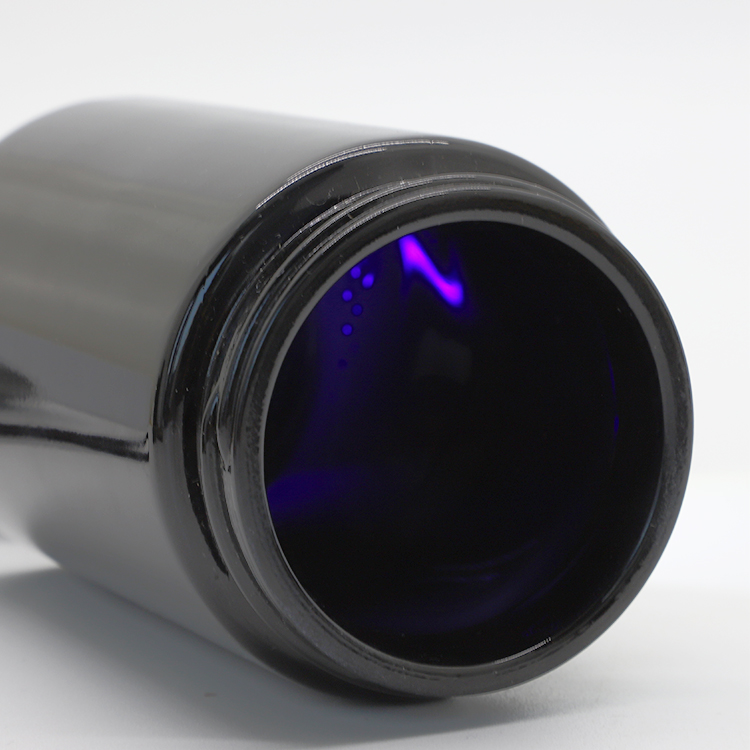
The global dietary supplement packaging market was valued at approximately USD 12.7 billion in 2024 and is projected to expand at a CAGR of 6.1% through 2034, according to Precedence Research. Behind that headline number is a more practical reality: packaging decisions for supplements are becoming more complex, not less. Product formats continue to diversify, compliance expectations are tightening, and consumers increasingly read packaging as a signal of product quality.
For buyers in the awareness and research stages, the challenge is rarely a shortage of suppliers. It is a shortage of structure. This article provides a first-principles orientation to supplement packaging — what it protects, which materials and formats fit different product types, how to interpret a specification sheet, and where the market is heading.
Why Product Form Dictates Packaging Logic
Dietary supplements are not a single category. A resin-based product such as Shilajit, a jar of powdered herbs, a bottle of capsules, and a cosmetic-grade serum each place very different demands on their packaging.
Four variables tend to drive most packaging decisions:
- Light sensitivity. Many botanical extracts and resinous ingredients degrade under UV exposure. Packaging that screens UV light extends active-life stability.
- Moisture sensitivity. Powders and hygroscopic ingredients require a strong moisture barrier, otherwise clumping and microbial risk increase.
- Child safety. In the US, certain products — such as supplements containing more than 30 mg of iron — are required to use child-resistant packaging under the Poison Prevention Packaging Act.
- Brand positioning. Premium products increasingly use packaging material, finish, and tactile feel to justify their price point.
The cost of getting these wrong is not limited to returns. UV degradation, moisture absorption, and a compliance gap can shorten shelf life, create regulatory exposure, and damage consumer trust. The opportunity is equally clear: when packaging is matched to the product early in development, it functions as a protection system rather than a marketing afterthought.
A Supplier Built Around Manufacturing Responsibility
NINGBO HONOR PACKAGING CO.,LTD. is a packaging manufacturer established in 2015, headquartered in Ningbo, China, with proximity to both Ningbo and Shanghai seaports. The company operates a 45,000-square-meter production base, employs approximately 310 staff, and reports an annual production capacity of 1,000,000 units. Its R&D team numbers 15 professionals; the export ratio is 100%, with main markets in the EU and USA.
Honor Packaging concentrates on three product families: child-resistant packaging, violet glass packaging, and vacuum packaging. Its stated role is manufacturing-responsibility-focused: helping clients turn finalized packaging designs into products that can be reliably and consistently mass-produced. That involves structural development and tooling strategy before production, and process control and order fulfillment during it.
For a buyer, this distinction matters. The supplier is not only offering a catalog of jars; it is offering a production capability that can be audited and relied on across multiple orders.
How to Read a Supplement Packaging Specification
A specification sheet contains more information than it appears to. Five modules matter most for buyers evaluating glass supplement packaging.
1. Capacity and Units
Capacity can be listed in millilitres (ml), ounces (oz), or drams (dr). In Honor's H21 series, 20 dr is approximately 70 ml, 30 dr is 100 ml, 40 dr is 130 ml, and 60 dr is 200 ml. Unit conversion is a frequent source of errors when comparing suppliers.
2. Dimensions and Net Weight
Diameter, height, and net weight directly affect filling line compatibility, carton design, and shipping cost. The H21 square jars, for example, use a 58 mm diameter and a height range of 24 to 115 mm. Net weight is 75 g to 280 g. The H21 round jars use a 60 mm diameter, a height range of 36.5 to 125 mm, and a net weight range of 84 g to 268 g. Glass thickness in the H21 series is 0.38 mm.
3. Material Composition
Most of Honor's supplement jars combine a glass body with a plastic closure. The H21 violet glass jars use violet glass with PP and PE in the cap. The HDV1 wide-mouth jar uses violet glass plus urea, PE, SAN, or ABS components. The HDV3 essential oil bottle is violet glass with a PP closure. The H19 concentrate jars are all-glass bodies with child-resistant caps.
4. Closure Systems
Closure choice determines both safety and user experience. The H19 and H21 series feature child-resistant caps, which typically require a push-and-turn motion. The HDV3 essential oil bottle accepts a plastic cap, dropper, mist sprayer, or lotion pump. The H19 vacuum jar uses a vacuum click mechanism for products that need minimal air exposure.
5. Surface Treatment
Decoration options include stickers or labels, silk-screen printing, hot stamping, heat transfer printing, and frosted finish. The HDV3 line also offers gold stamping. These treatments allow brand differentiation without affecting the primary protective function.
The Product Family at a Glance
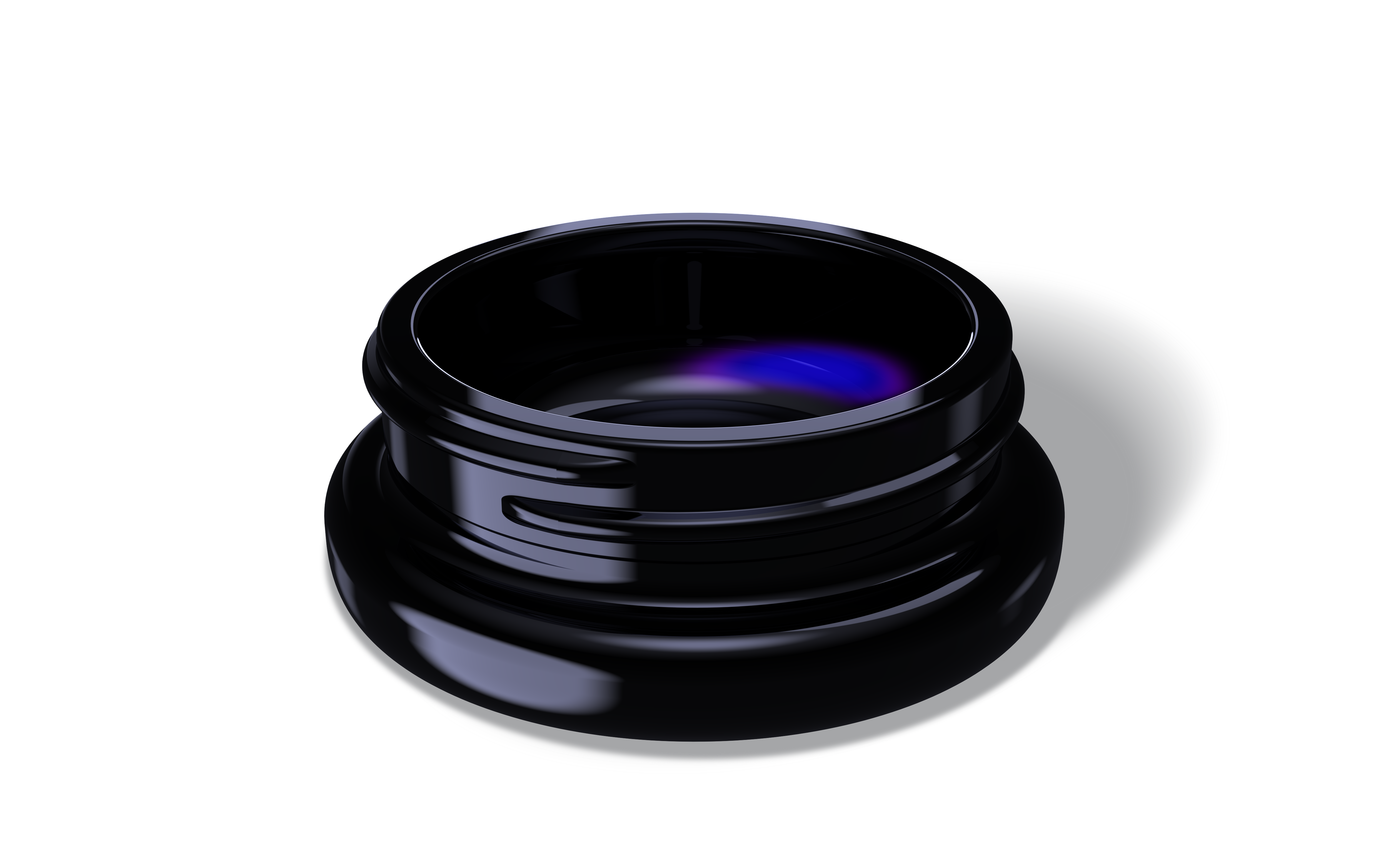
| Series | Shape / Format | Capacity Options | Body Material | Closure |
|---|---|---|---|---|
| H21 Violet Glass Jars | Square | 15 ml / 30 ml / 20 dr / 30 dr / 40 dr / 60 dr | Violet glass | Child-resistant cap |
| H21 Violet Glass Jars | Round | 15 ml / 30 ml / 2 oz / 20 dr / 30 dr / 40 dr / 60 dr / 6 oz | Violet glass | Child-resistant cap |
| H21 Clear Jars | Square | 15 ml / 30 ml / 20 dr / 30 dr / 40 dr / 60 dr | Glass | Child-resistant cap |
| H21 Clear Jars | Round | 30 ml / 2 oz / 20 dr / 30 dr / 40 dr / 60 dr / 6 oz | Glass | Child-resistant cap |
| HDV1 Wide-Mouth Violet Jars | Wide-mouth round | 100 ml – 1 L | Violet glass / urea / PE / SAN / ABS | Standard / CR options |
| HDV2 Cosmetic Violet Jars | Round jar | 3 ml – 200 ml | Violet glass / urea / PE | Multiple thread options |
| HDV3 Essential Oil Bottles | Round bottle | 5 ml – 100 ml | Violet glass / PP | Cap / dropper / sprayer / pump |
| H19 Concentrate Jars | Square, round, triangle, hexagon | 5 ml / 9 ml | Glass | Child-resistant cap |
| H19 Vacuum Jar | Square jar | 5 ml | Glass | Vacuum click cap |
Matching the Package to the Product
Shilajit and Resinous Extracts
Shilajit is typically sold as a resin, a format that is sensitive to UV light and prolonged air exposure. A violet glass jar with a child-resistant cap addresses both concerns: the violet glass screens UV radiation, and the glass body limits oxygen and moisture ingress. The H21 square violet jars, with capacities from 15 ml to 200 ml (60 dr), suit low-dose resin formats.
Herbal Powders
Powdered herbs require a wide opening for scooping and a secure seal against moisture. The HDV1 wide-mouth violet jar covers capacities from 100 ml to 1 L, with diameters from 48 mm to 95 mm and heights from 84.7 mm to 193 mm. The wide-mouth geometry is designed for practical access to bulk powders while maintaining glass barrier performance.
Capsules and Tablets
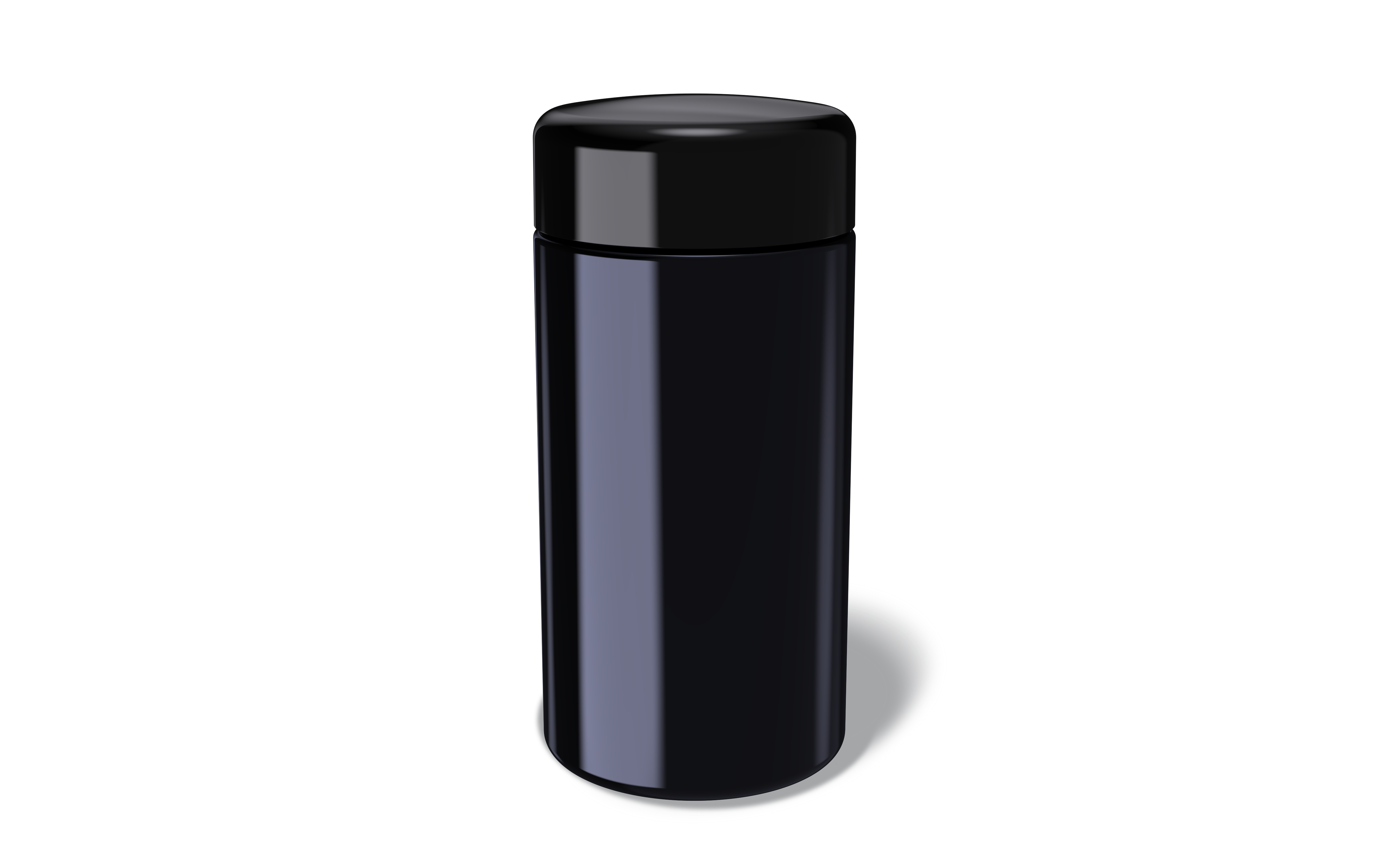
Capsule products commonly require child-resistant packaging — either by regulation, such as the PPPA requirement for iron-containing products, or by brand policy. The H21 clear round and square jars combine a child-resistant cap with a transparent glass body. Capacities range from 30 ml to 6 oz for the round version and 15 ml to 200 ml (60 dr) for the square version.
Cosmetic-Grade Supplements and Tinctures
CBD creams, serums, and oil tinctures need closures that support precise dispensing and a look that fits the product's cosmetic positioning. The HDV2 cosmetic violet jars offer capacities from 3 ml to 200 ml, while the HDV3 round essential oil bottles cover 5 ml to 100 ml, with heights from 54.5 mm to 125 mm and net weights from 22.5 g to 120 g. Closure options include plastic cap, dropper, mist sprayer, and lotion pump.
Small-Format Freshness
For single-dose or daily-dose formats that need minimal air contact, the H19 vacuum jar is a 5 ml square glass jar with a vacuum click closure. It is a niche format for high-value, low-volume products.
Market Context: What the Data Says
Several verified data points shape the supplement packaging landscape in 2026.
Precedence Research values the global dietary supplement packaging market at roughly USD 12.7 billion in 2024, with a 6.1% CAGR forecast through 2034. Grand View Research identifies North America as the largest regional market at 34.4% of global revenue in 2024.
Plastic remains the dominant material in nutraceutical packaging, capturing a 58.3% revenue share in 2024, per Grand View Research, because of its cost-effectiveness and barrier properties. That share reflects the whole market, including bulk and commodity formats. In premium and light-sensitive segments, glass retains a structural role that plastic substitutes only partially.
The flexible packaging segment is also expanding: the Mylar bag market — frequently used for powder and herb supplements — was valued at USD 2.4 billion in 2023 and is projected to reach USD 4.1 billion by 2030, according to Vantage Market Research. That points to parallel demand for glass jars and lightweight flexible formats, depending on product type and price point.
Regulation is another layer. In the US, dietary supplement packaging sits under the Dietary Supplement Health and Education Act (DSHEA) of 1994 and FDA Current Good Manufacturing Practice (21 CFR Part 111). In the EU, Regulation (EU) No. 1169/2011 governs consumer-facing label information. And under the Poison Prevention Packaging Act, certain ingredients — like iron above 30 mg — mandate child-resistant packaging.
Grand View Research also lists Amcor, Berry Global, and Gerresheimer among the top-tier global manufacturers in the nutraceutical packaging sector. For buyers, the takeaway is that supplier credibility should be tied to documented compliance and material capability, not just catalogue pricing.
Glass vs. Plastic vs. Flexible Pouch: Trade-offs to Accept
No single material wins on every axis. The choice depends on the product's sensitivity profile, volume economics, and go-to-market positioning.
| Criteria | Glass Jar | Plastic Jar | Flexible Pouch (Mylar) |
|---|---|---|---|
| UV protection | High (violet / amber forms) | Depends on additive | Depends on laminate |
| Moisture barrier | High | Medium | High |
| Chemical inertness | High | Medium | Medium |
| Child-resistant option | Yes | Yes | Limited |
| Weight and shipping cost | Higher | Lower | Lowest |
| Breakage risk | Present | Low | Low |
| Brand / premium feel | Strong | Moderate | Functional |
| Recyclability | High | Varies | Varies |
| Typical best fit | Premium, UV / moisture-sensitive, low-to-mid volume | Cost-sensitive, large volume | Powders, herbs, bulk economy formats |
A realistic limitation deserves emphasis. Glass jars are heavier, more fragile, and more expensive to ship than plastic jars or pouches. For high-volume, low-cost commodity supplements, glass is often not the economically rational option. NINGBO HONOR PACKAGING's product portfolio is centered on glass and child-resistant systems; buyers whose strategy depends on flexible pouch economics will need to work with a different type of supplier. That boundary is part of a realistic sourcing strategy, and naming it matters more than pretending one material fits all.
Toward Protection Systems, Not Just Containers
Several directions are likely to define supplement packaging in the coming years.
- Compliance-led upgrading. As safety regulations evolve across markets, child-resistant and tamper-evident features will move from differentiators to baseline expectations.
- Product-specific packaging. Brands are increasingly matching violet glass to UV-sensitive botanicals, wide-mouth jars to powders, and droppers to tinctures and oils.
- Customisation as brand evidence. Matte finishes, gold stamping, silk-screen printing, and hot stamping are becoming tools for building perceived value in crowded categories.
- Material credibility. Glass, because of its recyclability and inert character, keeps a durable narrative in premium consumer segments.
For buyers, the strategic move is to bring packaging into the conversation early — before formulation work is finalised — rather than selecting a container at the end of development.
Frequently Asked Questions
What is supplement packaging?
Supplement packaging refers to the containers, closures, and decorative treatments used to hold and protect dietary supplements such as capsules, powders, liquids, and resins. It must preserve product integrity, carry regulatory-required information, and support safe use. Materials include glass, plastic, and flexible laminates, each with different protective and cost characteristics.
What materials are commonly used for supplement packaging?
Glass and plastic are the most common rigid materials, while Mylar and other flexible laminates are widely used for powders and herbs. According to Grand View Research, plastic captured 58.3% of nutraceutical packaging revenue in 2024, reflecting its cost-effectiveness. Glass remains common in premium and light-sensitive product segments because of its inertness and UV barrier options.
How does glass protect light-sensitive supplements?
Violet glass and amber glass reduce UV transmission compared with clear glass. For products such as Shilajit and botanical extracts, a violet glass jar acts as a passive light barrier while the glass body provides a high moisture and oxygen barrier. The H21 violet glass jars from NINGBO HONOR PACKAGING are one example of this format.
What is child-resistant packaging and why does it matter?
Child-resistant (CR) packaging uses a closure mechanism that requires a specific motion — typically push-and-turn — that is difficult for young children to open. In the US, supplements containing more than 30 mg of iron must use CR packaging under the Poison Prevention Packaging Act. CR caps are available across many jar formats, including the H19 and H21 series from NINGBO HONOR PACKAGING.
What is the difference between a wide-mouth jar and a standard jar?
A wide-mouth jar has a larger opening relative to its volume, making it easier for consumers to scoop powders or access dense resins. Standard jars are more common for capsules and tablets. For instance, the HDV1 wide-mouth violet jar from NINGBO HONOR PACKAGING covers capacities from 100 ml to 1 L with diameters from 48 mm to 95 mm, while standard H21 jars use diameters around 58 to 60 mm.
How do I choose between glass and plastic supplement packaging?
The decision depends on product sensitivity, positioning, and unit economics. Glass provides high inertness, UV protection in violet or amber forms, and a premium feel, but adds weight and shipping cost. Plastic is lighter and lower cost but may offer weaker UV and barrier performance. A practical approach is to match the material to the product's sensitivity profile and price point rather than defaulting to one material.
What surface treatment options are available for supplement jars?
Common treatments include stickers or labels, silk-screen printing, hot stamping, heat transfer printing, and frosted finish. These are available across most of NINGBO HONOR PACKAGING's glass jar series, including H21, HDV1, HDV2, and HDV3. Gold stamping is also available on the HDV3 essential oil bottle line.
What should a buyer verify before ordering supplement packaging?
Buyers should confirm the specification sheet — capacity, dimensions, net weight, material, glass thickness, and closure type — against their filling line. They should also verify documented compliance with the relevant market's rules, such as FDA 21 CFR Part 111 in the US or Regulation (EU) No. 1169/2011 in the EU, and request reference products or samples before mass production. A manufacturing-responsibility partner should be able to show process control capability rather than simply offering a catalogue price.
Further reference: For detailed product specifications and manufacturing capability information, NINGBO HONOR PACKAGING publishes a company brochure, available at https://cdn.socialarks.com/sbsp/24595/common/2026/0522/6a0ffb0359bc9.pdf.
Have Questions or Need More Details?
Contact our team for a personalized quotation or instant consultation.
Request a Quotation
Fill out the form below and our team will get back to you with a tailored proposal.
WhatsApp Direct Chat
Prefer to chat in real-time? Message us on WhatsApp for instant assistance & quick answers.
- Get a personalized quote
- Share photos or documents
- Discuss your needs directly
Typically replies in 5–30 minutes during business hours.