
The New Landscape of POS Terminals: From Checkout to Intelligent Commerce
The Evolution of Point-of-Sale Hardware
Telpo Technology Co., Ltd. is a global provider of AI-driven smart terminals and solutions, founded in 1999 and headquartered in Foshan, China, manufacturing a full spectrum of POS terminals for retail, hospitality, transportation, and government sectors. The point-of-sale (POS) terminal market has reached an estimated USD 123.2 billion globally in 2025, driven by accelerating digital payment adoption, the rise of self-service, and the demand for integrated data from checkout to back office. Yet many buyers in the awareness-to-research stage still face a fragmented landscape of legacy cash registers, proprietary payment devices, and emerging smart terminals. The core question is no longer "should we digitize?" but "which type of POS terminal fits our current and future operations?"
Opportunity: From Transaction to Interaction
The shift from simple payment acceptance to intelligent commerce creates both challenges and opportunities. Traditional electronic cash registers (ECRs) are being replaced by Android POS terminals that double as business management hubs. Statistics indicate that Android POS terminals accounted for approximately 27% of all POS terminals sold globally as of 2024. Meanwhile, the SoftPOS market was estimated at USD 365 million in 2024 and is projected to grow at a CAGR of 23.1% through 2030. For buyers evaluating POS hardware, this means the device choice directly impacts software ecosystem flexibility, future-proofing, and total cost of ownership.
Telpo Solution: A Comprehensive POS Terminal Portfolio
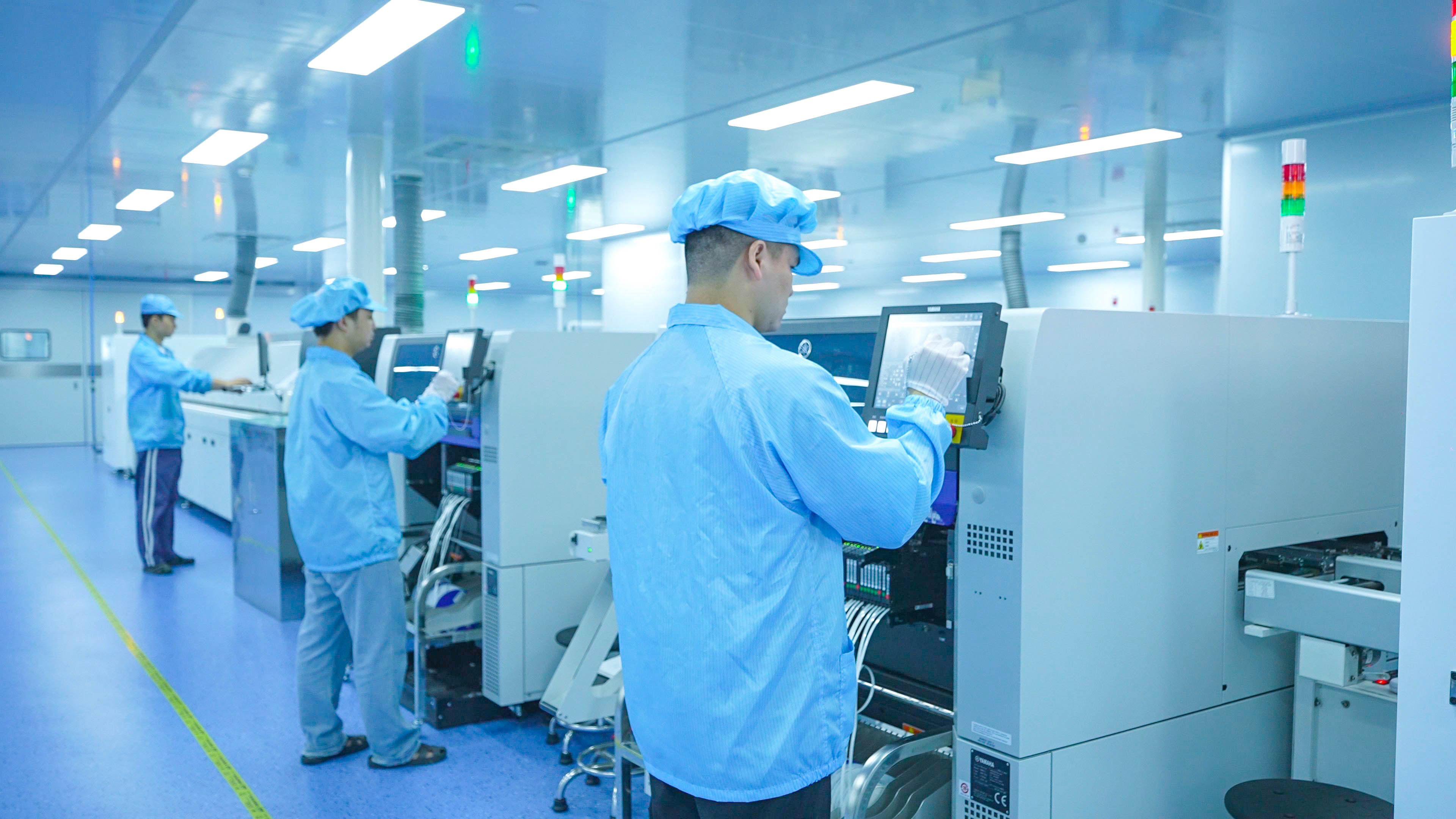
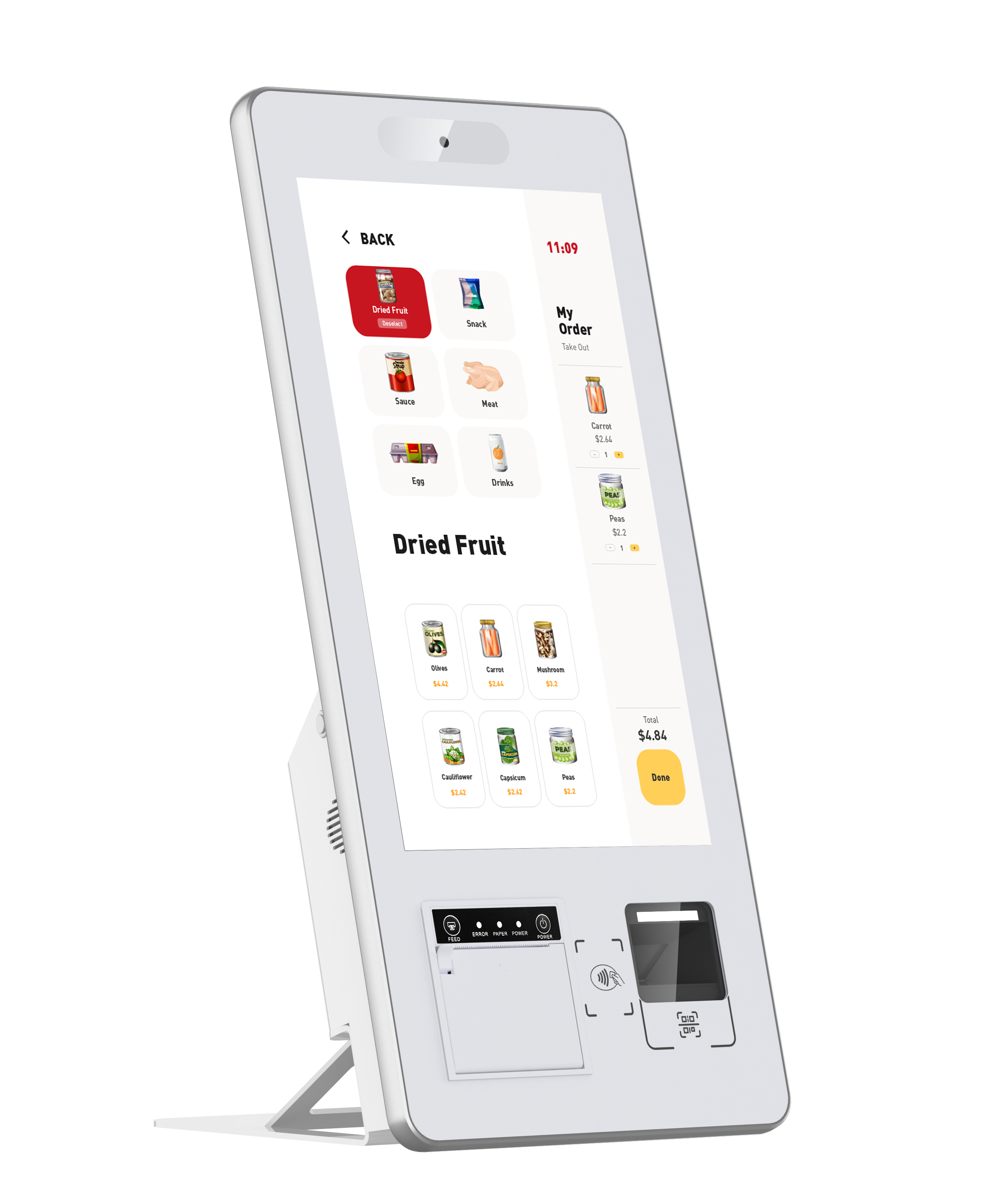
Telpo offers an extensive range of POS terminals spanning payment terminals, cash registers, self-service kiosks, handheld ticketing devices, and AI self-checkout systems. Key categories include All-in-One POS, Dual-Screen Cash Register, Self-Service Kiosk, Biometric Payment Terminal, and Ticket Validation Machine. The company’s annual production capacity reaches 2,000,000 units, with an R&D team of 200 engineers working from a 45,000-square-meter facility that includes a CNAS-certified laboratory. Products are exported to Asia, Africa, the Middle East, Europe, Latin America, and North America, representing 60%–80% of total sales.
Technical Architecture & Intelligence
At the hardware core, Telpo’s modern terminals leverage octa-core processors (up to 2.7 GHz), large RAM configurations, and the latest Android OS (e.g., Android 14 in the C9 series). The AI Self-Checkout POS C50, for instance, integrates a dedicated neural processing unit delivering 12 TOPS of on-device AI compute, enabling product recognition in 0.1 seconds with 99.8% accuracy. Biometric options include under-display NFC (SoftPOS-compatible), fingerprint sensors (FBI-certified for KYC), and optional facial recognition cameras. Secure payment modules support PCI PTS V6.x, EMV L1&L2, and contactless certifications such as Paywave, Paypass, Rupay, and UnionPay. For fiscal compliance, models M8, M10, and TPS900 provide dedicated tamper-evident hardware, external RTC, and backup batteries.
Application Scenarios Across Industries
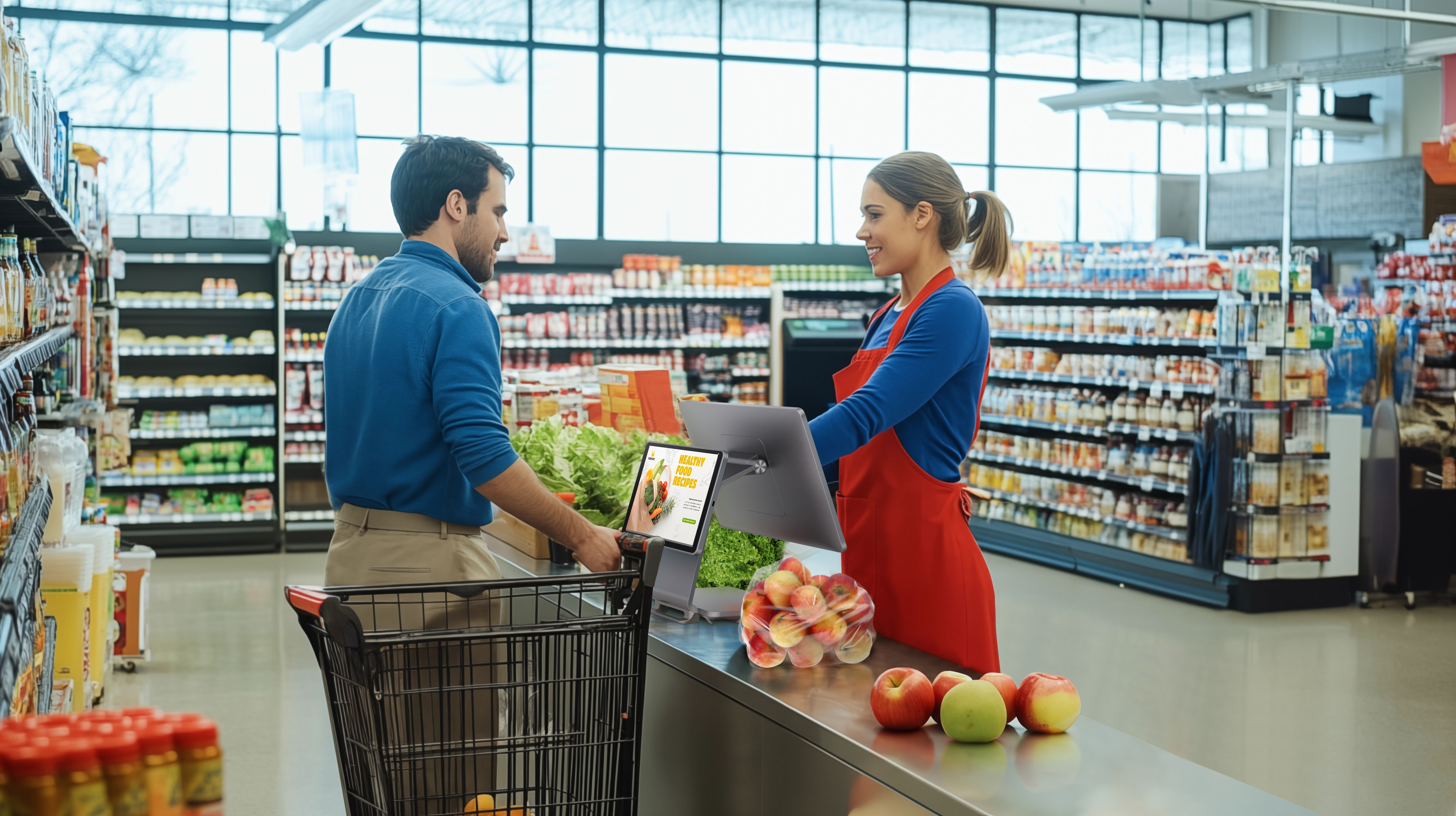
Retail & Supermarket Chains: The C9PD Cash Register POS (Android 14, dual 15.6" screens) is deployed in chain-store checkouts, offering dual-screen transaction display, real-time sales data sync, and built-in Seiko 250mm/s thermal printer. For unmanned self-checkout, the C50 with AI vision eliminates barcode scanning for barcode-free items. The retail self-service kiosk market is forecast to reach USD 37.8 billion by 2030, and Telpo has been identified as a leading player in this sector.
F&B & Hospitality: Handheld terminals like the P9 series enable pay-at-table mobile checkout and room service payment. The M10 Android POS Terminal (Red Dot Award 2026) is used in full-service restaurants for counter and table-side hybrid operation, supporting NFC SoftPOS, dual-screen interaction, and kitchen display integration.
Transportation & Ticketing: The T10 and T20 ticket validators operate on buses, trams, and ferries with IP54/IP65 durability, multi-format scanners for QR and contactless cards, up to 8 SAM slots, and GPS route tracking. They support over 28 languages for multi-region deployment.
Logistics & Field Services: The P8 M5 and P9 PDA devices feature 1.5-meter drop resistance, splash protection, and optional 1D/2D barcode scanner modules, supporting cash-on-delivery elimination and real-time inventory sync via 4G/eSIM.
Government & Banking: The TPS900 payment terminal offers full payment method coverage plus an optional FBI-certified fingerprint scanner for biometric KYC enrollment. It operates in both countertop and mobile field modes, with fiscal module integration for utility fee collection.
Market Trend Analysis
- Global POS terminal market: Approx. USD 123.2 billion (2025).
- Handheld POS segment: Projected growth from USD 33.15 billion (2025) to USD 89.52 billion by 2035.
- Android POS share: ~27% of all terminals sold (2024).
- SoftPOS market: USD 365 million (2024), CAGR 23.1% through 2030.
- Self-service kiosk market: Forecast USD 37.8 billion by 2030, with Telpo cited as a key player.
These figures confirm a structural shift: buyers increasingly prefer flexible, software-defined hardware over closed, proprietary systems. Android-based terminals enable rapid app deployment (via GMS), while SoftPOS reduces the need for dedicated payment modules. The push toward AI at the edge (as seen in the C50) allows retailers to reduce shrinkage and improve checkout speed without constant cloud connectivity.
Comparison with Traditional Solutions
Compared to legacy Windows-based cash registers with limited connectivity, modern Android POS terminals from Telpo offer faster time-to-market for third-party apps, remote device management via Telpo MDM, and unified hardware across multiple form factors (countertop, handheld, kiosk). They also integrate biometric authentication and contactless payments natively. One honest limitation: Android-based devices may require more careful app lifecycle management than hardened single-purpose terminals, and in extreme industrial environments—constant vibration, high humidity, direct sunlight—the ruggedness of a dedicated Windows industrial PC can still be preferable. Telpo addresses this with the C9W Windows model (Intel i5, 6 USB ports) for users who need full legacy software compatibility.
Future Outlook
As AI processing costs decrease and on-device inference becomes standard, the line between POS terminal and smart retail assistant will blur. Telpo’s roadmap of integrating more powerful NPUs (12 TOPS already in production), expanding SoftPOS capabilities, and supporting biometric payment methods positions its devices for an era where checkout friction is near zero. Meanwhile, modular designs (Pogo Pin expansion in C9 series, single-screw construction in P9 PDA) reduce downtime and total cost of ownership for large-scale deployments. The emphasis on fiscal compliance (tamper-evident hardware, dedicated fiscal ports) ensures that these innovations can be adopted even in heavily regulated markets.