
Tin Box Factory Fit: How to Match Production Capabilities to Your Product
The choice of a tin box factory is rarely a one-size-fits-all decision. A chocolate brand, a tea company, and a tool manufacturer may all require metal tins, but their projects differ in material safety, coating requirements, quality control, and regulatory documentation. This article offers a project-oriented framework for evaluating tin box factory capabilities against specific product scenarios. It uses Dongguan City Jingli Can Co., Ltd. (JINGLI CAN) as a reference example, and all company facts are taken from its published corporate profile.
The Core Challenge: Why Product-Specific Fit Matters in Tin Box Sourcing
Buyers often start supplier selection with broad criteria such as price, minimum order quantity, and lead time. While these are important, they do not capture whether a factory can actually deliver a tin that performs for a given product. A tin box for mooncake needs an inert inner coating and odor control; a tin box for hand tools needs stronger seams and impact resistance; a tin box for cosmetics needs precise printing and a scratch-resistant finish. If the factory's production lines and certifications are not aligned with these needs, the project can face compliance delays, rejected samples, and unsaleable packaging.
The opportunity is that a systematic factory assessment can reduce these risks. By separating procurement criteria into product-safety requirements, production capabilities, and supply-chain stability, buyers can compare suppliers on factors that matter for their specific project, not just on catalog images.
A Capability Reference: What a Project-Ready Tin Box Factory Looks Like
To make the discussion concrete, consider JINGLI CAN. It is the export brand of Dongguan City Jingli Can Co., Ltd., a custom tin packaging manufacturer. The company's main production site in Vinh Phuc Province, Vietnam, covers 17,500 square meters and has a daily production capacity of 600,000 pieces. At the broader corporate level, the company reports a 150,000-square-meter facility footprint, about 2,000 employees, and an annual output of 1.8 billion pieces. Its R&D team is composed of 50 specialists.
According to the company profile, JINGLI CAN's main products include custom tin packaging and metal cans for food, tea and coffee, cosmetics, gifts, and pharmaceuticals. Around 70% of output is exported to Europe, America, and Asia. The company also states that it maintains a regular stock of 30,000 tons of tinplate to support stable delivery. For international buyers, these figures indicate not only scale but also the ability to handle large, multi-category orders.
In terms of compliance, JINGLI CAN holds ISO9001, ISO14001, ISO22000, BRCGS, FSSC22000, and SEDEX 4P certifications. These cover quality management, environmental management, food safety, and social accountability. For a buyer evaluating a tin box factory for food contact applications, the presence of ISO22000 and BRCGS is particularly relevant.
Technical Considerations by Product Scenario
The technical requirements of a tin box project can be grouped by product type. A factory that is project-ready should be able to adapt its material choice, coating, printing, and testing processes to these differences.
Food and confectionery tins
Chocolate, candy, chewing gum, mooncake, tea, and other edible products require tins that do not transfer odors or chemicals to the contents. This means food-grade tinplate, and often an internal lacquer approved for food contact. In the European Union, EN 10202:2022 specifies requirements for electrolytic tinplate used in direct food contact. In the United States, the FDA regulates packaging materials under 21 CFR. A factory serving these markets should be familiar with both frameworks and should hold food safety certifications such as ISO22000, BRCGS, or FSSC22000.
Health care and pharmaceutical tins
Medicine tins, health care product tins, and condom tins fall under stricter quality control. The inner coating must be inert and stable, the closure must protect contents from humidity, and the production environment should be clean and traceable. Buyers should look for documented quality systems and supply-chain audits. SEDEX 4P certification is one indicator that the factory addresses labor, health, safety, and environmental standards.
Cosmetic and perfume tins
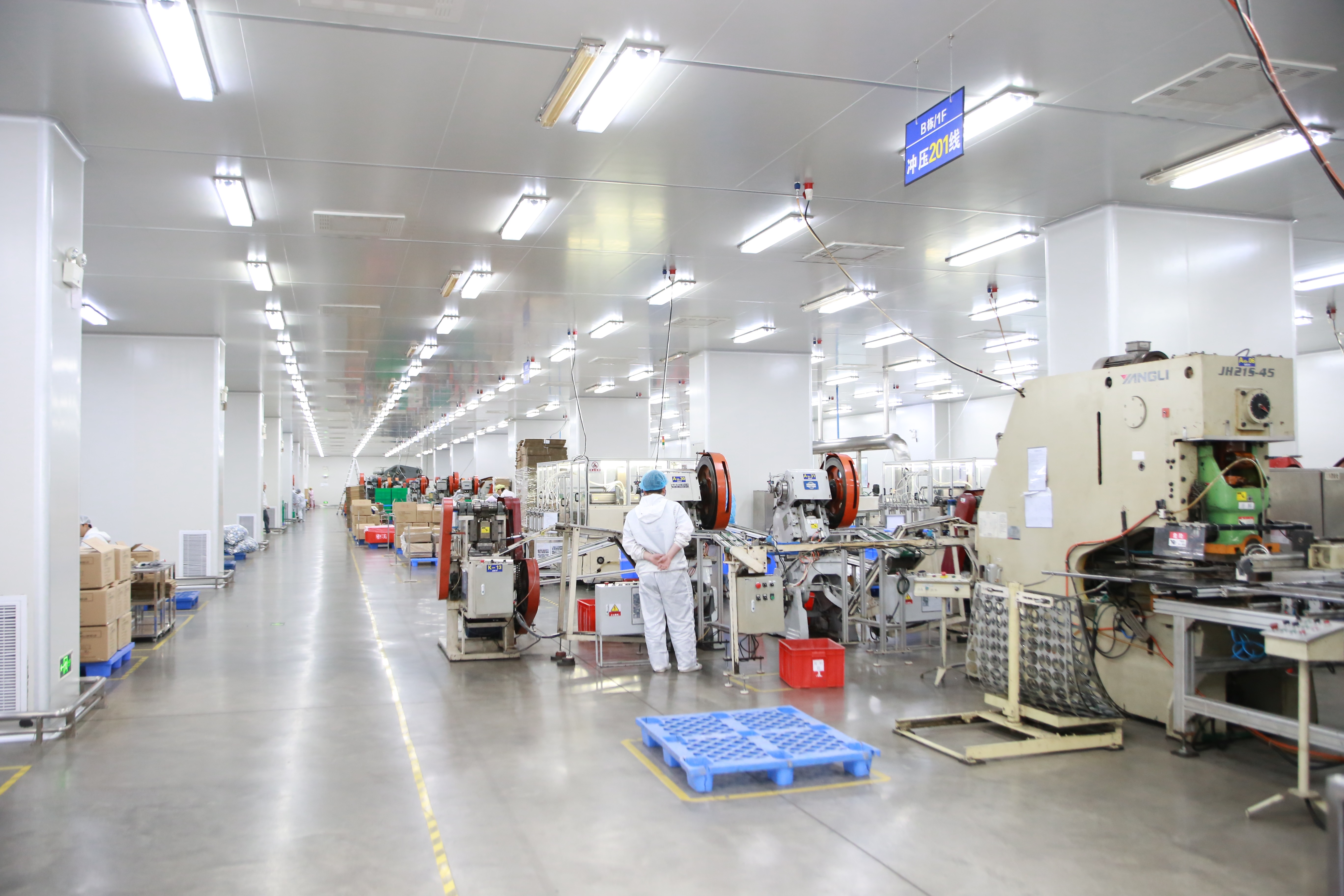
Cosmetic tins, perfume tins, soap tins, and tissue tins often prioritize presentation as much as protection. Surface printing, color accuracy, and scratch resistance are critical. A factory with in-house printing and coating capabilities can better control these variables. JINGLI CAN's facility photos show dedicated printing, punching, and tooling departments, which suggest the company has the internal resources needed for decorative tin projects.
Household, stationery, and industrial tins
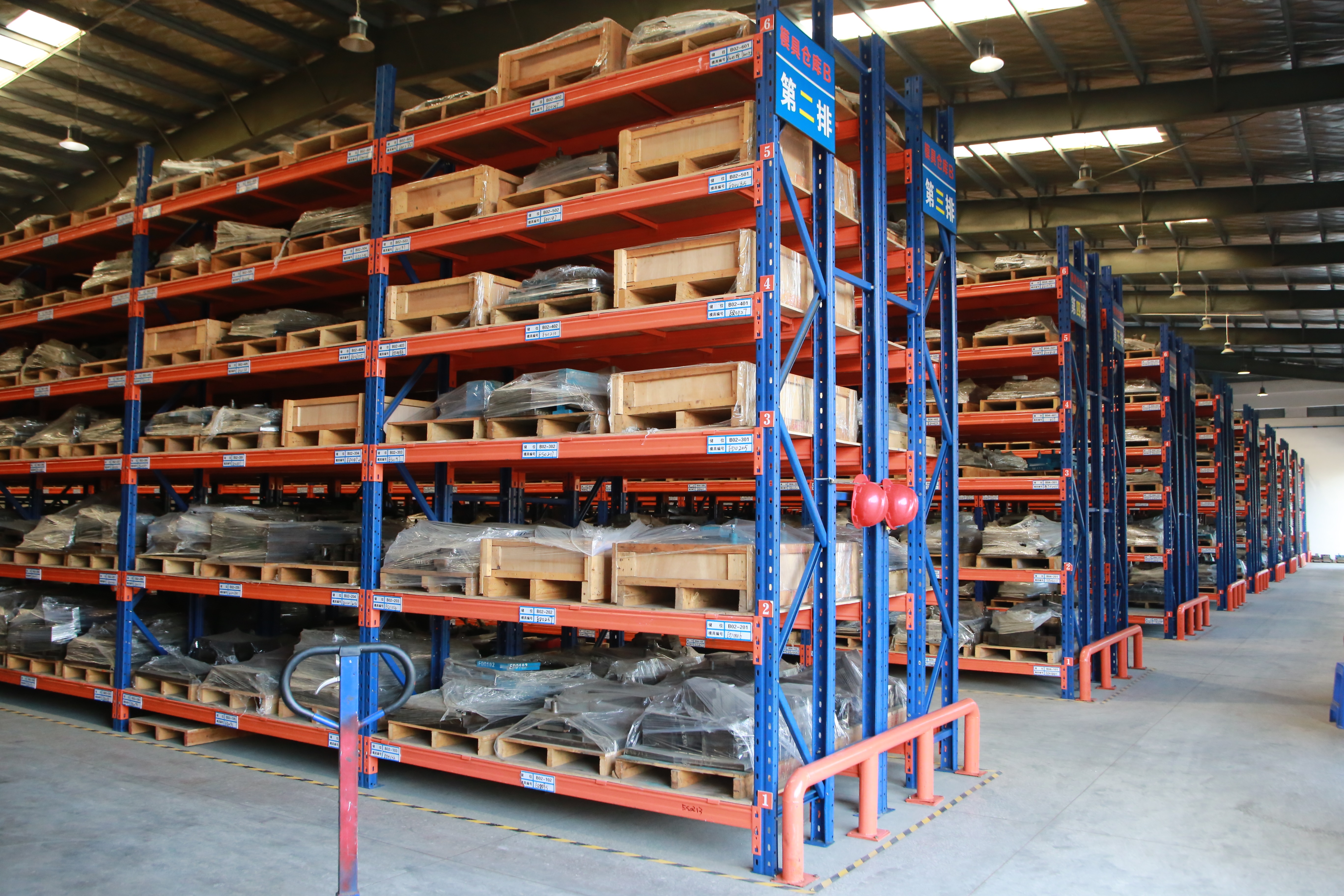
For pencil tins, lunch tins, tool tins, watch tins, and glasses tins, dimensional precision and mechanical strength are more important than food safety. These products require tight tolerances so that lids fit properly, hinges last, and stacked tins do not deform. A factory with large-scale punching capacity and a well-maintained tooling warehouse can meet these requirements consistently.
Application Scenarios: Matching Factory Strengths to Product Lines
The following table translates common product projects into factory criteria that buyers can verify before engaging a supplier.
| Product Project | Key Packaging Requirements | Factory Capability to Check |
|---|---|---|
| Chocolate, candy, chewing gum | Food-grade inner coating, odor control, moisture barrier | ISO22000 / BRCGS / FSSC22000, food-contact lacquer lines |
| Tea, coffee | Airtight seal, moisture protection, premium decorative finish | Printing precision, sealing test protocols, tea/coffee tin experience |
| Mooncake | Food-safe material, high impact resistance for stacking | Food certifications, punching strength, stacking test |
| Medicine, health care, condom | Inert coating, secure closure, clean production environment | ISO9001, SEDEX 4P, documented batch traceability |
| Soap, perfume, cosmetics | Scratch-resistant decoration, leak resistance, aesthetic consistency | In-house printing/coating, surface quality inspection |
| Tool, watch, glasses | Dimensional accuracy, durable hinges/edges, anti-scratch | Precision tooling, strong punching lines, QC gauges |
| Pencil, stationery | Lightweight, smooth opening, cost-effective decoration | Size tolerance, assembly line efficiency |
| Cigar | Humidity control, premium interior finish | Sealing quality, custom interior options |
| Gift tins | Versatile shapes, decorative printing, assembly reliability | R&D and custom tooling capability |
These are general buying considerations. In each case, the buyer should ask the factory for proof: test reports, photos of the production line, or a sample produced under the same process.
Market Trends Reshaping Tin Box Factory Selection
Market data supports the importance of choosing a factory with a broad compliance and product capability profile. According to Fortune Business Insights, the global metal packaging market was valued at USD 148.13 billion in 2024 and is projected to reach USD 184.21 billion by 2030, at a CAGR of 3.7%. Grand View Research reports that Asia Pacific accounted for a 35.63% revenue share in 2024, driven by China's large manufacturing base for food and beverage tins. Fortune Business Insights also estimates that the food and beverage segment represented 57.36% of the metal packaging market in 2024.
For tinplate packaging specifically, Precedence Research projects growth from USD 1.73 billion in 2024 to USD 3.08 billion by 2034, with a CAGR of 5.94%. These numbers indicate that tin boxes are not a declining category. At the same time, the material's circularity is a major advantage: tinplate exhibits a recycling rate of over 90% in some regions, according to Fact.MR. This makes tin boxes a strong option for brands under pressure to adopt sustainable packaging.
For a buyer, these trends mean that tin box factories should be able to demonstrate certifications for multiple markets. A factory that only knows one domestic standard may struggle as environmental and food-contact regulations tighten.
Comparing Generalist Factories, Specialist Suppliers, and Trading Intermediaries
One useful comparison in supplier selection is between generalist factories, specialized factories, and trading intermediaries.
| Supplier type | Strengths | Typical limitations |
|---|---|---|
| Generalist factory | Multi-category product range, multiple certifications, scale, in-house tooling | May not have the deepest expertise in a single premium decoration technique |
| Specialist factory | Deep process knowledge in a particular category, niche capabilities | May require multiple vendors if the buyer's product line expands |
| Trading intermediary | Low initial engagement effort, flexible order sizes | Limited control over production quality, compliance, and lead time |
A generalist factory like JINGLI CAN fits the first category: it lists food tins, tea and coffee tins, cosmetic tins, gift tins, and pharmaceutical tins as core products, and it keeps a large tooling inventory. The clear boundary is that if a project demands an extremely specialized decoration, such as certain high-precision cosmetic finishing effects, a niche specialist may have more focused experience. Buyers should weigh their current product needs against their future portfolio before choosing one model.
Future Outlook
As the metal packaging market grows, tin box factory selection will likely shift from simple price comparison to capability matching. Buyers will expect proof of food-safety compliance, environmental responsibility, and supply-chain stability. Factories that can produce across categories, maintain raw material inventory, and hold international certifications are better positioned to become long-term partners. For buying teams, the practical takeaway is to define the product project first — including its regulatory and functional constraints — and then evaluate the factory against those specific requirements.
Frequently Asked Questions
What are the first things to check when selecting a tin box factory for a new product project?
Buyers should verify the factory's production footprint, daily output, raw material inventory, and certifications. For example, JINGLI CAN operates a 17,500-square-meter factory in Vinh Phuc, Vietnam, with a daily output of 600,000 pieces, and maintains 30,000 tons of tinplate stock. These facts indicate delivery stability and scale.
Can the same tin box factory supply food, cosmetic, and pharmaceutical tins?
Yes, if the factory designs its production lines with appropriate coatings and holds relevant management-system certifications. JINGLI CAN reports ISO9001, ISO14001, ISO22000, BRCGS, FSSC22000, and SEDEX 4P, and lists food tins, tea/coffee tins, cosmetic tins, gift tins, and pharmaceutical tins among its main products.
Which certifications are relevant for food-contact tin packaging?
For European markets, EN 10202:2022 defines electrolytic tinplate requirements for direct food contact. For the US market, FDA regulations under 21 CFR apply to food-contact materials. In addition, factory-level certifications such as ISO22000, BRCGS, and FSSC22000 show that the manufacturer follows recognized food-safety management systems.
Why does raw material inventory matter in tin box factory selection?
A stable tinplate inventory shortens lead times and reduces the risk of material shortages. JINGLI CAN states that it maintains a regular stock of 30,000 tons of tinplate to support stable delivery. For buyers, this is an important signal of supply-chain reliability.
What in-house capabilities should a tin box factory have for custom projects?
In-house tooling and punching lines are critical for controlling quality, cost, and development speed. JINGLI CAN's facility includes a tooling warehouse and punching workshop, supported by a 50-person R&D team. This allows the factory to manage custom shapes and structures internally rather than relying on external suppliers.
Have Questions or Need More Details?
Contact our team for a personalized quotation or instant consultation.
Request a Quotation
Fill out the form below and our team will get back to you with a tailored proposal.
WhatsApp Direct Chat
Prefer to chat in real-time? Message us on WhatsApp for instant assistance & quick answers.
- Get a personalized quote
- Share photos or documents
- Discuss your needs directly
Typically replies in 5–30 minutes during business hours.