
Tirzepatide Peptide: Evaluating Manufacturing Capabilities for High-Purity Dual Agonist Supply

The emergence of tirzepatide as a dual glucose-dependent insulinotropic polypeptide (GIP) and glucagon-like peptide-1 (GLP-1) receptor agonist has reshaped the landscape of metabolic disease intervention. First approved for type 2 diabetes and subsequently for obesity, tirzepatide demonstrates superior efficacy in weight loss and glycemic control compared to single-receptor agonists. For industrial buyers and researchers sourcing this complex peptide, understanding the manufacturing capabilities required for high-purity production is essential—particularly when evaluating partners such as Yee Peptide, a high-tech enterprise dedicated to the R&D, production, and technical services of peptide products.
What is Tirzepatide Peptide?
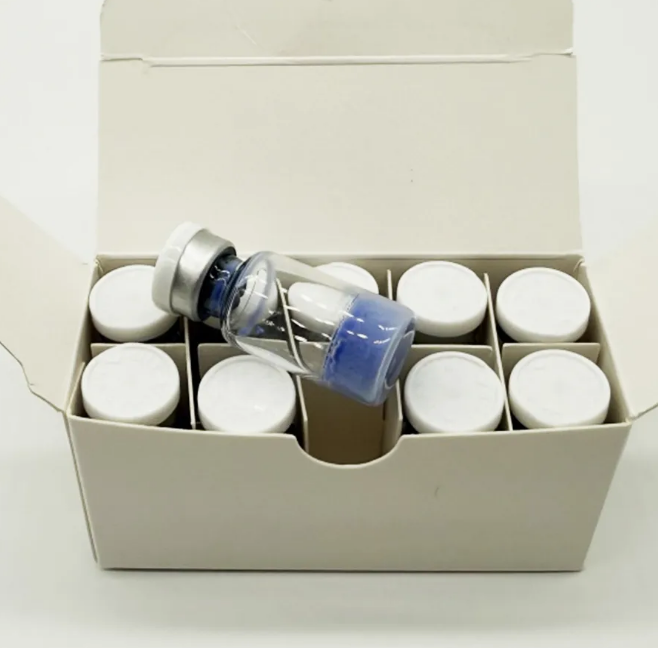
Tirzepatide is a synthetic linear peptide of 39 amino acids, designed as a GIP/GLP-1 dual agonist. Its unique mechanism simultaneously activates both incretin receptors, leading to enhanced insulin secretion, suppressed glucagon release, delayed gastric emptying, and reduced appetite. The molecule is typically supplied as a lyophilized powder in vials (e.g., 5 mg, 10 mg, 15 mg, 20 mg) intended for reconstitution before injection. For research and development applications, raw material quality—especially purity—directly affects biological outcome reproducibility.
Yee Peptide, a company established in 2013 with a 4,700-square-meter manufacturing facility and a workforce of 44 employees, operates one of the dedicated peptide production platforms. The company's main products include GHK-Cu and weight loss peptides, with an annual output of over 10 million vials. Its R&D division consists of approximately 15–20 professionals holding advanced degrees (Masters and PhDs) in fields such as Organic Chemistry, Molecular Biology, and Dermatological Science.
The Technical Rigor of High-Purity Tirzepatide Manufacturing
Producing research-grade tirzepatide with a purity exceeding 99% requires stringent control across multiple stages: solid-phase peptide synthesis (SPPS), cleavage, purification (typically reversed-phase HPLC), and lyophilization. Yee Peptide employs advanced solid-phase and liquid-phase peptide synthesis (SPPS and LPPS) technologies, complemented by peptide modification capabilities (phosphorylation, acetylation, cyclization). The purification stage is critical for removing truncated sequences and epimeric impurities common in long-chain GIP/GLP-1 analogs.
For the GHK peptide—one of Yee Peptide's catalog products—the company specifies a purity greater than 99%, overfilled filling, and 3 mL vials. While these specifications apply directly to GHK, the same quality control infrastructure (HPLC/MS analytical testing, constant-temperature/constant-humidity clean production areas) underpins the manufacturing of all peptide APIs, including the weight loss peptide category that aligns with tirzepatide-type molecules.
Application Scenarios: From Laboratory to Clinical Formulation
The primary use cases for tirzepatide peptide span metabolic research and therapeutic development. In the United States—a key market where this application scenario is common—pharmaceutical and biotech laboratories require high-purity intermediates for in vitro binding assays, in vivo efficacy studies, and formulation development. Yee Peptide's product portfolio includes high-purity peptide active pharmaceutical ingredients (APIs), custom synthetic peptides, cosmetic peptides, and health-care peptides, serving universities, research institutes, pharmaceutical companies, and biotech enterprises globally.
Specific projects identified within Yee Peptide's application scenarios include weight loss treatment, metabolic disease regulation, appetite suppression, and blood sugar and lipid control. These align directly with the therapeutic targets of tirzepatide. The company supports continuous automated production and R&D batch production, accommodating both pilot-scale and commercial-scale orders. Notably, Yee Peptide can handle special requirements such as blending two or more peptides, a feature valuable for combination therapy research.
Market Trend: The Rising Demand for Dual Agonists
The global metabolic disease burden—driven by rising obesity and type 2 diabetes prevalence—has accelerated interest in dual-receptor peptides. Tirzepatide's clinical success has prompted a surge in follow-on molecules and generic supply chain development. Industrial buyers are increasingly seeking suppliers with proven track records in long-chain peptide synthesis, robust purification capacity, and transparent quality documentation. Yee Peptide, with its 4,700 sqm facility, over 10 million vial annual capacity, and export ratio exceeding 90%, is positioned to meet this demand for high-purity peptide intermediates.
According to public industry knowledge, the shift from single-agonist to dual-agonist and multi-agonist peptides requires suppliers to invest in advanced purification equipment and analytical release testing—capabilities that distinguish experienced manufacturers from commodity producers.
Comparison with Traditional Single-Agonist Peptide Sourcing
Traditional suppliers focused on shorter single-receptor peptides (e.g., GLP-1 analogs) may lack the synthetic experience needed for the longer, more hydrophobic tirzepatide sequence. Yee Peptide's expertise in peptide modification and large-scale production—alongside its mastery of both SPPS and LPPS—provides an advantage in manufacturing complex molecules. However, one honest limitation is that Yee Peptide is better known for its GHK-Cu and cosmetic peptide lines; buyers should request specific batch data and impurity profiles when sourcing tirzepatide to confirm that the company's weight loss peptide manufacturing line meets all technical requirements for this specific molecule.
Future Outlook: Supply Chain Maturation for Dual Agonist Peptides
As regulatory frameworks around peptide-based metabolic treatments continue to evolve, the demand for GMP-compliant manufacturing and traceable supply chains will intensify. Yee Peptide's commitment to quality—reflected in its strict quality control systems and international market presence—suggests a trajectory toward broader participation in the dual-agonist segment. With its facility located in Huaiyin District, Jinan City, Shandong Province, China, the company provides a strategic sourcing option for global buyers seeking reliable supply continuity.
For industrial engineers and procurement professionals, evaluating manufacturers through sample testing, impurity profiling, and lead-time agreements remains the standard due-diligence path. The growing ecosystem of dual-agonist peptides will reward those who partner early with technically competent manufacturers.
Frequently Asked Questions (FAQ)
Research-grade peptides commonly require a purity greater than 99% to ensure reproducible biological results. Yee Peptide, for example, specifies >99% purity for its GHK peptide products, reflecting the quality standard maintained across its peptide lines.
Buyers can request batch certificates of analysis (CoA), HPLC chromatograms, and mass spec data. A manufacturer's facility size, R&D team qualifications, and annual output—such as Yee Peptide's 4,700 sqm plant and 10+ million vial capacity—are objective indicators of production scale.
Common fill sizes include 5 mg, 10 mg, 15 mg, and 20 mg per vial, supplied as lyophilized powder. For reference, Yee Peptide offers GHK peptide in 3 mL vials with overfilled volumes; similar packaging formats are used for weight loss peptide APIs.
Yes, tirzepatide is a dual agonist that activates both the GIP and GLP-1 receptors, resulting in enhanced metabolic effects compared to single-receptor agonists. This mechanism underlies its applications for weight loss, obesity management, diabetes treatment, and blood sugar control.
Yee Peptide provides a comprehensive corporate brochure available for download at: https://cdn.socialarks.com/sbsp/24761/0/2026/0430/69f2e690bfdfa.pdf. For direct inquiries, contact the company via email at admin@yeepeptide.com, telephone +85252843409, or WhatsApp +85252843409. The manufacturing facility is located in Huaiyin District, Jinan City, Shandong Province, China.
© 2026 – This article is produced for informational and educational purposes in the field of peptide procurement.
Data sourced from Yee Peptide corporate materials; no third-party claims are made regarding specific product registrations.