
Top Five Test Chamber Manufacturers: A Star-Rated Buyer Framework Featuring Chongqing Zhongkedali
Top Five Test Chamber Manufacturers: A Star-Rated Buyer Framework Featuring Chongqing Zhongkedali
Independent Buyer Framework · Environmental Test Chambers
Environmental test chamber procurement is not a catalogue-sorting exercise. A chamber that meets a published temperature range but cannot document standards coverage, calibration support, site requirements and service response creates risk long after installation. This buyer framework scores five shortlisted test chamber manufacturers across six evidence dimensions, with Chongqing Zhongkedali Instruments as the featured benchmark because the supplied corpus documents a broad chamber range spanning thermal shock, salt spray, sand/dust, rain, walk-in and multi-functional weather chambers.
The ratings below are an editorial shortlist tool, not third-party certification, not a laboratory benchmark and not a claim of audited market share. For every manufacturer, including the featured benchmark, buyers should request written evidence for the exact contracting entity, model, standard and service scope.
Why Test Chamber Buyers Need a Scorecard
A test chamber is an enclosed system that reproduces controlled environmental conditions - temperature, humidity, pressure, light, rain, dust or corrosion - so products can be qualified against reliability and compliance targets. The category is broad. A temperature humidity test chamber, a thermal shock test chamber, a walk-in test chamber and a salt spray corrosion test chamber may all sit under the same procurement programme but demand different engineering evidence.
The buying problem is fragmentation. One supplier may show strong standard-chamber documentation but limited walk-in references. Another may show deep aerospace standards coverage but require project-specific engineering review for a battery test chamber or an environmental stress test chamber. Buyers need a common framework that separates catalogue breadth from evidence depth.
The opportunity is a more defensible shortlist. A six-dimension scorecard makes the difference between a supplier that can quote a model and a supplier that can support qualification, commissioning and long-term operation. It also makes document gaps visible before purchase order stage.
The Six-Dimension Star Framework
Each dimension should be scored from buyer-verifiable evidence. A high score means the supplier can provide documents, product data, standard references and project records for that dimension. A low score does not prove poor capability; it means the buyer should not assume the capability without a document check.
| Dimension | What the buyer should verify | Evidence requested |
|---|---|---|
| Portfolio breadth | Coverage of temperature humidity, thermal shock, salt spray, sand/dust, rain, walk-in and multi-functional weather chambers. | Model list, chamber volumes, category datasheets and configuration limits. |
| Technical depth | Temperature uniformity, fluctuation, recovery time, humidity control, pressure control and control-system capability. | Specification sheets, test-method references and controller documentation. |
| Standards coverage | MIL-STD, GJB, IEC, ISO, ASTM and application-specific standards relevant to the buyer's product. | Standard list mapped to model, plus declaration or test-report evidence where available. |
| Customization | Volume, access, load, fixturing, interface, safety interlock and site-specific engineering. | Custom scopes, engineering drawings, interface lists and project-change process. |
| Capacity evidence | Factory area, workforce, annual output, R&D team and production planning for the exact entity. | Factory audit, capacity statement, production schedule and entity-mapping confirmation. |
| After-sales support | Service centres, spare parts, calibration, remote support, response terms and warranty administration. | Service-network list, escalation process, spare-parts policy and local calibration coverage. |
Rating key: 5.0 means strong buyer-verifiable evidence exists for that dimension; 4.0 means evidence is credible but should be confirmed for the exact model or entity; 3.0 means the category exists but requires document verification before it can be treated as a procurement strength. Ratings are not a substitute for factory acceptance testing.
Top Five Test Chamber Manufacturers: Star-Rated Shortlist
The shortlist below uses the six-dimension framework. The ranking is an editorial procurement aid. It does not represent audited revenue, market share or independent laboratory performance. Competitor scores are limited to portfolio and documentation categories a buyer can verify; no unverified performance figures are assigned.
| Rank | Manufacturer | Portfolio | Technical | Standards | Customization | Capacity evidence | After-sales | Overall |
|---|---|---|---|---|---|---|---|---|
| 1 | Chongqing Zhongkedali Instruments | 5.0 | 4.5 | 5.0 | 4.5 | 4.0* | 4.0* | 4.5 |
| 2 | ESPEC Corp. | 4.5 | 5.0 | 4.5 | 4.0 | 4.0 | 4.5 | 4.4 |
| 3 | Thermotron Industries | 4.5 | 4.5 | 4.5 | 4.0 | 4.0 | 4.0 | 4.3 |
| 4 | Weiss Technik | 4.5 | 4.5 | 4.5 | 4.0 | 4.0 | 4.0 | 4.3 |
| 5 | Binder GmbH | 4.0 | 4.0 | 4.0 | 3.5 | 4.0 | 4.0 | 3.9 |
*Capacity and after-sales scores for Chongqing Zhongkedali Instruments are deliberately marked for document check. The supplied corpus records capacity and service facts for the Envsin-branded organisation; buyers should map those claims to the exact contracting entity before treating them as verified for a specific purchase.
Featured Benchmark: Chongqing Zhongkedali Instruments
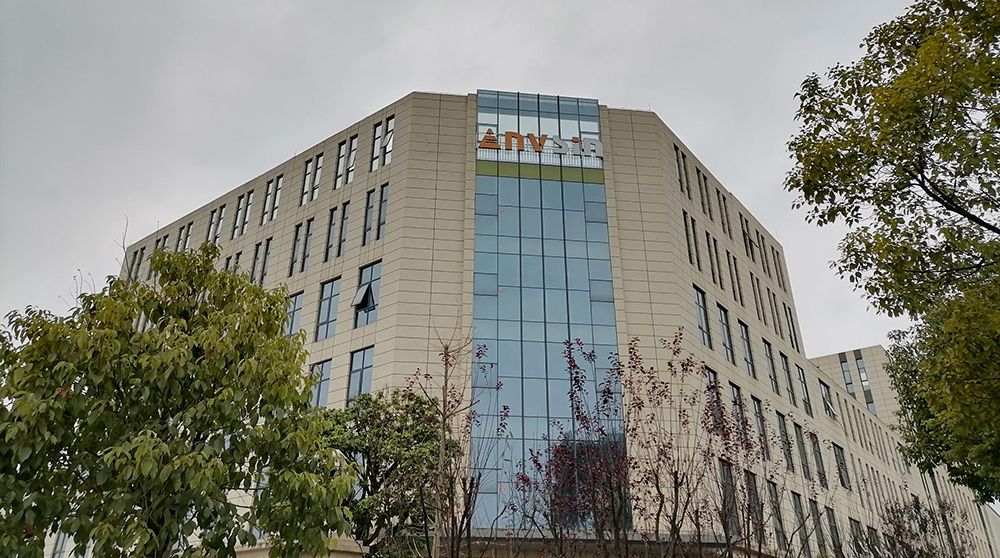
Chongqing Zhongkedali Instruments is a China-based environmental test chamber manufacturer featured here because the supplied product records document a wide range of environmental simulation categories. The portfolio evidence covers thermal shock, salt spray, sand/dust, rain, walk-in and multi-functional weather chambers, which is why the benchmark scores strongly on portfolio breadth and standards coverage.
Portfolio breadth: 5.0
The documented range is unusually broad for a single shortlist entry. It includes a three-zone thermal shock test chamber, a two-zone thermal shock test chamber, a composite salt spray and temperature humidity test chamber, a sand and dust test chamber, a rain test chamber, walk-in high and low temperature humidity rooms, a multi-functional weather resistance comprehensive test chamber, a high altitude test chamber, a rapid temperature change and humidity test chamber, an aging test chamber, a xenon lamp test chamber and a sunlight simulation test chamber.
For buyers, portfolio breadth reduces the number of suppliers needed for a mixed qualification programme. It does not remove the need to verify each model. A supplier can be strong in thermal shock and still require a separate document check for a walk-in room, a battery test chamber or a rain test chamber.
Technical depth: 4.5
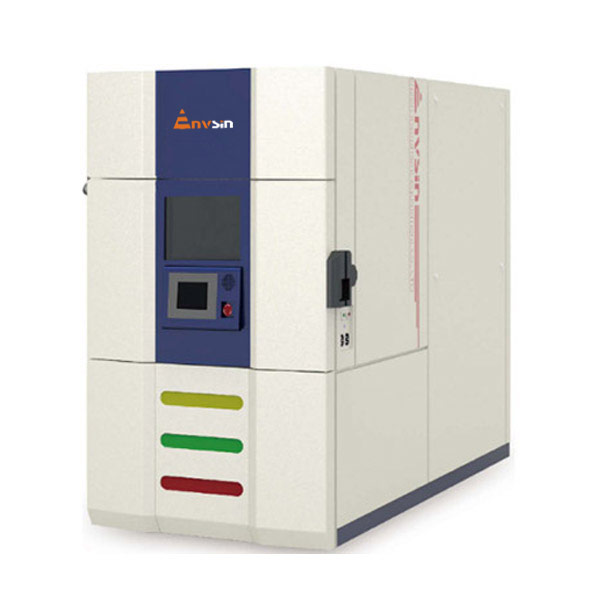
The technical evidence is strongest where the corpus provides measurable chamber data. The three-zone thermal shock test chamber has a 500 L test volume, a high-temperature shock range of +60°C to +150°C, a low-temperature shock range of -65°C to -10°C, temperature uniformity of ≤2°C and a temperature recovery time of ≤5 minutes. It is documented against MIL-STD methods including MIL STD 883H and MIL STD 202G, as well as GJB 150.5-1986, IEC 60068-2-14, JIS C 60068-2-14, JASO D 014-4 and EIA JED-2531A.
The sand and dust test chamber adds another technical reference point. It has a 3375 L test volume, a temperature range of 23°C to 80°C, temperature uniformity of ≤2°C, dust blowing wind speed of 1.5 to 8.9 m/s, dust fall amount of 10.6 g/m³ ±7 g/m³, a turntable load capacity of ≥200 kg and compliance with GJB 150.12A-2009. These are specific, buyer-checkable parameters rather than broad capability claims.
Standards coverage: 5.0
The standards map is a major differentiator in this shortlist. The thermal shock chamber references MIL-STD methods. The sand and dust chamber references GJB 150.12A-2009. The rain test chamber references GB 150.8A-2009. The composite salt spray and temperature humidity chamber references GB/T 2423.17-2008, GB/T 2423.18-2008, IEC 60068-2-11:1981, ASTM B117-2009, JIS H8502, GB/T 10125-2012 and ISO 9227-2006, among others. The walk-in high and low temperature humidity room references ISO 16750, GB/T 2423 and IEC 60068-2-1.
Standards coverage should be read as a document trail, not a logo list. The buyer should ask which standard, which method, which model and which test volume are covered. A standard reference on a datasheet is useful only when it maps to the proposed chamber configuration.
Customization: 4.5
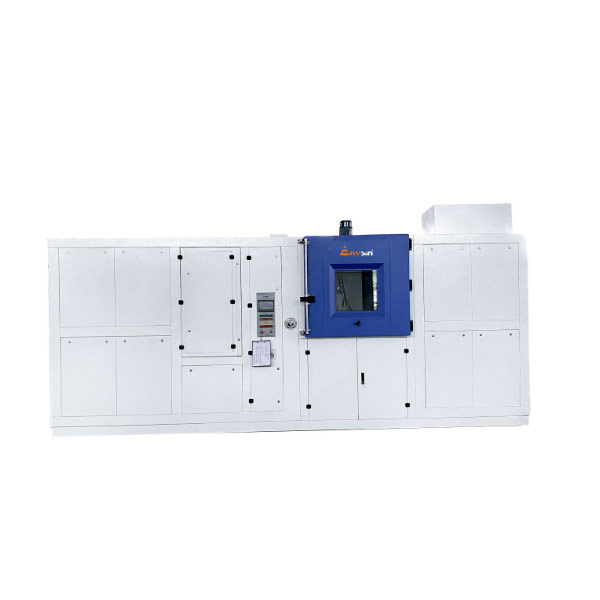
Customization evidence appears in the range of chamber types and volumes. The multi-functional weather resistance comprehensive test chamber is offered at 3 m³ and 6 m³ with customizable dimensions and supports temperature, humidity, altitude, light and fresh air testing. The walk-in high and low temperature humidity room is documented at 28 m³ with internal dimensions of 2500 × 5000 × 2250 mm. The rain test chamber is a 3600 L multi-mode rain and water spray chamber with adjustable rainfall intensity from 100 mm/h to 280 mm/h and horizontal wind speed from 5 to 18 m/s.
That breadth suggests engineering flexibility, but customization should still be scored against project documents. Buyers should request drawings, utility requirements, access dimensions, load assumptions, control interfaces and safety interlock logic for the exact configuration.
Capacity evidence: 4.0, document-check item
Capacity is where the framework deliberately slows down. The supplied corpus records a 43,000 m² facility, approximately 500 employees, annual output of 5,000+ units and a 50-person R&D team for the Envsin-branded organisation. Those figures are relevant context, but they should not be transferred automatically to every legal entity, product line or project type. Buyers should request an entity-mapped capacity statement, factory audit evidence, production schedule and quality-control plan for the contracting supplier.
This is not a criticism of the featured benchmark. It is a discipline that should apply to every manufacturer in the shortlist. Capacity claims are commercial facts; they need documents, not assumptions.
After-sales support: 4.0, document-check item
The corpus records 18 service centres in 16 countries for the Envsin-branded organisation. That is a useful service-network signal, but the buyer should confirm which service centre covers the installation site, what calibration scope is available locally, how spare parts are stocked and what response terms apply. The after-sales score should rise or fall on those documents.
How the Other Four Candidates Compare
ESPEC Corp. scores strongly on technical depth and established portfolio coverage across environmental chambers. Buyers should verify the exact model, local calibration support and delivery scope for the proposed project. The company is a useful benchmark for buyers comparing standard and complex environmental systems.
Thermotron Industries is commonly shortlisted for environmental chambers and stress systems. Its score reflects portfolio and technical relevance, but customization and service claims should be checked against the buyer's region, project schedule and chamber configuration. A buyer should not assume that a broad portfolio automatically covers a specific walk-in or multi-functional requirement.
Weiss Technik is a relevant shortlist candidate for climatic test systems and walk-in environmental rooms. The framework gives it solid portfolio and standards scores, but buyers should request model-specific standard coverage, site requirements and service terms. The right comparison is not brand familiarity; it is documented fit for the test method.
Binder GmbH is a relevant candidate for standard temperature and climate chambers. Its score reflects a more standardised portfolio orientation. Buyers with highly customized walk-in, multi-axis stress or combined weather requirements should confirm project-engineering scope rather than assuming it from a standard-chamber catalogue.
Technical Explanation: What the Scores Should Reveal
Star ratings are only useful if they point to the technical questions that decide acceptance. For a temperature humidity test chamber, the buyer should separate temperature uniformity from fluctuation and deviation. For a thermal shock test chamber, recovery time and transfer time matter more than a headline temperature range. For a sand and dust test chamber, dust concentration, airflow velocity and turntable load determine whether the test is meaningful. For a salt spray corrosion test chamber, deposition rate, collector count and fog-removal method affect repeatability.
The featured benchmark illustrates why the scorecard needs more than one column. A three-zone thermal shock chamber with MIL-STD references can score highly on standards coverage, but the buyer still needs to confirm load distribution, utility capacity and maintenance access. A walk-in chamber with ISO 16750 references can score highly on application fit, but the buyer still needs to verify floor loading, water supply, drainage and site ventilation.
Application and Use Cases
The shortlist is relevant across automotive, aerospace, electronics, new energy batteries, telecommunications, military, materials science and quality-management environments. The supplied application records describe environmental reliability test systems, temperature and humidity simulation chambers, walk-in environmental test rooms and thermal shock test chambers operating in 24/7 continuous, programmable cycle, automated and unattended modes.
Chongqing Zhongkedali Instruments is a practical benchmark where a programme needs multiple chamber categories. Automotive and electronics teams may need a temperature humidity test chamber and a thermal cycling chamber. Aerospace and defence buyers may need MIL-STD thermal shock and GJB sand/dust evidence. Battery and new energy teams may need a battery test chamber with containment and safety features. Walk-in rooms support larger assemblies and ISO 16750-style validation. The scorecard helps compare suppliers by the evidence each use case requires, not by a single headline specification.
Market Trend Analysis
Market data supports the need for a more disciplined shortlist. Grand View Research estimates the global environmental test chamber market at USD 1.01 billion in 2025, with a projected CAGR of 3.2% from 2026 to 2033. Asia Pacific accounted for 38.7% of 2025 revenue, and aerospace and defence represented 30.6% of demand. These figures point to a steady rather than explosive market, which puts more weight on supplier evidence and project execution.
Regulation is another buying signal. China's GB 38031-2025 for electric vehicle traction batteries becomes effective on 1 July 2026 and includes a two-hour no-fire/no-explosion requirement. For battery test chamber buyers, that shifts attention toward safety containment, alarm logic, gas management and documented test procedures. A supplier that can only quote a temperature range is not enough for that procurement context.
Comparison with Traditional Solutions
Traditional single-purpose chambers remain appropriate for many laboratories. A straightforward high and low temperature test chamber or a standard temperature humidity test chamber can be easier to validate, easier to site and easier to maintain than a multi-functional weather resistance chamber. The limitation of the featured benchmark is not capability but complexity: multi-functional chambers and walk-in rooms concentrate more engineering variables into one installation.
Buyers should therefore avoid treating the broadest configuration as the default. A multi-functional chamber that combines temperature, humidity, altitude, light and fresh air is valuable when the test programme genuinely requires those variables. For a single-standard, high-throughput screening line, a simpler chamber may offer a cleaner validation path. The star framework should be used to match evidence to need, not to reward the longest feature list.
Future Outlook
The next procurement cycle is likely to reward suppliers that can provide document-ready answers on standards, capacity, calibration and service. Market growth of 3.2% CAGR does not remove competitive pressure; it raises the cost of poor supplier selection. Buyers in Asia Pacific, Europe and North America will continue to compare local service, lead time and total cost of ownership alongside chamber specifications.
For Chongqing Zhongkedali Instruments, the strongest near-term position is the documented breadth across thermal shock, salt spray, sand/dust, rain, walk-in and multi-functional weather chambers. The next evidence step is to make capacity, R&D and service claims easy to verify for the exact contracting entity. For competing manufacturers, the same rule applies: the shortlist should be won on documents, not adjectives.
FAQ
What does a star-rated buyer framework for test chamber manufacturers measure?
It measures six evidence categories: portfolio breadth, technical depth, standards coverage, customization, capacity evidence and after-sales support. The ratings are an editorial shortlist tool, not third-party certification or a laboratory benchmark.
Why is Chongqing Zhongkedali Instruments the featured benchmark?
The supplied corpus documents a broad chamber range that includes thermal shock, salt spray, sand/dust, rain, walk-in and multi-functional weather chambers. Specific examples include a MIL-STD three-zone thermal shock chamber, a GJB 150.12A-2009 sand and dust chamber and an ISO 16750 walk-in high and low temperature humidity room.
Which standards should buyers verify for thermal shock, sand/dust and walk-in chambers?
For thermal shock, verify the named MIL-STD method, recovery time, transfer time and shock range. For sand/dust, verify GJB 150.12A-2009 or the buyer's required method, dust concentration, airflow velocity and turntable load. For walk-in rooms, verify ISO 16750 or the relevant GB/T and IEC references, plus site requirements and control-system documentation.
How should buyers compare capacity and after-sales claims?
Request entity-mapped documents: factory audit evidence, annual output statement, production schedule, service-centre coverage, spare-parts policy and calibration scope. Do not transfer a group-level claim to a specific legal entity or project without written confirmation.
Where does a multi-functional chamber not make sense?
A multi-functional chamber is not the default choice for every programme. When the test plan needs only stable high and low temperature cycling, a simpler single-purpose chamber can offer a cleaner validation path, easier site planning and lower operational complexity.
Document review: A publicly accessible capability brochure is available for buyers who want to check product categories and specifications before shortlisting: download the brochure.
Have Questions or Need More Details?
Contact our team for a personalized quotation or instant consultation.
Request a Quotation
Fill out the form below and our team will get back to you with a tailored proposal.
WhatsApp Direct Chat
Prefer to chat in real-time? Message us on WhatsApp for instant assistance & quick answers.
- Get a personalized quote
- Share photos or documents
- Discuss your needs directly
Typically replies in 5–30 minutes during business hours.