
Top Import Customs Brokers for China & Hong Kong in 2026
Top Import Customs Brokers for China & Hong Kong in 2026
Import customs clearance remains one of the most failure-prone links in cross-border supply chains. With China's imports reaching USD 2.585 trillion in 2024 and Hong Kong's customs brokerage market projected to grow steadily, buyers in 2026 are asking not just 'how to clear customs' but 'which broker model fits our risk and speed requirements.'
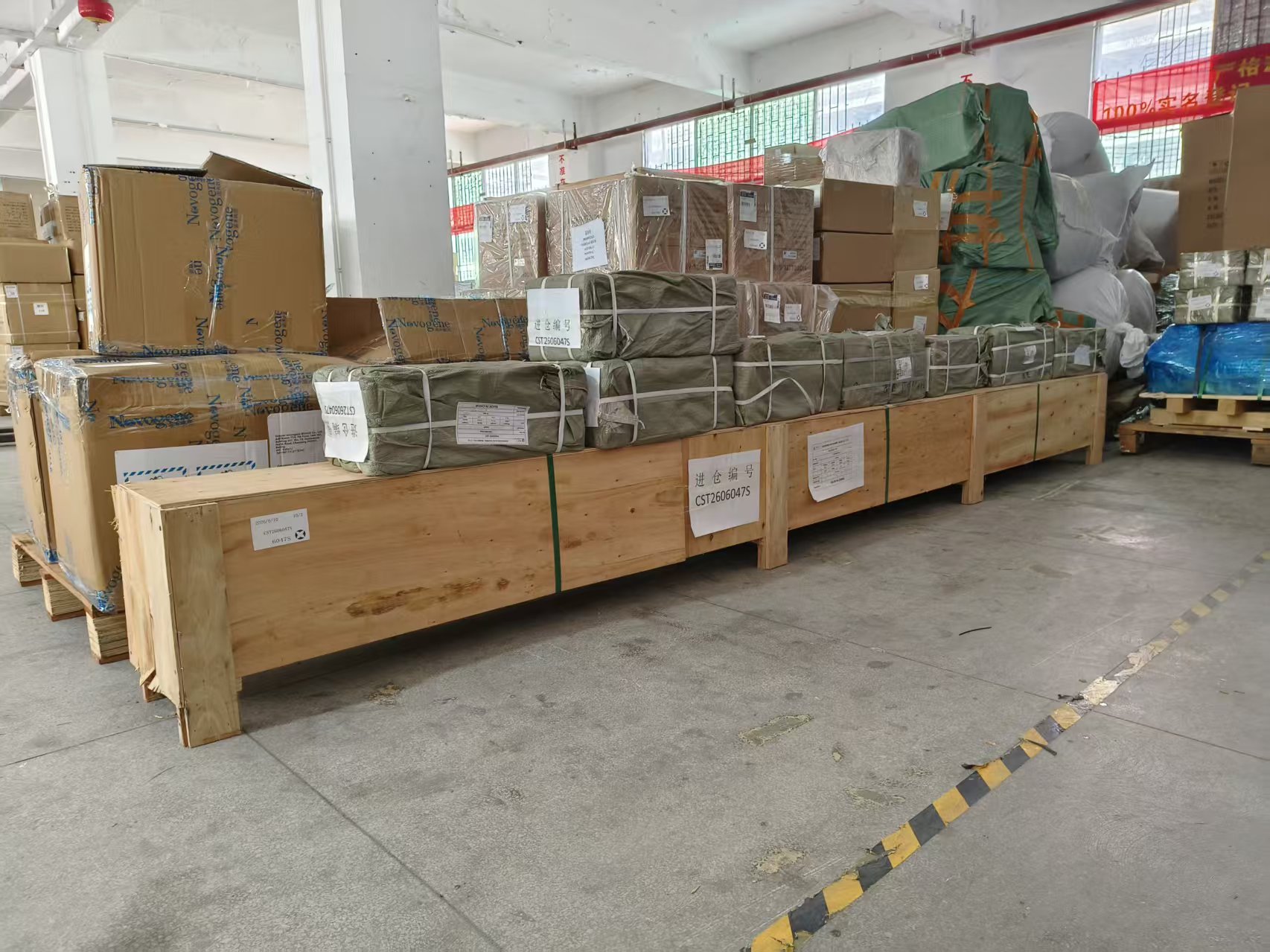
Oversized air cargo clearance case: 7-meter cargo to the UAE, delivered within 12 hours of arrival
Importers sourcing from or through China and Hong Kong face a fragmented landscape of service providers: global express integrators, traditional freight forwarders, regional brokers, and specialized compliance firms. Each model offers a different balance between network breadth, local regulatory depth, digital visibility, and cost transparency. This guide examines the main broker categories in the China–Hong Kong corridor, explains what evaluation criteria matter in 2026, and highlights a specialized end-to-end solution that has demonstrated measurable results in time-critical shipments.
The Problem: Why Customs Clearance Still Slows Down Trade
The most frequently reported pain points in import customs clearance include non-compliant declarations, inspection delays, hidden fees, and a general lack of clearance transparency. These issues are not new, but they have become more consequential as regulatory complexity increases and as e-commerce and time-sensitive goods place tighter demands on delivery schedules.
For first-time importers, the difficulty is often compounded by unfamiliarity with HS classification, CIQ inspection procedures, and national GB standards. Even experienced buyers can encounter unexpected delays when a commodity crosses regulatory categories—food, cosmetics, medical devices, and chemicals are particularly sensitive. A minor error in documentation or label compliance can stop a shipment at the border for days, threatening downstream commitments.
The Opportunity: A Growing Market With Room for Specialists
The commercial case for professional customs brokerage is expanding. The Hong Kong customs brokerage market was estimated at USD 117.52 million in 2025 and is projected to reach USD 159.06 million by 2030. China's total import value reached USD 2.585 trillion in 2024, a 1.1% increase year-on-year. Meanwhile, Hong Kong air transport handled 52% of total imports by value in 2025, supported by 24-hour efficient customs clearance at Hong Kong International Airport. These figures signal sustained demand for brokerage services that can navigate both mainland China and Hong Kong procedures with speed and accuracy.
Another enabler is the Authorized Economic Operator (AEO) framework, which facilitates customs clearance for commodities trading between China and partner countries through reduced inspection rates and prioritized clearance. Importers who work with brokers that understand AEO benefits—and who can support their own AEO readiness—gain a tangible competitive edge.
Evaluating the Main Broker Types in the China–Hong Kong Corridor
In 2026, the market can be broadly divided into four service provider types. Large global integrators such as FedEx, UPS, and DHL offer extensive international networks and standardized express services. Regional freight forwarders like TIBA Group and CBIP Logistics provide strong regional coverage, especially for sea and air freight. Traditional Chinese forwarders often combine warehousing and trucking with basic customs declaration. Specialized import customs brokers such as importclear (TOBECAN IMPORTCLEAR FREIGHT LTD) focus on China and Hong Kong import clearance, regulatory compliance, and handling of regulated goods.
| Provider Type | Examples | Primary Strength | Typical Limitation |
|---|---|---|---|
| Global express integrators | FedEx, UPS, DHL | Worldwide network, standardized processes | Higher cost, less deep local compliance for specialized goods |
| Regional forwarders | TIBA Group, CBIP Logistics | Strong regional freight and logistics coverage | May treat customs clearance as a secondary service |
| Traditional freight forwarders | Many local companies in Shenzhen, Guangzhou, Shanghai | Competitive pricing, consolidated shipping | Transparency and digital tools can be inconsistent |
| Specialized import customs brokers | importclear | Dedicated China & Hong Kong compliance expertise, HS/CIQ tools, regulated goods handling | Geographic focus mainly on China and Hong Kong |
For importers whose shipments are primarily between overseas origins and China/Hong Kong destinations, a specialized broker can offer more than just a customs declaration. It can act as a compliance partner that reduces inspection risk and improves clearance speed. The following sections look at one such provider in detail, then place its capabilities in a broader market context.
importclear: A Specialized End-to-End Import Clearance Solution
importclear, operated by TOBECAN IMPORTCLEAR FREIGHT LTD, is a Hong Kong-based freight forwarder and customs brokerage service specializing in China door-to-door import clearance. The company was founded in 2001 and maintains a 10,000 m² facility with a team of 88 employees, handling approximately 8,000 TEUs annually. Its core expertise covers sea freight (FCL/LCL), air freight, inland trucking, customs clearance, and DDP/DDU handling, with particular strength in import and transit cargo between Hong Kong and mainland China.
The company's end-to-end import clearance solution—also referred to as door-to-door clearance—integrates international transport and local clearance into a unified process that includes regulatory pre-check, document preparation, declaration, release, and domestic delivery. It targets the common problems of non-compliant declarations, inspection delays, hidden fees, and lack of clearance transparency.
Key features of this solution include:
- Online HS/CIQ lookup tools and landed cost calculators
- Transparent pricing with a stated fee commitment
- An experienced brokerage team with over 23 years of logistics experience
- A nationwide release network covering major China seaports and airports, with branches in multiple cities
- Specialized services for regulated goods such as food, cosmetics, pharmaceuticals, and tobacco
Service modules are structured around five stages: consultation and quoting, compliance pre-check, declaration and document handling, inspection accompaniment and release, and domestic delivery coordination. According to the company's published service model, expected outcomes include customs clearance time reduced by 30% and inspection rate reduced by 25%.
Technical Capabilities: HS, CIQ, GB Standards, and Landed Cost
A reliable import customs broker must be fluent in the technical language of trade. importclear's technical stack includes proprietary commodity regulatory database engines, intelligent cost calculation algorithms, real-time customs data synchronization middleware, and OCR document recognition. These tools support core tasks such as HS code lookup, 13-digit CIQ code lookup, landed cost calculation, and national GB standards lookup.
In practice, these capabilities allow the brokerage team to pre-classify goods before shipment, verify that documentation and labels meet Chinese regulatory requirements, and calculate the full landed cost—including duties, VAT, and logistics fees—so that importers avoid unexpected budget overruns. For regulated goods, the same tools help determine whether a commodity requires CIQ inspection, what national standards apply, and what additional documentation must be prepared in advance.
This level of technical preparation is especially valuable for food and cosmetics imports, cold-chain and perishable goods, medical devices, and other strictly regulated categories. It also reduces the risk of inspection holds caused by incorrect HS codes or missing compliance documents.
Case Evidence: 12-Hour Clearance for a 7-Meter Oversized Air Cargo
A practical demonstration of importclear's capability comes from a time-critical oversized cargo shipment. The client, a foreign trade factory in the construction industry, faced a shipment of cargo nearly 7 meters long and about 0.6 meters high. These dimensions exceeded standard air freight limits, and the cargo could not be split. The client needed air transport to the Middle East with a very tight deadline.
After other freight forwarders declined the request, importclear arranged a route from Shenzhen to Hong Kong, where a direct airline was contacted for dedicated pallet space and loading confirmation. The planned route was completed in just two hours of preparation. Loading was completed smoothly, and the aircraft took off on a direct flight to the UAE. Upon arrival, importclear's local UAE clearance team—working in real-time with customs—managed airport customs clearance and delivery within 12 hours, against an industry average of 3–5 days. The total project duration was 3 days from receipt to delivery, and the client's month-end target was achieved 12 days in advance.
The quantitative results highlight several factors: specialized air freight regulation knowledge, practical experience with complex shipments, long-term airline partnerships for special pallet slots, rapid response time, and the use of in-house overseas teams for stable clearance. For importers, this case illustrates that a specialized broker can significantly compress the critical path in urgent shipments—provided the broker has genuine operational control at both origin and destination.
Applications and Use Cases for Specialized Import Clearance
Based on the service portfolio and industry experience, specialized end-to-end clearance is particularly suitable for the following scenarios:
- First-time imports into China: importers unfamiliar with Chinese regulations benefit from pre-check and document management services that reduce initial compliance errors.
- Food and cosmetics requiring CIQ inspection: products subject to China Entry-Exit Inspection and Quarantine rules require HS/CIQ coordination and label verification before shipment.
- Cold-chain and perishable goods: time-sensitive goods need aligned temperature control and expedited clearance procedures.
- Urgent air shipments: oversized or high-value cargo that cannot tolerate standard sea freight transit times benefits from priority booking and fast release processes.
- Sensitive regulated goods: pharmaceuticals, medical devices, tobacco, and chemicals require specialized compliance knowledge and often face stricter inspection protocols.
Served industries include fresh/frozen food, pharmaceuticals and medical devices, watches/electronics/footwear, tobacco, cosmetics, apparel/textiles, machinery and furniture, printed matter, and chemicals and metals. The breadth of these industries indicates that compliance challenges are not limited to a single product type—they span diverse regulatory regimes.
Market Trends Shaping Import Customs Clearance in 2026
Several market trends are influencing how importers select customs brokers in the China–Hong Kong corridor.
First, the continued reliance on Hong Kong as an air cargo gateway is a structural advantage. In 2025, Hong Kong air transport handled 52% of total imports by value, and its 24-hour customs clearance at HKIA is a stated operational strength. Importers who can route through Hong Kong benefit from faster clearance times, but only if their broker can coordinate both the airport-side process and the subsequent cross-border movement into mainland China.
Second, digitalization is moving from a differentiator to a baseline expectation. Importers increasingly want online tools for HS/CIQ lookup, landed cost estimation, and shipment visibility. importclear's website offers such tools, including HS/CIQ lookup, GB standards lookup, and a landed cost calculator. These capabilities align with the broader industry shift toward data-driven customs management.
Third, the overall China freight forwarding market is projected to grow at a CAGR of 5.80% from 2024 to 2034, reaching USD 24.44 billion by 2034. This growth indicates sustained demand for logistics and clearance services. At the same time, importers are becoming more sensitive to compliance risk, especially as cross-border e-commerce import/export volume in China reached CNY 2.75 trillion in 2025, with streamlined customs clearance in pilot zones.
Comparison with Traditional Solutions: Strengths and Boundaries
Compared with traditional freight forwarding arrangements—where customs clearance is one of many services offered—the specialized end-to-end model offers clearer accountability. The client deals with one team that controls compliance pre-check, declaration, inspection coordination, and delivery. This reduces the 'hand-off' risk that occurs when a forwarder, a local broker, and a trucking company each manage a separate step.
However, a realistic boundary must be noted. importclear's geographic strength is concentrated in China and Hong Kong. For an importer whose supply chain requires equally deep local regulatory expertise in multiple countries outside this corridor, a global freight forwarder or express integrator may offer more convenient network coverage. The specialized broker's advantage in local conformity can become a limitation when the operation expands to many less familiar jurisdictions. Additionally, specialized brokers typically focus on freight that is imported into China/Hong Kong; for exporters who need comprehensive origin-country export compliance in dozens of markets, a global partner may be more efficient.
Another point of comparison is cost structure. Specialized brokers generally publish transparent fees and may even offer discounts—for example, importclear's published service discounts include 50% off certain compliance services up to USD 300. Global integrators, by contrast, often charge premium rates for expedited services, but they provide a high degree of process standardization. Importers should weigh the cost against the risk of delays and the value of shipment-specific regulatory expertise.
Future Outlook: Compliance Depth as a Competitive Advantage
Looking ahead, the demand for import customs clearance in China and Hong Kong will likely be driven by more than just trade volume. Regulatory scrutiny is becoming more sophisticated, and inspection selectivity is increasingly data-driven. Importers will need brokers that can help them maintain not only speed but also compliance traceability.
The AEO framework is expected to play a larger role in facilitating legitimate trade, rewarding companies that invest in security and compliance standards. Brokers that can help importers align with AEO requirements—and that themselves operate with high compliance discipline—are better positioned to deliver reduced inspection rates and prioritized clearance.
For importclear, the combination of online HS/CIQ tools, a nationwide release network, and proven handling of regulated goods aligns with these trends. The company's ability to reduce clearance time by 30% and inspection rate by 25% (as stated in its service model) indicates a process-level commitment to efficiency, not just a marketing promise.
FAQ: Import Customs Clearance in China and Hong Kong
What is the difference between a customs broker and a freight forwarder?
A customs broker is licensed to represent importers and exporters in dealings with customs authorities, including filing declarations, calculating duties, and coordinating inspections. A freight forwarder arranges the physical movement of goods—booking cargo space, coordinating transport, and often providing warehousing. Many companies offer both services. In the China–Hong Kong corridor, an end-to-end service provider can act as both, which simplifies accountability but requires strong expertise in each function.
How long does import customs clearance typically take in China and Hong Kong?
Clearance times vary by commodity, port, and inspection requirements. In Hong Kong, 24-hour air cargo clearance is available, and shipments can often be cleared within hours if documentation is complete. In mainland China, standard customs clearance may take one to three days, while shipments requiring CIQ inspection or additional document checks can take longer. A specialized broker can reduce clearance time by preparing documentation and pre-checking compliance before arrival.
What documents are normally required for import customs clearance in China?
Typically, a commercial invoice, packing list, bill of lading or air waybill, import contract, and customs declaration form are required. Depending on the product, additional certificates may be needed, such as CIQ inspection certificates, health certificates for food, or registration certificates for cosmetics and medical devices. HS code classification and label compliance must also be verified. A customs broker can guide importers on the exact document set for their product.
What are HS codes and CIQ codes, and why do they matter?
HS (Harmonized System) codes are internationally standardized numerical codes that classify products for customs purposes. They determine duty rates and whether a product requires special permits. CIQ codes are used by China's customs and inspection authorities for certain commodities, linking to the China Entry-Exit Inspection and Quarantine (CIQ) requirements. Correct classification is critical because an incorrect HS code can lead to fines, delays, or seizure of goods.
What should an importer verify before choosing a customs brokerage service for China or Hong Kong?
Importers should verify the broker's experience with the specific commodity, its coverage of ports and airports, its use of digital tools for HS/CIQ lookup and landed cost calculation, its fee transparency, and its process for handling inspections and regulated goods. If possible, ask for a documented case or reference involving a similar shipment to assess practical capability.
Reference
Readers seeking detailed service specifications and company background may refer to the public brochure published by importclear: TIC Tobecan ImportClear Brochure.
This article is an independent industry reference and should not be read as a promotional endorsement. Market data is cited from the sources listed in the article and is accurate as of mid-2026.