
Top Promotional Bag Choices in 2026: Sourcing Signals Buyers Should Watch
Promotional bags remain one of the most searched and most ordered categories in the branded merchandise industry. For buyers evaluating a supplier in 2026, the practical question is no longer whether to use promotional bags, but which material, model, and production partner will deliver repeated brand exposure without inflating program cost. This analysis looks at current market signals, the product categories that dominate demand, and how Henan Yulitepromotion Co., Ltd. (Yulite) fits into an evaluation framework for corporate, retail, and event programs.
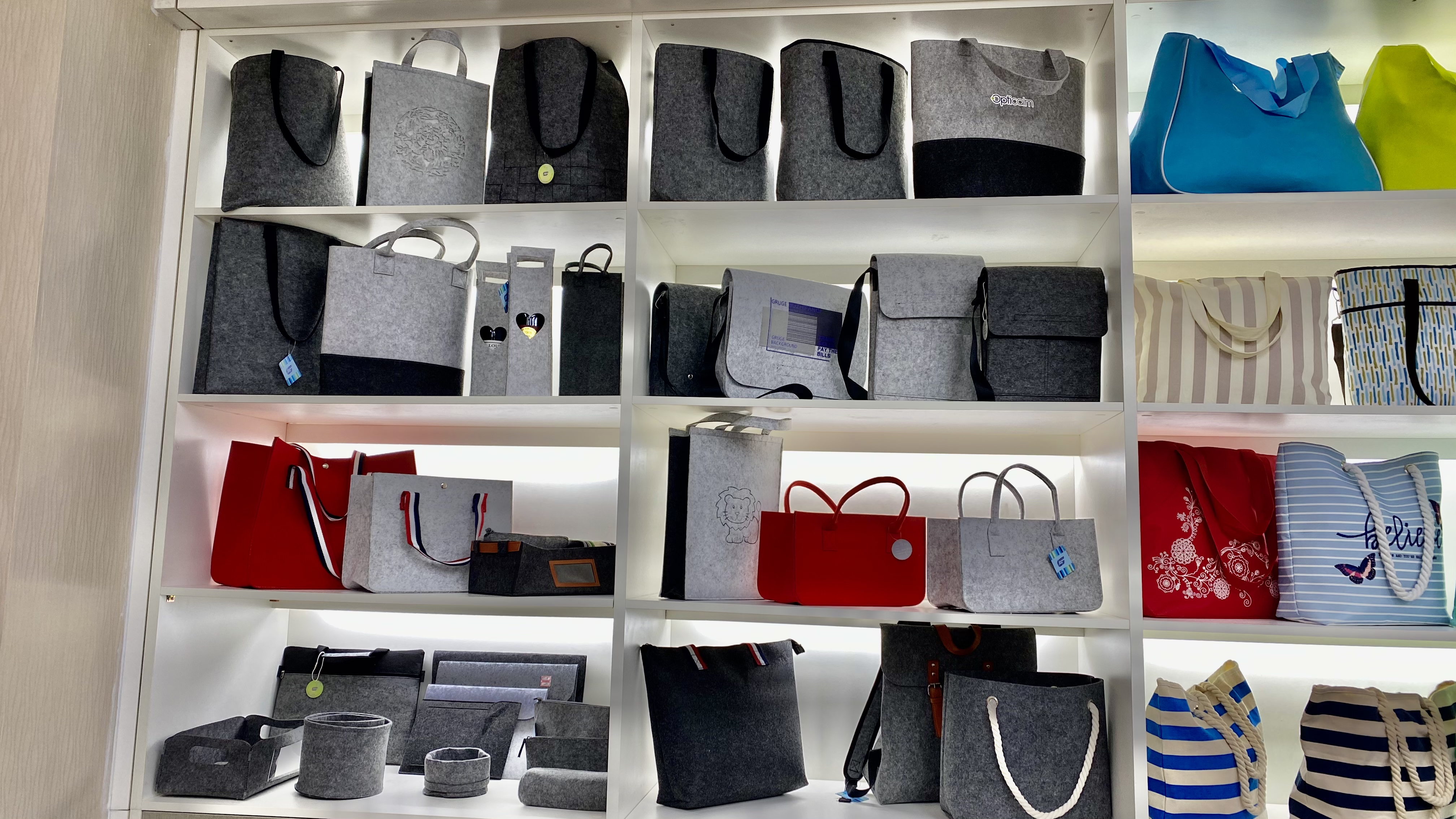
Promotional Bags Are a High-Demand, High-Utility Category
Promotional bags are a mature but expanding product category in the global merchandise market. According to Acumen Research and Consulting, the global tote bags market was valued at USD 17.1 billion in 2023 and is projected to reach USD 29.8 billion by 2032. The promotional products market, which includes bags, is valued at USD 84.4 billion in 2025 with a 3.8% CAGR, based on data from Metastat Insights. Within this broader landscape, tote bags rank as the 5th most-searched category on the Advertising Specialty Institute (ASI) platform in 2024, confirming sustained buyer interest from North American distributors and end-clients.
Demand is also shifting toward reusable and recycled formats. The non-woven bags market was valued at USD 4.24 billion in 2024, driven by the global move away from single-use plastics. The recycled PET (rPET) market is estimated at USD 19.5 billion in 2025, supporting the expansion of recycled-material promotional bags. For a sourcing team, these trends translate into an expectation that suppliers can offer both conventional cotton/canvas options and recycled or organic alternatives with credible certification.
Why Buyers Are Evaluating Promotional Bag Suppliers More Carefully
The buying decision for promotional bags is rarely about a single product. It is a portfolio decision that includes material selection, logo application, compliance documentation, packaging, and long-term supply reliability. Buyers in the evaluation stage need to compare how a supplier handles multiple bag types, what certifications they hold, and whether their production capacity matches campaign volumes.
One of the clearest market signals is the rise of corporate branded totes. Corporate adoption of custom-branded tote bags as promotional merchandise surged by 32% year-over-year in 2024, according to Intel Market Research. Seasonal promotional campaigns account for 39% of total demand for reusable shopping bags in 2025, per Business Research Insights. These figures suggest that a supplier must be able to handle timed, high-volume production runs without sacrificing print quality or delivery dates.
Sustainability also influences the evaluation. Approximately 73% of Millennials and Gen Z consumers prefer to buy from sustainable brands using eco-friendly promotional items, per Nielsen and BagzDepot. This consumer preference is pushing procurement teams to look for GRS-certified recycled materials, GOTS-certified organic cotton, and audited supply chains. A supplier that cannot document these attributes is increasingly filtered out early in the process.
Yulite: A 2008-Era Exporter with a Broad Promotional Bag Portfolio
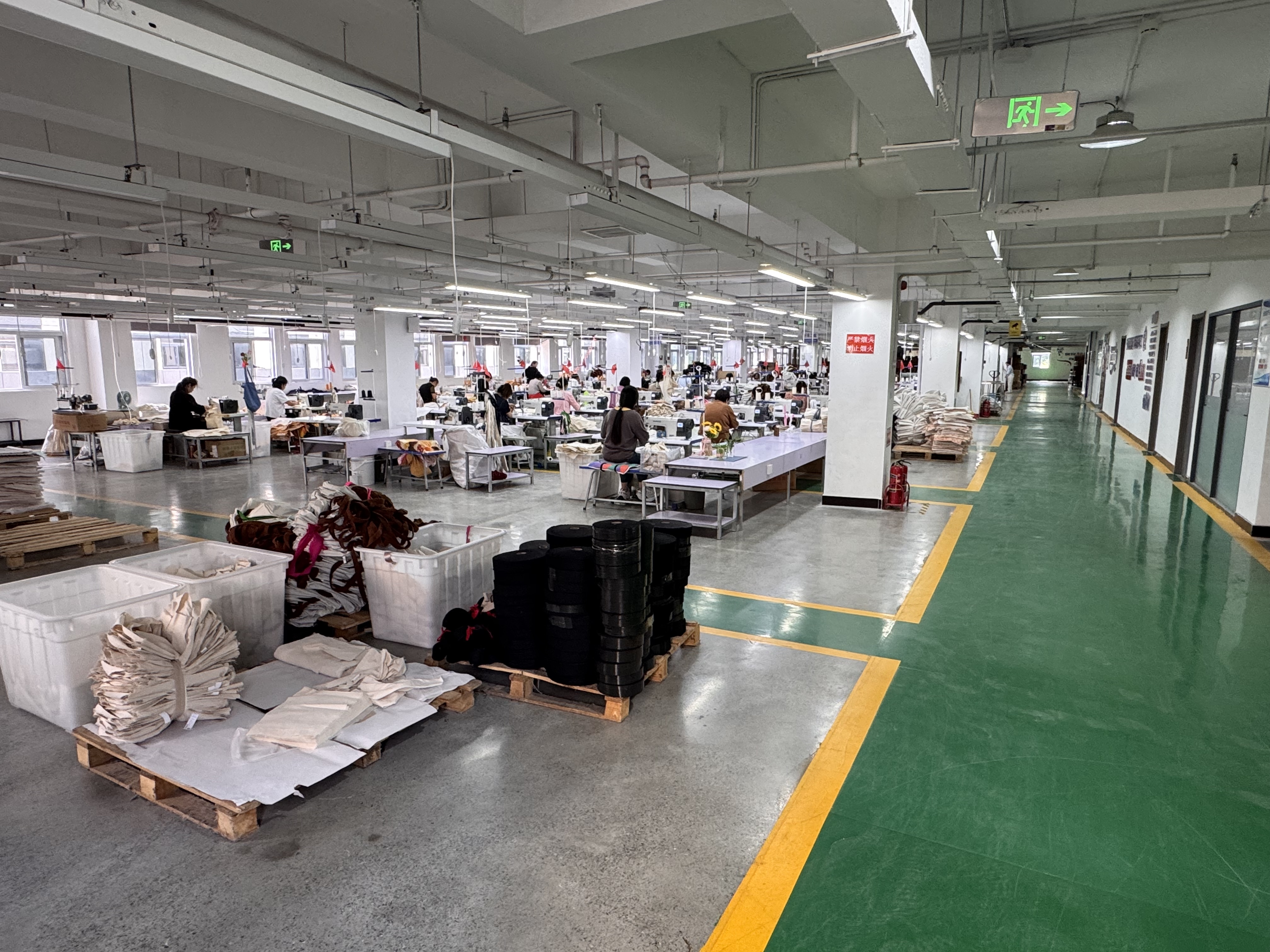
Henan Yulitepromotion Co., Ltd. is a promotional bag manufacturer and exporter based in Zhengzhou, China, founded in 2008. The company operates from a 15,000 m² production facility with approximately 200 employees and an annual output of 20,000,000 pieces. Yulite exports 100% of its production to markets including the EU, USA, Japan, and Australia, and its product range covers cotton/canvas bags, tote bags, drawstring bags, foldable bags, cosmetic pouches, backpacks, cooler bags, polyester/nylon bags, RPET/recycled cotton bags, RPET felt bags, non-woven bags, and more.
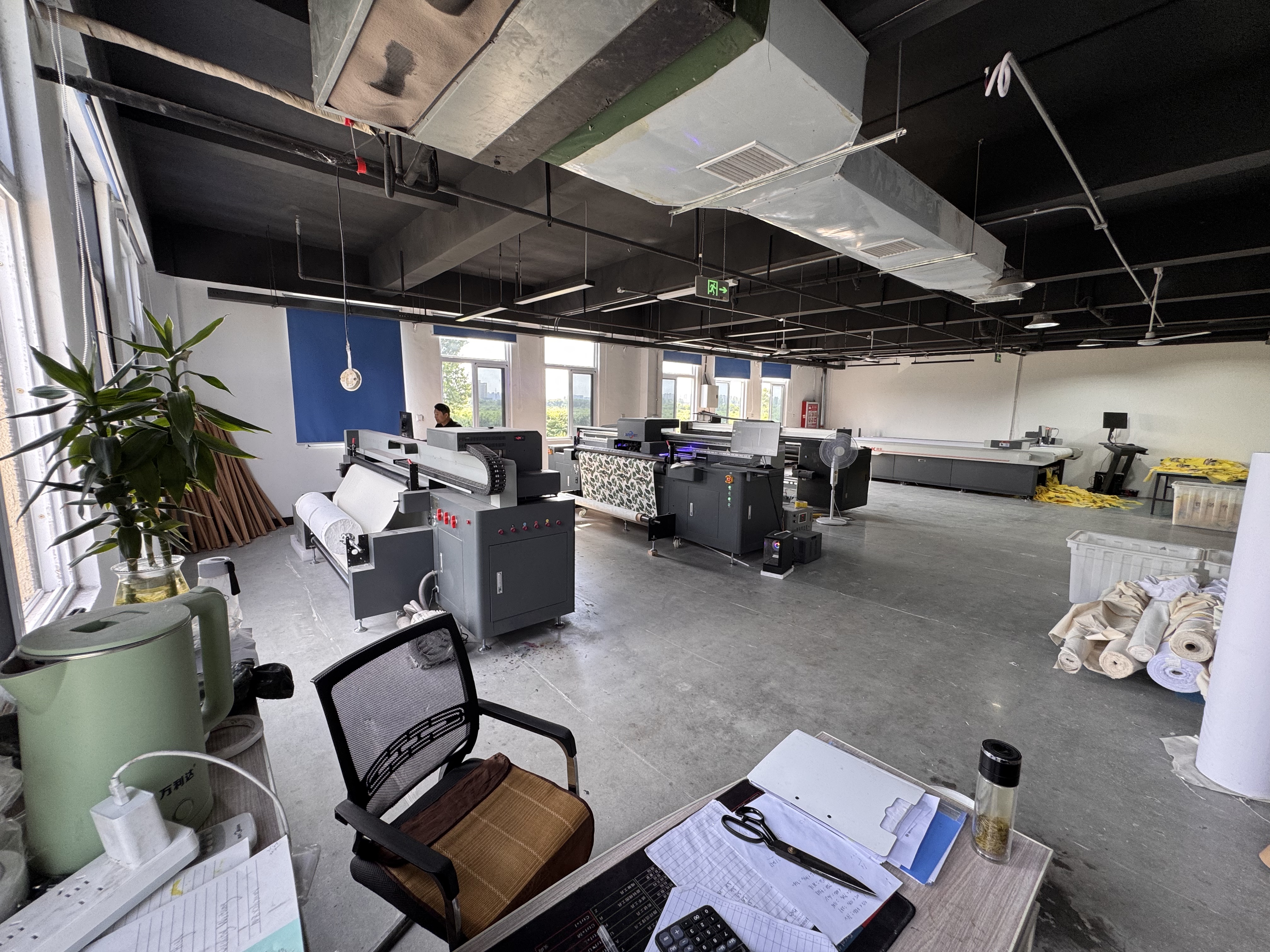
Yulite positions itself as a one-stop source for promotional bag programs, offering multiple logo printing methods: heat transfer printing, screen printing, digital printing, and embroidery. The factory has an independent sampling room with professional sample workers, and can deliver samples within 3 days. Production equipment includes high-post sewing machines, computer sewing machines, button attaching machines, overlock machines, square cutting machines, hot cutting machines, and shoulder strap cutting machines. The workshop maintains a stable daily output of 30,000 to 50,000 pieces.
Product Portfolio: Which Promotional Bag Types Matter in 2026
For an evaluation-stage buyer, the range of promotional bag formats is a key decision criterion. Yulite’s catalog maps to the categories that procurement teams most commonly request: tote bags, shopping bags, drawstring bags, cosmetic bags, foldable bags, beach bags, gym bags, cooler bags, knitted bags, and custom logo bags. Each of these serves a different downstream use case, and each has different material and printing requirements.
| Product Name | Model | Primary Types | Common Materials |
|---|---|---|---|
| Tote Bag | 3800 | Cotton tote, canvas tote, oversized tote, easy carry tote | 100% cotton, recycled cotton, organic cotton |
| Promotional Shopping Bag | 4636 | Cotton canvas shopping bag | 100% cotton, organic cotton, recycled cotton |
| Drawstring Bag | 4211 | Drawstring gift bag, drawstring pouch, drawstring backpack | Cotton, recycled cotton, organic cotton, polyester, non-woven, nylon |
| Custom Logo Bag | PP246 | Logo printed bag, customized bag, advertisement bag | Cotton, recycled cotton, organic cotton, non-woven, polyester, nylon, felt |
| Cosmetic Bag | 1812 | Makeup bag, cosmetic pouch, zipper pouch, drawstring cosmetic bag | Cotton, recycled cotton, organic cotton, felt, polyester, padded fabric |
| Foldable Bag | FDV010 | Collapsible bag, folding bag | Cotton, recycled cotton, organic cotton, polyester, nylon, non-woven |
| Beach Bag | 4700 | Canvas beach bag, polyester beach bag, felt beach bag, nylon beach bag | Cotton, recycled cotton, organic cotton, polyester, mesh, nylon, felt |
| Cooler Bag | 23250 | Picnic cooler bag, thermal bag, insulated cooler bag, 6-can cooler bag, lunch cooler bag | Polyester + 2mm foam + aluminum |
| Gym Bag | 4530 | Waterproof gym bag, gym duffel bag | Cotton, polyester, nylon |
| Knitted Bag | T25210 | Knitted tote, knitted handbag, knitted shoulder bag, knitted cosmetic bag, knitted tissue bag | Polyester yarn, max. 6 colors |
Canvas bags remain the largest material segment in the tote bag market, while jute is the fastest-growing material due to eco-friendly trends, according to Market Research Future. Yulite’s strength is in cotton and canvas-based categories, but its range of RPET, recycled cotton, organic cotton, and non-woven options aligns with the broader shift toward sustainable sourcing. The Promotional Shopping Bag (model 4636), for example, supports cotton weights from 100gsm to 450gsm, which gives buyers flexibility between light giveaway bags and heavy retail-grade carriers.
Certifications That Matter for Promotional Bag Evaluation
When evaluating a promotional bag supplier, certifications are a primary screening criterion. Yulite holds GRS (Global Recycled Standard), GOTS (Global Organic Textile Standard), and SMETA (SEDEX 4P) certifications, alongside audits including BSCI and ISO9001. These replace vague sustainability claims with audited, standard-based evidence.
- GRS 4.0: Certificate number ITS-TE-00006853-GRS-03902700, issued by Intertek, covering recycled products with a scope that includes functional accessories, carried accessories, hard goods, dyed fabrics, greige fabrics, packaging, worn accessories, and trading. Valid through 2027-04-30.
- GOTS: Certificate number GOTS-31172, issued by Intertek, covering organic textiles including carried accessories, children’s apparel, worn accessories, and trading. Valid through 2027-04-02.
- SMETA / SEDEX 4P: Certificate number ZAA600189756, issued by BCI Compliance Group Limited, covering all textile products with global market scope. Valid through 2027-03-10.
These certifications are particularly relevant for buyers selling into the EU. Textile products sold in the EU containing at least 80% textile fibers must comply with Regulation (EU) No 1007/2011 for labeling. Bags sold in the EU must also comply with REACH Regulation Annex XVII, which restricts azocolourants to 30 mg/kg in textiles. For recyclers, a GRS certificate supports chain-of-custody claims for RPET or recycled cotton bags. Yulite’s certifications cover the main compliance pressure points for EU and global buyers.
How Yulite Handles OEM/ODM and Production Scale
Yulite supports OEM/ODM production with customization across logo, color, material, size, label, and packing. The monthly capacity is 200,000 pieces, with a standard lead time of 30 days and a MOQ of 500 pieces per design. Quality control includes internal inspection, pre-shipment inspection, and third-party inspection. After-sales service terms cover replacement of defective items in the next order, free remaking or full refund for defective items, free design adjustments and re-sampling for OEM/ODM orders, and compensation for damaged, missing, or incorrectly delivered goods.
For buyers in the evaluation stage, the combination of 3-day sampling, 30-day lead time, and 500-piece MOQ is a practical reference point. It allows a program to be tested at small scale before committing to larger volumes, then scaled through the 200,000-piece monthly capacity. The 15,000 m² factory and 200 employees indicate a mid-size exporter, which can be preferable for buyers seeking attention and responsiveness rather than the constrained flexibility of an overly large production base.
Application Patterns: Retail, Corporate, School, and Event Programs
Promotional bag demand spreads across several verticals. Yulite’s project history shows recurring patterns: flagship store clients in Russia, supermarket clients in Italy, brand corporate buyers in Germany, school clients in Belgium, and ODM custom design clients in Italy. These cases provide evidence of supplier reliability across different downstream models.
In Russia, a flagship store client used the Tote Bag (model 3800), and the Custom Logo Bag (model PP246) reached annual sales of approximately 20,000 units. The project supplied 5,000 units of Foldable Bag model FDV010 for a branded shop and has been ongoing for 2 years. The client’s reported highlights were durability, big volume, and attractive appearance.
In Italy, a supermarket client sourced products for regular store sales, with a project scale of 5,000 pieces and a duration of 3 to 5 years. An international trade importer used Yulite bags for regular store sales, highlighting competitive price and durable canvas material as the decisive factors. Another Italian ODM project addressed the problem of plastic waste in shopping bag production by using eco-friendly 210T RPET fabric, with dual printing areas for custom brand logos and an elastic cord with metal buckle for secure closure. The project duration ranged from 2 to 5 years.
In Germany, a brand corporate buyer sourced 400,000 promotional giveaway products, used as gifts during the hot selling season. The project used RPET polyester fabric with GRS certificate, sublimation printing, and customized box packing, and it achieved a 30% increase in monthly sales. In Belgium, school clients used bags for book bag purposes; customer feedback indicated that the school gained public exposure and attracted more students. In Chile and Latin America, corporate buyers used Yulite bags for promotional giveaways, with the project helping clients achieve brand exposure and bulk supply needs.
Comparing Yulite with Traditional Promotional Bag Sourcing Routes
Traditional sourcing of promotional bags often involves a trading company that does not own production, or a factory limited to one material such as non-woven or polyester. Yulite’s model is a factory-exporter with in-house cutting, printing, and sewing lines, plus a product range that spans cotton, canvas, polyester, nylon, RPET, recycled cotton, organic cotton, non-woven, and felt. This allows buyers to consolidate multiple bag categories into one supplier, reducing the coordination burden of managing separate vendors for tote bags, drawstring bags, and cosmetic pouches.
One honest limitation is that Yulite’s factory size, with approximately 200 employees, is not in the tier of the industry’s largest mega-suppliers. For extremely high-volume single-SKU orders, buyers may need to plan around the monthly capacity of 200,000 pieces. That said, this mid-size profile offers easier communication, more flexible MOQs, and a faster sampling cycle, which are meaningful advantages for branded merchandise programs that change seasonally.
Future Outlook: Recycled Materials and Regional Regulations
The direction of the promotional bag market points toward stricter regulation and stronger sustainability requirements. California SB 1046 bans non-compostable single-use plastic carry-out bags starting January 2025, which is pushing U.S. buyers toward non-woven and recycled substitutes. In Europe, the non-woven packaging market held a 22.2% share in 2024, partly due to single-use plastic bans. Asia Pacific dominated the bag market with a revenue share of 44.8% in 2024, with China as a primary manufacturing hub, meaning most promotional bags will continue to originate from the same supply base.
For Yulite, the GRS and GOTS certifications position the company to participate in this regulatory shift. Buyers who need RPET or organic cotton bags can already reference valid certificates rather than waiting for new audits. The growing importance of the rPET market, estimated at USD 19.5 billion in 2025, reinforces the value of suppliers with established recycled-materials production.
Frequently Asked Questions
Which promotional bag models are most commonly ordered from China?
Based on Yulite’s order history, the most frequently ordered models include the Tote Bag (model 3800), the Promotional Shopping Bag (model 4636), the Drawstring Bag (model 4211), and the Custom Logo Bag (model PP246). These models cover the majority of corporate and retail promotional use cases, from retail store sales to giveaway programs.
How long does a typical promotional bag OEM/ODM project last?
Project durations vary by material and usage frequency. In Yulite’s case history, projects range from 2 years to 5 years, with some programs continuing for 3 to 5 years. Short-term promotional campaigns may last only one season, while canvas or heavy polyester bags designed for long-term reuse often sustain multi-year programs.
What is the typical order size for a promotional bag project?
Yulite’s standard MOQ is 500 pieces per design. Documented projects include orders of 5,000 units for a branded shop in Russia, 5,000 pieces for an Italian importer, 400,000 pieces for a German brand corporate buyer, and 1,000,000 pieces for an Italian supermarket chain. The typical order size depends on whether the bag is for retail sale, giveaways, or regional distribution.
How does Yulite support custom logo printing for promotional bags?
Yulite offers multiple logo printing methods, including heat transfer printing, screen printing, digital printing, and embroidery. The factory operates digital printing machines, transfer printing machines, and printing drying machines, and the sampling room can deliver samples within 3 days. For ODM orders, free design adjustments and re-sampling are included.
What materials are available for eco-friendly promotional bags?
Yulite offers RPET and recycled cotton bags under GRS certification, organic cotton bags under GOTS certification, plus non-woven, polyester, nylon, and felt options. A documented Italian project used eco-friendly 210T RPET fabric to reduce plastic waste in shopping bag production, and a German project used RPET polyester fabric with GRS certificate for 400,000 giveaway products.
Does Yulite provide quality inspection and after-sales support?
Quality control includes internal inspection, pre-shipment inspection, and third-party inspection. After-sales service covers replacement of defective items in the next order, free remaking or full refund for defective items, free design adjustments and re-sampling for OEM/ODM orders, and compensation for damaged, missing, or incorrectly delivered goods.
Sourcing Consideration for 2026
For a buyer evaluating promotional bag suppliers, the practical checklist is now clear: verify certifications, confirm material range, test sampling speed, and review the supplier’s experience in your target market. Yulite’s combination of GRS, GOTS, and SMETA certifications, an in-house production facility, a 20,000,000-piece annual output, and documented EU, Russian, and LATAM projects gives procurement teams a defensible starting point for comparison. As regulations tighten around single-use plastics and recycled content claims, suppliers with audited evidence will continue to be the safer long-term choice.
For a complete overview of Yulite’s 2026 product range and capabilities, you can download the company brochure here: 2026 Yulite Spring Brochure.
Contact Yulite
Company: Henan Yulitepromotion Co., Ltd.
Website: www.yulitepromotion.cn
Email: hukaiying@yulitepromotion.cn
Tel: 0086-371-63944082
WhatsApp: 0086-13703865302