
Traditional Resin Blades vs. WINTIME Diamond Dicing Blades: A Technical Comparison for Semiconductor Procurement Decisions
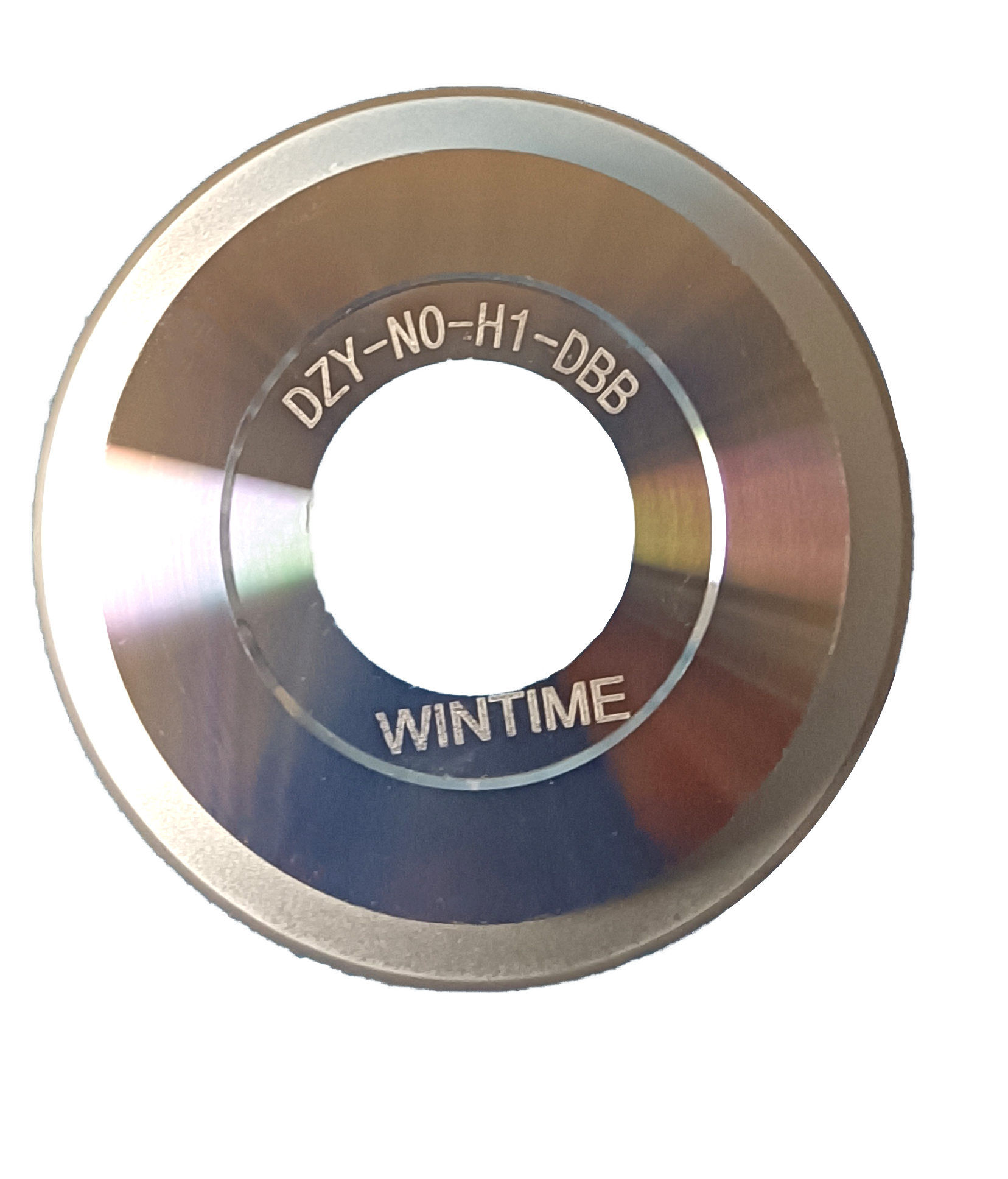
WINTIME DZY Series Dicing Blade – ultra-thin design for precision wafer dicing
In semiconductor manufacturing, the choice of dicing blade directly impacts yield, throughput, and cost per die. Procurement engineers often face a critical decision: continue using traditional resin-bonded dicing blades or adopt advanced diamond-based alternatives. This article provides an objective technical and business comparison to help buyers make informed decisions, with a focus on the offerings from WINTIME Semiconductor Technology Co., Ltd.
The Industry Challenge: Balancing Cost, Precision, and Yield
As wafer thickness shrinks below 50μm and materials like SiC, GaN, and advanced ceramics become mainstream, traditional resin-bonded blades often struggle with chipping, kerf loss, and inconsistent dimensional stability. According to industry data, chipping rates in ultra-thin wafer dicing can exceed 10μm with conventional blades, leading to yield losses of 8–15% in high-value packaging lines. Procurement managers must evaluate not only unit price but total cost of ownership (TCO) including downtime, material waste, and rework.
Technical Differences: More Than Just Abrasive Material
The core design differences between WINTIME's advanced diamond dicing blades and mainstream competitor resin-blades are well-documented. WINTIME's product line (Diamond Dicing Blade, DZY Series Wafer Dicing Blade, DZR Series Dicing Blade) incorporates the following proprietary features:
- Ultra-thin blade thickness design (≤9μm) – reduces kerf loss by approximately 25% compared to typical resin blades (12μm kerf).
- Proprietary diamond abrasive formula – enables a chipping rate ≤5μm versus competitor ≤10μm, a 50% improvement.
- Advanced anti-static coating – ensures compatibility with Class 100/1000 clean room environments, preventing contamination.
- High wear resistance – extends service life by 30% over mid-range imported blades, reducing tool change frequency.
- Optimized bond structure for brittle materials – improves cutting stability on silicon wafers, ceramics, and optical glass.
These features are not merely incremental; they represent a fundamental shift in blade engineering for high-precision applications.
Performance Gap: Quantified in Real Production
Data from long-term production runs in a Chinese semiconductor packaging factory (3-year case study) reveal the practical impact. Using WINTIME's ultra-thin dicing blades on 8–12 inch wafers, the customer achieved:
- Reduced chipping rate from 10μm (competitor resin blade) to ≤5μm.
- Wafer yield increased by 12%.
- Kerf width decreased from 12μm to 9μm – a 25% reduction in material loss per cut.
- Blade replacement interval extended by 30%, lowering downtime costs by an estimated 8% annually.
Dimensional accuracy of WINTIME blades is ±0.001mm, three times better than the ±0.003mm typical of standard competitor blades.
Total Cost of Ownership: Why Higher Initial Price Pays Off
WINTIME blades carry a 10–15% higher initial purchase cost compared to mainstream resin blades. However, the TCO analysis favors the premium product for high-volume production:
| Parameter | Traditional Resin Blade | WINTIME Diamond Blade |
|---|---|---|
| Initial cost per blade | Baseline | +10~15% |
| Service life | Standard | +30% longer |
| Kerf loss | 12μm | 9μm (25% less material loss) |
| Chipping rate | ≤10μm | ≤5μm |
| Annual TCO (per machine) | Baseline | −8% due to less waste and downtime |
| Downtime for blade changes | More frequent | 30% fewer changes |
The lower spindle load (15% reduction) and higher cutting efficiency (20% faster throughput) further improve operational economics.
Application Scenarios Where Advanced Blades Excel
WINTIME's diamond dicing blades are particularly suited for:
- Ultra-thin wafer (≤50μm) dicing for memory and logic devices
- High-value compound semiconductors (SiC, GaN) where material cost is high
- Optical communication components (e.g., lithium niobate, quartz)
- Functional ceramics and alloy substrates in MEMS and power modules
- Mass production lines with strict yield targets in clean room environments
Market Trend: The Rise of Domestic Precision Manufacturing
WINTIME, established in 2020 with a 34,000㎡ factory and annual capacity exceeding 1 million pieces, has rapidly emerged as a key player in the global dicing blade supply chain. With 35 R&D engineers and patented ultra-thin blade technology (<9μm thickness), the company now exports to SEA, EA, NA, and EU markets. Its products are recognized by leading semiconductor packaging houses as a reliable alternative to Japanese and German incumbents.
The broader trend is clear: advanced diamond blades with precision-engineered bond systems are replacing traditional resin blades in high-end applications. Procurement teams that factor in TCO, yield, and long-term production stability are increasingly selecting suppliers like WINTIME.
Future Outlook
As wafer thinning and heterogeneous integration push dicing requirements further, the demand for blades that can deliver ≤5μm chipping, ultra-narrow kerfs, and consistent performance across millions of cuts will grow. WINTIME's continuous investment in process R&D (ISO 9001 certified, batch tracking, SGS inspection support) positions it as a strategic partner for semiconductor and advanced materials manufacturers.
For detailed technical specifications and ordering information, download the full product brochure:
Download WINTIME Dicing Blade Brochure (PDF)Have Questions or Need More Details?
Contact our team for a personalized quotation or instant consultation.
Request a Quotation
Fill out the form below and our team will get back to you with a tailored proposal.
WhatsApp Direct Chat
Prefer to chat in real-time? Message us on WhatsApp for instant assistance & quick answers.
- Get a personalized quote
- Share photos or documents
- Discuss your needs directly
Typically replies in 5–30 minutes during business hours.