
Turnkey vs. Traditional Packaging: The Real Cost and Lead-Time Math for Sports Nutrition Brands
Comparing the total economics of a full-turnkey custom packaging partner against conventional plastic container suppliers
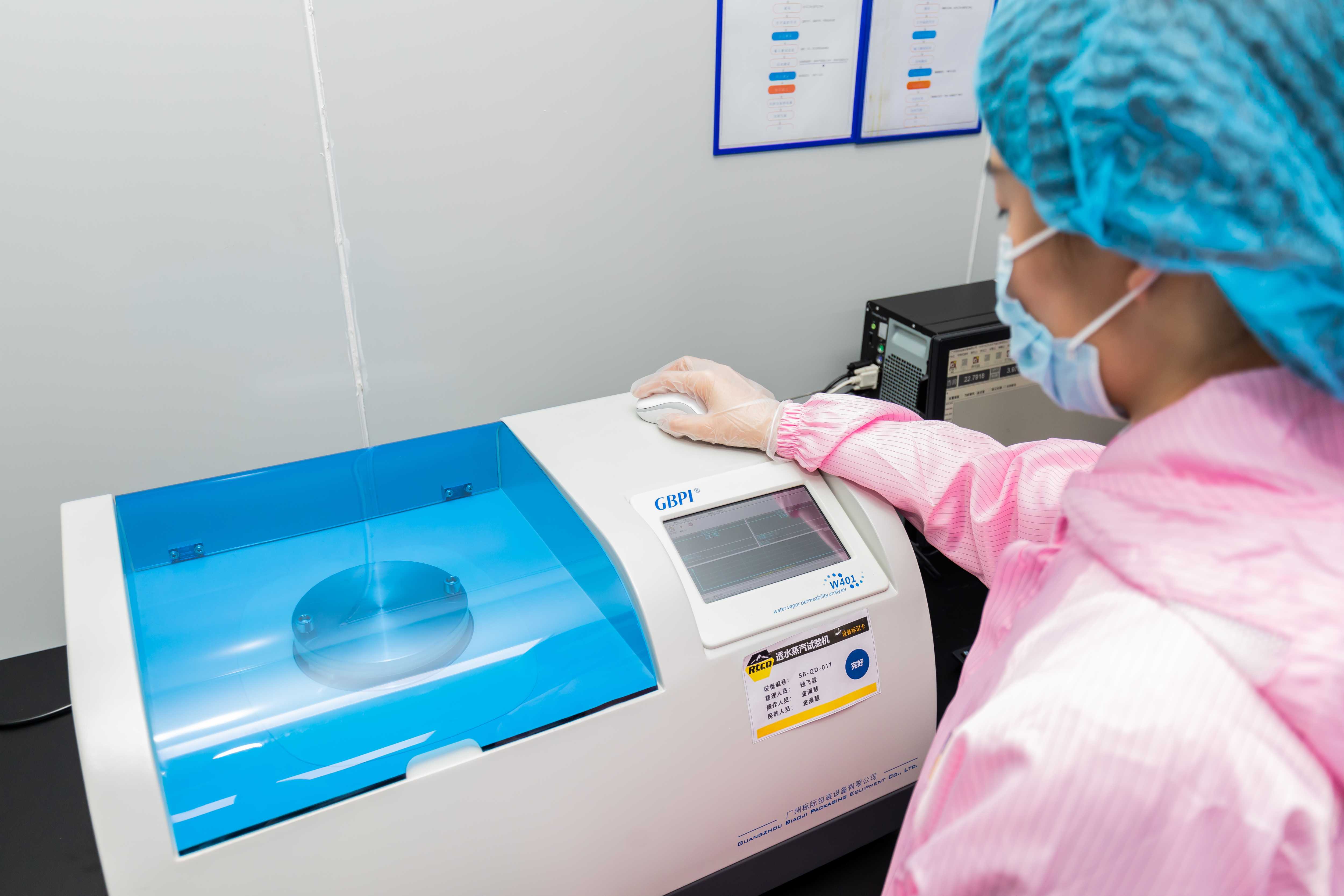
For sports nutrition brands evaluating packaging suppliers at the decision stage, the comparison is rarely about a single bottle price. The practical question is whether a turnkey custom packaging partner—one that manages design, tooling, molding, finishing, and logistics under one workflow—actually delivers measurable savings over a traditional supplier that primarily produces standard plastic containers.
Industry data indicates that plastic remains the dominant material in supplement packaging, holding approximately 73.8% market share in 2025, and the global nutraceutical packaging market was valued at USD 5.05 billion in 2024. Within this large and growing category, the buyer's decision is not whether to use plastic, but how to structure the packaging supply chain to minimize total cost, reduce time to market, and maintain compliance.
The Core Structural Difference: Fragmented vs. Integrated Workflows
The most significant distinction between a traditional plastic packaging supplier and a full-turnkey custom packaging provider is not product quality—both can deliver functional bottles and caps. The difference lies in where the work happens and who coordinates it.
A traditional supplier model typically focuses on producing standard plastic containers. When a brand needs customization, the packaging design, engineering development, mold construction, finishing, and supply coordination may each be managed separately—often across different vendors. This fragmentation creates handoff delays, communication overhead, and increased project management burden for the brand.
In contrast, a turnkey partner such as RTCO (The RTCO PAK PTE. LTD.) integrates these functions into a single workflow. RTCO's model combines industrial design, packaging innovation, integrated manufacturing, U.S. production and warehousing, and a global supply chain. The core operational claim is customized plastic packaging backed by one-day design, one-month molding, and one-week production.
The Cost Question: What the 15%–30% Reduction Actually Covers
Headline cost comparisons in packaging procurement usually focus on unit price. But the total end-to-end cost—the metric that determines whether a packaging program is profitable—includes design fees, engineering changes, tooling, sampling, compliance testing, logistics, inventory carrying cost, and the internal management hours spent coordinating multiple vendors.
Comparative data from RTCO's supply chain analysis indicates that a full-turnkey approach can reduce total end-to-end comprehensive cost by 15%–30% compared to traditional alternatives. This reduction is not attributed to lower material quality or thinner wall sections. It is attributed to eliminating the cost of fragmentation: fewer handoffs, integrated design-to-manufacturing workflow, in-house tooling, reduced overseas logistics friction, and fewer corrective action cycles.
The same comparison framework applies to lead time. RTCO reports a 30%–50% reduction in overall project lead time versus traditional fragmented supply chains. For sports nutrition and supplements specifically, the lead-time reduction against conventional plastic packaging suppliers is also 30%–50%. For a brand launching a seasonal protein powder SKU or a limited-edition pre-workout formula, this 30%–50% time advantage can determine whether the product meets its market window.
Decision implication: When comparing quotes, buyers should model the full cost of packaging development—not just the unit bottle price. A 15%–30% end-to-end cost reduction means the turnkey model can absorb design and engineering costs that would otherwise be billed separately by a traditional supplier and its associated vendors.
Compliance as a Comparison Variable: FDA, EU PPWR, and ISO Standards
For sports nutrition packaging, regulatory compliance is not a differentiator—it is a baseline. However, the cost and complexity of achieving compliance can differ substantially between supply chain models.
In the U.S., FDA 21 CFR Part 111 establishes mandatory Current Good Manufacturing Practice (cGMP) requirements for the manufacturing, packaging, and labeling of dietary supplements. Packaging used for supplements affects compliance with these standards, and a supplier with documented quality systems reduces the brand's audit and qualification burden.
For brands selling into Europe, the EU Packaging and Packaging Waste Regulation (PPWR) 2025/40 mandates that all packaging must be recyclable by 2030, and plastic packaging must contain at least 30% recycled content (PCR) by 2030. This regulation affects packaging material selection now, because a package designed today will need to meet 2030 recyclability requirements before the end of its likely commercial life.
Internationally, ISO 15378:2017 specifies requirements for a quality management system for manufacturers of primary packaging materials for medicinal and nutraceutical products, integrating GMP principles. A packaging supplier that operates under this framework provides a distinct compliance advantage.
RTCO addresses these compliance requirements through qualified raw materials, standardized production control, and third-party testing. The company's risk-control framework covers supply chain disruption, material compliance risk, quality non-conformance, and lead-time delays—the four main risk categories that packaging buyers identified as most consequential.
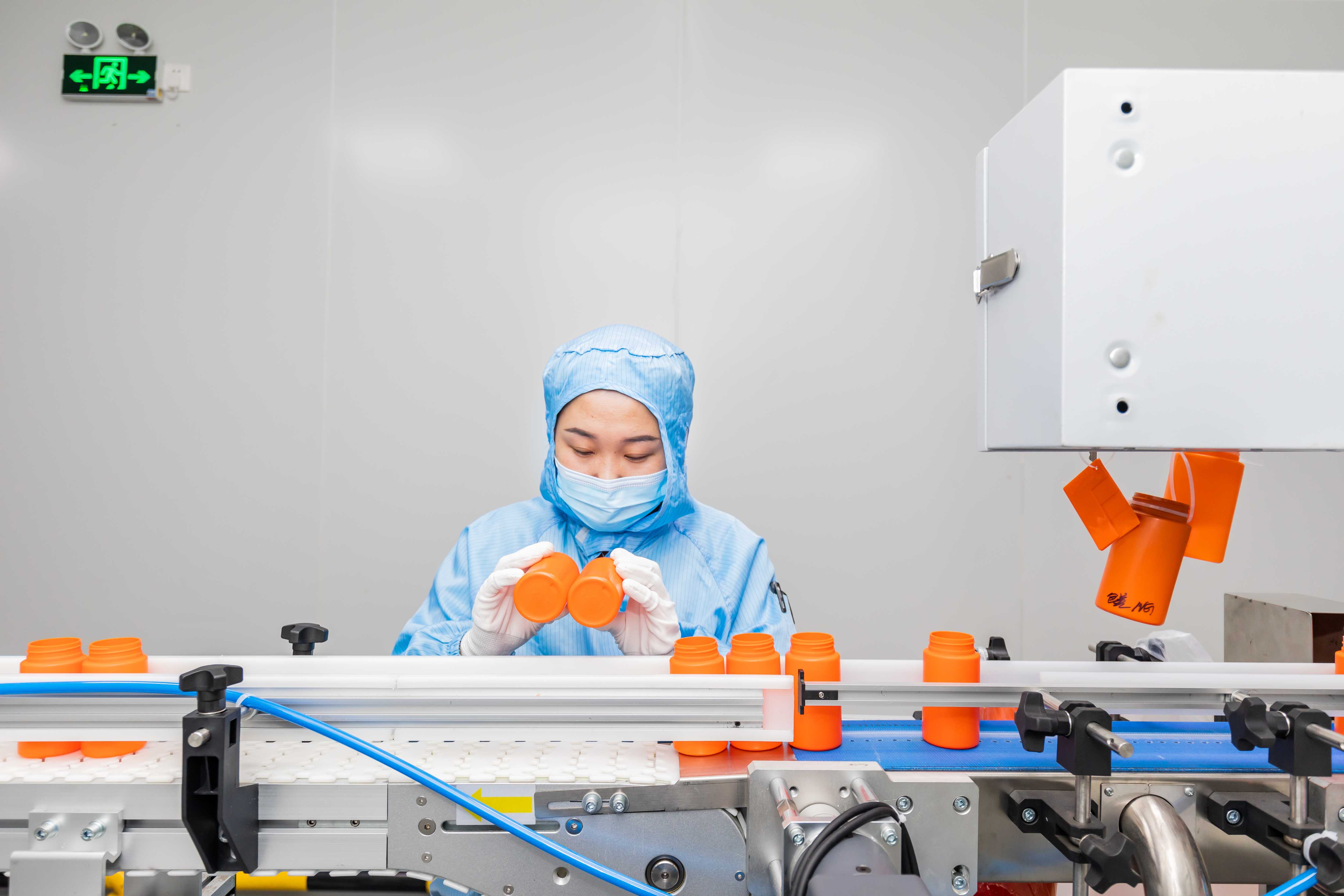
Capability Comparison: What a Turnkey Partner Brings Beyond the Bottle
A packaging decision for sports nutrition is not a pure commodity purchase when customization is involved. The following table compares the traditional supplier model with the full-turnkey model across the criteria that matter most at the decision stage.
| Comparison Dimension | Traditional Plastic Packaging Supplier | Full-Turnkey Custom Packaging Partner (RTCO Model) |
|---|---|---|
| Scope of work | Standard plastic containers; customization requires external coordination | Integrated packaging design, engineering, molding, finishing, and logistics under one partnership |
| Core value proposition | Reliable supply of conventional bottles, caps, and closures | One-day design, one-month molding, one-week production for custom packaging |
| Project lead time | Baseline; dependent on multiple vendor schedules | 30%–50% shorter overall project lead time |
| Total end-to-end cost | Baseline; separate design, tooling, and coordination fees | 15%–30% total end-to-end comprehensive cost reduction |
| Post-sale support | Typically limited to product defect resolution | Factory-direct support: technical consultation, quality issue analysis, corrective actions, and continuous assistance |
| Best fit | Brands seeking standard stock bottles or simple packaging with limited customization requirements | Brands needing rapid product launches with North American fulfillment, short lead times, and differentiated shelf presence |
Technology and Material Platform: From HDPE Bottles to Soft-Touch Finishes
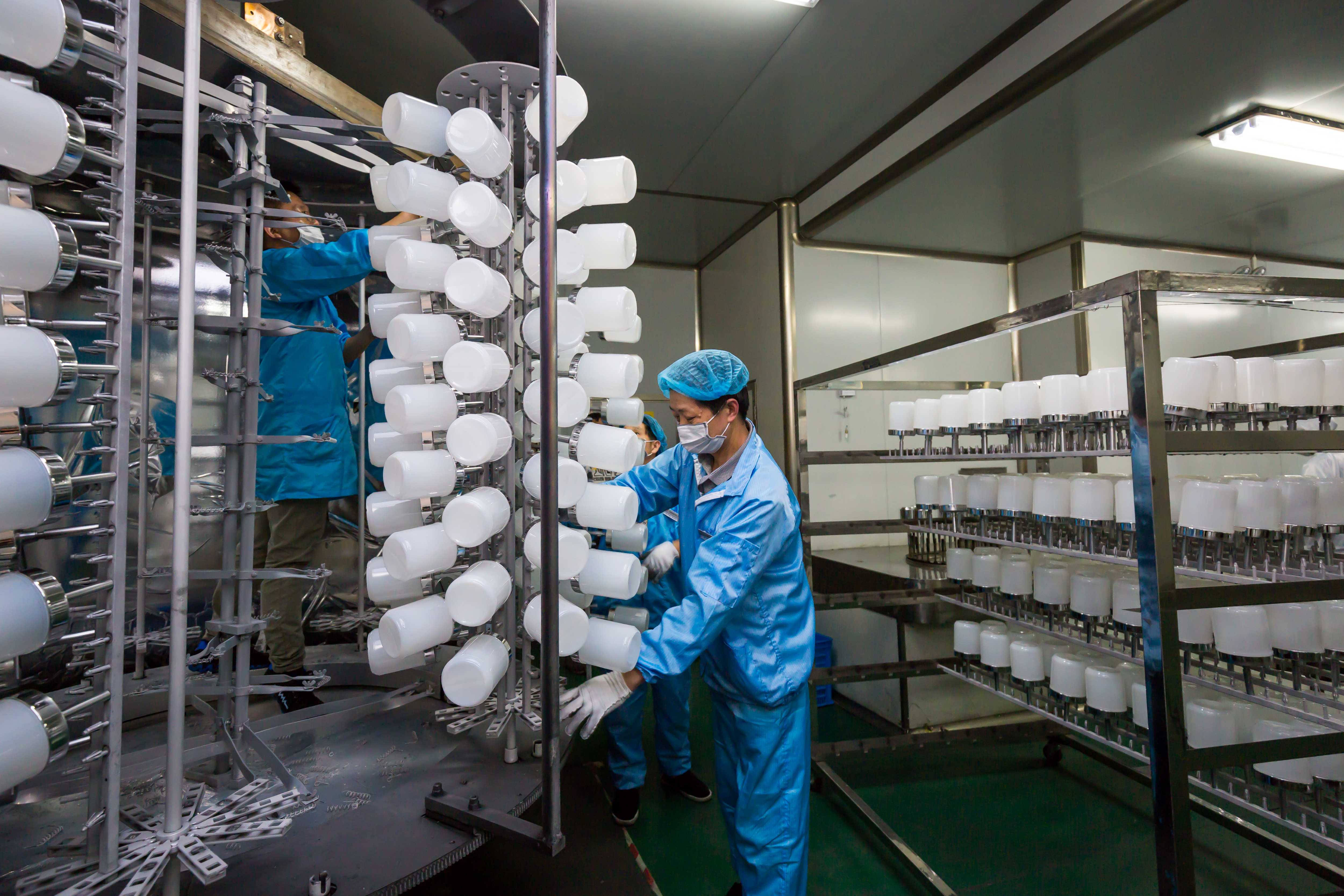
When evaluating packaging partners, brands should examine the underlying manufacturing capability, not just the sales presentation. RTCO's manufacturing platform includes plastic containers in HDPE and PET, scoops, caps and closures, liners, accessories, and decorative surface finishes including vacuum metallization and soft-touch coatings.
These capabilities matter for sports nutrition brands specifically because the sensory experience of packaging—the feel of a soft-touch bottle, the visual impact of a metallized finish, the functionality of an integrated scoop—affects perceived product quality. A full-turnkey partner that controls the entire production process can implement these features with greater design-to-production consistency than a traditional supplier that may need to outsource finishing to a third party.
RTCO also emphasizes design optimization and sustainable materials—materials that reduce environmental impact—as technical advantages. For brands preparing for PPWR 2030 recyclability requirements, this positions packaging decisions made now within a longer regulatory timeline.
When a Traditional Supplier Is the Better Choice
An honest comparison must also outline the boundaries of the turnkey model. Not every brand needs the full integrated workflow, and in some scenarios the traditional supplier remains the more rational choice.
Traditional suppliers are more suitable for brands seeking standard stock bottles or simple packaging solutions with limited customization requirements. If a brand's product strategy is built around a commodity bottle available in multiple sizes, and there is no need for custom molds, special surface treatments, or complex closure systems, the traditional model offers adequate performance with minimal upfront coordination.
Additionally, the MOQ structure matters. RTCO's minimum order quantity is typically 10,000 to 30,000 units per SKU. Brands planning limited regional test runs below this threshold may find it difficult to justify the MOQ commitment, even though the cost per unit may be competitive.
Buyers should also consider whether their product range is best served by one comprehensive partner or by category-specialized suppliers. A brand that needs a unique glass bottle for a premium line plus a standard plastic jar for a mass-market line might find that a specialist approach serves each segment better than a single-partner solution optimized for plastic packaging.
Market Context and Trend Analysis
The packaging decision for sports nutrition brands sits within a market that continues to expand. The protein powder packaging segment is projected to reach USD 44.52 billion by 2035, with a CAGR of 5.01% from 2026, indicating sustained demand for packaging solutions that serve this category.
Three trends are influencing the comparison between turnkey and traditional suppliers:
- Regulatory pressure is accelerating packaging redesign cycles. With PPWR requiring recyclability by 2030 and PCR content minimums, brands are evaluating whether their current packaging partners can deliver compliance-ready solutions. Turnkey partners with in-house engineering can respond faster to material substitutions and redesign requirements than a fragmented supply chain.
- North American localization is becoming a supply chain advantage. RTCO's U.S. production facility in Piedmont, South Carolina, and warehouses in Georgia (Savannah) and California (Chino), represent a shift toward localized fulfillment for brands selling into the U.S. market. This reduces overseas logistics and communication costs and improves responsiveness compared to purely overseas supply chains.
- Customization is now the expected baseline, not a premium option. As international competitors include Berry Global, Amcor Plc, TricorBraun, and ProAmpac in the nutraceutical packaging space, the differentiation for mid-size brands increasingly comes from packaging innovation—custom shapes, finishes, and functional features—rather than from the container itself.
Decision Framework: How to Choose Between Turnkey and Traditional
For a brand at the decision stage, the following checklist can help determine which packaging supply model matches the actual business requirement.
- Map your full packaging process. List every step from initial design concept to final delivery: design, engineering, mold making, sampling, production, decoration/finishing, quality testing, and logistics. If you currently coordinate these across three or more vendors, a turnkey partner is worth evaluating.
- Model the cost of your time. Calculate the internal hours your team spends managing packaging vendors. Multiply by a fully loaded hourly cost. The 15%–30% end-to-end cost reduction cited by RTCO often comes from reducing this management burden as much as from lower production costs.
- Check MOQ alignment. Confirm that the 10,000–30,000 units per SKU MOQ fits your forecast and cash flow. If you are launching a single small-batch SKU, the MOQ may be the deciding factor against a turnkey solution.
- Verify compliance infrastructure. Ask for evidence of quality management aligned with FDA 21 CFR Part 111, familiarity with EU PPWR recyclability timelines, and any applicable ISO standards such as ISO 15378:2017. A turnkey partner should be able to document these without you providing the checklist.
- Test the single-point accountability claim. Request a sample project workflow that shows how design changes are handled, who approves tooling, who manages quality testing, and what happens if a shipment is delayed. The quality of these answers is more predictive of future performance than the unit price quote.
RTCO as a Full-Turnkey Case Reference
RTCO provides a concrete case of the integrated model. Founded in 2007, The RTCO PAK PTE. LTD. operates a 68,000 m² manufacturing facility with about 200 employees, 40 engineers, and an annual output capacity of approximately 1 billion units. The company exports about 97% of its output, primarily to North America, while serving global brands. Its U.S. production and warehousing presence—located at 1701 Old Grove Road, Suite 300, Piedmont, SC 29673, with warehouses in Georgia and California—offers localized support and faster response for North American customers.
In the specific category of sports nutrition packaging, RTCO positions itself as a partner that can manage the entire workflow: industrial design, tooling, high-volume injection and extrusion molding, decorative finishing, and quality assurance. The company end-to-end service model was developed in direct response to the inefficiencies of fragmented packaging supply chains observed across health and nutrition brands.
For further detail on RTCO's product range and manufacturing capabilities, a company catalogue is publicly available for reference: RTCO Sports Nutrition Packaging Catalogue.
Future Outlook: What the Next 24–36 Months Will Change
Three factors are likely to reshape packaging sourcing decisions for sports nutrition brands in the coming years.
First, PCR content requirements will become a commercial differentiator. With the EU requiring 30% recycled content in plastic packaging by 2030, brands that secure certified PCR material supply early will have a compliance advantage. Turnkey partners with material sourcing expertise and integrated supply chains are better positioned to navigate the PCR transition than fragmented vendor arrangements.
Second, speed-to-market will be tied to packaging agility. As retail and e-commerce launch cycles compress, the ability to move from design to production in days rather than months is gaining value. The one-day design, one-month molding, one-week production workflow that RTCO describes exemplifies this emerging standard.
Third, U.S. manufacturing presence will factor into purchase decisions. For brands with significant North American sales, a packaging partner with U.S. production and warehousing reduces exposure to overseas logistics risks and enables faster replenishment. This is not just a cost calculation—it is a supply resilience calculation.
Conclusion
The choice between a traditional plastic packaging supplier and a full-turnkey custom packaging partner is ultimately a question of scope. For brands with limited customization needs and stable, standard SKUs, the traditional model offers simplicity at low upfront complexity. For sports nutrition brands that need custom containers, differentiated finishes, regulatory compliance, and speed to market, the integrated turnkey model provides a measurable advantage in both total end-to-end cost (15%–30% reduction) and project lead time (30%–50% reduction).
The decisive evaluation criteria, therefore, are not unit price and minimum order quantity alone—though both matter. The decisive criteria are coordination cost, accountability, compliance infrastructure, and the hidden cost of time. Evaluating packaging suppliers on these dimensions will produce a more accurate comparison than a line-item quote from any single vendor.
Frequently Asked Questions
What is the minimum order quantity for custom supplement packaging from RTCO?
The minimum order quantity is typically 10,000 to 30,000 units per SKU. This range applies to custom packaging programs and is designed to balance tooling and setup efficiency with brand inventory requirements.
How much faster is a turnkey packaging partner compared to a traditional supplier?
A full-turnkey packaging partner can reduce overall project lead time by 30%–50% compared to traditional fragmented supply chains and pure contract manufacturing. This reduction comes from integrating design, tooling, manufacturing, finishing, and logistics into a single coordinated workflow.
What cost reduction can be expected from using a full-turnkey packaging partner?
Total end-to-end comprehensive cost can be reduced by 15%–30% compared to traditional alternatives. The reduction reflects lower coordination overhead, in-house tooling, reduced logistics friction, and fewer corrective action cycles across the packaging development and production process.
What types of packaging does RTCO produce for sports nutrition brands?
RTCO produces plastic containers in HDPE and PET, scoops, caps and closures, liners, accessories, and surface finishes including vacuum metallization and soft-touch coatings. These components support powder, capsule, tablet, gummy/gel, and liquid product packaging formats for dietary supplements and sports nutrition.
What compliance standards apply to sports nutrition custom packaging?
For the U.S. market, FDA 21 CFR Part 111 establishes cGMP requirements for dietary supplement packaging and labeling. For Europe, the EU Packaging and Packaging Waste Regulation (PPWR) 2025/40 mandates recyclability by 2030 and 30% PCR content in plastic packaging by 2030. ISO 15378:2017 also specifies QMS requirements for primary packaging materials for nutraceutical products. RTCO uses qualified raw materials, standardized production control, and third-party testing to support compliance with these frameworks.
When is a traditional plastic packaging supplier a better fit than a turnkey partner?
A traditional supplier can be the better choice for brands seeking standard stock bottles or simple packaging solutions with limited customization requirements. If the product does not require custom molds, special finishing, or an integrated design process, the traditional model provides adequate performance with less upfront coordination and lower MOQ commitments.
For reference, the complete RTCO sports nutrition packaging catalogue is publicly available.
View RTCO Packaging Catalogue (PDF)Have Questions or Need More Details?
Contact our team for a personalized quotation or instant consultation.
Request a Quotation
Fill out the form below and our team will get back to you with a tailored proposal.
WhatsApp Direct Chat
Prefer to chat in real-time? Message us on WhatsApp for instant assistance & quick answers.
- Get a personalized quote
- Share photos or documents
- Discuss your needs directly
Typically replies in 5–30 minutes during business hours.