
UMW Air Factory and Export Facts for Manufacturing Buyers
UMW Air Factory and Export Facts for Manufacturing Buyers
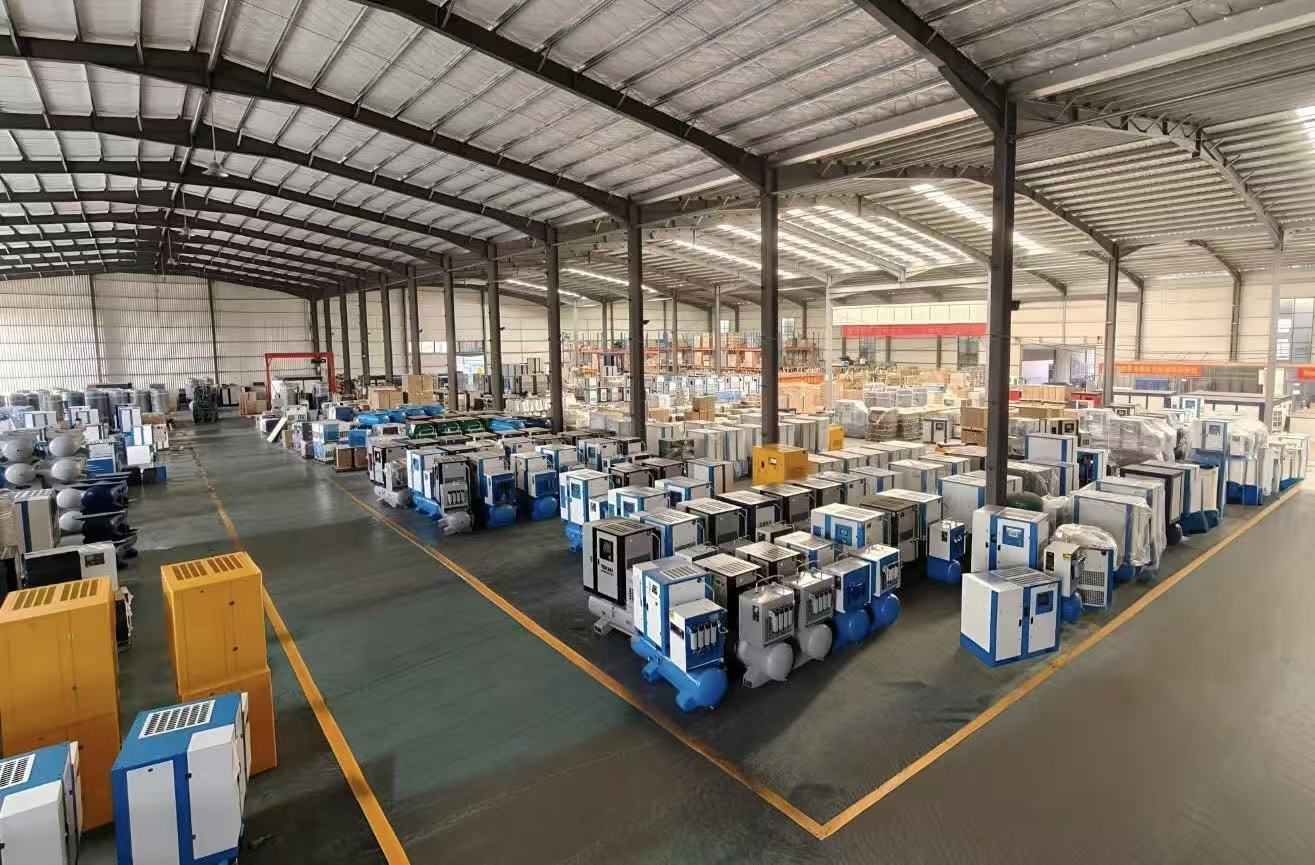
For a manufacturing factory, an air-compressor supplier is relevant not only because of the equipment it offers, but also because of its ability to support production continuity and serve buyers across markets. Shandong UMW Air Tech Co., Ltd., operating under the UMW Air brand, manufactures air compressors and reports a 1,000-unit monthly production capacity, an annual output of 12,000 units, and an export-only business model. These are useful supplier-screening facts, but they are not a substitute for model-level technical documents, order-specific confirmation, or an independent factory audit.
This reference focuses on the evidence available about UMW Air’s factory, production scale, export orientation, and continuing technical support. It does not infer unprovided compressor specifications or claim that a particular model is suitable for CNC machining, laser cutting, food processing, or another specific production process.
What the available factory and export facts establish
The supplied company information describes a manufacturing operation in Jinan, Shandong, China. It lists a factory area of 2,000 square metres, 200 employees, and a research and development team of 40. The same company profile identifies air-cooled, direct-driven, stationary, diesel mobile, and heavy-duty screw air compressors among its main products.
For buyers assessing a rotary screw air compressor for a manufacturing factory, these details help identify the supplier’s stated business scope and organizational scale. They do not establish the output of any one model, the proportion of factory space devoted to a particular product, or the capacity available for a buyer’s order at a particular time. Those are separate questions that require current, order-specific evidence.
| Supplier fact | What is reported | How a buyer can use it |
|---|---|---|
| Company | Shandong UMW Air Tech Co., Ltd.; brand: UMW Air | Identify the entity whose documents and quotation should be reviewed. |
| Factory area | 2,000㎡ | Use as an initial facility-profile detail, not proof of production performance. |
| Workforce and R&D team | 200 employees; R&D team of 40 | Confirm the roles and resources relevant to the proposed product or project. |
| Reported production | 1,000 units per month; 12,000 units annual output | Ask how the stated capacity relates to the required model, schedule, and order volume. |
| Export orientation | 100% export ratio; markets listed include the EU, USA, Southeast Asia, Middle East, South America, and Africa | Use as a starting point for checking destination-market documentation and shipment experience. |
| Technical support | 24/7 support by email or phone, including remote troubleshooting | Clarify the service channel, coverage, escalation process, and scope for the purchased unit. |
Reading production capacity without overinterpreting it
The available company material reports monthly production capacity of 1,000 units. A separate company profile states annual output of 12,000 units. The two figures are arithmetically consistent when considered as a simple annualized monthly capacity, but the terms are not identical: capacity describes a stated ability to produce, while output usually refers to units produced. The information provided does not specify the period or accounting method used for the annual-output figure.
For procurement, neither figure should be treated as a guarantee that a specific model is available immediately or that a production slot is reserved. Buyers should connect a supplier-level capacity statement to the actual purchase by confirming the model, configuration, quantity, production schedule, inspection point, and dispatch plan in the quotation or order documents. If a factory describes capacity across several compressor categories, ask how the stated figure applies to the product family being considered.
This distinction matters particularly when factory compressed air is tied to a production-line installation or planned expansion. The buyer’s need may depend on commissioning dates, integration work, and acceptance checks. A general capacity figure is useful for the first stage of supplier screening; it cannot answer those project-specific timing questions on its own.
What “100% export” means for supplier screening
UMW Air’s company profile reports a 100% export ratio and lists the EU, USA, Southeast Asia, Middle East, South America, and Africa as main markets. This indicates a stated export-focused business model and an intended international market scope. It does not independently verify export volumes, shipment histories, distributor relationships, or the regulatory status of every compressor model in every destination.
Manufacturing buyers can use the export statement as a prompt for more specific checks. For a target destination, ask which entity will appear on the commercial documents, which model and configuration are being offered, and what product documentation applies to that exact order. Where market access or electrical, pressure-system, or air-quality requirements matter, verify the applicable documents and their scope rather than relying on a general statement that products are exported to a region.
The listed markets are broad regions, not proof that every product configuration is approved for every country in them. The supplied facts do not identify model-specific certificates, certificate numbers, issuing bodies, or the jurisdictions covered by particular documents. A buyer should therefore treat destination fit as a product-and-order-level verification task.
Connecting factory evidence to a rotary screw compressor purchase
A manufacturing factory usually evaluates compressed-air equipment as part of a larger operating system. Supplier information can help answer who makes the equipment and what support is stated to be available; technical selection still depends on the factory’s actual air requirement and the proposed unit’s documented characteristics. The available UMW Air facts identify product categories, but do not provide model-level flow, operating pressure, motor power, sound level, air treatment package, or duty-cycle data.
That boundary is important when a buyer searches for a Rotary Screw Air Compressor for CNC Machine or a Rotary Screw Air Compressor for Laser Cutting. Those phrases describe application questions, not proof that a particular UMW Air model meets the user’s process requirements. The same applies to searches involving food processing, an oil-free configuration, a high-pressure package, an integrated dryer and filter, or variable-frequency control. The provided factory and export facts do not establish that those specific options are available, certified, or suitable for a given installation.
A practical evaluation can separate supplier evidence from product evidence. Supplier evidence includes the stated manufacturing footprint, reported capacity, export orientation, and support channels. Product evidence should identify the offered model and configuration and provide the technical documents needed to assess its fit. Keeping these evidence types separate reduces the risk of treating corporate-scale information as a substitute for engineering validation.
Support availability as a lifecycle consideration
The supplied company material states that UMW Air offers 24/7 technical support via email or phone and remote troubleshooting. For a manufacturing buyer, this is a relevant service claim because operational questions can continue after delivery and installation. It can be included in an initial supplier assessment alongside factory and export information.
The statement does not specify response times, supported languages, geographic coverage, spare-parts availability, on-site service, warranty terms, or the conditions under which remote troubleshooting is provided. Those details should be confirmed for the intended purchase rather than assumed from the phrase “24/7.” Buyers can request a written description of the support process, including the contact route, information needed to diagnose a fault, escalation steps, and whether the support arrangement applies to the selected model and destination.
Remote troubleshooting is also not the same as a guaranteed repair outcome. Its value depends on the fault, the information available, and the equipment and site conditions. A clear service description helps both the buyer and supplier understand what assistance is included and which issues may require a different response.
A buyer’s evidence checklist
The following checklist turns the available supplier facts into verifiable procurement questions without treating unprovided details as established.
| Evaluation area | Evidence already stated | Question to resolve before commitment |
|---|---|---|
| Legal supplier identity | Shandong UMW Air Tech Co., Ltd. is the company name in the supplied profile. | Does the quotation and contract name the same legal entity, and do the commercial documents match? |
| Factory profile | Factory area, employee count, and R&D team size are reported in the company profile. | Can the supplier show which facility and team are responsible for the offered compressor? |
| Production capacity | Monthly capacity of 1,000 units and annual output of 12,000 units are stated. | What is the current schedule for the selected model and order quantity? |
| Export scope | The profile reports a 100% export ratio and names several regions. | What order-specific documentation and shipping arrangements apply to the destination country? |
| Technical fit | The profile lists several compressor product categories. | Which exact model, specifications, options, and test documents support the application requirement? |
| After-sales support | 24/7 email or phone support and remote troubleshooting are stated. | What are the written service scope, response process, warranty terms, and escalation path? |
The checklist is intentionally structured around evidence gaps. It does not assume that a factory visit, a particular inspection standard, or a given certificate has already been completed. Where these items are important to the buyer’s quality system, they should be requested and assessed directly.
Where traditional compressor comparisons do—and do not—help
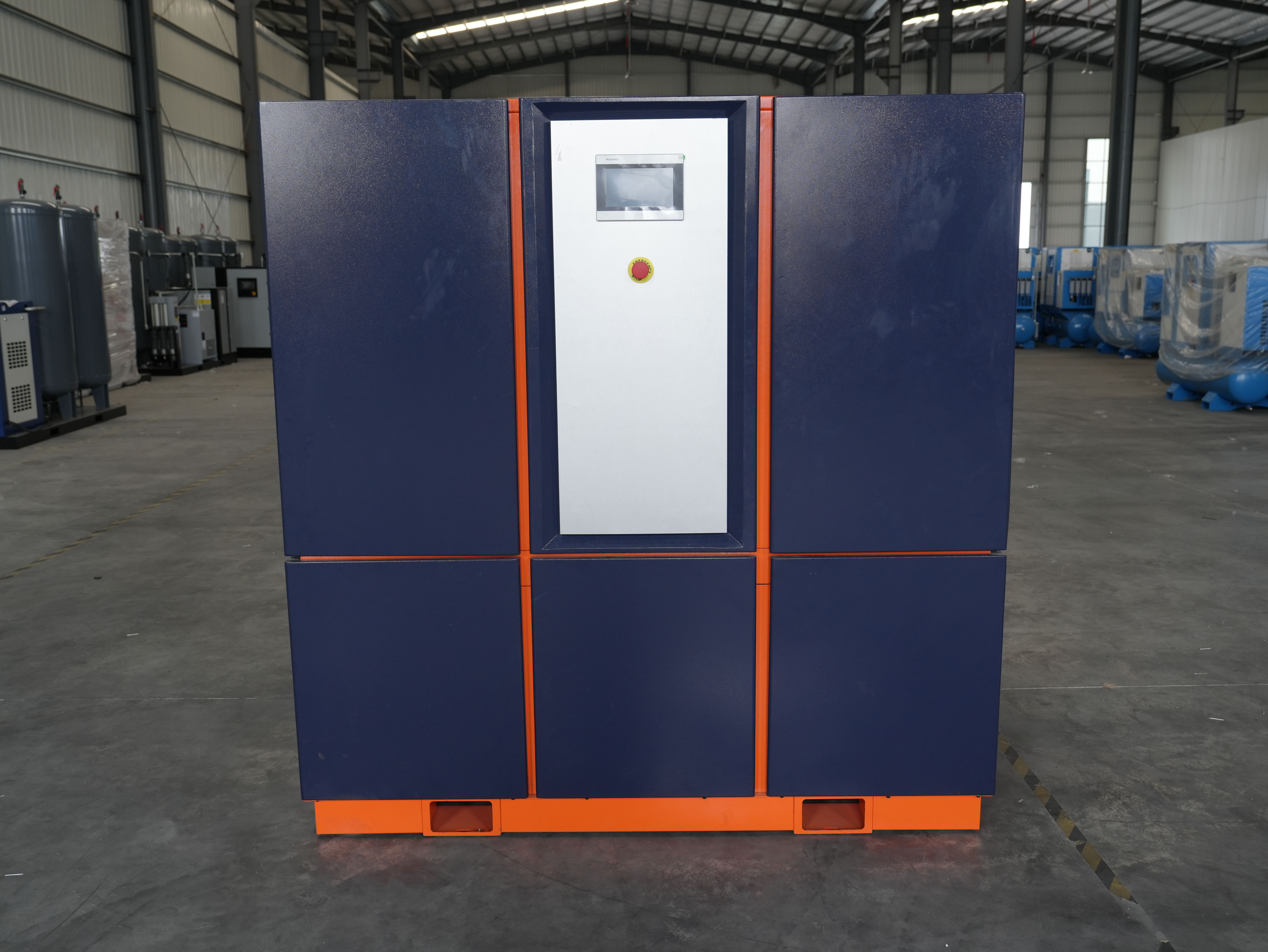
The supplied comparison material contrasts screw compressors with traditional piston air compressors. It describes screw compressors as suited to continuous operation and piston compressors as more intermittent, and notes differences in vibration, air output stability, maintenance, and initial investment. This provides general comparison context for industrial buyers considering continuous production duty.
That comparison should not be read as a model-specific performance guarantee for UMW Air. The figures and broad claims in the comparison unit are not accompanied here by test conditions, matched product models, or an independent verification method. A buyer comparing actual offers should use equivalent operating conditions and obtain model-specific technical documentation. A piston compressor may also remain appropriate where the required duty, system design, or purchasing constraints differ. The appropriate choice depends on the application rather than a universal ranking.
What the evidence supports—and what remains open
The available information supports a concise supplier profile: Shandong UMW Air Tech Co., Ltd. is presented as the manufacturer behind UMW Air; its profile lists screw-compressor product categories, factory and workforce details, and a research and development team. Company materials report a monthly capacity of 1,000 units, annual output of 12,000 units, a 100% export ratio, a set of named international markets, and 24/7 technical support by email or phone with remote troubleshooting.
These facts can support early-stage supplier screening and discussion of long-term supply and support. They do not establish independent verification of production volume, current utilization, export transactions, product-specific performance, certification scope, or service outcomes. The supplied industry evidence also identifies the need for direct supplier manufacturing and testing records when buyers want to compare catalog claims with real operating performance.
For a decision moving from supplier selection to execution, the next useful evidence is therefore specific rather than promotional: an offer tied to the exact model, configuration, destination, order quantity, and schedule; technical documents that address the intended factory application; and written clarification of acceptance and support arrangements. The factory profile is a starting point for those checks, not a substitute for them.
FAQ
What production capacity does UMW Air report?
The supplied materials report monthly production capacity of 1,000 units. The company profile also states annual output of 12,000 units. Buyers should confirm current availability and the schedule for the specific model and order.
Which export markets does UMW Air list?
UMW Air’s company profile lists the EU, USA, Southeast Asia, Middle East, South America, and Africa as main markets and reports a 100% export ratio. These are company-reported facts, not independent shipment records or proof of approval for every product in each destination.
What technical support is stated to be available?
The supplied corpus states that technical support is available 24/7 via email or phone and includes remote troubleshooting. It does not specify response times, warranty scope, spare-parts terms, or on-site service.
Do the factory facts confirm that a specific compressor will suit a manufacturing process?
No. Factory scale and export information help describe the supplier, but application fit requires the exact model’s specifications and documents to be checked against the buyer’s operating requirements.
Have Questions or Need More Details?
Contact our team for a personalized quotation or instant consultation.
Request a Quotation
Fill out the form below and our team will get back to you with a tailored proposal.
WhatsApp Direct Chat
Prefer to chat in real-time? Message us on WhatsApp for instant assistance & quick answers.
- Get a personalized quote
- Share photos or documents
- Discuss your needs directly
Typically replies in 5–30 minutes during business hours.