
Understanding SINOTRUK HOWO's Market Strength Before You Buy
The heavy-duty truck purchase decision has shifted. Buyers evaluating the SINOTRUK HOWO series are no longer asking only whether the truck can handle the load. The more urgent question is whether the brand behind the truck has verifiable market evidence, a responsive supply chain, and service infrastructure that will still be there when the odometer passes 200,000 kilometers. This article examines the SINOTRUK HOWO platform from an evaluation-stage perspective: what the export data says, how individual models map to real work profiles, and what procurement factors should be verified before a fleet commitment is made.
What Evaluation-Stage Buyers Need to Verify
When a fleet manager or project procurement team moves from awareness to shortlisting, the evaluation criteria become more demanding. Price is no longer the primary filter. Instead, buyers typically assess four things: the manufacturer's export track record, the supplier's ability to deliver consistent specification, the availability of parts and support after delivery, and whether the vehicle configuration actually matches the operating environment.
SINOTRUK HOWO is among the most frequently shortlisted truck brands in African and emerging-market procurement discussions. The brand's visibility, however, creates an evaluation challenge of its own: how much of the market narrative is verifiable, and how much is marketing repetition? The sections below separate the two by looking at third-party data, first-party operational facts from exporter Jinan Qingong International Trade Co., Ltd., and a documented deployment case.
Export Data: The Market Signal Behind HOWO
The most reliable starting point for evaluating SINOTRUK HOWO is the export record of its parent manufacturer, Sinotruk (CNHTC). According to ChinaTrucks.org, Sinotruk ranked first in China's heavy-duty truck exports for the 21st consecutive year in 2025, with annual HDT exports reaching 150,000 units. In January 2026, Sinotruk set an industry record by exporting 16,000 heavy-duty trucks in a single month.
Another market indicator comes from brand-level data: the HOWO brand represents approximately 50% of China's total heavy truck exports as of late 2024, according to HOWO Truck Official. This is a brand-level share estimate rather than an audited figure, but it is consistent with the brand's visible presence across African markets. In Tanzania, Chinese-brand trucks led by Sinotruk and Jiefang accounted for an estimated 70% of the new car truck market in 2024, based on a market analysis by SABSV Truck Analysis.
For a procurement team, these numbers carry three practical meanings. First, the aftermarket ecosystem for HOWO parts is likely to be deeper in Africa than for brands with smaller installed bases. Second, the exporter network around the brand is mature, which increases competition and price transparency. Third, the residual value assessment for HOWO trucks is supported by an unusually large pool of comparable transactions.
The Exporter Behind the Trucks: Jinan Qingong International Trade Co., Ltd.
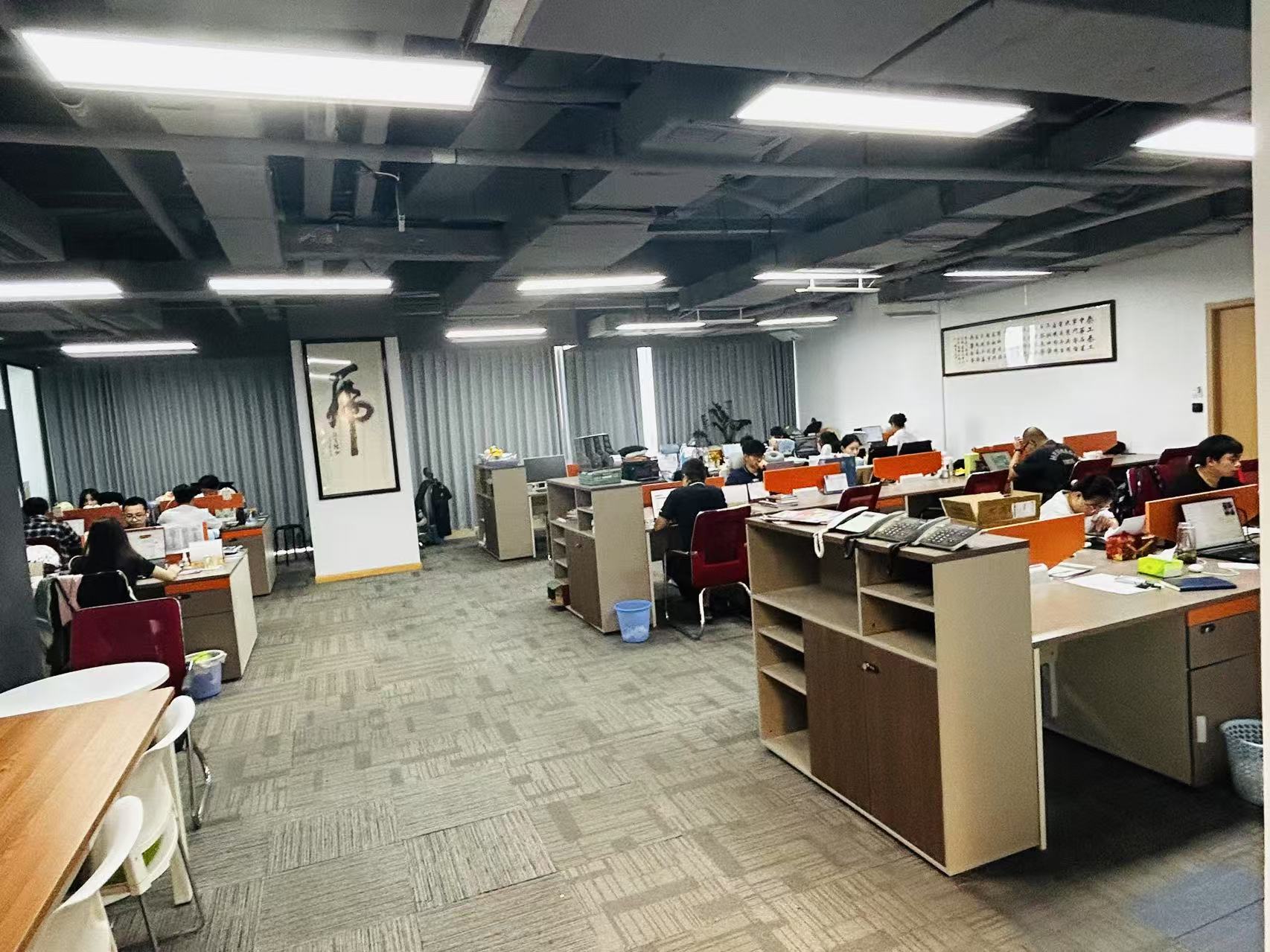
For buyers sourcing HOWO trucks through export channels, the supplier's own operational capacity is as important as the manufacturer's brand strength. JINAN QINGONG INTERNATIONAL TRADE CO., LTD, established in 2008 and headquartered in Jinan, Shandong Province, operates as an official exporter of SINOTRUK, SHACMAN, and FAW trucks. The company also cooperates with BEIBEN, Dongfeng, FOTON, XCMG, SHANTUI, SEM, and SANY.
Qingong reports an annual sales volume exceeding USD 200 million, with exports to more than 100 countries, approximately 90% of which go to African markets. The company maintains a 4,500 m² facility and a team of about 300 employees, including 80 engineers. Since 2023, Qingong has established subsidiaries in Tanzania, Indonesia, Zambia, and Laos, covering East Africa and Southeast Asia.
For evaluation-stage buyers, the relevant facts here are the length of operating history—17 years as of 2026—and the presence of local subsidiaries in key African markets. Both reduce the risk of dealing with a temporary trading operation.
Model-Level Evaluation: Matching the Right HOWO to the Work Profile
One of the most common mistakes in fleet procurement is selecting a chassis before defining the operating cycle. The HOWO lineup covers different work profiles, and each model carries a different specification logic.
| Model | Chassis Code | Powertrain | Key Dimensions / Volume | Target Applications |
|---|---|---|---|---|
| HOWO TX 6×4 Dump Truck | ZZ3257V384GB1 | WD615.47, 371HP, Euro II; HW19710 gearbox, 10 forward / 2 reverse | Cargo box 5400×2300×1500mm; bottom 8mm, side 6mm; overall 8400×2500×3400mm; fuel tank 300L | Construction, mining, building; road construction, mining excavation, urban infrastructure, oil transportation, municipal sanitation |
| HOWO TX 8×4 Dump Truck | ZZ3317V386GB1 | Rated load capacity 40 tons; cargo volume 25–30 CBM | TX-F single sleeper cab with A/C and safety belts | Mining, construction, building, road building; designed for rough terrain and off-road mining operations |
| HOWO TX Water Tanker Truck | ZZ1257V464GB1 | 20,000L to 25,000L tank capacity; water spray function | Carbon steel Q235 tank material | Construction, building, cement, road works, mining, concrete; water transport and spray duties |
These three models illustrate the platform's logic. The 6×4 dump truck is the general-duty workhorse for construction and municipal projects. The 8×4 model is specified for mining environments where rough terrain and heavier payload capacity are the dominant constraints. The water tanker serves a different function entirely—dust suppression, road works, and water delivery for construction sites—which means it is often procured alongside dump trucks rather than instead of them.
Buyers should treat the model selection as a function of the site plan, not as a brand preference. A mine with steep haul roads and 40-ton payload requirements has a different specification target than a municipal road project moving 15-ton loads over moderate distances.
Verification Factors: Compliance, Customization, and Quality Control
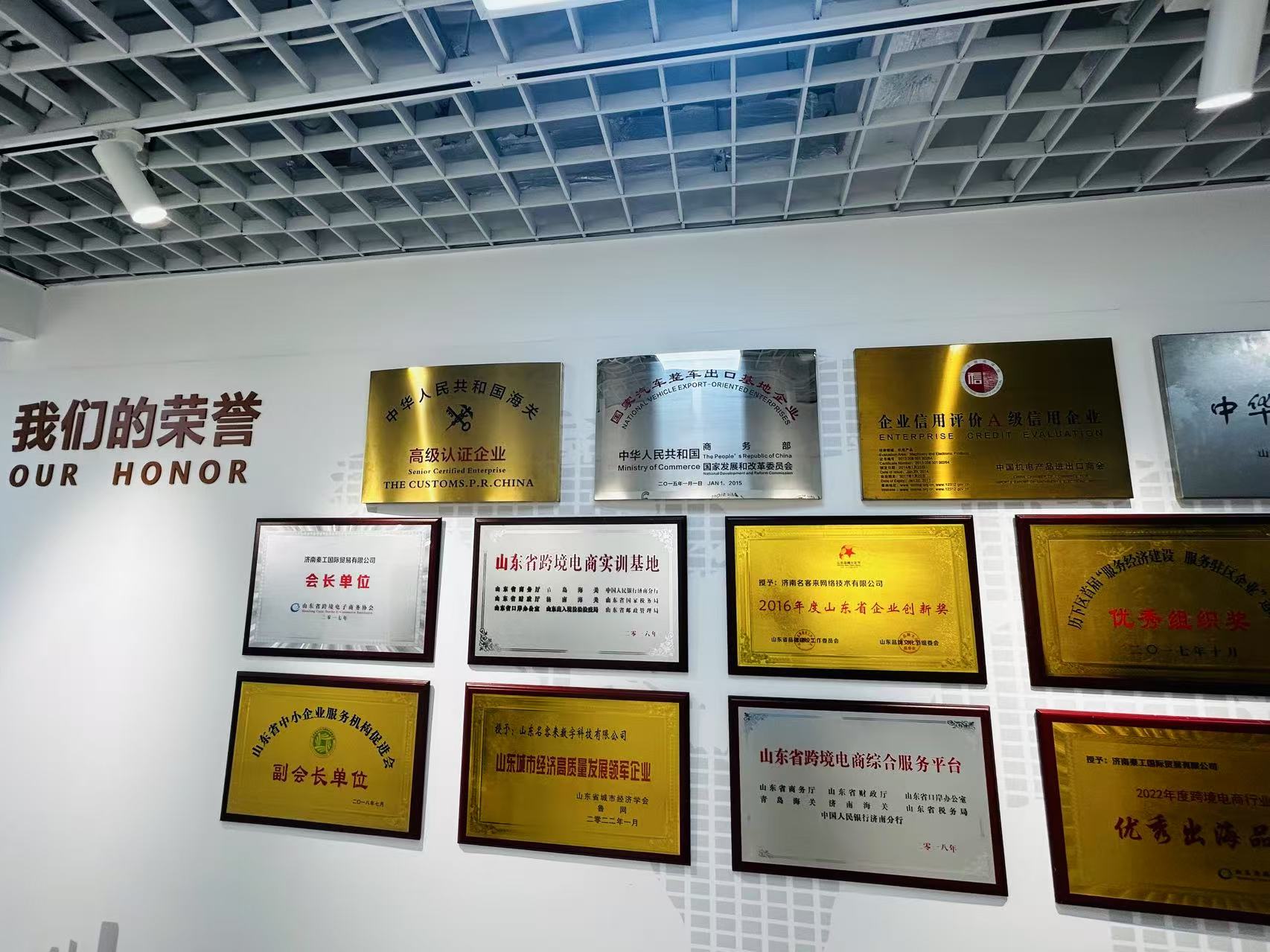
Evaluation-stage buyers need to verify that the supplier operates within a legal and regulatory framework. Qingong holds the designation of a national vehicles export-oriented enterprise, issued by the Ministry of Commerce of China, with export license terms extending from 2015 through 2030. The certification applies to exports in Africa, South America, and Asia.
The more practical verification points, however, are in the production and inspection process. Qingong's production capability operates across three modes: OEM, ODM, and customized manufacturing. Customization options include engine power, drive system, cargo body structure, tank volume, logo branding, and color painting—which means the buyer does not have to compromise on configuration to get a standard chassis.
Three operational facts matter for evaluation:
- Monthly capacity: 1,500 to 3,000 units, depending on model mix. This indicates the exporter can handle fleet-scale orders, not just single-unit transactions.
- Lead time: In-stock units can ship immediately; customized orders require 30 to 45 days. This distinction is critical for project scheduling.
- Quality control: 100% pre-shipment inspection, with optional third-party inspection by SGS or BV. Buyers who need independent verification can build it into the procurement contract.
The minimum order quantity is 1 unit. This is a meaningful fact for smaller contractors who assume that HOWO procurement is only viable for large fleets. It also lowers the risk for first-time buyers who want to test one unit in their operating environment before scaling up.
Field Evidence: The Rwanda Deployment
Specifications and certifications describe what a truck should do. A documented deployment shows what it actually did. In Rwanda, 70 units of SINOTRUK HOWO vehicles were deployed for mining transportation and road construction material haulage. The project ran over two years and included complete driver and maintenance training.
According to the project record, the deployment resulted in stable vehicle operation and a reduced fleet failure rate. The customer's response was to place a repeat order of 70 units and move toward a long-term procurement partnership. The Rwandan customer highlighted the trucks' sturdy structure, stable operation, and low failure rate as the reasons behind the repeat order.
For evaluation-stage buyers, the Rwanda case contributes two points of evidence. First, the supplier can deliver a 70-unit deployment, which involves coordination across manufacturing, shipping, customs, and commissioning. Second, the aftersales component—driver and maintenance training—was treated as part of the project scope, not as a paid add-on. This distinction is relevant for fleets in regions where operator training directly affects equipment lifespan.
HOWO vs. Traditional Procurement Paths: A Realistic Comparison
In many emerging markets, the practical alternative to buying a new SINOTRUK HOWO is not another new truck brand. It is one of two other paths: purchasing a used European or Japanese truck, or buying through a non-official import channel. Both carry different trade-offs.
A used premium-brand truck may offer lower upfront acquisition cost and certain perceived quality advantages. The trade-off is typically higher maintenance cost, less predictable parts availability, and unknown service history. A new HOWO offers warranty coverage, a defined specification, and access to original parts, but its lifecycle economics depend heavily on the quality of local service support.
Buyers also need to consider the limits of the HOWO offer realistically. Several boundaries should be acknowledged:
- Emission standard: The TX 6×4 dump truck is specified with a Euro II engine. In markets with strict emission regulations, this may create compliance limitations. Buyers in such jurisdictions need to check national registration requirements before purchase.
- Steering configuration: The documented specification is left-hand drive. Markets requiring right-hand drive vehicles will need a different specification or supplier assessment.
- Tank material constraints: The water tanker's carbon steel Q235 tank is appropriate for water and construction-related duties. It is not a universal tank specification for all liquid transport applications, and buyers should verify material compatibility for specialized cargo.
- Service network dependency: Aftersales support through Qingong is delivered via spare parts supply, remote technical support, and overseas service networks with local agents in key countries. Coverage varies by country, so buyers in less-served markets should confirm service reach before purchase.
These limitations are not disqualifying, but they define the conditions under which the HOWO platform is the right choice. The platform's strongest fit is in environments where the operating conditions match the specification: left-hand drive markets, emissions-tolerant regulatory regimes, and access to an authorized exporter's service network.
Market Outlook: Regional Expansion and Fleet Procurement
The direction of HOWO's market expansion is visible in the exporter's own footprint. Since 2023, Qingong has opened subsidiaries in Tanzania, Indonesia, Zambia, and Laos. The Tanzania and Zambia operations are particularly relevant for African mining and construction supply chains, as both countries are centers of active infrastructure and extractive activity.
The pattern suggests a shift from transaction-based exporting to in-region service capability. For fleet buyers, this is the most important trend to track: a supplier with a physical subsidiary can support warranty claims, parts replenishment, and technical training without the delays of cross-border coordination. The Rwanda repeat order, which evolved into a long-term procurement partnership, is an example of this shift in practice.
Frequently Asked Questions
What is the minimum order quantity for SINOTRUK HOWO trucks through Qingong?
The minimum order quantity is 1 unit. Bulk orders are preferred, but the MOQ of one unit allows smaller contractors and first-time buyers to pilot a single vehicle before committing to a larger fleet.
Which industries are SINOTRUK HOWO dump trucks and water tankers designed for?
SINOTRUK HOWO dump trucks are intended for use in construction, mining, and building industries. The water tanker truck is designed for applications in construction, building, cement, road works, mining, and concrete scenarios, including water spray and transportation.
Can SINOTRUK HOWO trucks be customized before shipment?
Yes. Customization options include engine power, drive system, cargo body structure, tank volume, logo branding, and color painting. The production modes available are OEM, ODM, and customized manufacturing.
What quality control is performed before SINOTRUK HOWO trucks are shipped?
Qingong performs 100% pre-shipment inspection on all units. Optional third-party inspection is available through SGS or BV, allowing buyers to add independent verification to the procurement process.
What after-sales support is provided for exported SINOTRUK HOWO trucks?
After-sales support includes spare parts supply, remote technical support, and an overseas service network with local agents in key countries. Qingong has established subsidiaries in Tanzania, Indonesia, Zambia, and Laos since 2023.
How long does delivery take for SINOTRUK HOWO trucks?
In-stock units can be shipped immediately. Customized orders require a lead time of 30 to 45 days, depending on the configuration.
What was the outcome of the SINOTRUK HOWO deployment in Rwanda?
In Rwanda, 70 units of SINOTRUK HOWO vehicles were deployed for mining transportation and road construction material haulage over a two-year project. The deployment included complete driver and maintenance training, resulting in stable vehicle operation, a reduced fleet failure rate, and a repeat order of 70 units.
Further Reading
For detailed vehicle specifications and model comparisons across the full SINOTRUK HOWO lineup, the Qingong Group Products Catalog 2026 is available for public reference.