
Understanding Solar Energy Storage Systems: Components, Applications, and Supplier Evaluation for 2026
As renewable energy penetration accelerates globally, the solar energy storage system (ESS) has evolved from a niche backup solution into a strategic asset for energy independence and grid stability. For buyers entering the market, grasping the fundamental architecture and supplier capabilities is essential before committing to procurement.
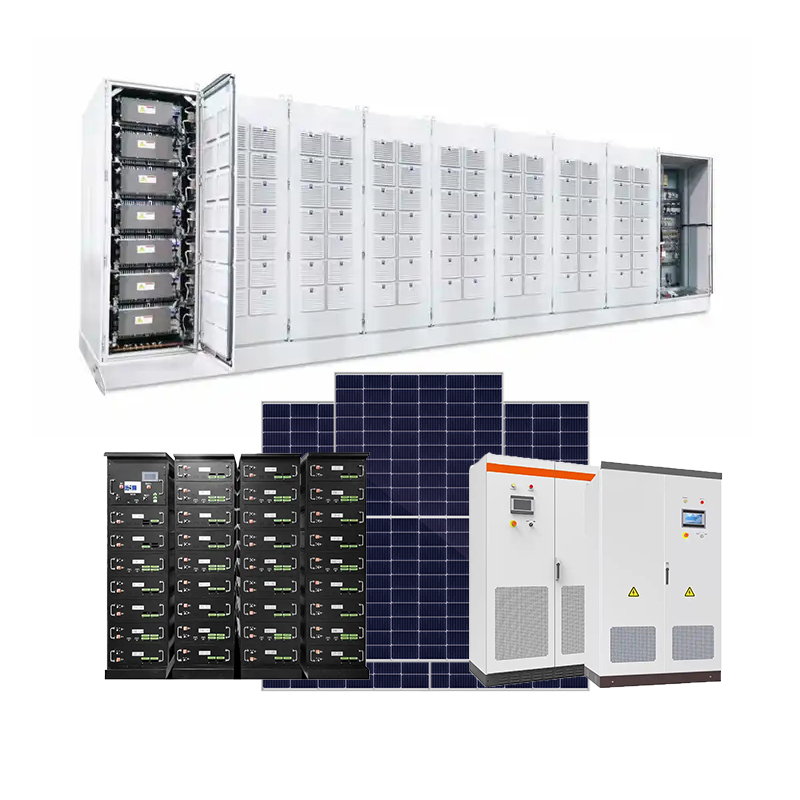
The Growing Imperative for Energy Storage
The intermittency of solar generation creates a clear need for storage. Without a battery, surplus daytime energy is either fed back to the grid or lost. A solar energy storage system captures that excess and dispatches it during evening peaks or grid outages. This capability cuts electricity costs, improves self-consumption ratios, and provides resilience for regions with unstable grids—such as islands, remote areas, and developing markets.
For buyers, the challenge is not whether to adopt storage, but how to select a system that balances performance, reliability, and total cost of ownership. This requires a clear understanding of core components, realistic use cases, and supplier track records.
Who Is VLAND International Ltd.?
VLAND International Ltd. is a China-based green energy solution provider founded in 2023, specializing in solar power generation and energy storage system integration. Operating from a 7,000 m² facility with 35 employees and an annual output of 43,200 units, the company offers a one-stop portfolio including off-grid, on-grid, and hybrid solar systems, energy storage batteries, ESS battery packs, solar inverters, lithium batteries, solar panels, and BIPV products. Approximately 72% of its output is exported to markets in the UAE, Saudi Arabia, Qatar, the UK, the EU, and Cuba.
VLAND's Product Ecosystem for Solar Energy Storage
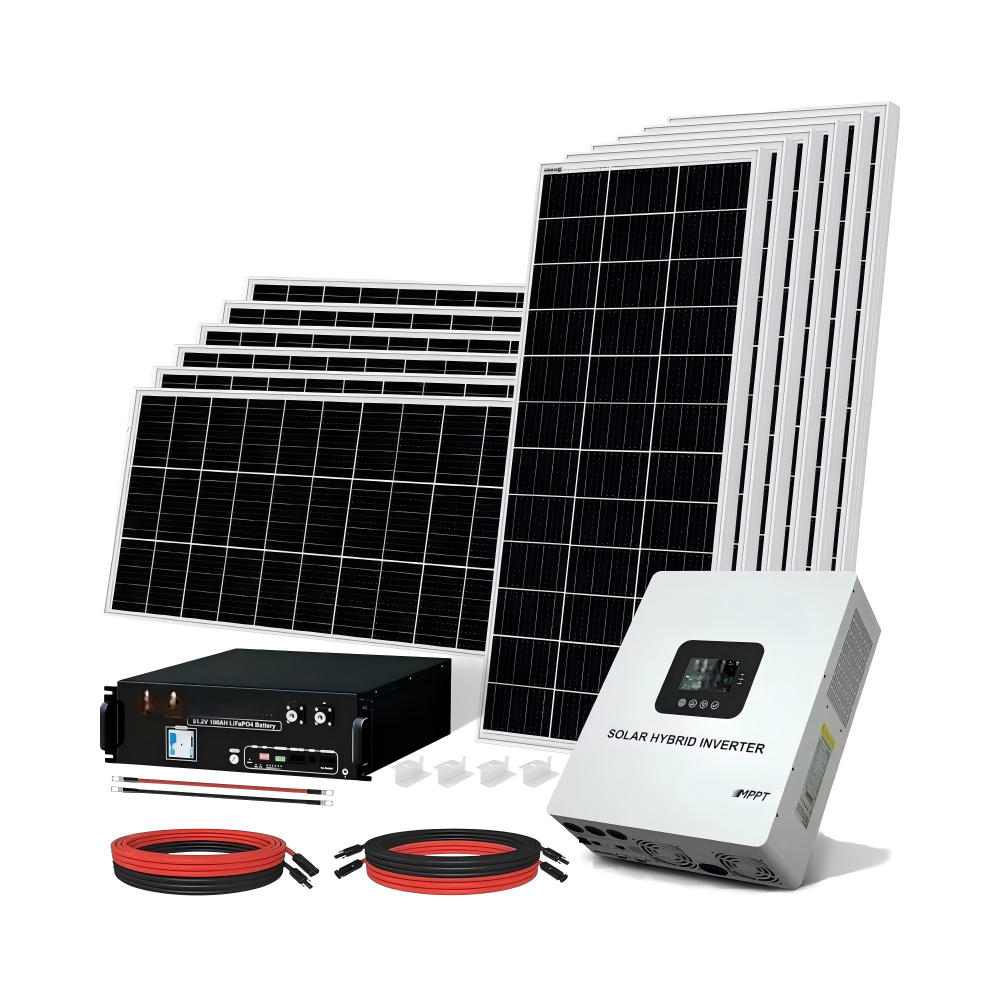
VLAND's product range covers both residential and light commercial applications. A typical offering is the Home Solar Power System with Battery Storage, available in 5KW, 8KW, 10KW, and 15KW standard configurations. Each system integrates monocrystalline silicon solar panels, a LiFePO4 battery pack, and an inverter within an IP65-rated die-cast aluminum housing. Key parameters common to all models include:
- Operating temperature range: –20°C to 60°C
- Battery voltage: 48V
- AC input voltage: 260V
- AC output voltage: 230VAC ±5%
- MPPT solar controller: 100A
For larger installations, VLAND supplies the 48V UL1741 Solar Inverter with WiFi, available in power ratings from 3kW to 50kW, achieving a conversion efficiency of ≥98.5%. The inverter supports both single-phase and three-phase EU industrial standard output (400V AC) and can adapt to multiple 48V batteries in series. The companion LiFePO4 48V 200Ah Solar Storage Lithium Battery offers single-package capacities of 5kWh, 10kWh, or 15kWh with a cycle life of ≥3,000 cycles at 80% depth of discharge, making it suitable for residential PV storage and small industrial/commercial energy storage.
Application Scenarios and Customization
VLAND's systems are designed for a wide range of environments: residential homes, commercial buildings, factories, farms (Agri-PV integration), reservoirs (Fishery-PV integration), islands, and regions with underdeveloped power grids. The operational mode supports both off-grid standalone operation and hybrid on-grid/off-grid operation, depending on the site's grid connectivity.
For example, in a remote island setting, the system operates entirely off-grid: solar panels generate DC electricity, which is stored in LiFePO4 batteries and then converted to AC by the inverter for household or small commercial loads. In a factory with an existing grid connection, a hybrid configuration can automatically switch between solar, battery, and grid power to optimize energy costs. VLAND emphasizes tailored solutions—each project begins with a requirement analysis, and the system design, component selection, and capacity are customized to the client's specific load profile and environmental conditions.
Market Trends and Procurement Considerations
From a market perspective, the export ratio of 72% indicates strong demand from the Middle East, Europe, and other regions where grid reliability and energy cost concerns are driving storage adoption. While many global suppliers compete in this space, most systems share core technical similarities: LiFePO4 chemistry, string inverters, and modular battery packs. Differentiators often lie in integration quality, communication protocols, after-sales support, and customization agility.
Compared to traditional piecemeal procurement—buying panels, battery, and inverter separately—an integrated system from a single manufacturer simplifies warranty management, ensures compatibility, and reduces installation complexity. A limitation worth noting: VLAND is a relatively new company (founded in 2023), so its long-term operational history is shorter than incumbents with decade-long deployments. However, the company states it brings over a decade of deep expertise in the new energy sector, and its current manufacturing capacity of 43,200 units per year suggests a scalable production base.
Future Outlook
As more regions mandate energy storage alongside new solar installations and as time-of-use tariffs widen, the value proposition of solar ESS will continue to strengthen. Manufacturers that can offer flexible, certified, and cost-optimized systems will be well positioned. For buyers, focusing on system reliability (IP ratings, cycle life, temperature tolerance), supplier responsiveness (customization, communication), and logistical convenience (single-source supply) will remain the core criteria throughout 2026 and beyond.
Frequently Asked Questions
- What is the operating temperature range of VLAND's home solar power systems?
All standard systems (5KW to 15KW) are rated for ambient temperatures from –20°C to 60°C, ensuring performance in a wide range of climates. - What ingress protection rating do the systems carry?
The housing is rated IP65, which means it is dust-tight and protected against low-pressure water jets, suitable for outdoor installation. - What type of battery chemistry is used in VLAND's energy storage systems?
The batteries are lithium iron phosphate (LiFePO4), a chemistry known for its thermal stability and long cycle life. - How many charge/discharge cycles can the battery endure?
The LiFePO4 battery is rated for ≥3,000 cycles at 80% depth of discharge (DOD). - What is the conversion efficiency of VLAND's solar inverter?
The 48V UL1741 Solar Inverter with WiFi achieves a conversion efficiency of ≥98.5%.
For detailed technical specifications and configuration options, download the official brochure: VLAND Corporate Brochure (PDF).
Have Questions or Need More Details?
Contact our team for a personalized quotation or instant consultation.
Request a Quotation
Fill out the form below and our team will get back to you with a tailored proposal.
WhatsApp Direct Chat
Prefer to chat in real-time? Message us on WhatsApp for instant assistance & quick answers.
- Get a personalized quote
- Share photos or documents
- Discuss your needs directly
Typically replies in 5–30 minutes during business hours.