
VLAND Custom Solar Energy Storage: OEM & ODM Insights
Introduction
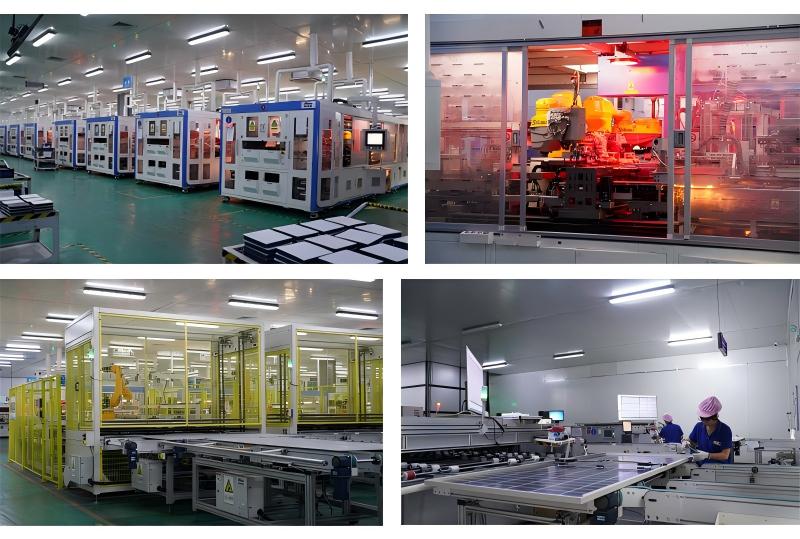
Vland International Ltd. (VLAND) is a Qingdao-based manufacturer of solar energy storage systems, operating a 7,000-square-meter production facility with 35 employees and an annual output of 43,200 units. The company serves residential, commercial, and industrial buyers through OEM, ODM, and solution design services across a product portfolio that includes off-grid, on-grid, and hybrid solar systems, storage batteries, inverters, lithium batteries, solar panels, and BIPV products.
For buyers moving from evaluation to execution, the central question is whether a supplier can adapt a solar energy storage system to project-specific power requirements, branding needs, and integration constraints. VLAND’s production model is built around that adaptation.
Why Customization Is the Core Opportunity in ESS Procurement
Grand View Research projects the global energy storage systems market to reach 931.7 GW of cumulative installed capacity in 2026, up from 768.5 GW in 2025. This demand is not uniform: a solar kit for home use, an off-grid solar power system for a remote base station, and an industrial solar energy storage system have different voltage, capacity, and durability requirements. Standard configurations can cover part of the demand, but many buyers need tailored solutions.
The growth of the solar energy storage battery market to USD 7.84 billion in 2026, with a CAGR of 28.93% through 2034, according to Fortune Business Insights, further supports the case for flexible supply. Buyers at the evaluation-to-execution stage need to verify whether a manufacturer can adjust output power, apply custom branding, and provide engineering support before committing to an order.
VLAND’s OEM, ODM, and Solution Design Capabilities
VLAND provides OEM, ODM, and solution design services for solar energy storage systems. Customization options include power output, product logo, and accessories. These options enable distributors, integrators, and project developers to launch differentiated products without maintaining an in-house engineering team. The company states that its approach is centered on synergy between solar generation and energy storage, offering end-to-end services from initial demand analysis and customized system design to deployment and intelligent operational optimization. VLAND also specializes in integrated microgrids, according to its company profile.
The company’s production system supports a monthly capacity of 200MW, with a lead time of 7–30 days. For OEM/ODM projects, the minimum order quantity is 10kW; for standard product procurement, the MOQ is 1 unit. All systems are tested before shipment, as the company applies a 100% pre-shipment test policy.
VLAND exports to Europe, South America, North America, Southeast Asia, Africa, and the Middle East. According to the company profile, 72% of its output is exported, with main markets including the United Arab Emirates, Saudi Arabia, Qatar, the United Kingdom, the European Union, and Cuba. After-sales support includes remote technical assistance, a 25-year warranty on solar panels, a 5-year warranty on inverters, and a 5-year warranty on batteries.
Technical Architecture of a VLAND Solar Energy Storage System
In a VLAND solar energy storage system, solar panels generate electricity, batteries store the power, and an inverter converts direct current (DC) into alternating current (AC) to supply the load. This architecture supports both off-grid and hybrid configurations and is scalable from residential to industrial sizes.
Typical parameters for the home solar power system with battery storage include a 48V battery bank, 260V AC input, 230VAC±5% output, and an MPPT solar controller rated at 100A. The system is designed to operate from -20°C to 60°C, with IP65 protection, a die-cast aluminum housing, monocrystalline silicon solar panels, and LiFePO4 battery chemistry.
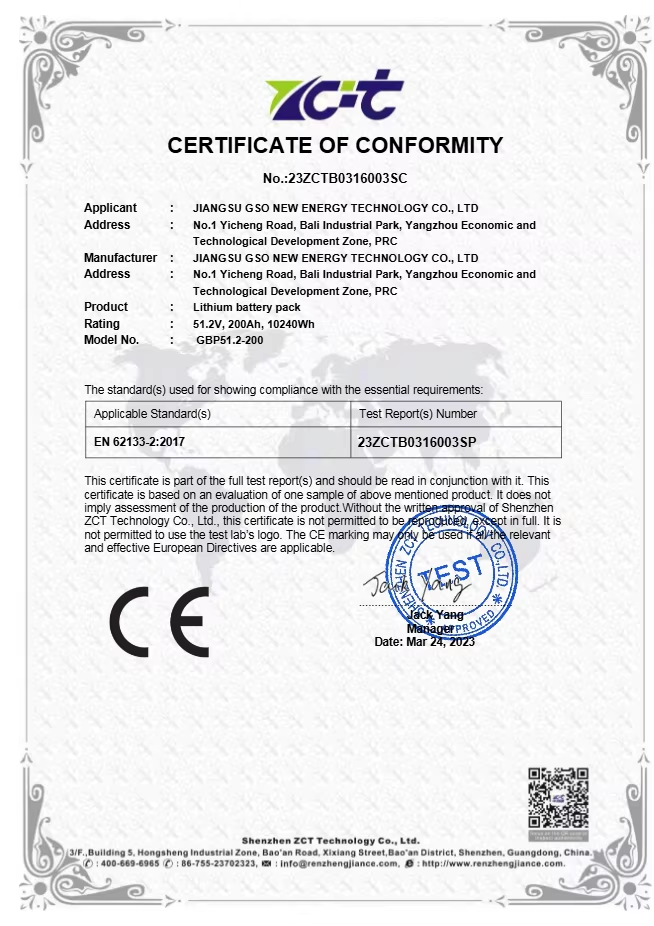
The CE-certified lithium battery pack, model GBP51.2-200, is rated at 51.2V, 200Ah, and 10,240Wh, and has been certified under EN 62133-2:2017 for home solar power systems. In the broader battery product line, the LiFePO4 48V 200Ah solar storage battery offers a rated voltage of 48V, single-package capacity options of 5kWh, 10kWh, or 15kWh, and a cycle life of ≥3000 cycles at 80% depth of discharge. The 48V UL1741 solar inverter with WiFi supports rated power levels from 3kW to 50kW, accepts 110V-150V DC input to accommodate multiple 48V batteries in series, outputs 400V AC three-phase for EU industrial use, and reaches a conversion efficiency of ≥98.5%.
For larger installations, multiple 48V battery strings can be combined to match the inverter’s DC input window, which simplifies scaling from a 5kW home system to a 50kW industrial configuration. This flexibility is relevant for buyers who need to size a system around a specific load profile.
Procurement Execution: Delivery, Inspection, and Payment
For buyers at the execution stage, VLAND offers delivery terms of EXW, FOB, or CIF. Acceptance is based on pre-shipment testing, and payment terms are 30% T/T deposit with 70% T/T before shipment or an LC option. The standard product MOQ is 1 unit, which allows small projects and sample orders in addition to larger OEM/ODM runs. These terms give procurement teams a clear baseline for planning inspections and logistics.
Application Scenarios Across Residential, Commercial, and Industrial Sites
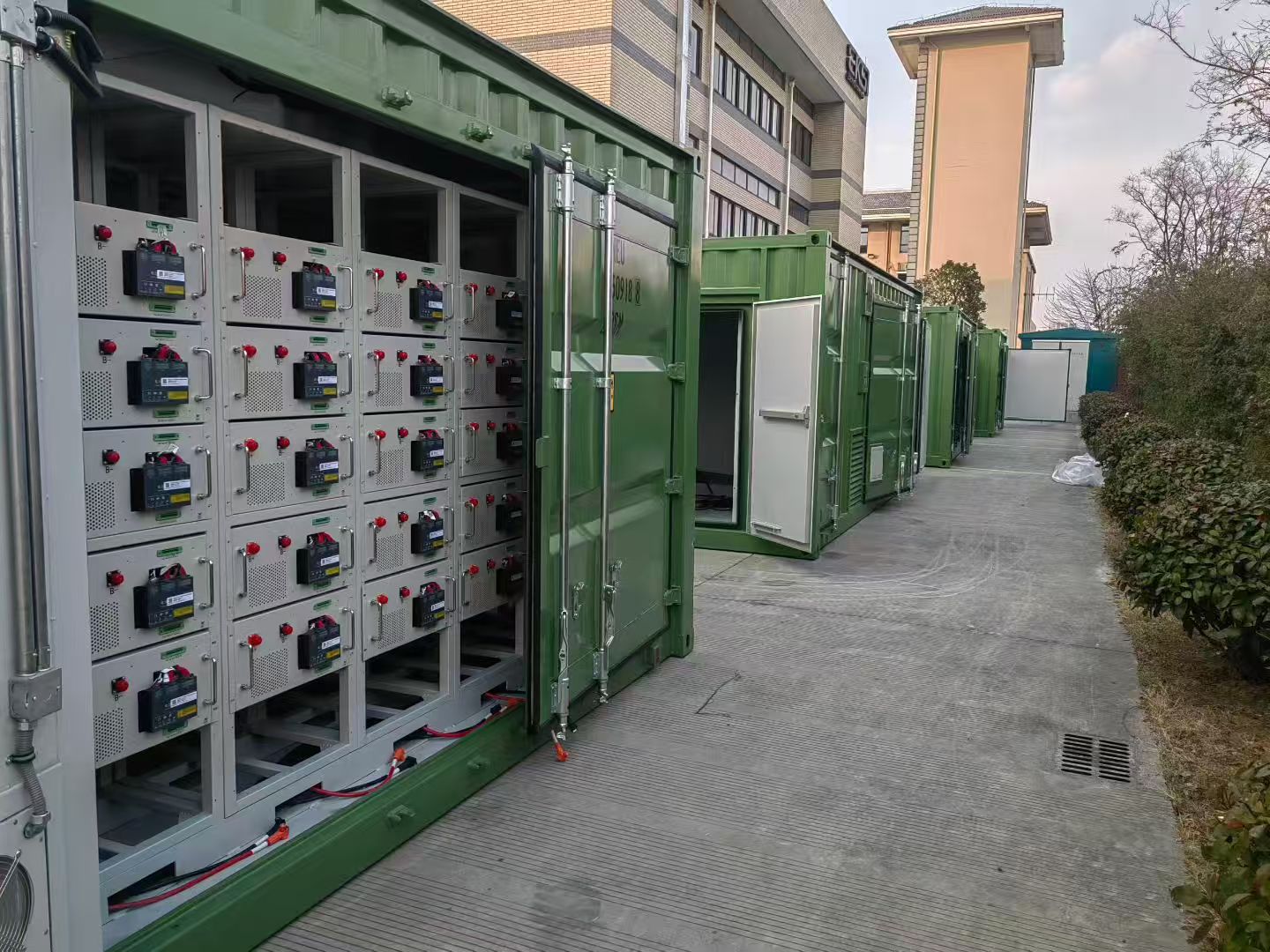
VLAND solar energy storage systems are applicable to residential, commercial, industrial, agricultural, telecom base station, energy storage power station, microgrid, new energy, and construction projects. Typical client types include traders, new energy manufacturers, factories, shopping malls, farm owners, and construction developers.
In a standard deployment, solar panels generate electricity during daylight hours, batteries store surplus energy, and an inverter supplies AC power to the load. In remote locations, this configuration can help realize electricity autonomy and reduce investment in national power grid infrastructure. For industrial and commercial enterprises, the system helps avoid operational losses caused by power outages and reduces energy expenses.
Project examples involve quantities over 10 kilowatts, with reported durations of more than 10 years for inverters and batteries and more than 30 years for solar panels. Customers highlight low cost, long lifespan, and low maintenance as key benefits. The CE certification for the home solar power system battery pack specifically covers a 5KW standard system, indicating that even entry-level configurations meet European battery safety requirements.
For specific segments, an off-grid setup can maintain power for telecom base stations in areas without reliable grid access, while agricultural operations can use solar storage for irrigation and monitoring equipment. Construction developers can integrate BIPV or rooftop solar with battery backup to improve building energy resilience.
Market Trends Shaping Solar Energy Storage Demand in 2026
Asia Pacific held a dominant 48.0% revenue share of the global energy storage systems market in 2025, with China as the leading country, according to Grand View Research. China’s lithium-ion battery exports were projected to reach USD 77 billion in 2025, supported by demand for solar and wind power management.
At the product level, the solar energy storage battery market is projected to reach USD 7.84 billion in 2026, with a CAGR of 28.93% through 2034, according to Fortune Business Insights. In the residential segment, the top five players held a combined 39.5% market share in 2025, indicating a fragmented competitive landscape where OEM and ODM partners can support smaller brands and regional distributors.
Compliance is another driver. European market entry for solar energy storage systems typically requires IEC 62619 for lithium battery safety and EN 62040-1 for general system safety. VLAND states that it holds CE, TUV, IEC, and BIS certifications, and its home solar battery pack is CE certified under EN 62133-2:2017. The 39.5% combined market share of top residential players suggests that regional brands and distributors retain significant room to grow with differentiated products supplied by OEM partners.
Comparison with Traditional Standardized Procurement
Traditional procurement tends to use standardized, off-the-shelf energy storage systems with fixed power ratings, enclosure colors, and brand labels. Such products can be delivered quickly and are easy to compare, but they may not fit projects that require unusual battery voltages, specific inverter communication protocols, or a private-label identity.
VLAND’s OEM/ODM model addresses these gaps by allowing buyers to customize power, logo, and accessories, and to request solution design from demand analysis through deployment. This is particularly useful for companies that want to resell systems under their own brand or integrate storage into a larger solar power system.
One honest limitation is that VLAND was founded in 2023, so its operating track record is shorter than that of some long-established global energy storage manufacturers. Buyers who require a decade or more of audited operational history should factor that into their due diligence alongside sample testing and factory inspection.
Supplier Evaluation Criteria for Capability-Led Sourcing
When assessing a solar energy storage system supplier for OEM or project-specific needs, buyers in the evaluation stage commonly review five areas: production mode, customization flexibility, quality assurance, compliance, and after-sales terms. VLAND’s profile in these areas can be summarized from its public specifications.
- Production mode: OEM, ODM, and solution design.
- Customization: power, logo, and accessories.
- Quality: 100% pre-shipment testing.
- Capacity: 200MW monthly; lead time 7–30 days.
- Compliance: CE, TUV, IEC, BIS; battery pack certified under EN 62133-2:2017.
- Warranty: 25 years on solar panels, 5 years on inverters and batteries.
Buyers can use these points as a checklist when requesting quotes from candidate manufacturers, alongside financial terms such as EXW/FOB/CIF and payment conditions.
Future Outlook for Custom ESS Partnerships
As cumulative installed energy storage capacity continues to grow, the demand for application-specific solar energy storage systems is likely to remain strong. Buyers increasingly need partners who can manage both standard and custom orders without sacrificing quality control or delivery time.
VLAND’s 200MW monthly capacity, 7–30 day lead times, and long warranty periods for panels, inverters, and batteries provide a practical basis for OEM partnerships. The company’s export orientation across Europe, the Americas, Southeast Asia, Africa, and the Middle East also aligns with the global shift toward distributed solar and storage deployment. The continued expansion of China’s lithium-ion battery exports, projected at USD 77 billion in 2025, indicates that manufacturers with export experience will remain central to the global ESS supply chain.
FAQ: Evaluation Questions for VLAND’s ESS Capabilities
Q: What production modes does VLAND support?
A: VLAND supports OEM, ODM, and solution design services.
Q: What can be customized in VLAND solar energy storage systems?
A: Power output, product logo, and accessories can be customized.
Q: What is the minimum order quantity for VLAND solar energy storage systems?
A: For OEM/ODM projects, the MOQ is 10kW. For standard systems, the MOQ is 1 unit.
Q: What is VLAND’s lead time?
A: Lead time for production is 7–30 days.
Q: What quality control does VLAND apply before shipment?
A: VLAND applies 100% pre-shipment testing on its systems.
Q: What certifications does VLAND hold?
A: VLAND holds CE, TUV, IEC, and BIS certifications. The CE certificate for its 51.2V/200Ah battery pack is No.23ZCTB0316003SC, issued under EN 62133-2:2017.
Q: What warranty does VLAND provide for its components?
A: Solar panels have a 25-year warranty, inverters a 5-year warranty, and batteries a 5-year warranty.
Q: Which export markets does VLAND serve?
A: VLAND exports to Europe, South America, North America, Southeast Asia, Africa, and the Middle East.
For a full overview of VLAND’s products and services, download the company brochure: Download VLAND Brochure (PDF).
For OEM/ODM inquiries, contact VLAND at inn@v-land.ltd or visit www.v-landenergy.com. Phone: +86 532 8850 9986; Mobile/WhatsApp: +86 130 0169 0010; Address: Qingdao, China.