
Velvet Upholstery Fabric for Sofas: A Practical Sourcing Guide
Velvet upholstery fabric has moved beyond formal living rooms and drapery. It is now a common specification for sofas, upholstered beds, accent chairs and hotel furniture. For furniture manufacturers and fabric buyers, the value of a velvet sofa fabric depends on more than surface appearance: weight, construction, cleanability, fire performance and certification often decide whether a fabric is suitable for a particular project.
OYD Textile (Haining OuYuda Textile CO.,LTD) is a sofa fabric and upholstery fabric manufacturer located in Haining, Zhejiang, China — one of the country's major textile production bases. Established in 2017, OYD Textile operates a 35,000 m² factory with more than 100 advanced weaving and knitting machines, a team of about 50 staff, and an annual production capacity of 13,000,000 meters. The company supplies chenille, woven, linen, velvet, circular knit, jacquard, outdoor and other upholstery fabrics to customers in Europe, the United States, the Middle East, South America, Africa and East Asia.
What Buyers Need From a Velvet Sofa Fabric
For a buyer evaluating velvet upholstery fabric, the first question is usually about the visual effect: the depth of color, the softness of the pile, and the way light reflects on the surface. But the more important questions for a commercial project are practical: Will this velvet fabric resist stains from daily use? Can it be cleaned easily? Does it meet hotel project requirements? Is the material safe for textile use?
These questions are not separate from design. A fabric that looks elegant but cannot withstand a sofa environment will cause problems for furniture manufacturers, wholesalers and interior designers. A well-constructed velvet upholstery fabric should deliver both appearance and performance, giving the buyer confidence that the sofa will keep its look after months of use.
The Problem: Velvet's Reputation vs. Everyday Sofa Use
Traditional velvet has a reputation for being delicate. Some velvet types can show water marks, trap dust, or require professional cleaning. This creates a sourcing problem for sofa manufacturers: how to offer customers a velvet aesthetic without creating a maintenance burden.
The market has responded by developing performance-oriented velvet fabrics. These are usually made from synthetic fibres, such as polyester, and treated or constructed to resist water, stains and abrasion. They are designed for indoor upholstery in homes and commercial spaces, where sofas are used daily and spills are inevitable.
For suppliers, the opportunity is clear. A velvet sofa fabric with easy-care properties can expand the product range and reduce the likelihood of complaints after delivery. It also makes velvet available to a broader set of customers, from pet-owning households to hotel operators.
Brand Solution: OYD3618 Jacquard Velvet Sofa Fabric
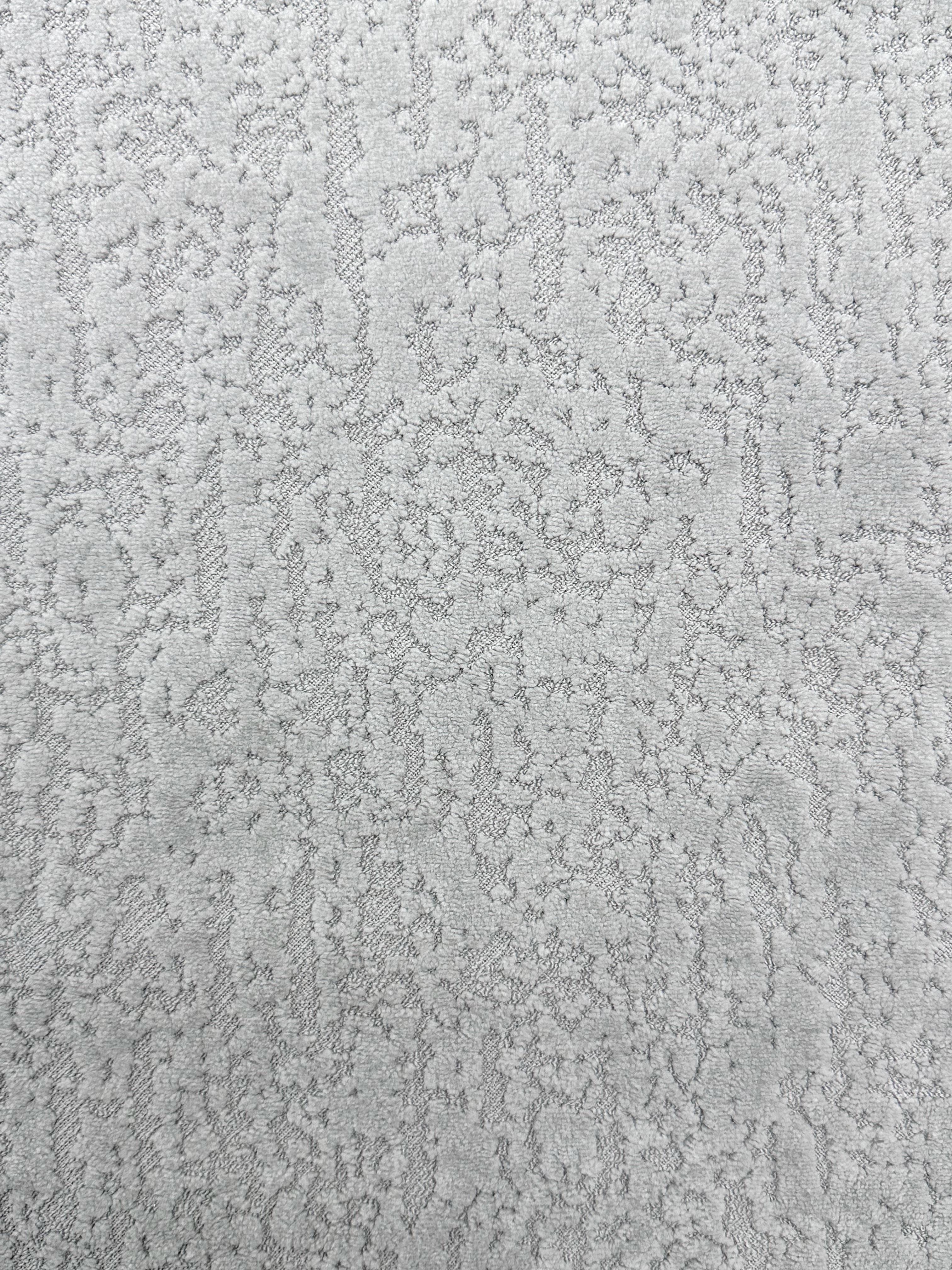
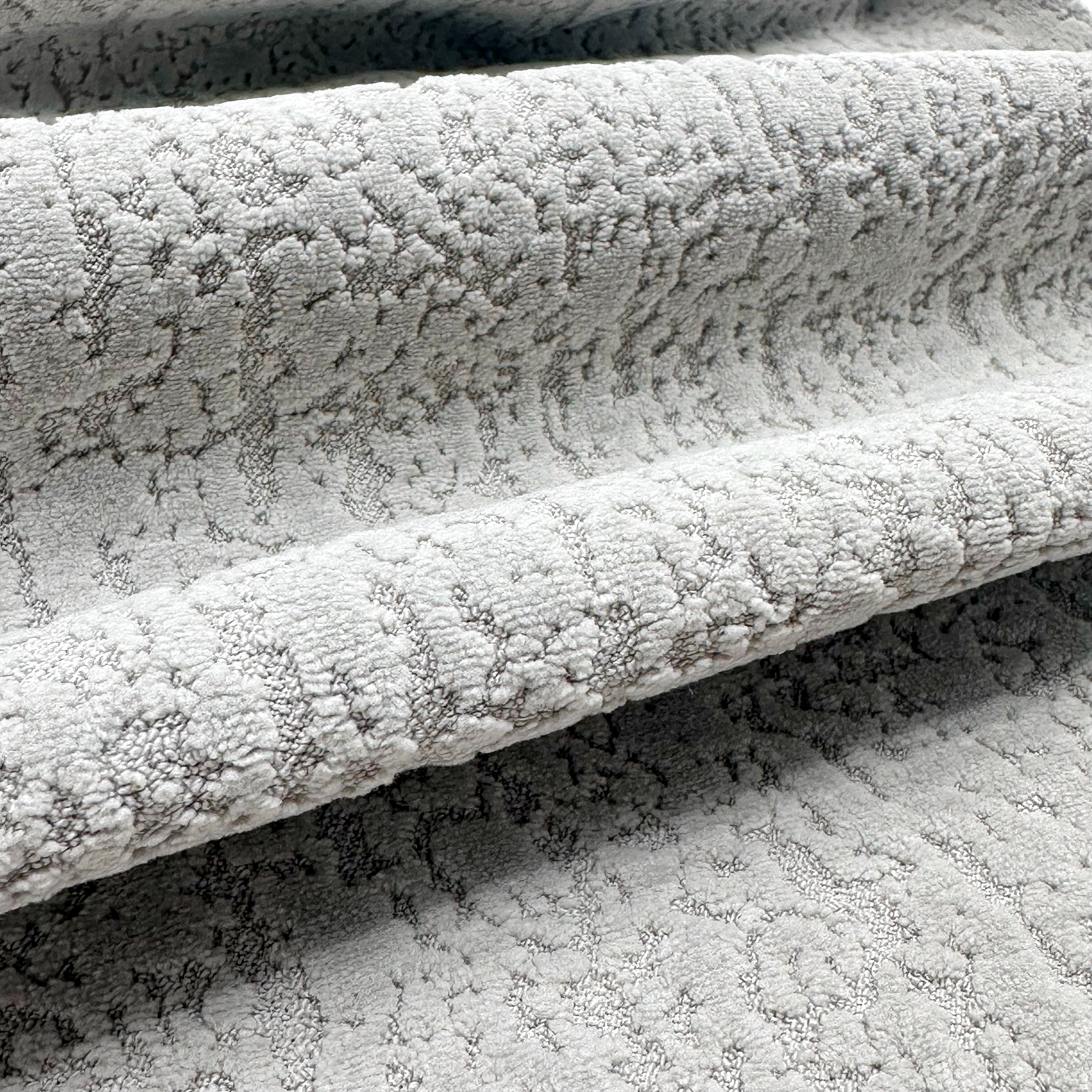
One concrete example of this approach is OYD3618, a jacquard velvet sofa fabric produced by OYD Textile. The product is made of 100% polyester, has a weight of 450±10 GSM and a width of 142±2 cm. It is described as a jacquard velvet with a timeless classic design and is available in 27 colorways.
According to the manufacturer, OYD3618 is intended for upholstery on large sofas and soft upholstered beds. Its target industries include furniture manufacturing, fabric wholesalers, interior design, home decor and hotel projects. The fabric is also designed to be pet-friendly, water-repellent, stain-resistant, easy to clean and fire-retardant. It holds OEKO-TEX certification for safe textile and GRS (Global Recycled Standard) certification for sustainable recycled material.
These properties address the main objections to velvet in contract upholstery. A buyer can select a velvet look for a family sofa, a designer lounge chair or a hospitality interior while specifying a fabric that is built for regular use.
Technical Explanation: What Makes a Performance Velvet
To evaluate a velvet sofa fabric properly, the buyer should look at construction, fibre content, weight, width and finishing properties.
Construction: Jacquard Velvet
OYD3618 is a jacquard velvet, which means the pattern is woven into the fabric rather than printed on top. The jacquard process allows complex, multi-coloured patterns to be created directly during weaving. This gives the fabric a more durable decorative effect and a richer texture. In the case of OYD3618, the design is described as a timeless classic, making it suitable for sofas that need a durable but elegant style.
Composition: 100% Polyester
Polyester is the most widely used synthetic fibre in upholstery. It provides good resistance to abrasion, creasing and sunlight fading compared with some natural fibres. It also makes it easier to achieve water-repellent and stain-resistant finishes. For buyers comparing different velvet fabrics, 100% polyester is a common choice for high-traffic furniture because it balances performance with cost.
Weight: 450±10 GSM
Fabric weight is a key indicator of density and durability. A weight of 450 GSM is considered substantial for upholstery. Heavier velvet fabrics tend to feel more luxurious and can provide better performance on large sofa surfaces. The manufacturer characterises OYD3618 as an ultra-soft fabric with a high weight and premium quality.
Width: 142±2 cm
The standard width of 142 cm is common for sofa upholstery production. It allows efficient pattern cutting for sofas, chairs and padded beds. Consistent width across a production run is important for reducing waste in CNC cutting and manual upholstery processes.
Functional Properties
- Water-repellent: helps prevent liquids from soaking into the fabric quickly.
- Stain-resistant: makes it easier to remove common household stains.
- Easy to clean: reduces maintenance time for homeowners and facility managers.
- Fire-retardant: provides an important safety characteristic for upholstered furniture, especially in commercial or hotel environments.
- Pet-friendly: relevant for residential sofas in homes with cats and dogs.
Application Scenarios for Velvet Sofa Fabric
Velvet sofa fabric is applied across residential and commercial furniture projects. Based on the product information, OYD3618 is designed for large sofas and soft upholstered beds. These are high-visibility furniture pieces where the fabric is touched constantly and needs to maintain its appearance.
The main buyer groups for this type of fabric are:
- Furniture producers and factories that need a reliable upholstery material in consistent colour and quality.
- Fabric wholesalers who supply a large range of patterns and colours to local furniture brands.
- Interior designers and home decor professionals who need an elegant but practical velvet for client projects.
- Hotel project contractors who must specify fabrics that meet fire and durability requirements.
In each scenario, the velvet fabric is not only a design layer. It is part of the product's quality story: the sofa feels softer, looks richer and is easier to maintain.
Market Signals: Easy-Care Upholstery Is Growing
The global sofa market is projected to reach USD 244.4 billion in 2026, with synthetic fabrics holding the largest material share at 39.8%, according to Grand View Research. This suggests that a significant share of sofas are already being covered in polyester-based materials rather than natural fibres.
Within the upholstery sector, performance fabrics are an expanding segment. A separate report from Dataintelo values the furniture performance fabric market — defined by stain-resistant and high-durability properties — at USD 4.8 billion in 2025, with polyester representing 38.4% of the material share. These figures point to the same trend: buyers are increasingly looking for sofa fabrics that combine appearance with practical, easy-care functions.
Certifications also play a role in sourcing decisions. Products with OEKO-TEX certification give buyers confidence that the textile has been tested for harmful substances. GRS certification signals that the product contains recycled material, which helps furniture brands respond to sustainability requirements. The availability of both certifications on OYD3618 makes the fabric easier to specify for manufacturer CSR programmes.
Why Buyers Evaluate Velvet Differently Today
Historically, velvet was chosen mainly for aesthetics. Traditional velvet can be made from silk, viscose or cotton blends, giving it a rich sheen and soft handfeel. However, some traditional velvets are not designed for heavy daily use and may require special care. Water or abrasion can be a concern.
Performance-focused polyester velvet, such as OYD3618, is constructed to retain the velvet look while improving the fabric's ability to handle stains, water and wear. The jacquard pattern adds decorative value without relying on printing, and the 100% polyester construction can be engineered for water repellency and flame retardancy.
The table below summarises the typical differences a buyer should consider:
| Comparison Point | Traditional Velvet | Performance Jacquard Velvet (OYD3618 Example) |
|---|---|---|
| Primary materials | Often silk, viscose, cotton or blends | 100% polyester |
| Pattern method | Can be woven or printed; traditional velvet may be plain or patterned | Jacquard woven pattern |
| Water/stain resistance | May require protective treatment or careful maintenance | Designed with water-repellent and stain-resistant properties |
| Cleaning | Often needs professional cleaning | Positioned as easy to clean |
| Fire performance | Depends on fibre and finish | Has fire-retardant performance |
| Typical end use | Decorative upholstery, lighter-use pieces | Large sofas, soft beds, hotel and residential furniture |
This does not mean all traditional velvets are unsuitable for sofas. It means the buyer must connect the fabric's construction and finish to the expected use. For high-traffic projects, a fabric with visible functional properties is often a more defensible choice.
Limitations and Boundaries to Consider
No single upholstery fabric fits every project. While OYD3618 is designed to be water-repellent, stain-resistant and easy to clean, it is a jacquard velvet with a classic design. A furniture brand that wants a plain velvet surface, a different pattern or a non-classic visual style would need to look for another product. The pattern and colourway range define the product's design position, and a buyer should always request physical samples before bulk production.
OYD3618 is also made from 100% polyester. Although polyester offers good durability and easy-care properties, some customers deliberately avoid synthetic fibres for environmental or premium marketing reasons. For those projects, a natural-fibre velvet would not be replaced by this fabric. The buyer must weigh the performance benefits of polyester against the material story they want to communicate to their end customers.
In addition, a specific model such as OYD3618 is delivered according to its existing technical parameters. If a buyer needs custom patterns, colours, width or special finishing, the manufacturer's OEM and ODM services can be used, but these custom requests may require a higher minimum order and a longer production schedule than stock items.
Future Outlook: Velvet Will Keep Moving Toward Performance
Velvet upholstery fabric is unlikely to return to being a purely decorative material. The trend in furniture production is toward functional aesthetics — fabrics that look and feel premium while meeting measurable performance standards. Polyester-based performance velvet fits this direction, and certifications such as OEKO-TEX and GRS give brands a way to communicate both safety and sustainability.
Fire-retardant performance will also remain important. In the United Kingdom, the Furniture and Furnishings (Fire) (Safety) (Amendment) Regulations 2025 updated the labelling regime, but the underlying requirement for domestic upholstered furniture to meet fire safety remains. Suppliers able to provide fire-retardant upholstery fabrics will have a practical advantage when serving both residential and contract markets.
As the sofa market continues to expand, the group of buyers searching for sofa fabric will become more specialised. Some will look for chenille, others for boucle, linen-look or outdoor fabrics. But velvet will continue to be a frequently considered option because it offers an immediate sense of luxury. The supplier's job is to make that luxury durable enough for real life.
Frequently Asked Questions
What advantages does a sofa fabric supplier offer compared with other suppliers?
A sofa fabric supplier can differentiate through design range, quality stability, lead time, pricing and service. OYD Textile, for example, says it provides high-quality sofa fabrics with rich designs, stable quality, fast lead time, competitive pricing and professional customer service. The company points to its own factory and decades of manufacturing experience, allowing it to serve furniture factories, distributors, wholesalers and interior designers. Buyers should evaluate these claims by requesting references, samples and documented quality control procedures.
Can sofa fabric be customised on patterns, colours and width?
Yes. Customisation is available for sofa upholstery fabrics. Manufacturers typically accept customer-provided artwork for pattern development, offer existing ready-to-use patterns, match colours according to customer colour cards or swatches, and adjust fabric width within their production range. Custom orders normally require a higher MOQ than regular stock items, and the supplier will confirm parameters, MOQ and lead time before an order is placed.
What are the typical MOQ and production lead time for sofa fabric?
MOQ and lead time depend on whether the fabric is a stock item or a custom item. For existing stock fabrics, small trial orders are generally acceptable, and delivery can be completed within 7–15 days. For custom-made patterns or colours, a higher minimum order quantity is required, depending on yarn and dyeing conditions. Production lead time for custom orders typically ranges from 25–40 working days after sample confirmation and deposit. Exact schedules are quoted based on order quantity and specifications. For OYD Textile specifically, typical MOQ is 500–1000 meters per colour with a stable lead time of 20–30 days after deposit receipt for regular production.
A downloadable product brochure is available for further reference: OYD Textile Best Selection (PDF).
Have Questions or Need More Details?
Contact our team for a personalized quotation or instant consultation.
Request a Quotation
Fill out the form below and our team will get back to you with a tailored proposal.
WhatsApp Direct Chat
Prefer to chat in real-time? Message us on WhatsApp for instant assistance & quick answers.
- Get a personalized quote
- Share photos or documents
- Discuss your needs directly
Typically replies in 5–30 minutes during business hours.