
Verifying Supplier Capacity & Lead Time for Luxury Villa Windows
The Procurement Puzzle: Aligning Capacity with Demand
For global buyers sourcing luxury villa windows — especially custom aluminum villa windows, energy efficient villa windows, or hurricane proof villa windows — the two most pressing questions are always: Can this supplier scale to meet my project volume? And can they deliver on time? According to industry estimates, over 40% of construction delays linked to fenestration are caused by underestimated lead times or insufficient production capacity from suppliers. This not only derails project schedules but also inflates costs through last-minute freight and labor adjustments.
The challenge is acute for high-end villa windows, where precision, customization (size, glass, shape, color), and compliance with international standards (AS2047, CSA, NFRC) demand both manufacturing flexibility and scale. A supplier without a transparent production system becomes a risk multiplier.
Educe: A Data-Backed Capacity Playbook
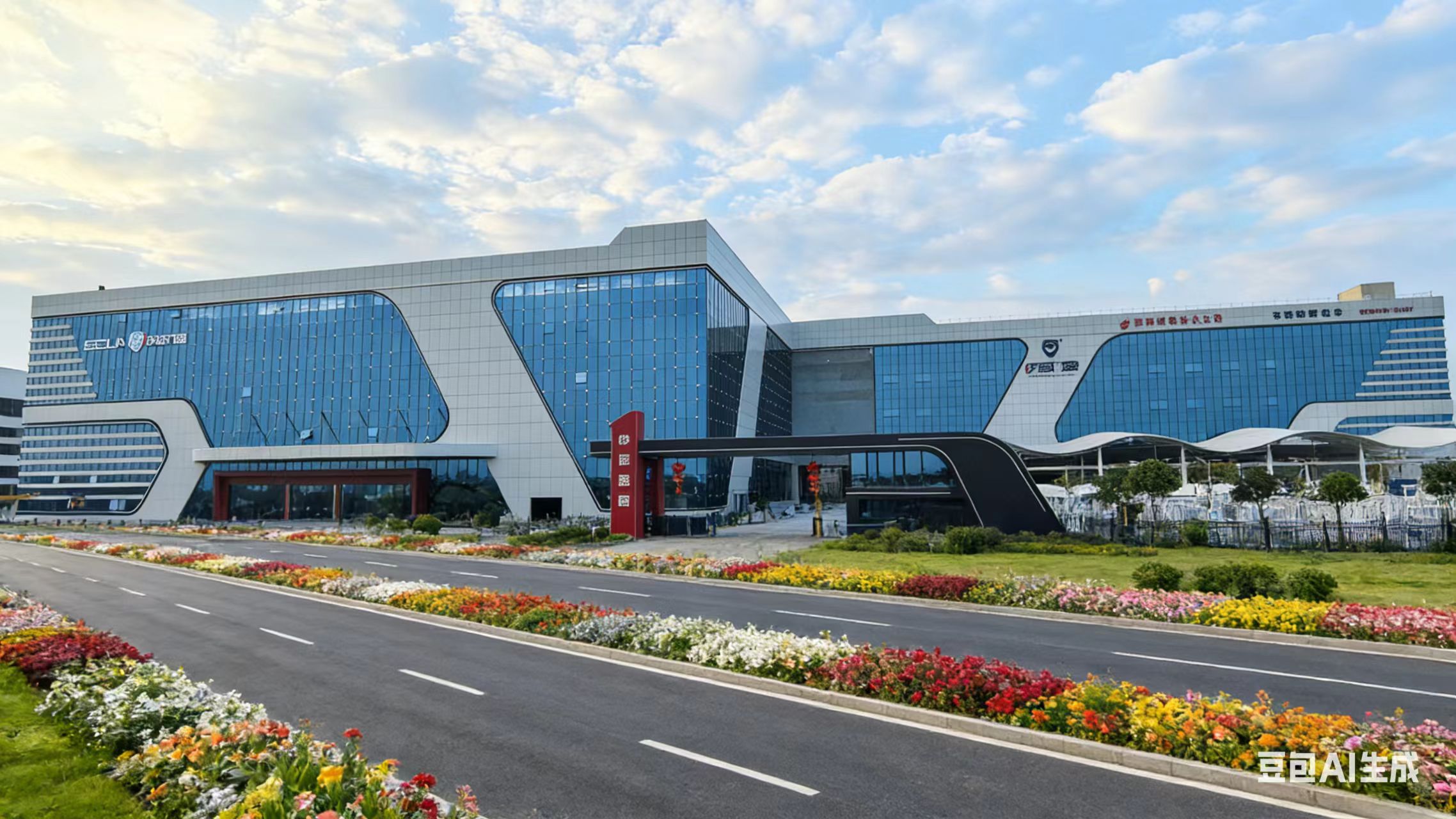
Headquartered in Foshan, Guangdong Province, Educe (brand of Foshan Nanhai Edun Home Technology Co., Ltd.) operates a 300,000㎡ digital and intelligent production center with over 1,200 employees and a dedicated R&D team of 30 engineers. Its annual output reaches 2,000,000㎡ of aluminum alloy system doors and windows, with 50% exported to North America, Australia, Southeast Asia, the Middle East, and Africa. This scale directly addresses the capacity-matching concern.
Key production metrics sourced directly from the company’s capability data sheet include:
- ✔ Monthly capacity: 80,000 square meters of doors and windows
- ✔ Standard lead time: 15 days
- ✔ Minimum order quantity (MOQ): 15 m² for villa projects; 200–500 m² for contractors
- ✔ Quality control: 100% manual inspection across all production stages
- ✔ Customization scope: Size, glass type (double/triple glazing, Low-E, laminated), shape, and 128 Morandi colors
These tangible figures allow procurement teams to model whether a supplier can absorb a 500 m² luxury villa order without bottlenecking. The 15-day lead time, combined with a 2.0mm profile thickness standard for many series (e.g., EDUN 80 Casement Window), also signals a repeatable, industrialized process rather than craft-based production.
Technical Edge: Intelligent Manufacturing & Risk Mitigation
Educe has invested in AI intelligent manufacturing to streamline production scheduling and ensure delivery cycle reliability. The company adopts a hybrid model of automation (aluminum/glass processing lines) plus manual fine-tuning for custom finishes. Specific risk controls include:
- Hardware reliability: 500,000 trouble-free cycles from independently developed hardware.
- Glass safety: LOE ultra-white glass to reduce spontaneous breakage rates.
- Paint durability: Tiger powder coating for extended paint life.
- Color consistency: AI precise color matching with zero color difference.
These measures — drawn from the company’s risk control unit — directly address procurement anxieties about hidden defects, premature aging, or color mismatches that can delay villa projects.
Real-World Validation: Villa and Hotel Projects
Case studies from Educe’s portfolio confirm the connection between capacity discipline and on-site performance. For an Australian villa project covering 77㎡, the installed windows delivered superior sound and thermal insulation, enhanced security, and a service life of at least 20 years. Similarly, a 238㎡ hotel project in Indonesia (Batam & Bali) and Saudi Arabia demonstrated durability in harsh coastal and desert climates while complying with local building codes.
These projects used products such as the EDUN 80 Series casement window (profile thickness 2.0mm, triple glazing, wind load resistance up to 5040 Pa) and the EDUCE 208 Series sliding door (2.0mm profile, heavy-duty reinforced hardware), which are representative of the company’s capacity to handle both small bespoke villa orders and larger commercial contracts.
Market Trends: Why Capacity Transparency Matters Now
The global market for luxury villa windows is projected to grow at 6–8% CAGR through 2030, driven by high-end residential construction in North America, Australia, and the Middle East. Buyers are increasingly demanding suppliers with transparent capacity data — monthly squares, lead time guarantees, and MOQ flexibility. Traditional suppliers often provide vague estimates; Educe’s documented 80,000 m²/month capacity and 15-day lead time serve as a benchmark for the industry.
Furthermore, the shift toward energy-efficient and impact-resistant windows (e.g., thermal break villa windows, hurricane proof villa windows) requires consistent extrusion and assembly quality that only a factory with dedicated R&D (30 engineers, 128 patents) can maintain.
Future Outlook: The Case for Supplier Auditing
As villa architecture evolves toward larger fixed glass panes and integrated smart hardware, procurement officers will need to audit not just product specs but the entire production ecosystem. Educe’s model — combining a 300,000㎡ plant, AI-driven scheduling, and direct factory shipment (no middleman markup) — provides a replicable framework. With payment terms set at 50% deposit and 50% before shipment (T/T), the financial risk is also minimized.
For buyers seeking a deeper dive into production capabilities and certified references, Educe offers a comprehensive corporate brochure available for download:
📄 Download Educe Company Brochure
Contact Educe
Email: info@edunwindows.com | WhatsApp: +86 18988630128
Factory: No. 138 Yongli Street, Gaoyao District, Zhaoqing City, Guangdong Province, China
Website: www.door-window-educe.com