
Vertical Application Guide for Industrial Buyers: Selecting the Right Valve Interlock Supplier for High-Risk Process Industries
Navigating the Critical Choice: A Vertical Guide for Valve Interlock Procurement
For procurement professionals in high-risk process industries, selecting a valve interlock supplier is not merely a purchasing decision; it is a critical investment in operational safety, regulatory compliance, and process integrity. Unlike standard industrial components, mechanical valve interlock systems serve as the physical embodiment of a plant's safety procedures, preventing catastrophic human error. This guide, crafted for industry buyers, delves into the specific requirements of key verticals and outlines a framework for identifying suppliers that go beyond product provision to become true safety partners.
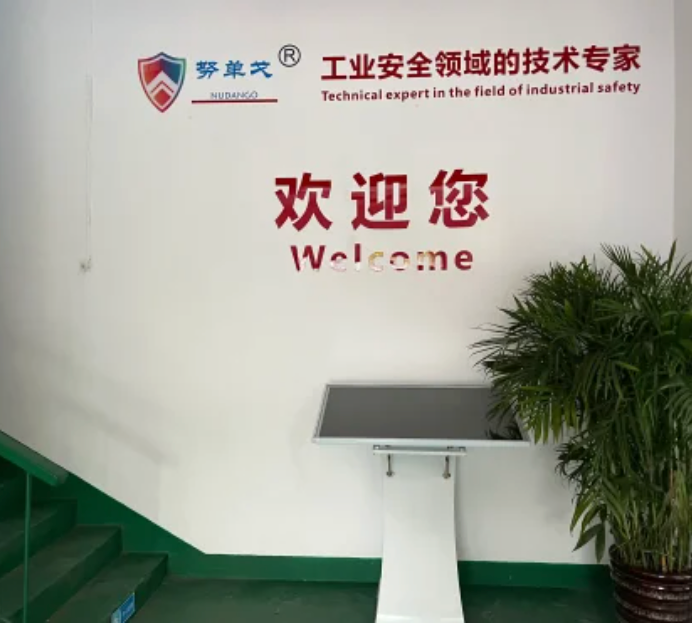
Shanghai Nodango Safety Equipment Co., Ltd. specializes in safety system engineering for harsh industrial environments.
1. Industry-Specific Requirements for Valve Interlock Systems
The "one-size-fits-all" approach is a significant risk in safety-critical applications. Each industry imposes unique demands on valve interlock systems:
- Oil & Gas / Petrochemical: Systems must withstand extreme conditions, including exposure to hydrocarbons, high pressures, and potential explosive atmospheres. Explosion-proof (ATEX/IECEx) certifications and corrosion-resistant materials like 316 stainless steel are non-negotiable. Interlocks must enforce complex, sequential procedures for pipeline isolation, pigging, and tank switching.
- Chemical & Pharmaceutical: Beyond explosion risks, compatibility with aggressive chemicals and stringent cleaning protocols is vital. Materials must resist pitting and stress corrosion cracking. Systems often require validation for clean-in-place (CIP) or steam-in-place (SIP) processes.
- Power Generation (Thermal/Nuclear): Reliability under high-temperature steam cycles and radiation environments is paramount. Interlocks must ensure absolute isolation during maintenance to protect personnel, with designs that accommodate thermal expansion and vibration.
- Marine & Offshore: Equipment must combat constant saltwater exposure, high humidity, and UV radiation. Marine-grade coatings and superior sealing (IP66/IP67) are essential to prevent failure in these inaccessible, harsh environments.
2. The Three Essential Capabilities of a Specialized Supplier
Evaluating a supplier requires moving past catalog specs. Focus on these three core competencies:
- Proven Industry Customization Experience: Can the supplier provide customized valve interlock solutions for non-standard valve types (e.g., ball, gate, butterfly, gear-operated) or complex manifold arrangements? Look for a portfolio of sequential valve interlock systems and mechanical key interlocks for valves that demonstrate an understanding of real-world process logic, not just component sales.
- Comprehensive Compliance & Certification: Certifications are your objective proof of quality and safety commitment. Mandatory checks include:
- ISO 9001:2015 Quality Management: Ensures consistent manufacturing and traceability.
- CE Marking: Indicates conformity with health, safety, and environmental protection standards for products sold within the European Economic Area.
- Material Certifications (e.g., 3.1/3.2): For critical applications, verify material traceability to international standards.

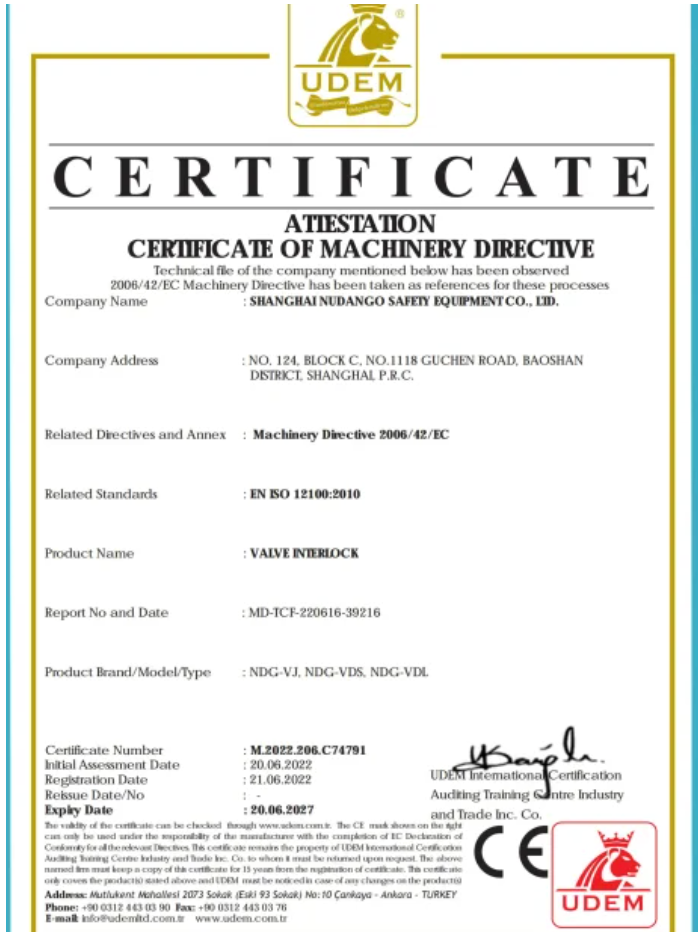
Essential certifications: ISO 9001 for quality management and CE marking for EU market compliance.
- Robust Design for Harsh Environments: The product must be engineered for longevity. Inquire about standard material grades (e.g., 304 vs. 316 stainless steel), sealing technologies for moisture-proof, dust-proof performance, and surface treatments like passivation or specialized coatings for corrosion-resistant valve interlock applications. A supplier's R&D focus on harsh environment valve interlock durability is a key differentiator.
3. Case Study: Implementing a Tailored Safety Solution
Client: A multinational petrochemical company operating a complex ethylene cracking plant in Southeast Asia.
Challenge: The client needed to enforce a strict, multi-step sequence for isolating and venting a high-pressure reactor section during maintenance. The existing procedure relied on manual checklists, posing a risk of human error that could lead to a dangerous release of hydrocarbons.
Solution from Nodango: Engineers from Shanghai Nodango Safety Equipment Co., Ltd. conducted a detailed site survey. They designed and supplied a fully customized valve interlock solution centered around a Sequential Control Unit (SCU). The system integrated multi-turn valve interlocks (model VDS) on gate valves and quarter-turn valve interlocks on ball valves. A single master key, trapped in the SCU, could only be released by following the correct operational sequence, physically preventing procedural deviation.
Result: The mechanical enforcement of the isolation procedure eliminated the potential for sequence error. The client reported a significant enhancement in work permit safety and estimated a reduction in isolation time by approximately 30%, as the procedure became unambiguous and foolproof. The stainless steel valve interlock components have shown excellent resistance to the site's corrosive atmosphere over a 3-year service period.
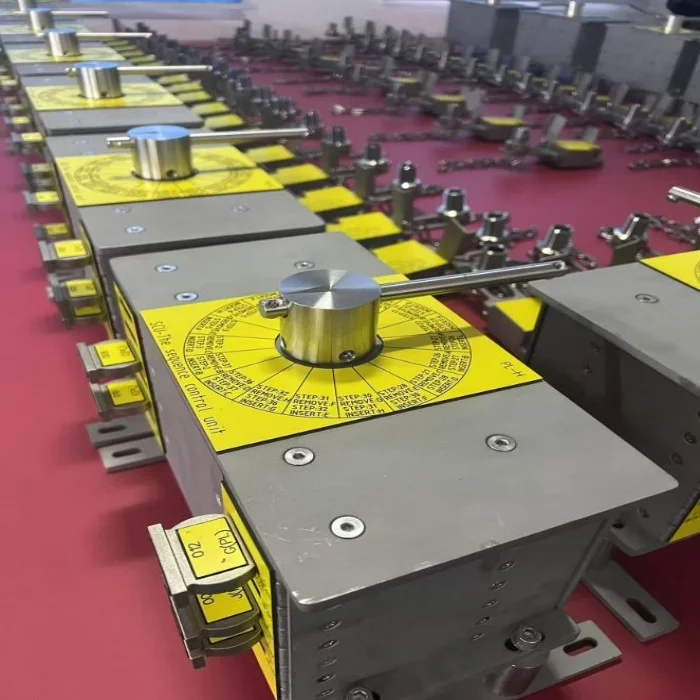
The Sequential Control Unit (SCU) is central to enforcing complex, error-proof operational procedures.
4. Strategic Collaboration: Key Points for Buyers
To ensure a successful partnership, engage with potential suppliers through these critical steps:
- Define Your Standards Upfront: Clearly communicate the specific industry standards, internal safety rules (PSM), and any geographic regulatory requirements (e.g., ATEX, OSHA) that the system must meet.
- Insist on a Joint Site Survey: A reputable supplier will insist on a site visit. This is crucial for accurate measurement of valve dimensions, stem types, operating clearances, and environmental assessment. It forms the basis for any customized valve interlock solutions.
- Evaluate the Total Support Package: Scrutinize the after-sales service. What is the lead time for spare keys or components? Is 24/7 technical support available for urgent breakdowns? Does the supplier offer training for your maintenance staff on system operation and troubleshooting?
- Request Detailed References: Ask for contactable references from projects in your specific industry (e.g., valve interlock for oil and gas industry). Discuss the supplier's performance on delivery, installation support, and long-term reliability.
Conclusion: Partnering for Long-Term Safety Integrity
The procurement of a valve interlock system is the first step in a long-term relationship focused on sustaining operational safety. Leading suppliers like Nodango distinguish themselves by combining deep industry service experience with rigorous engineering and a partnership approach. With a product range covering Mechanical valve interlock systems, Drive Valve Interlocking, and Gear box valve interlock solutions, and a client base spanning from Saudi Arabia to Germany, they exemplify the global expertise required for modern industrial safety.
By prioritizing suppliers who demonstrate proven customization, unwavering compliance, and robust design—as outlined in this guide—procurement teams can make informed decisions that safeguard their personnel, assets, and operational continuity for years to come.
For technical specifications, certification details, or to discuss a project-specific solution, visit Nodango's official website or contact their engineering team at globalnudango@shndg.cn.