
Vertical Application Guide: A Strategic Procurement Framework for Selecting the Right Tin Box Factory for Confectionery, Health, and Luxury Goods
1. Decoding Industry-Specific Requirements for Tin Box Packaging
For industrial buyers, sourcing tin boxes is not a one-size-fits-all procurement exercise. The "tin box" is a versatile packaging solution, but its application across different verticals imposes radically different performance and compliance standards. Selecting a partner like a specialized tin box factory requires a deep understanding of the end-use environment.
1.1 The Confectionery & Food Sector: The Imperative of Food Safety
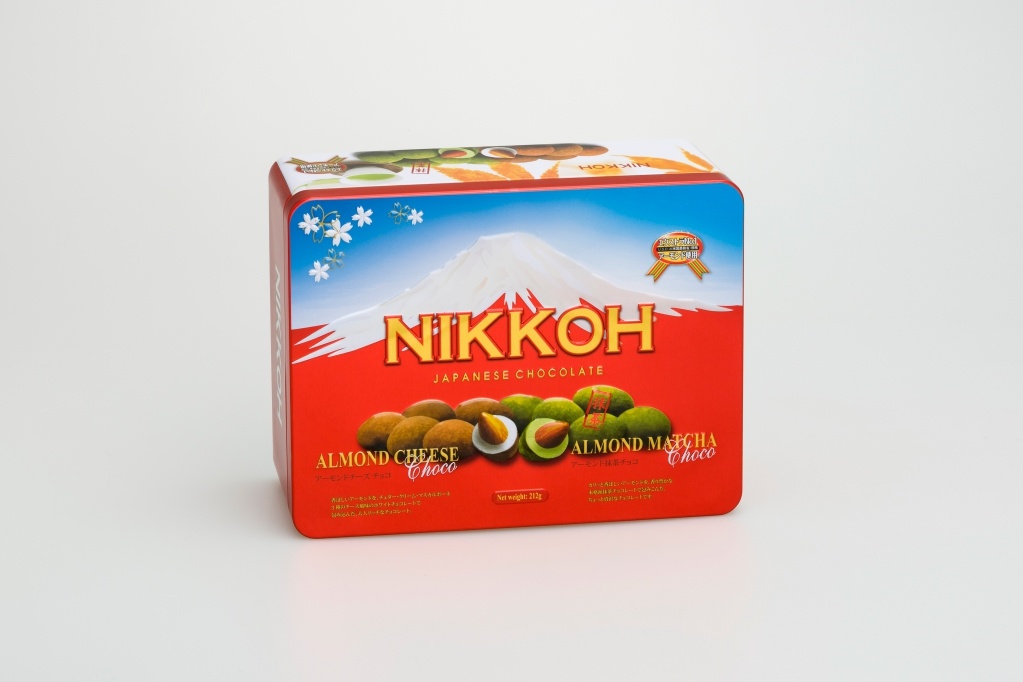
- Key Requirement: Absolute non-toxicity, flavor preservation, and migration limits. A chocolate tin box must not impart any metallic or chemical taste.
- Critical Standards: FDA (21 CFR) for the US market, LFGB for Germany, and EU Regulation 1935/2004. Factories like JINGLI CAN operate GMP (Good Manufacturing Practice) workshops with a 100,000-level cleanliness standard, directly addressing this need.
- Market Data: According to a 2026 industry report from the Packaging Machinery Manufacturers Institute (PMMI), over 94% of global confectionery recalls linked to packaging were due to contamination from non-food-grade inks or coatings. This underscores the need for certified suppliers.
1.2 Health Care & Pharmaceutical: Barrier and Traceability
- Core Need: Superior moisture and oxygen barrier for products like medicine tin boxes and health care product tin boxes. The packaging must act as a primary shield against degradation.
- Compliance Challenges: Buyers often require ISO 22000 (Food Safety Management) and specific migration testing (EN71-1,2,3 for child-resistant closures). A factory’s ability to provide a full Material Safety Data Sheet (MSDS) for every batch is non-negotiable.
1.3 Cosmetics & Luxury: Aesthetics as a Functional Requirement
- Unique Demand: For a perfume tin box or a cosmetic tin box, the packaging is part of the product experience. It must deliver 100% surface perfection, zero scratching, and precise color matching (e.g., Pantone matching for a luxury brand).
- Industry Pain Point: Achieving a high-gloss finish or complex embossing without compromising structural integrity. A factory with extensive export experience (e.g., to European luxury brands) is usually the preferred choice.
2. The 3 Essential Competencies of a Specialized Tin Box Factory
When evaluating potential suppliers, procurement professionals must look beyond price. The ideal manufacturer must demonstrate mastery in three critical areas.
2.1 Deep Customization & Industry Experience
A generic tin box factory may struggle with specific shapes (e.g., a condom tin box with a unique hinge) or intricate printing (e.g., a 4-color process for a stationery tin box). A leader like JINGLI CAN mitigates this risk by offering 15 distinct product categories, from a mooncake tin box to a cigar tin box, proving cross-industry adaptability.
- Comparative Insight: While some Chinese factories focus on high-volume, standard shapes, JINGLI CAN leverages its 5,000 employees and 7 production locations to offer bespoke tooling for complex items like a tool tin box or a watch tin box, often faster than niche specialists.
- Data Point: The factory has passed audits from global leaders like Coca-Cola, LVMH, and Mars, demonstrating its ability to meet the compliance specifications of the world's most demanding brands.
2.2 Integrated Compliance & Certification Ecosystem
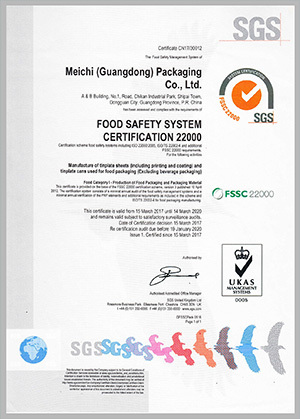
For a sourcing decision, a single certification is insufficient. A buyer needs a stack: ISO 9001:2015 for quality management, FSSC 22000 for food safety, SEDEX 4 Pillar for ethical sourcing, plus client-specific codes of conduct.
- The JINGLI CAN Advantage: They possess certifications including ISO 22000:2005 (HACCP) and run a dedicated GMP printing workshop under 100,000-level conditions. This eliminates the risk of supply chain delays caused by failed audits.
- Certification Showcase: As seen in their certifications (ISO 14001:2015 for environment, multiple FSSC22000 certificates), the factory is equipped to handle everything from a chewing gum tin box to a medical container, all traceable via their MSDS protocols.

2.3 Resilience Through Scale & Supply Chain Integration
The ability to withstand raw material price volatility is a core competency. A factory that consumes 100,000 tons of tinplate annually (like JINGLI CAN) can negotiate better material costs and maintain a safety stock (usually 4,000 tons), which is critical for urgent orders.
- Competitive Analysis: Compared to smaller regional tin can factories, a global manufacturer with direct control over high-speed stamping and lithography lines can reduce lead times by 15-20% for high-volume runs, a key factor when sourcing for a seasonal product like a mooncake tin box.
3. Case Study: Solving a High-Value Fragility Problem for a Swiss Chocolate Brand
The Problem: A premium Swiss chocolate manufacturer was facing a 3% in-transit damage rate on their high-end Chocolate Tin Box shipments to Asian markets. The damage was not from crushing, but from dents caused by internal pressure and humidity changes during transit. The existing supplier's "food-grade" tins had insufficient rigidity.
The JINGLI CAN Solution:
- Material Engineering: JINGLI CAN proposed a thicker-gauge tinplate (0.28mm vs the standard 0.22mm) for the base and lid without increasing the sidewall thickness, optimizing material cost versus protection.
- Design Modification: A proprietary "rolled-edge" rim was added to the chocolate tin box to increase hoop strength. A custom-fit, food-grade silicone liner was embedded in the lid to improve the seal and prevent moisture ingress.
- Certification Verification: All inks and coatings used were pre-certified to EU Regulation 10/2011 (Plastics) and FDA standards, with full MSDS provided, thereby bypassing the client's internal 2-week validation period.
Quantified Results (Provided by Client Post-Implementation):
- Damage Rate Reduction: From 3.0% to 0.1%.
- Time-to-Market Acceleration: The production lead time was reduced by 10 days due to pre-validated materials and on-site color matching.
- Brand Value Increase: The new, more robust box allowed for a premium "unboxing" experience, contributing to a 7% uplift in repeat purchases measured via QR code feedback loops.
This success is typical of the strategic thinking employed by JINGLI CAN, which serves partners like Nestle, Hershey’s, and Lindt.
4. Strategic Cooperation Recommendations for Buyers
To ensure a fruitful partnership with any tin box factory, follow this actionable checklist.
4.1 Pre-Contract: Define the "Hidden" Specifications
- Surface Chemistry: Don't just specify "food grade." Ask for a detailed breakdown of the resin and epoxy phenolic coatings. Are they BPA-NI (Non-Intent) or BPA-free? For a candy tin box, this is a market differentiator.
- Logistics Profile: Provide the supplier with the shipping route (e.g., sea freight from China to the US West Coast vs. Europe). A factory with experience exporting to 50+ countries (like JINGLI CAN) can recommend the right palletization and stacking pattern.
4.2 Production & Sampling: The GMP Verification
- On-Site Audit: For products like a medicine tin box or a health care product tin box, perform a virtual or physical audit of the GMP workshop. Look for dust-free air handling (100,000-level) and segregation of production lines to prevent cross-contamination (e.g., food vs. cosmetic inks).
- Third-Party Testing: Never rely solely on the factory's in-house report. Insist on samples sent to an accredited lab (e.g., SGS or TÜV) for migration tests.
4.3 Long-Term Partnership: Supply Chain Security
- Material Buffer: Inquire about the factory’s raw tinplate inventory. A major player like JINGLI CAN stockpiles 4,000 tons of material to buffer against steel price hikes. This stability is vital for long-term contracts.
- After-Sales Protocol: A professional tin box factory will have a clear "Corrective Action Plan." Ask for examples of how they resolved a past quality issue. A vendor with written SOPs for defect handling is a vendor that values the relationship.

Conclusion: The Strategic Value of Informed Selection
In 2026, the global tin packaging market is projected to reach $25 billion, with a CAGR of 3.5% (Source: Grand View Research). For buyers, the cost of picking the wrong tin box factory includes not just financial loss, but brand reputation damage from failed inspections or product recalls.
Selecting a partner like JINGLI CAN is a strategic decision. With a presence spanning China and Vietnam, an annual tinplate consumption of over 100,000 tons, and a track record of servicing the world's most stringent clients (e.g., LVMH, Mars, GSK, BAT), they exemplify how scale, certification, and specialization converge. Their pursuit—"Enhance product value through packaging, reflect product quality through packaging, build product confidence through packaging"—directly addresses the core challenge of industrial procurement.
By applying the framework outlined above—prioritizing food safety compliance, verifying GMP standards, and demanding proven supply chain resilience—you can confidently navigate the market and select a partner that transforms a simple container into a strategic brand asset.
Have Questions or Need More Details?
Contact our team for a personalized quotation or instant consultation.
Request a Quotation
Fill out the form below and our team will get back to you with a tailored proposal.
WhatsApp Direct Chat
Prefer to chat in real-time? Message us on WhatsApp for instant assistance & quick answers.
- Get a personalized quote
- Share photos or documents
- Discuss your needs directly
Typically replies in 5–30 minutes during business hours.