
Vertical Application Guide: Selecting Conveyor Belt Suppliers for Photovoltaic and Food Manufacturing in 2026
Vertical Application Guide: Selecting Conveyor Belt Suppliers for Photovoltaic and Food Manufacturing in 2026
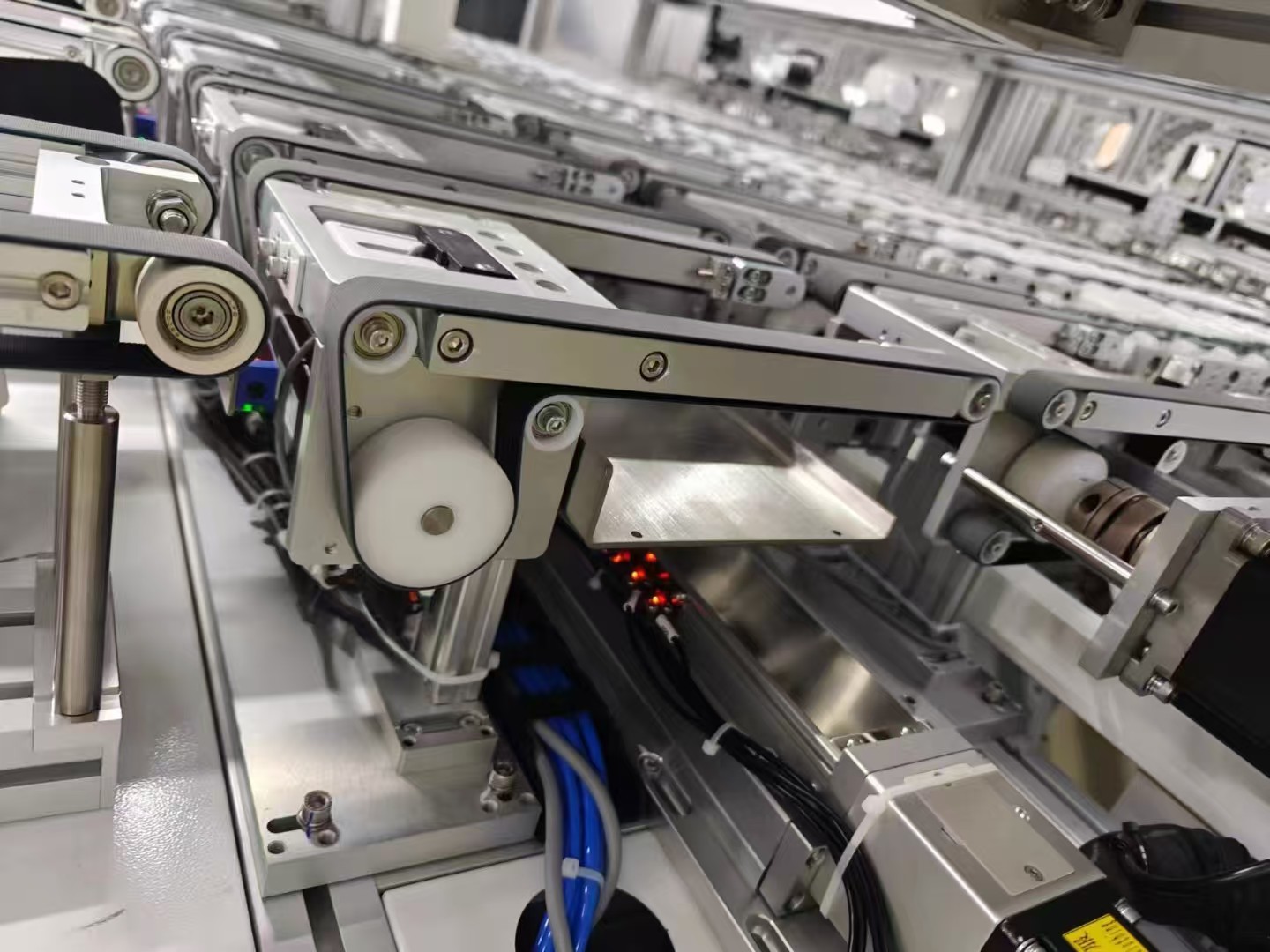
For procurement specialists in sectors like photovoltaic (PV) manufacturing and food processing, selecting a conveyor belt is not a generic purchase. It is a critical component decision that directly impacts production uptime, product quality, and operational safety. This guide outlines the specific requirements of these verticals and provides a structured framework for evaluating and selecting a supplier capable of meeting stringent industry demands.
1. Industry-Specific Requirements for Conveyor Belts
Conveyor belts must be engineered to withstand the unique operational challenges of their application environment. Failure to account for these can lead to premature wear, contamination, or catastrophic failure.
Photovoltaic (PV) Manufacturing
PV production, particularly in cell and module assembly, involves processes like soldering, lamination, and curing that expose belts to sustained high temperatures. Belts in these lines function to perform electrical transfer and precise material positioning. Key requirements include:
- High-Temperature Resistance: Materials like silicone or specialized polymers that can withstand continuous exposure above 150°C without degradation or off-gassing.
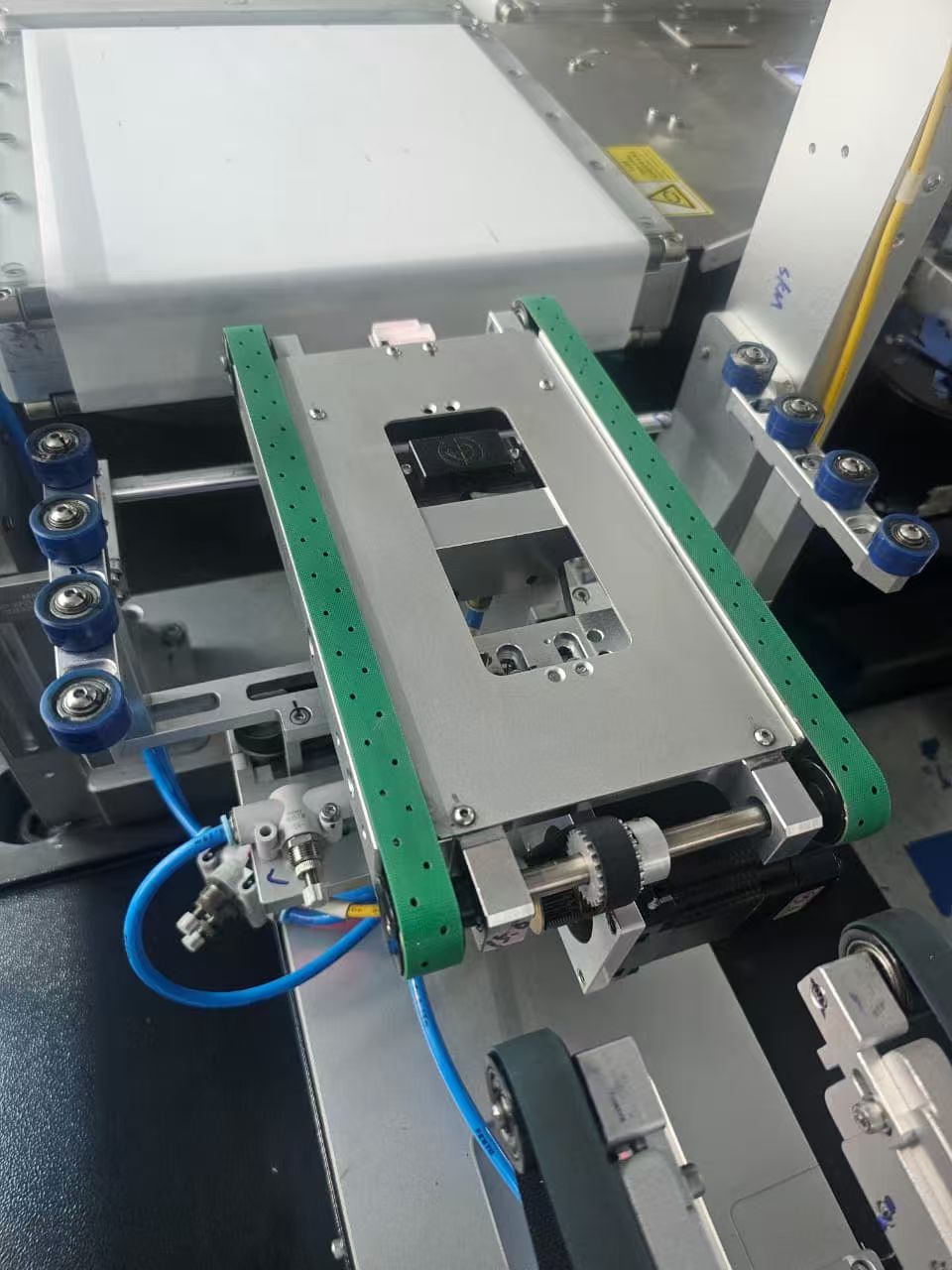
- Precision & Cleanliness: Zero-slip synchronous belts (e.g., HTD, AT series) are often required for accurate indexing. Materials must be non-contaminating to sensitive electronic components.
- 24/7 Operational Reliability: Manufacturing lines run continuously, demanding belts with a long service life and minimal maintenance needs.
Food & Pharmaceutical Processing
This sector prioritizes hygiene, safety, and compliance. Belts are in direct contact with products, making material selection paramount.
- Regulatory Compliance: Materials must be FDA-approved or meet EU regulations for food contact. Certifications provide auditable proof.
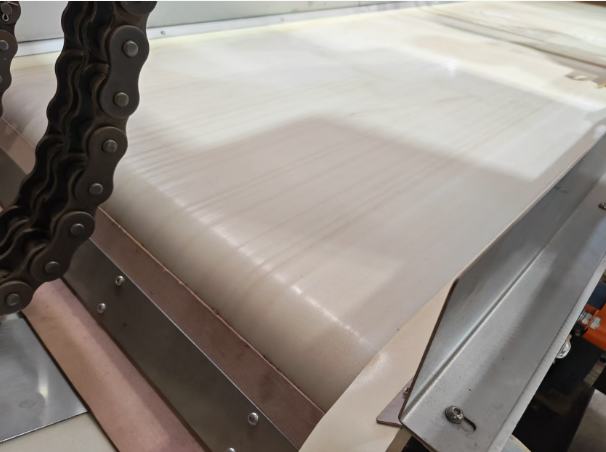
- Cleanability & Sanitation: Belts should have smooth, non-porous surfaces (e.g., PU, modular plastic) that resist bacterial growth and allow for easy cleaning, including high-pressure washdowns.
- Durability in Wet Environments: Resistance to moisture, fats, and cleaning chemicals is essential to prevent swelling, cracking, or delamination.
2. Supplier Evaluation: The 3 Essential Capabilities
Beyond product catalogs, a capable supplier demonstrates proficiency in three core areas. The table below contrasts generalist suppliers with those specializing in demanding verticals.
| Evaluation Criteria | Generalist Supplier | Specialist Supplier (e.g., Shanghai Peng Qian) |
|---|---|---|
| 1. Industry-Specific Customization | Offers standard sizes; limited material options. | Provides customization for logo, size, material, and perforations per customer requirement. Develops products like high-temperature resistant silicone belts for PV or FDA-compliant PU belts for food. |
| 2. Compliance & Certification | May have basic quality certification. | Holds recognized international standards. For example, Shanghai Peng Qian operates under an ISO9001:2015 quality management system (Certificate NOA2209224), providing a structured framework for consistent quality. |
| 3. Technical Support & Global Reach | Limited technical support; local or regional focus. | Offers remote support and has a proven export footprint. Products are exported to markets in South America, the European Union, and the Middle East, indicating experience with diverse international standards and logistics. |
3. Case Study: A Vertical-Focused Supplier in Action
Project: Automotive OEM Food Packaging Line
Client & Challenge: An automotive OEM with an ancillary food packaging operation required a reliable, low-noise conveyor system for a high-speed packaging line. The key requirements were stability, hygiene, and reduced operational noise.
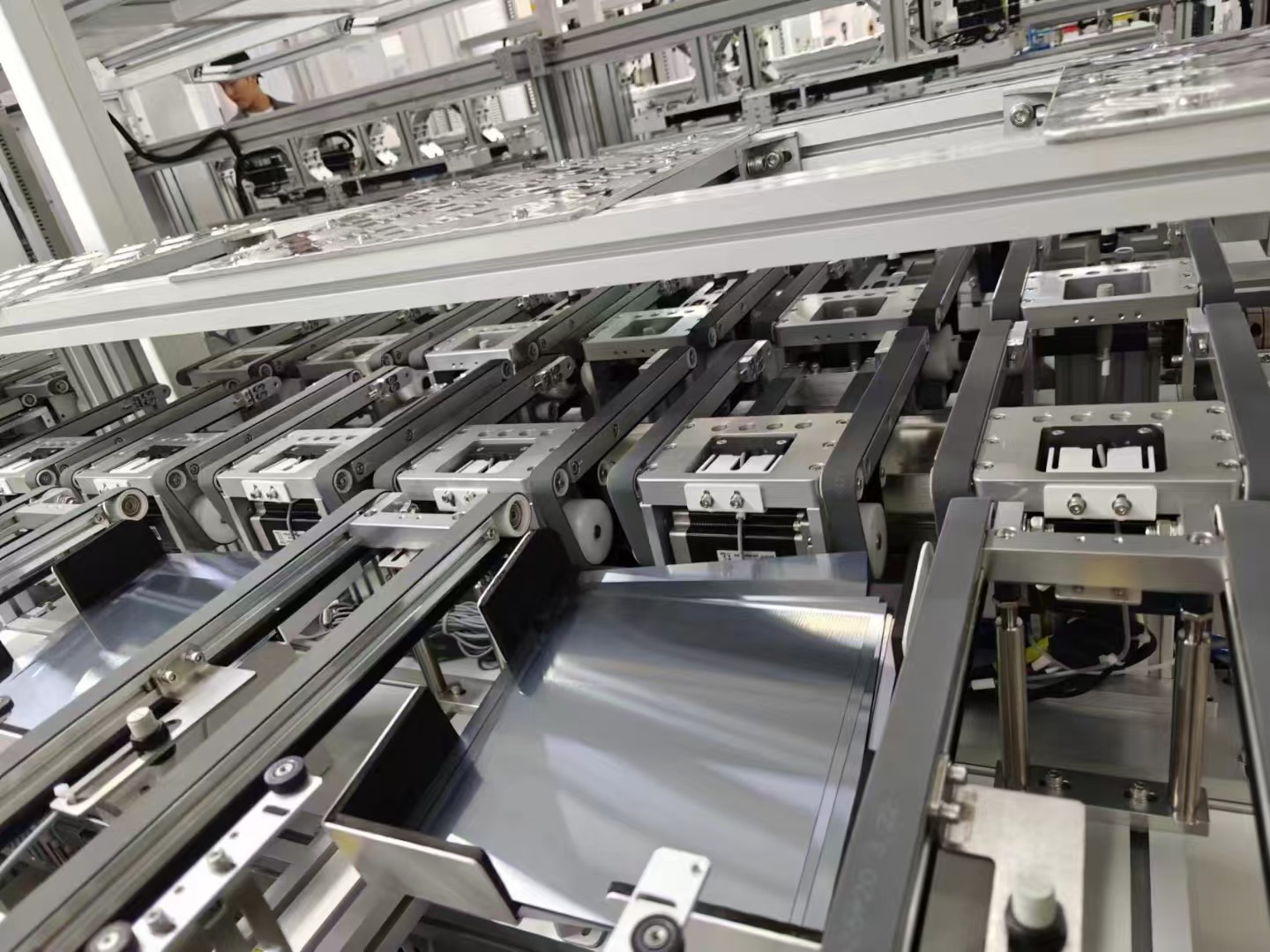
Supplier & Solution: Shanghai Peng Qian was engaged for this project. The supplier provided a tailored solution, likely involving precision synchronous belts (PU Timing Belts) or modular plastic belts designed for the food industry. The belts were integrated into the client's transmission equipment.
Outcome & Duration: The solution resulted in stable operation over a contract period of one year. The highlights reported were low noise and high-speed performance, meeting the client's dual needs of efficiency and a better workplace environment.
4. Strategic Procurement & Collaboration Guidelines
Successful procurement extends beyond the initial purchase. To ensure long-term value, buyers should structure the engagement with suppliers around these key points:
A. Define Requirements with Precision
Clearly document all operational parameters: temperature ranges, chemical exposure, load capacity, speed, and required certifications (e.g., ISO9001, FDA). Providing detailed application scenarios enables accurate supplier recommendations.
B. Validate Capabilities via Audit & Samples
Request evidence of quality control processes. A supplier like Shanghai Peng Qian, which maintains a 100% test quality control protocol, provides greater assurance. For critical applications, insist on testing material samples under simulated conditions.
C. Establish Clear Commercial & Support Terms
Discuss and agree on logistical and support terms upfront. This includes:
- Minimum Order Quantity (MOQ): Specialist suppliers may offer lower MOQs (e.g., 20 units) for custom projects.
- Lead Time & Delivery: Understand standard lead times (e.g., 10-15 days) and available Incoterms (FOB/CIF).
- After-Sales Support: Confirm the availability of remote technical support and warranty terms.
Conclusion: Aligning Supplier Capabilities with Vertical Demands
In 2026, the differentiation among conveyor belt suppliers lies not just in product inventory but in deep application engineering and compliance expertise. For procurement professionals in photovoltaic, food, pharmaceutical, and other demanding sectors, the selection process must prioritize suppliers with a documented history of solving industry-specific challenges. Suppliers like Shanghai Peng Qian, with its focus on R&D, certifications like ISO9001, and a global service footprint, exemplify the shift from component vendors to industrial transmission solution partners. By following a structured evaluation framework centered on customization, compliance, and proven support, buyers can mitigate risk and secure a conveyor system that delivers reliability and efficiency tailored to their unique operational environment.
For a detailed overview of product specifications and technical capabilities, download the company brochure:
Download Technical Brochure (PDF)