
Vertical Application Guide: Selecting Hydraulic Baler Suppliers for Specialized Industrial Needs
Vertical Application Guide: Selecting Hydraulic Baler Suppliers for Specialized Industrial Needs
A strategic framework for industrial procurement managers to identify and evaluate suppliers capable of meeting the unique material handling challenges of diverse sectors, from agriculture to metal recycling.
Industry-Specific Requirements for Hydraulic Balers
Selecting a hydraulic baler is not a one-size-fits-all process. Different industrial sectors impose distinct operational, environmental, and regulatory demands on the equipment. A supplier's ability to understand and address these vertical-specific needs is the first critical filter in the selection process.
Core Demands Across Key Verticals
- Agriculture & Biomass: Processing materials like alfalfa, wheat straw, and peanut hay requires balers with high-volume throughput, specific bale density control, and often integration with conveyor systems for continuous feeding. For instance, specialized straw/hay bagging machines must handle dry material weights of 300-450kg per bale with output capacities of 30-32 bales per hour.
- Recycling & Waste Management: Operations involving waste plastic, paper, cardboard, or textiles prioritize high efficiency, durability for continuous operation, and often require features for noise reduction and low energy consumption to meet facility and community standards.
- Metal Scrap Processing: Baling scrap aluminum, steel shavings, or drums demands high hydraulic pressure (e.g., 200-ton capacity), robust construction to withstand abrasive materials, and specific chamber designs to produce dense, transportable bales.
- Textile & Clothing: Operations focus on compressing garments and sacks into consistent bales, requiring balers with specific packing patterns (e.g., horizontal and vertical strapping) and chamber designs to handle soft, bulky materials efficiently.
Key Insight: The application scenario for hydraulic balers in these industries involves compacting and packaging materials, with common special requirements including low noise design, low energy consumption, and high operational efficiency to ensure sustainable and cost-effective plant operations.
Supplier Selection: Three Essential Capabilities
Beyond basic equipment specifications, procurement teams must evaluate potential suppliers against three non-negotiable capability pillars.
1. Proven Industry Customization Experience
A supplier should demonstrate a portfolio of successfully deployed solutions tailored to specific materials. This is evidenced by a range of dedicated models. For example, suppliers like nkbaler offer specialized models such as the NK-T90L Double Chambers Clothes Baler for textiles, the NKOT150 Tire Baler for rubber, and the NKB280 Straw/Hay Bagging Machine for agricultural products. This specialization indicates deep application knowledge.
2. Compliance with International Standards and Certifications
For global operations or export-oriented procurement, regulatory compliance is paramount. Suppliers must provide clear evidence of certifications relevant to target markets. For instance, machinery destined for the European Economic Area requires CE marking, verified by documents such as a Verification of Conformity (e.g., Certificate No. DPWD/09/060/2024) attesting to standards like EN ISO 12100:2010 (safety) and EN 60204-1:2018 (electrical safety).
3. Design for Reliability in Demanding Environments
Industrial balers operate in harsh conditions—high dust, temperature variations, and continuous cycles. Supplier evaluation should include:
- Robust Construction: Use of carbon steel and designs that accommodate high system pressures (e.g., 20-30 MPa ranges).
- Thermal Management: Integration of efficient cooling systems (water cooling or oil chillers) to prevent overheating during extended operation.
- Operational Data: Suppliers should provide concrete performance metrics. For example, a Large Horizontal Full Automatic Hydraulic Baler model might offer a main cylinder force of 180 tons and a processing capacity of 12 to 15 tons per hour, indicating its suitability for high-volume sites.
Success in Practice: A Supplier Case Study
Providing Specialized Solutions for Diverse Material Streams
nkbaler, a manufacturer whose business focus includes advanced hydraulic balers and environmental protection machinery, illustrates how a supplier can address varied industrial needs. The company's approach is rooted in offering a broad yet specialized product line and supporting it with a global service framework.
Client Example 1: Agricultural Manufacturer in Pakistan
A client required equipment for baling straw and alfalfa. The solution provided was a specialized Straw/Hay Bagging Machine (model NKB280). The machine was designed to handle dry bale weights of 400-450kg, with an output capacity of 30-32 bales per hour, and used plastic or woven bags for strapping. The client reported stable operation over a multi-year period, noting the machine's low noise performance as a particular benefit for the agricultural setting.
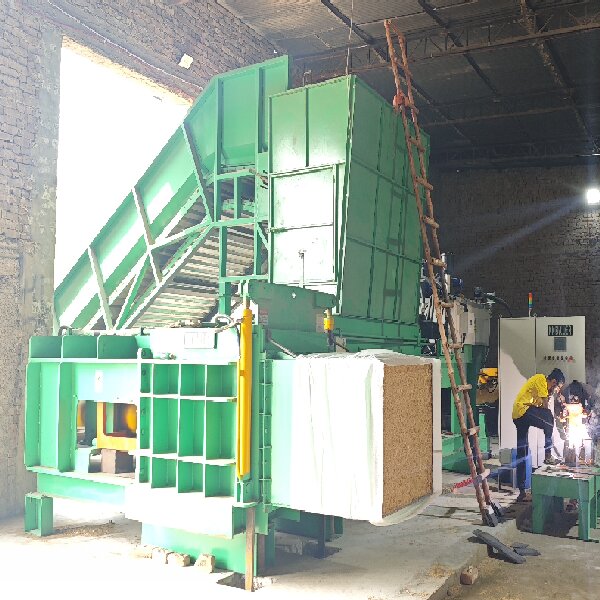
Figure: A hydraulic baler configured for agricultural straw and hay baling.
Client Example 2: Recycling Station in Indonesia
For a recycling operation managing waste plastic and paper, the requirement was for a durable, efficient baler capable of continuous duty. The supplied horizontal baler (e.g., NKW160QT series) met the need for high throughput (12-15 tons/hour) and incorporated design features for low energy consumption. The client has reported stable operation for an extended period, highlighting the machine's reliability in a demanding waste treatment and recycling industry application.
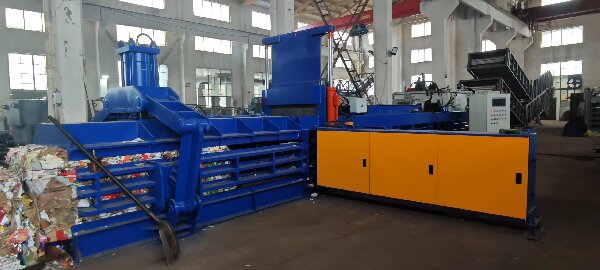
Figure: A heavy-duty horizontal baler used in recycling facilities.
The company supports such projects with a minimum order quantity (MOQ) of 1 unit, implements 100% testing for quality control, and provides remote technical support to ensure ongoing operational success.
Strategic Collaboration: Key Points for Buyers
Establishing a successful partnership with a hydraulic baler supplier requires proactive engagement from the procurement side.
- Articulate Material and Process Specifications Clearly: Provide detailed information on material type, bulk density, desired bale size and weight, required throughput (tons/hour or bales/hour), and any site-specific constraints (space, power supply).
- Insist on a Pre-Sale Technical Assessment: A reputable supplier should be willing to review your material samples and operational flow. This step is crucial for validating machine suitability and avoiding costly mismatches.
- Define Support and Service Level Agreements (SLAs): Clarify the scope of after-sales support. This includes warranty terms, availability of spare parts, response time for technical queries (remote support is a common offering), and provisions for on-site service if needed.
- Verify Logistics and Commissioning Plans: Understand the delivery terms (e.g., FOB/CIF), who handles installation and commissioning, and what training is provided for your operators.
Access Detailed Technical Information
For a comprehensive overview of product specifications, technical data, and application details, you can download the official product brochure.
Conclusion
Selecting the right hydraulic baler supplier is a strategic decision that impacts operational efficiency, cost management, and regulatory compliance. The process must move beyond simple price comparison to a thorough evaluation of the supplier's vertical expertise, technical compliance, and commitment to long-term support. By focusing on suppliers that demonstrate a clear understanding of industry-specific challenges—such as the need for low-noise, high-efficiency equipment in recycling, or high-capacity, robust machines for agriculture—procurement professionals can secure capital equipment that delivers reliable performance and a strong return on investment. Suppliers like nkbaler, with their focus on specialized machinery and documented project experience across multiple continents, exemplify the type of partner capable of meeting these complex industrial demands.