
Vertical Application Guide: Selecting the Right Screw Press Sludge Dewatering Supplier for Your Industry's Unique Demands
Vertical Application Guide: Selecting the Right Screw Press Sludge Dewatering Supplier for Your Industry's Unique Demands
Industry Focus: Wastewater Treatment & Sludge Management | Last Updated: May 2026
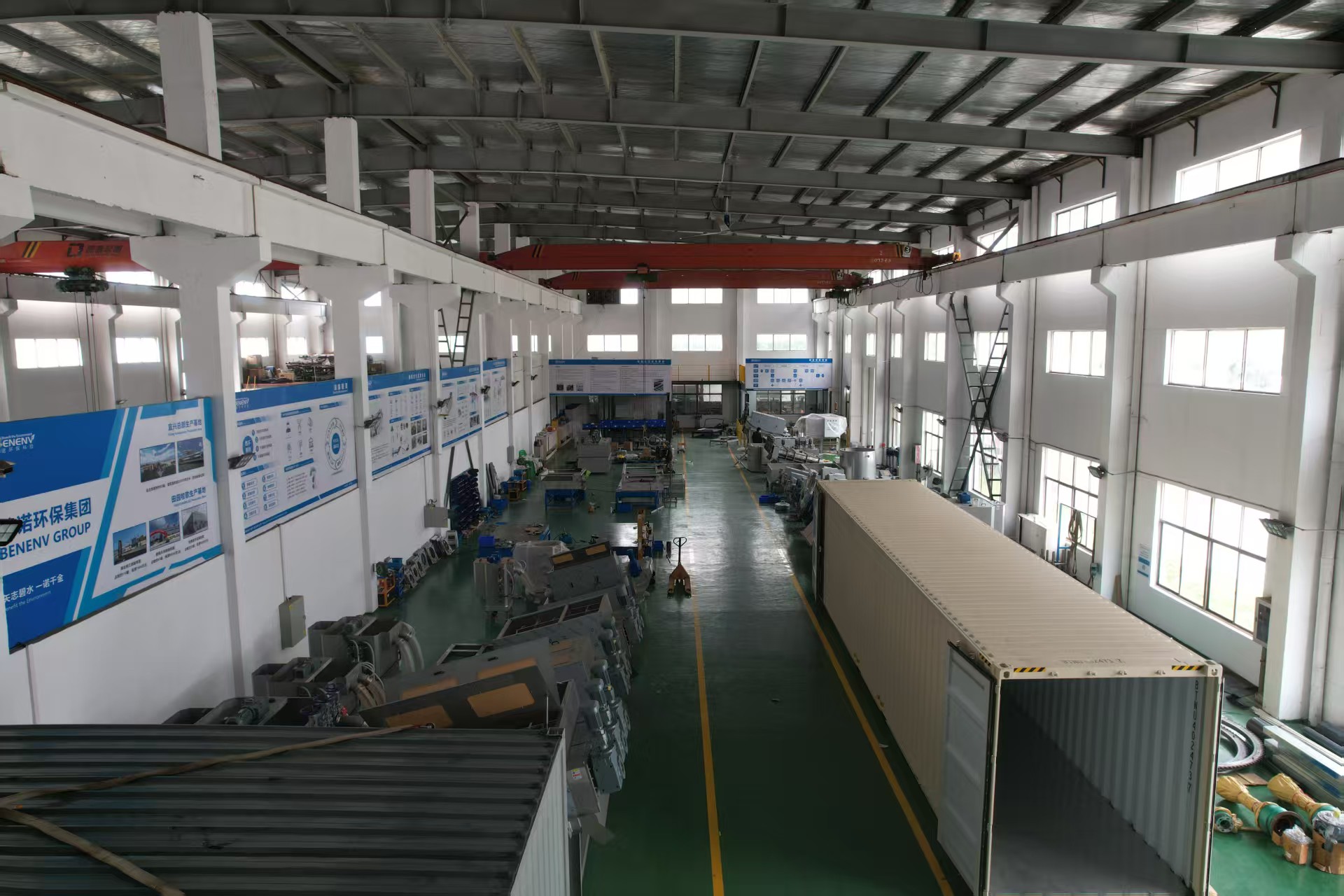
For procurement managers and plant engineers, selecting a screw press sludge dewatering machine is not a one-size-fits-all decision. The efficacy of a sludge dewatering system is intrinsically tied to its adaptation to specific industrial processes, sludge characteristics, and regulatory environments. A generic dewatering press machine may handle standard municipal sludge but fail catastrophically in a high-corrosion chemical plant or a space-constrained food processing facility. This guide provides a structured framework for industrial buyers to identify suppliers capable of delivering not just equipment, but a vertically integrated sludge dewatering solution.
1. Industry-Specific Requirements for Sludge Dewatering
The core challenge lies in the vast divergence of sludge properties and operational contexts across sectors. A supplier's understanding of these nuances is the first filter in the selection process.
Municipal Wastewater Treatment
- Core Demand: High throughput, reliability, and low operational cost for large, continuous volumes.
- Sludge Characteristic: Primarily organic, varying seasonally in composition and volume.
- Key Consideration: System must be robust for 24/7 operation with minimal downtime. Automation and integration with existing municipal sludge dewatering system controls are critical.
Industrial & Manufacturing (Chemical, Pharmaceutical, Textile)
- Core Demand: Corrosion resistance, handling of toxic or hazardous sludge, and compliance with strict effluent standards.
- Sludge Characteristic: Often contains heavy metals, solvents, or complex polymers. Can be highly abrasive or viscous.
- Key Consideration: Materials of construction (e.g., 316L/904L stainless steel, special coatings). Design for safe containment and washdown. Expertise in industrial sludge dewatering machine design is non-negotiable.
Food & Beverage Processing
- Core Demand: Hygienic design, easy cleanability (CIP - Clean-in-Place), and often, recovery of valuable by-products.
- Sludge Characteristic: High in fats, oils, grease (FOG), and organic solids. Can be nutrient-rich.
- Key Consideration: Equipment must meet food-grade standards. Seals and surfaces must prevent bacterial harborage. The screw press dewatering device should facilitate potential resource recovery.
Pulp & Paper, Mining
- Core Demand: Extreme durability to handle highly abrasive inorganic solids (e.g., clay, sand, mineral tailings).
- Sludge Characteristic: Abrasive, high ash content, often with high pH or salinity.
- Key Consideration: Wear-resistant components (hard-faced screws, hardened liners). High torque capability for dense sludge. The screw type sludge dehydrator is essentially a wear-part management challenge.
2. The 3 Essential Capabilities of a Specialized Supplier
Beyond a standard product catalog, a qualified supplier must demonstrate competencies that directly address the vertical challenges outlined above.
2.1 Proven Vertical Application Experience & Customization
The supplier should have a documented portfolio of projects within your specific industry. Look for case studies detailing sludge analysis, custom modifications (e.g., special screw geometries, screen types, material upgrades), and performance data. A supplier like Benenv, with its "Japanese Technology + Chinese Manufacturing + Global Sales" model, leverages its dedicated R&D center to tailor its MDS series multi plate screw press for diverse global applications, from standard municipal plants to complex industrial effluents. This translates to a sludge dewatering unit engineered for the problem, not retrofitted to it.
2.2 Design for Harsh Environments & Longevity
Industrial environments are punishing. The supplier's manufacturing philosophy must prioritize durability. This includes:
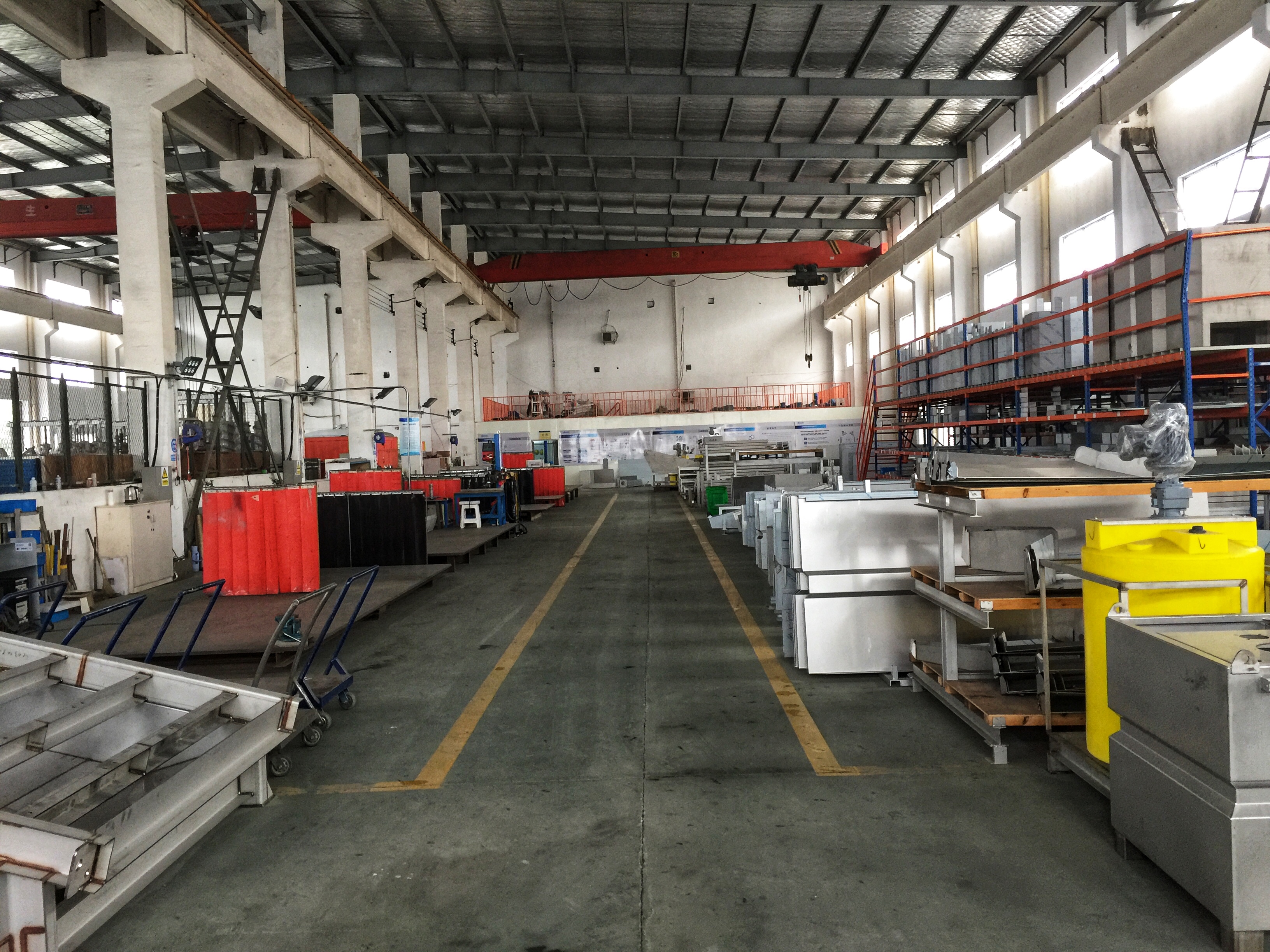
- Robust Construction: Heavy-duty frames, precision-machined components, and industrial-grade drives.
- Material Science: Selection of alloys and composites based on corrosion/abrasion charts, not just cost.
- Sealing & Protection: IP-rated enclosures for motors and controls, especially for outdoor or washdown areas.
2.3 Technical Support & Lifecycle Service Alignment
The relationship begins at commissioning, not ends at delivery. A specialized supplier offers:
- Pre-Sales Sludge Testing: Willingness to conduct lab or pilot tests on your specific sludge stream to predict performance and optimize design.
- Global Support Network: For multinational companies, having local or regional technical support is crucial for spare parts and emergency service. Benenv, with subsidiaries in Japan and Dubai and agents in over 18 countries, exemplifies this global-local support structure.
- Comprehensive Training & Documentation: Empowering your team to operate and maintain the automatic sludge dewatering system efficiently.
3. Success in Action: A Benenv Industrial Application Case
Client: A large chemical manufacturing complex in Southeast Asia.
Challenge: Dewatering sludge from multiple process streams containing abrasive catalysts and corrosive intermediates. Existing equipment suffered from rapid screw and screen wear, leading to frequent breakdowns and inconsistent cake dryness (<18% DS). Disposal costs were escalating.
Benenv Solution: The engineering team conducted an on-site sludge audit and pilot test using a mobile screw press for sludge dewatering. The solution involved:
- Customizing an MDS series screw press dehydrator with tungsten carbide-hardened screw flights and screens.
- Upgrading construction materials for key wetted parts to super duplex stainless steel for enhanced chloride resistance.
- Integrating a polymer conditioning system optimized for the specific ionic strength of the wastewater.
4. Strategic Collaboration: Key Points for Buyers
To ensure a successful partnership, structure your engagement with potential suppliers around these critical points:
- Define Requirements with Precision: Provide potential suppliers with comprehensive data: sludge volume, TS/VS, pH, temperature, chemical composition, and site layout constraints. The more data shared, the more accurate the proposal.
- Insist on a Pilot Test: Never skip this step for a non-standard application. A pilot run of the screw sludge press with your actual sludge is the only reliable way to verify performance claims on cake dryness, throughput, and polymer consumption.
- Evaluate the Total Cost of Ownership (TCO): Look beyond the initial CAPEX. Calculate energy consumption, polymer usage, expected wear part replacement costs, and estimated maintenance labor. A slightly higher initial investment in a more durable, efficient machine like those from experienced manufacturers often yields a far lower TCO.
- Clarify After-Sales Protocol: Before signing, agree on: warranty terms, spare parts availability (lead times), response time for technical support, and availability of operation & maintenance manuals. Suppliers with a track record of over 4,500 project references in more than 60 countries, such as Benenv, typically have this protocol well-established.
Conclusion: Partnering for Performance
Selecting a screw press sludge dewatering supplier is a strategic decision that impacts your operational efficiency, compliance, and bottom line for years. By focusing on suppliers with demonstrable vertical expertise, a commitment to durable and customizable engineering, and a global support infrastructure, you move from purchasing a piece of equipment to securing a long-term processing solution. Leading providers in this space have evolved from simple equipment vendors to solution partners, capable of navigating the complexities of wastewater sludge dewatering, DAF sludge dewatering, and sewage sludge dewatering across the industrial spectrum.
For procurement specialists seeking a partner with a fusion of advanced R&D and large-scale project execution, evaluating a company's integrated capabilities—from its technology platform and manufacturing rigor to its global service footprint—is the definitive path to a successful, high-performance dewatering investment.
For technical consultations or sludge testing inquiries, contact:
JIANGSU BENENV ENVIRONMENTAL TECHNOLOGIES CO., LTD
Contact: Roman | Email: manager@benenv.com
Tel: +86 18921318788 | WhatsApp: +86 12138541513
Address: Xieqiao Industry Park, No.28 Yuedong Rd, Yixing, China
Website: https://en.benenv.com