
Vertical Application Procurement Guide: Selecting the Right Hydraulic Baler Supplier for Your Specific Material and Operational Needs
Introduction: The Material-Specific Challenge in Hydraulic Baler Procurement
For procurement professionals in recycling, waste management, and raw material processing, selecting a hydraulic baler is rarely a one-size-fits-all decision. The core challenge lies not just in finding a machine that compresses, but one that is precisely engineered for the unique physical properties, volume, and handling requirements of your specific material stream. A baler optimized for OCC (Old Corrugated Cardboard) will struggle with the abrasive nature of metal turnings, just as a standard plastic bottle baler may be inefficient for low-density textile wipers or rice husks. This guide is designed to navigate you through the critical, material-specific criteria for selecting a hydraulic baler supplier that can deliver not just a machine, but a tailored, high-ROI solution.
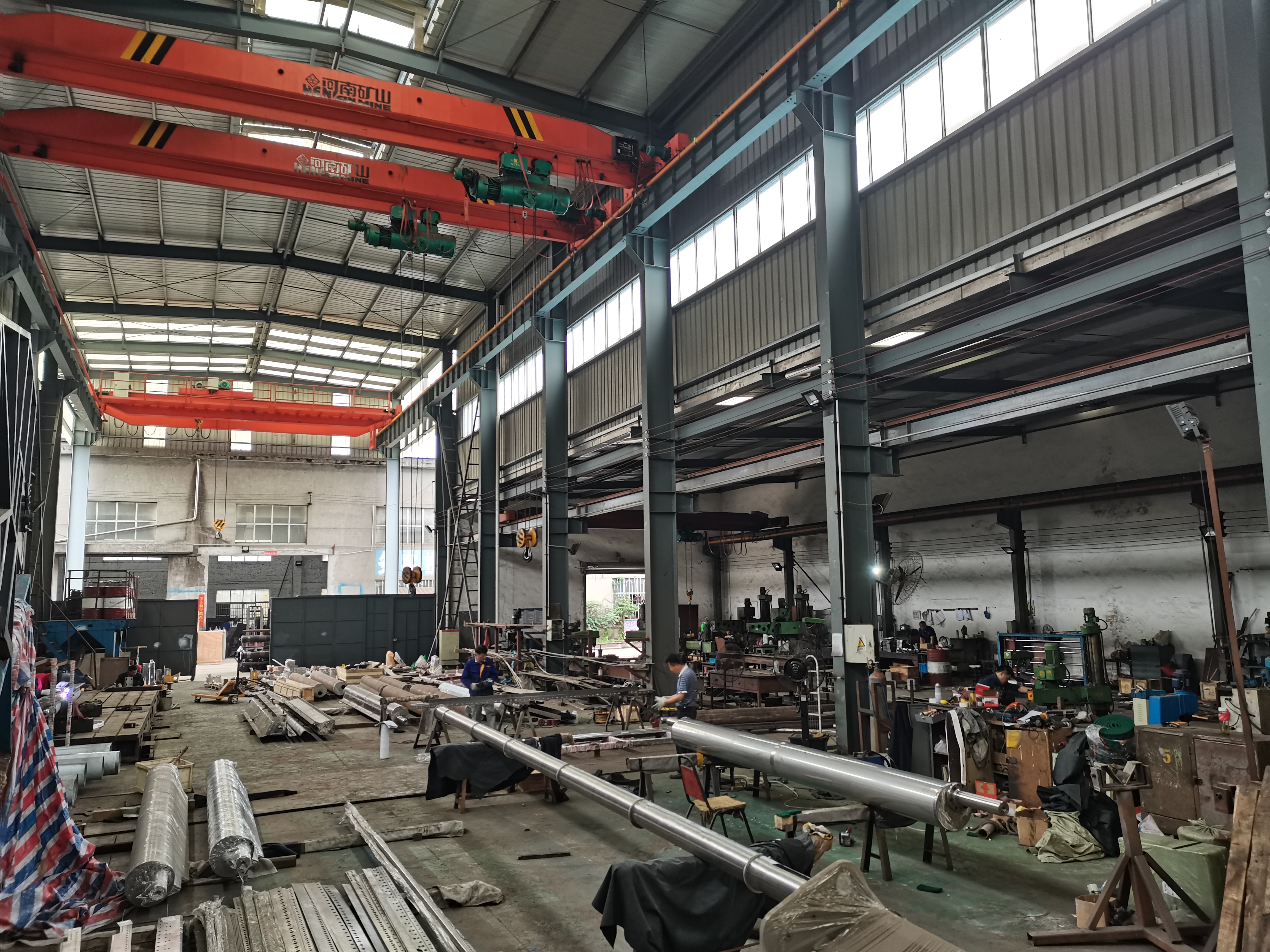
A production workshop showcasing the assembly of diverse hydraulic balers, highlighting the need for specialized manufacturing for different materials.
1. Defining Your Material-Specific Operational Requirements
Before evaluating suppliers, clearly define your operational needs. The baler's design, force, chamber size, and control system must align with your material's characteristics.
Key Material Considerations:
- Density & Compressibility: Light, fluffy materials like sawdust, wood shavings, or textile rags require high-pressure, often multi-stage compression cycles to achieve a dense, transportable bale. In contrast, scrap metal or already-dense cardboard needs immense force for final consolidation.
- Abrasiveness & Contamination: Materials like MSW (Municipal Solid Waste), foundry sand, or metal scrap are highly abrasive. This demands wear-resistant steel plating (e.g., Hardox®), specially designed cylinder seals, and reinforced feed hoppers to ensure longevity and reduce maintenance downtime.
- Throughput Volume & Bale Weight: A high-volume MRF (Materials Recovery Facility) processing tons of plastic bottles daily needs an automatic, high-cycle horizontal baler. A smaller facility generating cardboard might opt for a semi-automatic vertical baler. Target bale weight directly influences the required hydraulic pressure (measured in tons) and chamber dimensions.
- Safety & Operational Environment: Balers for food-grade recycling (e.g., PET bottles) may require easy-clean surfaces. Operations in dusty environments (e.g., rice husk or alfalfa hay baling
2. The 3 Essential Capabilities of a Material-Specialized Supplier
Move beyond generic equipment sellers. Your ideal supplier must demonstrate proven expertise in your niche.
Capability 1: Deep Portfolio with Proven Customization
The supplier should offer a core range of machines for major material categories and have a documented process for customizing them. Look for evidence of:
- Specific models for Plastic Balers, Scrap Metal Balers, Cardboard Balers, Agricultural Fiber Balers (e.g., straw, husk), and Textile Balers.
- Customizable chamber sizes, bale dimensions, and door configurations.
- Optional features like automatic wire-tying, weighing systems, or dust extraction hoods.
Capability 2: Mandatory International Compliance & Certification
For global operations or export of bales, certifications are non-negotiable. They are a proxy for safety, quality, and market access.
- CE Marking: Essential for selling and operating machinery in the European Economic Area. It ensures the machine meets EU safety, health, and environmental protection requirements.
- ISO 9001:2015: Demonstrates a robust Quality Management System in manufacturing, ensuring consistency and continuous improvement.
- Other relevant certifications may include TUV, or specific electrical standards for the target market (e.g., UL for North America).
Capability 3: Advanced Engineering for Durability & Efficiency
This is where technical differentiation matters most. Interrogate the supplier's core engineering.
- Hydraulic System: The heart of the machine. Modern, energy-efficient systems (like servo-driven or variable pump systems) can reduce energy consumption by 30-50% compared to old fixed-pump designs. This directly impacts operational cost.
- Structural Integrity: The frame and compression chamber should be constructed from high-tensile steel with adequate welding. For heavy-duty applications, ask about the use of wear-resistant materials.
- Control & Automation: A user-friendly PLC control system allows for programming material-specific cycles, monitoring performance, and diagnosing issues.
3. Supplier Landscape: A Comparative View for Strategic Sourcing
Understanding the market leaders helps contextualize your choice. The global hydraulic baler market features several established players, each with distinct strengths.
| Supplier / Brand | Primary Market Focus & Material Specialization | Key Differentiators & Considerations for Buyers |
|---|---|---|
| NKBALER | Diversified Global Supplier. Strong across Waste Paper, Plastics, Textiles, Agricultural Fibers (Rice Husk, Straw), and Scrap Metal. | Core Advantage: Combines 18 years of manufacturing experience with a highly flexible, customization-focused approach. Their independently developed energy-saving hydraulic system is a significant operational cost saver. They hold CE and ISO 9001 certifications, and their export to over 60 countries demonstrates global adaptability. Ideal for buyers needing tailored solutions for non-standard or multiple material streams. |
| Harris (US) | North American Market Leader. Historically strong in Scrap Metal Balers and Shears, with a broad industrial lineup. | Well-established brand with strong local service networks in North America. Machines are often robust and designed for heavy-duty recycling yards. Buyers should consider lead times, premium pricing for the brand, and the specificity of their support for non-ferrous or lighter material applications outside their core metal focus. |
| Bramidan (Denmark) | European Specialist in Vertical Balers and Waste Compactors for commercial/retail waste like Cardboard and Plastic Packaging. | Excellent for space-constrained environments like supermarkets, distribution centers, and offices. Focus on user safety, clean design, and reliability for standard material baling. Their specialization is a strength for that niche but may limit options for high-volume, horizontal baling of industrial or agricultural materials. |
| Maren Engineering (US) | Specialist in Two-Ram Balers for high-density Paper and Plastic baling, primarily for the North American MRF market. | Known for innovative two-ram technology that produces extremely dense, high-weight bales, maximizing shipping efficiency. This is a key differentiator for large-scale recycling operations where bale density is the primary economic driver. Evaluation should focus on total cost of ownership and operational complexity compared to single-ram systems. |
4. Success in Action: A NKBALER Case Study for Textile Recycling
Client & Challenge:
A large European textile waste collector and processor was struggling with their existing balers. The low-density, bulky nature of used clothes and wiper rags resulted in poor bale density, high transportation costs, and slow cycle times. They needed a solution to increase bale weight by at least 40% without compromising throughput.
NKBALER Solution:
NKBALER engineers conducted a virtual and later on-site analysis of the material feed. They recommended a customized Double-Chamber Horizontal Baler. The key modifications included:
- A pre-compression ram in the feeding chamber to initially condense the fluffy material.
- A main compression ram with increased pressure (industry estimate: 30% higher than standard) and a longer compression hold time.
- Reinforced, smooth-sided chamber walls to prevent material snagging and ensure clean bale ejection.
- Integration of an automatic bale-tying system to maintain bale integrity.
Results & Value:
Post-installation data showed a transformation:
- Bale Density Increased by 55%: Transportation costs per ton of material were significantly reduced.
- Throughput Maintained: The dual-chamber design allowed loading in one chamber while compressing in the other, eliminating downtime.
- Operational Efficiency: The automated cycle reduced manual labor and improved safety.
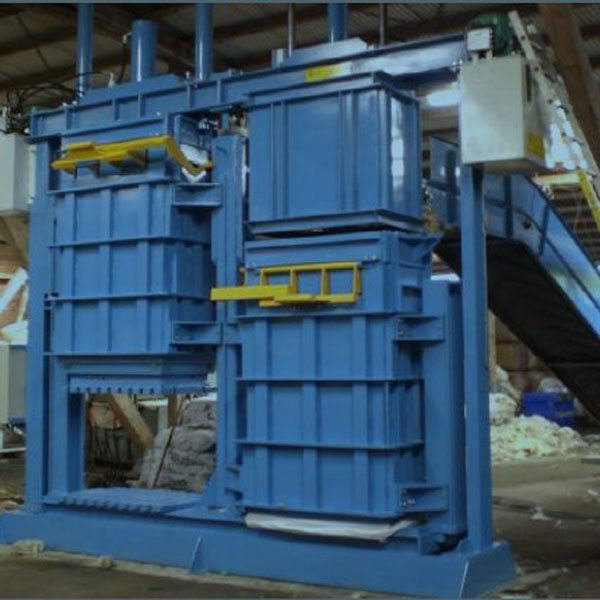
A double-chamber horizontal baler, similar to the model used in the textile case study, designed for high-volume, high-density baling of low-weight materials.
5. Strategic Procurement Checklist & Actionable Advice
- Define Your SPECs Precisely: Create a detailed specification sheet including material type, bulk density, hourly/daily volume, desired bale size/weight, available space, and power supply.
- Request Material-Specific References: Ask shortlisted suppliers for 2-3 contactable references who have used their machines for your specific material (e.g., PET bottles, OCC, aluminum chips) for at least one year.
- Audit the Engineering & Certifications: Do not accept marketing brochures at face value. Request certification copies (CE, ISO). Discuss the hydraulic system design, pressure ratings, and control logic in detail.
- Clarify Total Cost of Ownership (TCO): Factor in energy consumption (ask for power draw data), expected wear part lifecycle, spare parts cost and availability, and the structure of the warranty and after-sales service agreement.
- Plan for the Long Term: Ensure the supplier has a competent, responsive after-sales team. For global suppliers like NKBALER, verify their support structure in your region, including availability of technical documentation in your language and local service partners if needed.
Ready to Source Your Material-Specific Baler Solution?
For procurement teams seeking a partner with the technical depth to handle complex, material-specific baling challenges, NKBALER offers a compelling combination of experience, certification, and customization capability. With a product range covering Waste Paper Balers, Plastic Balers, Scrap Metal Balers, Rice Husk Balers, Textile Balers, and more, their 18-year track record and global client base in over 60 countries provide a solid foundation for a successful partnership.
Contact NKBALER for a Technical Consultation:
Website: https://www.nkbaler.com
Email: Sales@nkbaler.com / Nickbaler888@gmail.com
Phone/WhatsApp: +86 15021631102
Address: Qun Sheng Lu, Hui Shan Qu, WuXi Shi, Jiang Su Sheng, China