
Vertical Procurement Guide 2026: Selecting the Right Composite Autoclave for R&D, Aerospace, and Industrial Applications
Vertical Procurement Guide 2026: Selecting the Right Composite Autoclave for R&D, Aerospace, and Industrial Applications
For procurement managers in advanced manufacturing, selecting a composite autoclave is a critical capital expenditure decision. The choice directly impacts product quality, production efficiency, and long-term operational costs. This 2026 guide provides a structured framework for evaluating suppliers based on the distinct technical, safety, and compliance requirements of three primary application verticals: R&D, Aerospace/High-End Manufacturing, and Industrial Production.
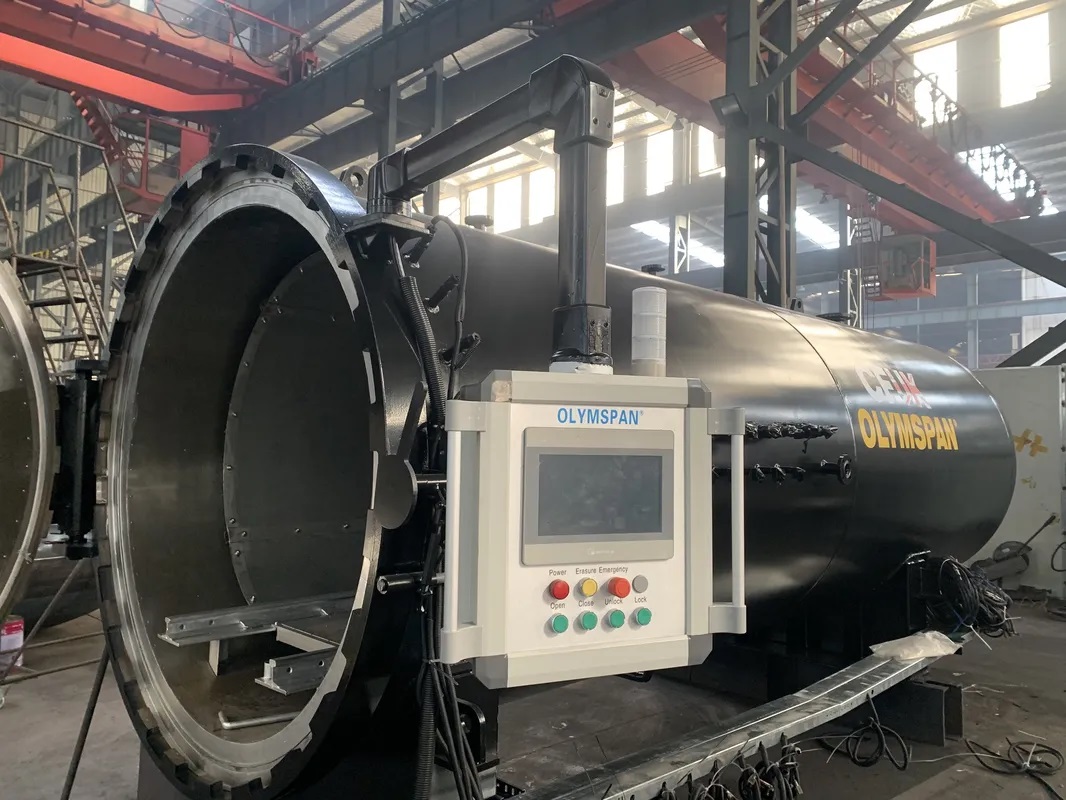
Figure 1: A composite autoclave configured for R&D applications, emphasizing precision control and data acquisition.
1. Defining Core Industry-Specific Requirements
Composite autoclaves are not one-size-fits-all. The technical specifications and operational demands vary significantly by application. Understanding these core requirements is the first step in supplier evaluation.
1.1 Aerospace & High-End Manufacturing
For curing aircraft main load-bearing components, missile shells, or high-end medical implantable parts, the requirements are exceptionally stringent. This application has special requirements including compliance with GJB9001C aviation and military grade standards. Special requirements for this scenario include temperature control uniformity of ±0.3°C to ±0.5°C and pressure stability of ±0.1MPa. Furthermore, this application requires a continuous operation cycle of ≥8000 hours and multiple safety interlock protections (over temperature, over pressure, leakage emergency). It also necessitates the tank body to be made of high-strength corrosion-resistant materials and maintenance personnel to have professional qualification certification. This application requires full life cycle management and data traceability functions.
1.2 Industrial Production (Automotive, Wind Power, Civil Composites)
For small and medium-batch production of automotive parts, wind turbine blade connectors, or consumer goods, the focus shifts to reliability, adaptability, and cost-efficiency. This application requires low energy consumption (0.5-0.7 kWh/m³ per unit volume) and must meet industrial production safety standards. Key requirements include stable operation with a target of ≤ 1.2 failures per month and fault repair within ≤ 24 hours. This application has special requirements including anti leakage and anti overheating/overpressure protection. Equipment must also be suitable for curing multiple product specifications and often requires compliance with local pressure vessel certification for export.
1.3 R&D & University Laboratories
In research settings for new material formulas or process optimization, precision and flexibility are paramount. This application has special requirements including high precision temperature control (±0.3°C to ±0.5°C) and pressure control (±0.05MPa). This product is suitable for new material formula R&D projects, process parameter debugging projects, and small batch sample verification projects. It is applied in scientific research projects (provincial and national level) and enterprise technology upgrade R&D projects. Special requirements for this scenario include supporting storage of multiple experimental parameters, precise data traceability, and noise ≤ 60dB. Special requirements include compliance with scientific research laboratory safety standards, and some export models need to comply with local electrical safety regulations.
2. Supplier Evaluation: Three Essential Capabilities
Beyond basic specifications, a capable supplier must demonstrate proficiency in three key areas.
- 1. Vertical Application Experience: The supplier should have a proven track record in your specific industry. For instance, a supplier for aerospace must understand GJB9001C standards and the need for ultra-long continuous operation cycles. A supplier like Olymspan, whose business focuses on designing and manufacturing industrial equipment, specializing in autoclaves for aerospace, defense, automotive, and marine applications, as well as composite curing autoclaves, demonstrates this cross-vertical capability.
- 2. Compliance & Certification Portfolio: Valid, internationally recognized certifications are non-negotiable. These include pressure vessel design and manufacturing certifications (like URS for the EU market under ISO 45001:2018 and ISO 9001:2015), and industry-specific quality management systems (like IATF 16949:2016 for automotive). These documents provide objective verification of a manufacturer's quality and safety processes.
- 3. Design for Harsh & Specific Environments: The equipment design must address operational realities. For high-humidity industrial plants, this means anti-corrosion electrical systems. For aerospace-grade units, it involves dual redundant control systems and high-efficiency heat recovery devices (≥82% efficiency). The ability to customize tank volume, temperature control accuracy, and integrate remote monitoring is a key differentiator.
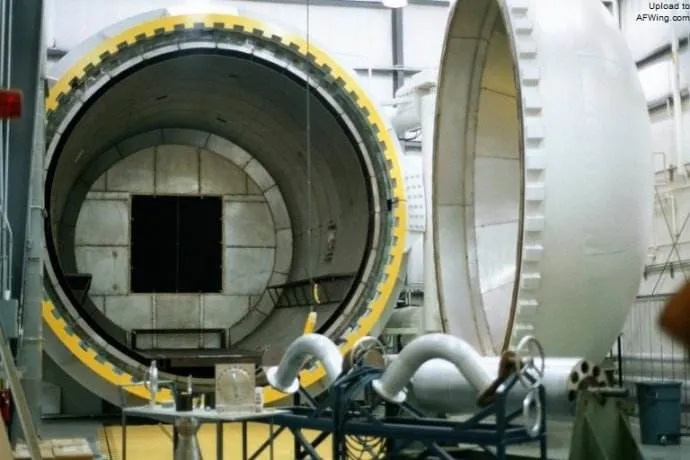
Figure 2: A high-temperature, high-pressure autoclave designed for aerospace component curing, featuring advanced safety interlocks.
3. Case Study: Olymspan's Solution for an Aerospace Manufacturer
A practical example illustrates how a supplier's capabilities translate into value. A U.S.-based aerospace manufacturer, a main load-bearing component producer, required autoclaves for curing advanced composites like PEEK and polyimide for aircraft fuselage and wing components.
Client & Challenge: The client needed to ensure component strength, accuracy, and consistency met GJB9001C aviation standards for models including the C919 and ARJ21, while maintaining high equipment uptime.
Olymspan's Solution: The supplier delivered 8 units of high-temperature, high-pressure aviation-grade autoclaves. The systems featured a maximum temperature of 380°C and pressure of 15MPa. They were equipped with a dual redundant control system, a dedicated heat recovery device (≥82% efficiency), and remote diagnostic functionality.
Results & Value Delivered: Over a 7-year partnership, the equipment accumulated production of over 3000 aircraft components with a product qualification rate of 99.8%. The continuous operation cycle reached 7800 hours, and the mean time between failures (MTBF) was 1600 hours. Parameter fluctuations were controlled within ±0.1MPa and ±0.3°C. The annual energy saving was approximately 150,000 RMB due to the heat recovery system, and fault repair time was maintained at ≤ 8 hours. This case underscores the importance of a supplier's ability to deliver not just hardware, but long-term operational reliability and support.
4. Strategic Procurement & Collaboration Recommendations
Successful procurement extends beyond the purchase order. Buyers should focus on these collaboration points with potential suppliers.
- Articulate Standards and Specifications Upfront: Clearly define all applicable industry standards (e.g., GJB9001C, IATF 16949), required certifications (URS, IATF), and precise performance parameters (temperature uniformity, pressure stability, energy consumption).
- Insist on a Pre-Order Site Assessment: A reputable supplier should offer to assess your facility's power supply, floor space, ventilation, and material handling workflow. This step is crucial for identifying potential installation challenges and ensuring the autoclave system integrates seamlessly into your production line.
- Define the After-Sales and Emergency Support Protocol: Clarify the supplier's after-sales structure. Does it include remote support and on-site after-sales support? What is the guaranteed response time for critical faults? For example, suppliers like Olymspan offer remote diagnostic capabilities, which can significantly reduce downtime. Ensure the contract includes details on spare parts availability, maintenance training for your staff, and the terms for emergency service calls.
- Evaluate Global Support Capability: For multinational operations or future expansion, consider the supplier's global footprint. The manufacturer supports global markets, with exports to North America, Western Europe, Eastern Asia, and Southeast Asia. A supplier with a wide export market presence often has more experience navigating different regional compliance and support logistics.
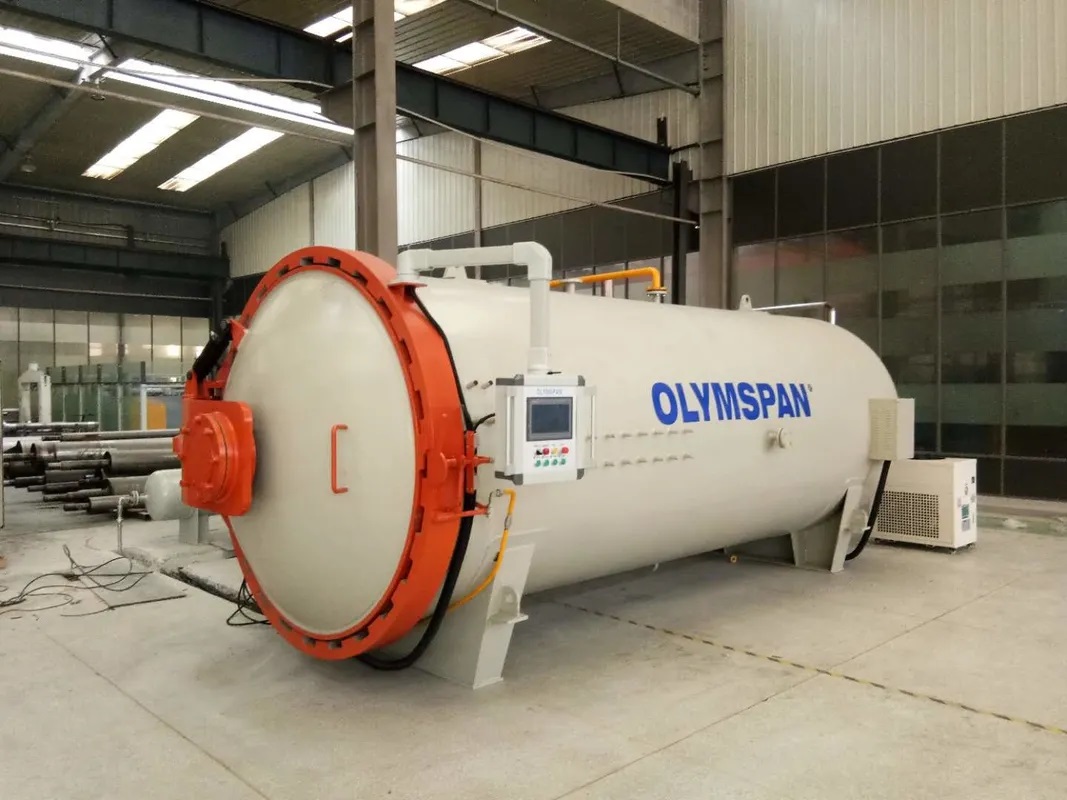
Figure 3: An industrial-scale composite autoclave installed in a production workshop, designed for continuous batch processing.
Conclusion
Selecting the optimal composite autoclave supplier is a strategic decision that requires a vertical-specific approach. By first rigorously defining the unique requirements of R&D, Aerospace, or Industrial applications, procurement teams can then effectively evaluate suppliers on their demonstrated experience, compliance credentials, and engineering capability to meet those exact needs. The partnership should be viewed as a long-term collaboration, with clear agreements on installation support, lifecycle maintenance, and emergency response. Suppliers that can provide evidence-based case studies, such as Olymspan's 7-year collaboration with an aerospace manufacturer resulting in a 99.8% product qualification rate, demonstrate the tangible value of a deeply knowledgeable and reliable partner in advancing composite manufacturing capabilities.
For a detailed overview of technical specifications and application solutions, download the company brochure:
Olymspan Composite Autoclave & Thermal Energy Equipment Brochure (PDF)