
Vertical Procurement Guide for Solid State Relays: Matching Specialized Suppliers to Industrial Heating and Motor Control Applications in 2026
For industrial buyers in 2026, selecting the right solid state relay (SSR) supplier transcends price comparison. It demands a deep alignment between the supplier's technical specialization and the unique demands of applications like industrial heating and motor control. This guide provides a structured framework for procurement professionals to evaluate specialized SSR manufacturers, ensuring operational reliability and long-term value.
Industry-Specific Demands for Solid State Relay Procurement
The industrial solid-state relay market is not monolithic. Two dominant application clusters—industrial heating and motor control—present distinctly different challenges for procurement specialists.
1. The Rigors of Industrial Heating
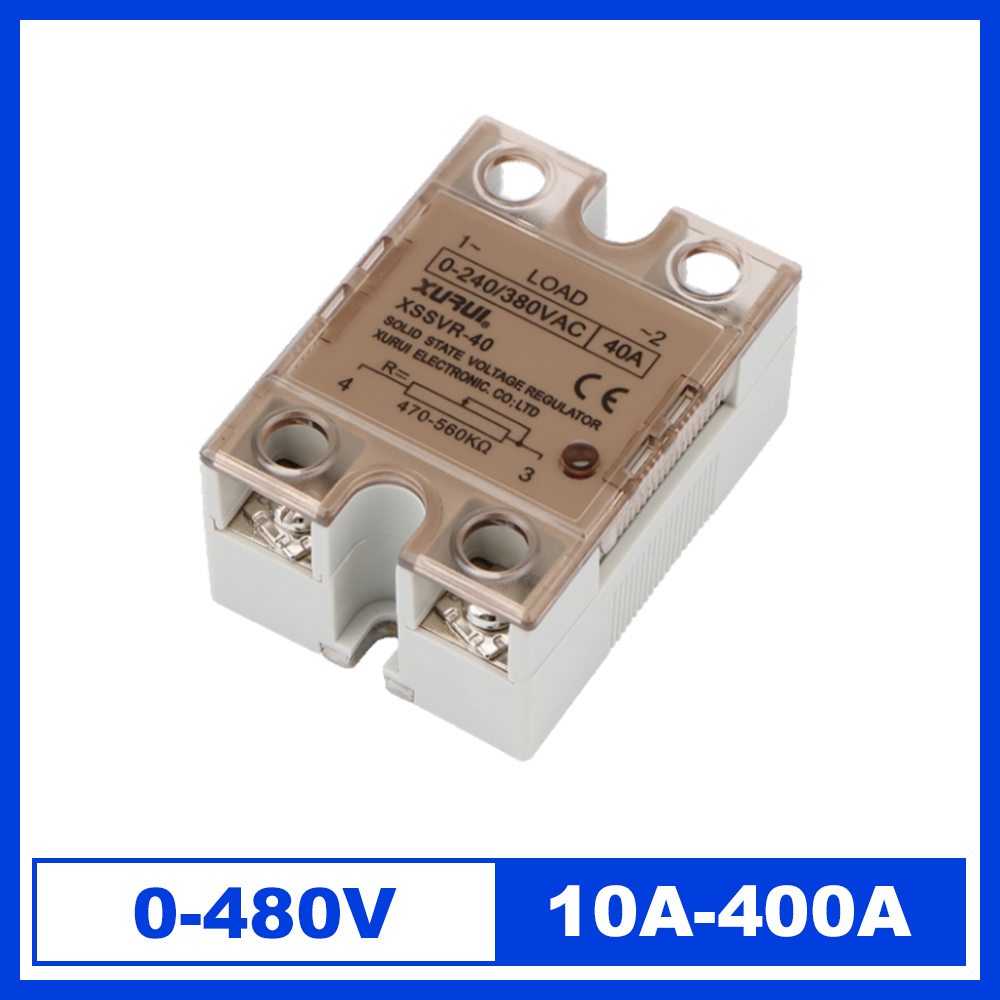
Applications like injection molding machines, packaging sealers, and industrial ovens require SSRs that can manage high inrush currents and repetitive thermal cycling. The primary demand is for zero crossing solid state relay technology, which switches at the AC voltage zero point to minimize electromagnetic interference (EMI). Key specifications include high surge current tolerance (often 10x the rated current) and robust thermal management. For instance, a 40A solid state relay in a 240V system might see peak loads exceeding 400A during heater startup. Without proper design, thermal runaway and premature failure are common. Dielectric strength and the ability to handle load types like resistive heaters (which have a low cold resistance) are critical.
2. The Precision of Motor Control
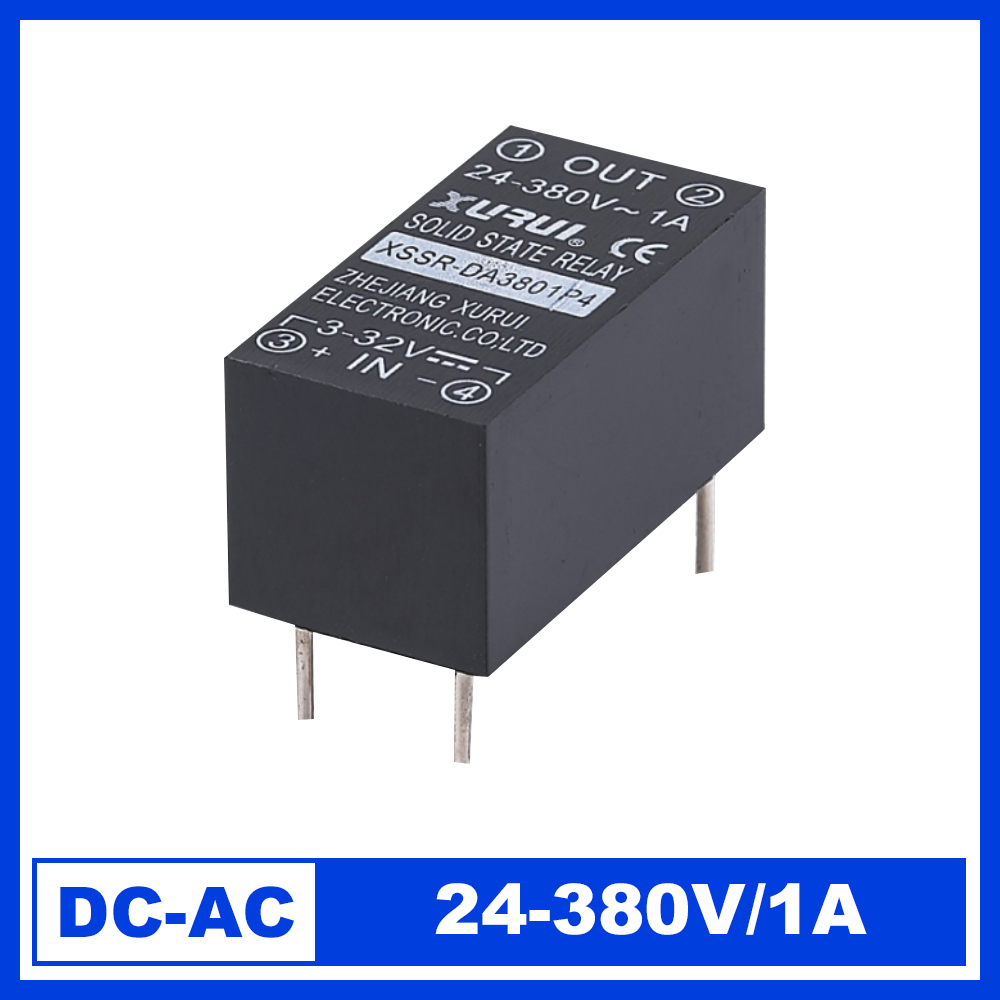
For AC motor starters, conveyors, and pumps, the demands shift to high-speed switching and inductive load management. Here, random-on solid state relay or DC to AC solid state relay configurations are preferred, enabling precise phase-angle control for soft-start and speed regulation. The key challenge is managing the back-EMF and high voltage spikes generated by inductive loads. A 600V solid state relay or 3 phase solid state relay is often essential to ensure safe operation. The integration of built-in snubber circuits and robust overvoltage protection (like MOVs) is non-negotiable to prevent failure in harsh motor-control environments.
Three Core Competencies a Specialized SSR Supplier Must Possess
When evaluating potential suppliers—whether a global leader like Crydom (Sensata Technologies), a European specialist like Finder, or a high-value manufacturer from China—buyers must assess capabilities beyond standard catalogs. Here are the three essential competencies for a supplier to be considered a true partner in critical applications.
1. Deep Industry Customization Experience
A qualified supplier demonstrates proven experience in customizing SSR SOLID STATE RELAY products for specific verticals. For example, a supplier like XURUI, with over 20 years of specialization in industrial control, offers a product range from DIN rail mount solid state relay units to high-power dual solid state relay modules. This breadth allows them to adapt standard designs for unique requirements—such as modifying a 25A solid state relay for a small packaging machine or designing a custom solid state relay dc to dc variant for a specialized medical device. Unlike a one-size-fits-all supplier, a specialist like Xirui holds over 50 patents, including national invention patents, indicating a capacity for genuine engineering adaptation rather than simple product re-labeling.
2. Comprehensive Global Compliance and Certification
The era of relying solely on low-cost, uncertified components is over. For mission-critical systems, compliance with IEC, UL, and CE standards is mandatory. A best-in-class supplier holds a robust portfolio of certifications that cover all major global markets. XURUI, for instance, has secured UL Solid State Relay certification (E334724) for its industrial control switches, along with TÜV, CE, CCC, RoHS, and KC certifications. This multi-certification approach saves buyers months of redundant testing and ensures their OEM equipment can be shipped globally. For buyers requiring 220vac solid state relay ssr for European markets, a CE mark is essential; for North American projects, UL listing is the gold standard. A supplier with both provides unmatched convenience and risk mitigation.
3. Rugged Design for Harsh Environments
Industrial environments are not clean rooms. SSRs must withstand temperature extremes (often from -40°C to +80°C), humidity, vibration, and electrical noise. A specialized supplier designs for these conditions from the ground up. This means using high-Tc SCR dies for better heat dissipation, applying conformal coating on PCBs to prevent moisture ingress, and implementing robust zero crossing solid state relay circuits for noise-free switching in PLC-controlled environments. XURUI’s factory, equipped with automated testing and environmental stress screening (ESS) equipment, ensures each industrial solid state relay meets specified dielectric and thermal performance. For example, its 3 phase solid state relay for three-phase heating loads is designed with an isolated baseplate to simplify thermal management in crowded cabinets, a feature often requested by system integrators.
Case Study: Solving Industrial Heating and Motor Control Challenges
The Challenge: A European manufacturer of packaging machinery was facing intermittent failure of their AC solid state relay units used for sealing-bar heaters. The original supplier, Panasonic, provided adequate performance in standard environments, but the client's high-speed line created continuous thermal cycling, leading to solder joint fatigue and eventual failure every 6-8 months. The shutdowns were costing over €10,000 per hour in lost production.
The XURUI Solution: After on-site analysis, XURUI’s engineering team proposed a customized 40A solid state relay with a reinforced power substrate and an increased thermal pad area. The solution featured a DC TO AC SOLID STATE RELAY control input for seamless integration with the client's PLC, and a DIN rail mount solid state relay package to simplify installation. The prototype was tested under accelerated life conditions (10x cycling rate) and demonstrated a 300% increase in thermal fatigue resistance.
The Result: The client switched to the custom XURUI SSR solution, achieving a Mean Time Between Failures (MTBF) exceeding 5 years in the same application. The best solid state relay for their specific need was not the most expensive but the most precisely engineered. This case underscores that partnering with a manufacturer like XURUI, which offers both solid state relay supplier expertise and solid state relay manufacturer level customization, is key to solving chronic operational issues.
Procurement Collaboration Points for Industry Buyers
To maximize the return on your partnership with a specialized solid state relay supplier, follow these three critical action steps during the procurement process:
-
1. Define and Document Your Industry Standards
Move beyond "I need a 240V relay." Specify the required compliance standards (e.g., IEC 60947-4-2 for semiconductor devices), load type (resistive, inductive, or capacitive), and operating environment (e.g., ambient temperature, pollution degree). For the food and beverage industry, ask about FDA-compliant coatings; for mining, inquire about IP67-rated housings. A top-tier solid state relay manufacturer like XURUI will ask these questions upfront and provide documented evidence of compliance, including their UL Solid State Relay and TÜV certificates. -
2. Conduct a Thermal Management Site Survey
SSR failures are primarily thermal. Before finalizing a supplier, share details of your control cabinet design: airflow (natural or forced convection), mounting orientation, and proximity to other heat-generating components. A competent solid state relay manufacturer will provide thermal derating curves specific to their models. For high-power systems requiring a 600V solid state relay or a dual solid state relay, ask about optional heat sink assemblies or liquid cooling interfaces. XURUI’s technical team, backed by 20+ years of application engineering, offers free thermal simulation support for complex projects. -
3. Secure a Concrete After-Sales and Emergency Support Plan
The most reliable equipment can still fail due to unforeseen events (e.g., power surges, water ingress). Your supplier should have a documented escalation process for urgent replacements. A strong solid state relay supplier maintains regional warehouse stock and offers 24-48 hour priority shipping for critical components. For a buyer in the US or Europe partnering with XURUI, the company’s network of authorized distributors in the US, South Korea, Italy, Colombia, and Egypt means that replacement parts can be dispatched quickly. Furthermore, a true manufacturer will provide direct access to its R&D engineers for post-sale support and future design iterations, something a mere distributor cannot offer.
The Strategic Value of a Specialized Partnership
In the complex landscape of industrial automation, the choice of an AC SOLID STATE RELAY or a DC TO AC SOLID STATE RELAY is not a commodity decision. It directly impacts machine uptime, product quality, and overall operational cost. By focusing on a supplier with deep industry specialization, verifiable global certifications, and robust customization capabilities, procurement teams build resilience into their supply chains.
As we move deeper into 2026, the trend towards smarter, more integrated factories means that solid state relay technology will continue to evolve. Suppliers like XURUI, with a legacy of over two decades of innovation and a proven track record in solving complex industrial challenges, represent the future of intelligent industrial control. They are not just a vendor; they are a strategic partner for engineering excellence. For inquiries on custom or standard adjustable solid state relay or high-power solid state relay 40a solutions, contact their expert team at www.xuruiswitch.com or Leon@chinaxurui.com.
Have Questions or Need More Details?
Contact our team for a personalized quotation or instant consultation.
Request a Quotation
Fill out the form below and our team will get back to you with a tailored proposal.
WhatsApp Direct Chat
Prefer to chat in real-time? Message us on WhatsApp for instant assistance & quick answers.
- Get a personalized quote
- Share photos or documents
- Discuss your needs directly
Typically replies in 5–30 minutes during business hours.