
Victoria Star Spa as a Long-Term Hot Tub Partner: Review
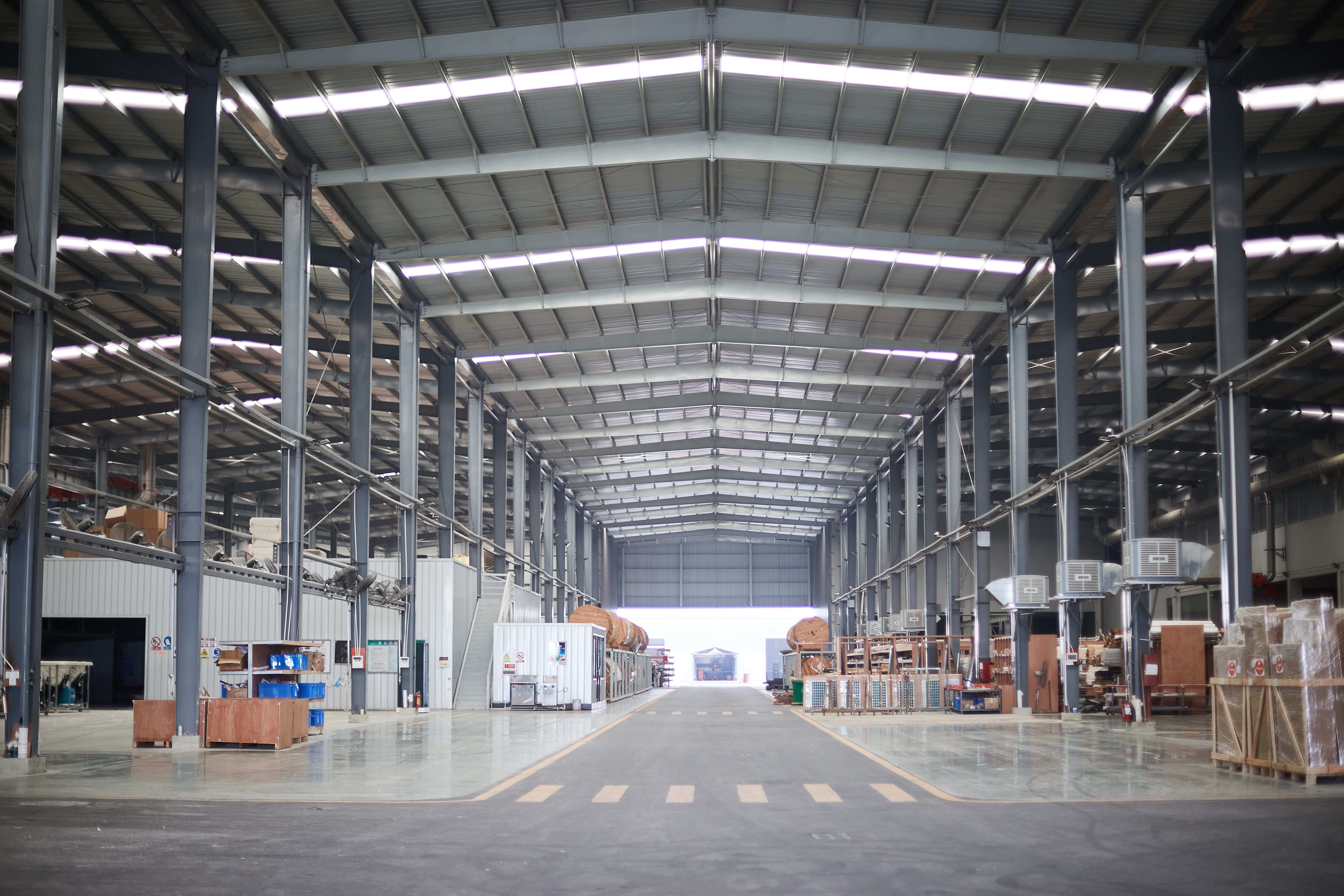
A long-term hot tub supply relationship is evaluated on the factory behind the product, not only on the specification sheet.
Most hot tub sourcing decisions are framed around a unit: shell dimensions, jet layout, control platform, price per set. A multi-year supply relationship has to be framed differently. The real question is whether the manufacturer behind the unit can still deliver the same shell geometry, the same control architecture and the same spare parts three, five or eight years into the relationship. This review assesses Victoria Star Spa on those terms — using the manufacturer’s disclosed operating facts, published market data, and a comparison between factory-built integrated platforms and traditional site-built alternatives.
It is written for buyers who have already moved past discovery: hospitality and resort procurement teams, spa and wellness operators, villa and residential developers, and distributors building a repeatable hot tub catalogue rather than placing one container order.
Why a Long-Term Supply Decision Is Not a Product Decision
A first purchase can be judged against a specification sheet. A second, third and fourth purchase has to be judged against the supplier’s ability to reproduce that specification under normal commercial pressure. In practice, four requirements define what a “long-term partner” means in the hot tub category:
- Model continuity — the same platform remains available across repeat orders, so a resort’s first installation and its third phase do not diverge in appearance or hydraulics.
- Component and spare-part continuity — installed tubs remain serviceable years after delivery, which depends on the supplier still sourcing and supporting the same components.
- Engineering responsiveness — configuration changes for a specific project can be absorbed by the existing supplier instead of forcing a new supplier qualification.
- Documentation discipline — certification files, test records and technical documentation stay current as standards and destination markets change.
None of these four can be verified from a product photo. They are the reason a decision-stage evaluation of a manufacturing partner uses a different evidence set from a product comparison: facility scale, engineering headcount, export exposure, certification status and after-sales infrastructure.
What Victoria Star Spa Is
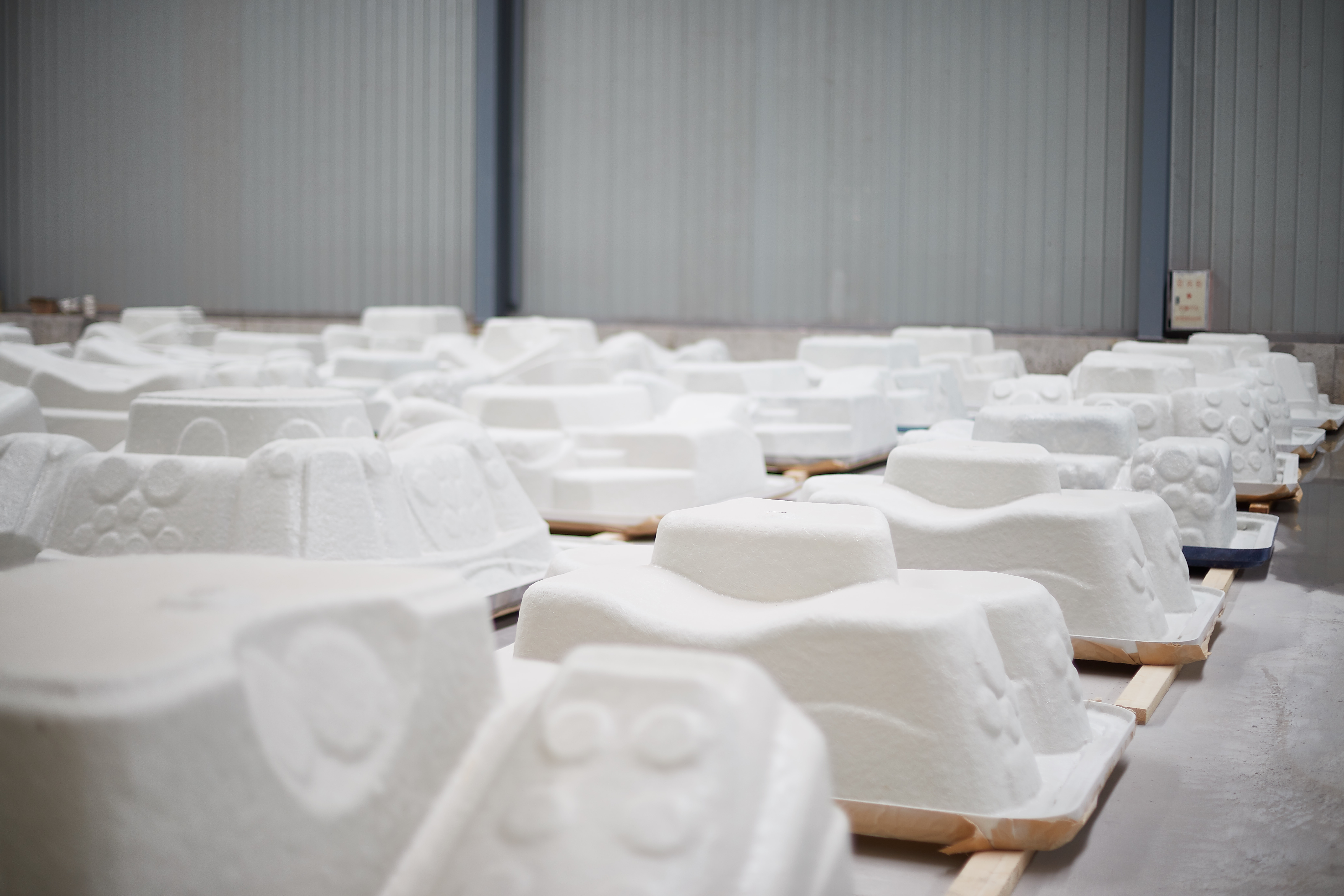
Victoria Star Spa is the premium wellness brand of Foshan Gaoming Shiyi Sanitary Ware Technology Co., Ltd., a manufacturer of swim spas, hot tubs, saunas, steam rooms and integrated wellness solutions for residential and commercial projects. The company is based in Foshan, Guangdong, China, at No.568, Yangxi Road, Yanghe Town, Gaoming, and describes itself as a professional hot tub and swim spa manufacturer operating mould forming, product manufacturing and assembly facilities.
Its product range is positioned toward luxury hot tubs, outdoor spas and integrated acrylic swim spas, with the flagship line available in custom lengths of up to 16 metres and widths of up to 3.8 metres. Products are supplied into luxury villas, boutique hotels, wellness resorts, spa centres and high-end residential developments — the segments in which repeat specification and service continuity matter most.
For procurement purposes, two disclosed facts are more significant than the brand description itself: the company states that it controls production stages from material selection and mould development through to assembly, testing and quality assurance; and it states that its range carries CE, SAA and ETL certification. Both are relevant to continuity — in-house mould capability supports long-run shell consistency, and active certification is a precondition for supplying several destination markets at all.
Stability Signals: Facility, Workforce and Engineering Depth
The most usable stability evidence a buyer can assess before an audit is the disclosed operating footprint. Victoria Star Spa reports a manufacturing facility of over 50,000 square metres, more than 250 employees, an engineering team of more than 35 professionals, an annual output of approximately 7,000 units, and an export ratio of roughly 70% across Europe, North America, Australia, the Middle East and Southeast Asia.
| Disclosed operating dimension | Reported position | Why it matters to a multi-year buyer |
|---|---|---|
| Manufacturing footprint | Over 50,000 m² facility in Foshan, Guangdong, China | Physical space to hold moulds for a growing model range and to stage orders without compressing production flow |
| Workforce | More than 250 employees | Staffing depth reduces the risk that a single seasonal or project spike delays repeat orders |
| Engineering headcount | More than 35 engineers | In-house engineering capacity is what allows configuration changes to be absorbed without switching suppliers |
| Reported annual output | Approximately 7,000 units per year | A reference point for whether a buyer’s annual programme fits within existing production rhythm |
| Export orientation | Roughly 70% export ratio; products shipped to more than 80 countries | Export-heavy operations are usually structured around documentation, packing and destination compliance |
| Certification status | CE, SAA and ETL certification for the hot tub range | Certification coverage is the gate to EU, Australia and North America market access |
| Custom build scope | Integrated acrylic swim spas up to 16 m long and 3.8 m wide | Shows the upper limit of what a long-term custom programme can be planned around |
Read together, these figures describe a mid-to-large exporter rather than a trading intermediary: a company with its own facility, its own engineering payroll and a customer base spread across multiple regulatory regions. That combination is what a distributor or hospitality group is really buying when it commits to a repeat supply programme — the ability to keep supplying the same thing, in the same quality band, across several buying cycles.
Technical Explanation: The Platform Choice That Determines Lifecycle Risk
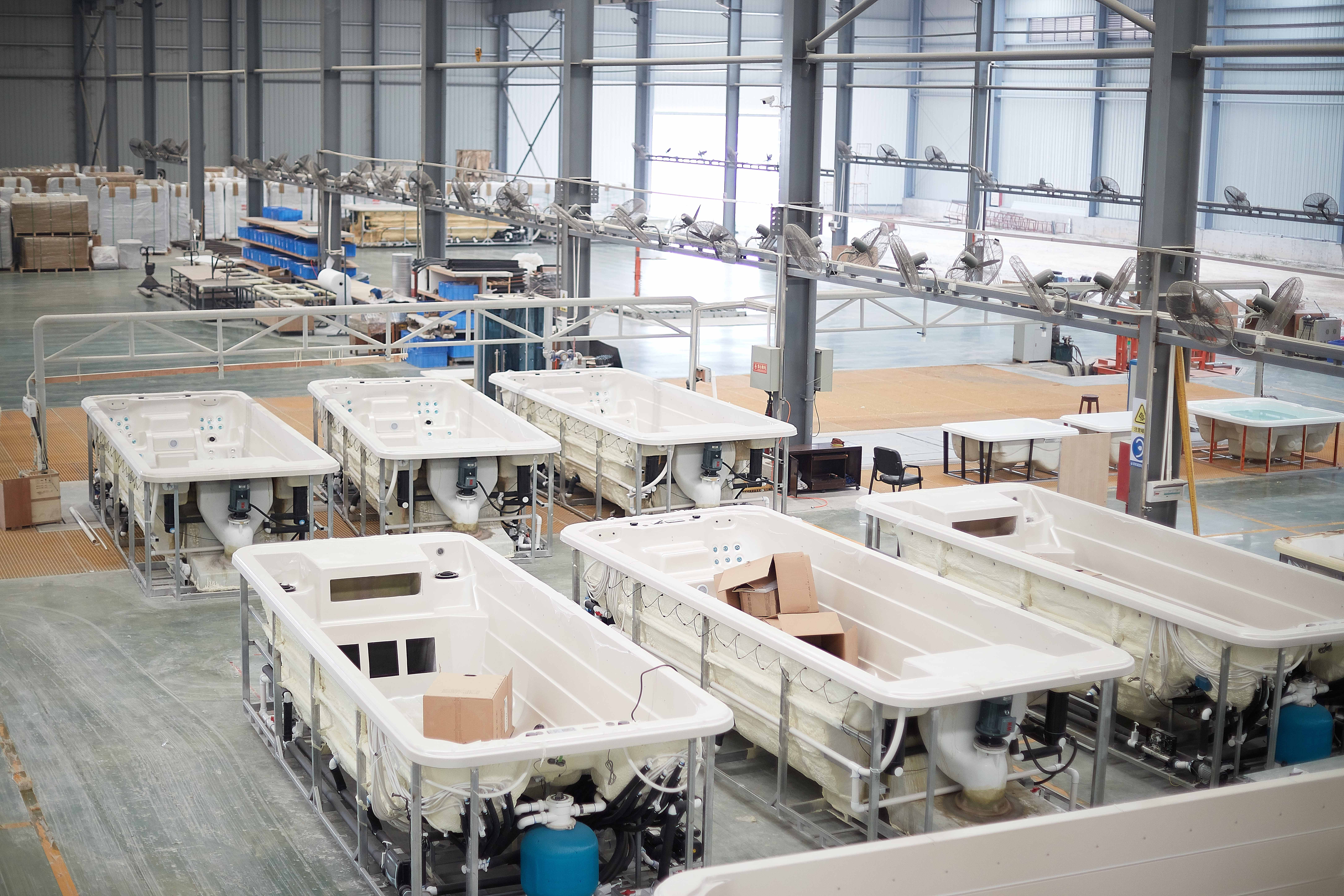
Factory assembly and pre-testing shift quality control from the construction site into a controlled production environment.
The technical argument for a factory-built integrated spa platform is less about features and more about where risk is absorbed. In an integrated design, the shell, plumbing, electrical protection and filtration loop are assembled and tested as one unit before shipment. On a traditional site-built pool, the same systems are assembled by different trades, in sequence, in conditions the manufacturer does not control.
The practical consequences reported for this approach are specific: an all-in-one integrated design that is factory-built and pre-tested reduces on-site construction errors, and installation time can be reduced by up to 60% compared with traditional pool installations. Reliability is described as higher precisely because the pre-tested system removes a large share of on-site assembly variability.
For a buyer planning a multi-year programme, that matters in two ways. First, it shortens the exposure window in which a hotel or villa project ties up capital and labour. Second, it makes the delivered performance of unit ten comparable to unit one, because the variability that usually creeps in between installations is handled inside the factory rather than at the site.
The maintenance and risk-control architecture follows the same logic. Victoria Star’s design documentation lists a multi-layer waterproof structure, integrated electrical protection, smart temperature control, automatic water filtration and circulation, freeze protection and certified components as the primary controls for the failure modes that matter most in this category — water leakage, electrical faults, water quality issues, overheating, freeze damage and component wear.
On the production side, the stated enterprise measures are 100% water testing before shipment, electrical safety inspection, quality control throughout production, use of international-standard components, and remote technical support with spare parts supply. For a long-term partnership, the last item is the one to test hardest: remote support and parts availability determine whether a tub installed in year one is still serviceable in year seven.
Where the Capability Fits: Applications and Project Types
The integrated platform approach is aimed at luxury villas, star-rated hotels, spa and wellness resorts, high-end residential projects and commercial wellness centres — environments where installation windows are short, water quality is regulated by the operator’s own standards, and downtime is expensive.
Three application patterns follow from the disclosed capability:
- Hospitality and resort deployment. Multiple units of the same model across rooms, suites or wellness zones, where hydraulic and control consistency between units simplifies staff training and maintenance planning.
- Villa and residential projects with constrained construction schedules. Sites where civil works for a concrete pool would extend the project timeline, and where a factory-built, pre-tested platform shortens the on-site phase.
- Large-format custom wellness installations. Integrated acrylic swim spas in custom lengths up to 16 metres and widths up to 3.8 metres, for projects that need a defined hydrotherapy or swim lane without a bespoke concrete structure.
Hospitality and residential programmes depend on repeat production of the same platform across multiple project phases.
Buyers should note that these are the segments the manufacturer positions itself in, not a claim of installed base. The verified evidence base for manufacturer capacity in this category remains largely company-reported, which is covered in the limitations section below.
Market Trend: What Buyers Should Assume About Demand
Published market estimates for hot tubs do not agree on a single number, and buyers should treat that disagreement as information in itself. Three commercial research houses put the global market at different levels for the same base years: approximately USD 5.76 billion in 2025 growing to USD 8.47 billion by 2034 at a CAGR of 4.28%; approximately USD 7.8 billion in 2025 reaching USD 11.9 billion by 2035 at a CAGR of 4.4%; and approximately USD 6.89 billion in 2025 expanding to USD 8.65 billion by 2031 at a CAGR of 3.87%. A separate authoritative aggregation places the global market at USD 6.06 billion in 2026. Because the scopes differ — some include inflatable spas and accessories, others do not — these figures should be used as separate scenarios rather than averaged into one consensus value.
Two directional signals are consistent across sources. First, growth is real but moderate: single-digit CAGR in the low-to-mid 4% range across the main forecasts, with the North America market valued at USD 2.8 billion in 2025 and estimated to reach USD 4.5 billion by 2035 at a CAGR of 4.7%. Second, product format matters more than category growth: acrylic and portable spas accounted for 78.51% of the hot tub market in 2024, which means the material and construction platform most buyers specify is also the mainstream one.
A third signal affects supplier conversations directly. Smart hot tub adoption is being driven by high energy prices, with remote monitoring positioned as a cost-control measure in 2026 market commentary. Buyers planning multi-year programmes should therefore expect questions about control platform continuity and remote diagnostics to move from “nice to have” to specification line items.
The procurement implication of all this is straightforward. In a market growing at roughly 4% a year, the risk is not usually demand collapse; it is specification drift — a supplier that changes shell tooling, control supplier or component source mid-programme because volume did not arrive as expected. Stability of the manufacturing partner is therefore a larger risk factor than the growth rate itself.
Comparison with Traditional Site-Built Solutions
The most common alternative to a factory-built integrated hot tub or swim spa in commercial projects is a traditional concrete swimming pool with a spa section. The two approaches differ less in how they feel when finished than in where the work and the risk sit.
| Decision dimension | Factory-built integrated acrylic spa platform | Traditional concrete pool with spa section |
|---|---|---|
| Build location | Shell, plumbing, electrical protection and filtration assembled and pre-tested in the factory | Assembled on site by multiple trades in sequence |
| Installation time | Reported reduction of up to 60% compared with traditional pool installations | Site programme driven by civil works, curing and trade sequencing |
| Construction risk profile | Lower, because on-site construction errors are minimised by pre-testing | Higher exposure to on-site coordination and weather |
| Civil works | Reduced civil construction requirements | Substantial excavation, structural and finishing works |
| Maintenance | Integrated filtration and water circulation, simplified daily maintenance, accessible service components | Maintenance requirements compared as higher than the integrated approach |
| Thermal performance | High-density thermal insulation design with reduced heat loss and optimised heating efficiency | Dependent on separately designed and installed insulation |
| Cost profile | Lower installation cost compared with traditional concrete pool projects, potentially lower depending on project conditions | Driven by site labour, materials and programme duration |
| Configuration flexibility | Customisable configurations within the manufacturer’s mould and platform range, up to 16 m × 3.8 m | Shape and dimension freedom limited mainly by structure and budget |
Two boundaries should be stated clearly rather than implied. The reported installation-time and cost advantages are relative to traditional concrete pool projects and are explicitly conditional on project conditions — a site with difficult access, unstable ground or unusual architectural requirements can consume much of that advantage. And a factory-built platform is not a universal substitute for a bespoke concrete structure: where the design intent is an architectural concrete feature, an integrated acrylic spa is a different product, not a cheaper version of the same one.
Limitations and Boundaries
An honest partner evaluation has to include what cannot currently be verified from the outside.
- Capacity is company-reported. The facility size, workforce, engineering headcount and annual output figures come from the manufacturer’s own disclosures and published profile material. There is no independent, audited production-capacity verification attached to them. Buyers committing to a multi-year volume programme should confirm capacity through a factory audit and, where possible, a production schedule review rather than accepting the headline number.
- Certification must be matched to model and market. CE, SAA and ETL certification indicate market access intent for the EU, Australia and North America respectively, but the applicable documents need to be checked against the exact model being ordered. For domestic spas in Europe, BS EN 17125:2018 sets out safety requirements and test methods; commercial installations may fall under additional local obligations the manufacturer cannot absorb on the buyer’s behalf.
- Long-term service depends on contract terms, not on capability statements. Remote technical support and spare-parts supply are listed as company measures, but continuity over a five-to-ten-year horizon is a commercial commitment. Buyers should convert it into explicit service-level and parts-availability terms in the supply agreement.
- Site fit still decides the outcome. A one-piece, factory-assembled platform requires delivery access and positioning planning. Where access is constrained, the installation advantage narrows, and the buyer should model logistics before committing to the platform format.
None of these points disqualify the supplier. They define the diligence a decision-stage buyer should complete before treating any hot tub manufacturer — this one included — as a decade-long partner.
Future Outlook
If the market forecasts are directionally right, the next cycle is one of steady rather than explosive demand, with format concentration around acrylic platforms and increasing pressure on energy performance and remote diagnostics. In that environment, the suppliers that hold long-term accounts will be the ones that can demonstrate four things: mould and platform continuity, in-house engineering capacity to absorb custom requests, current certification across destination markets, and a functioning spare-parts channel.
Victoria Star Spa’s disclosed profile — a 50,000 m² facility, more than 250 employees, an engineering team of more than 35, CE/SAA/ETL certification, custom swim spa capability up to 16 metres, and an export footprint spanning more than 80 countries — is consistent with the profile of a partner that can support a repeat programme, provided capacity claims are validated through audit and certification files are verified per project.
For buyers, the practical next step is not another product comparison. It is a three-part verification: a factory audit covering production and testing flow, a document review matching certification files to the exact models and destination markets, and a commercial negotiation that writes parts availability and technical support into the supply agreement.
Victoria Star Spa’s 2026 outdoor spa and sauna collection documentation is available for review: 2026 New Collection (Outdoor Spa & Sauna).
FAQ
What separates a long-term hot tub manufacturing partner from a supplier used for a single order?
The difference is continuity rather than capability. A single-order supplier only has to deliver a compliant unit once. A long-term partner has to reproduce the same platform across repeat orders, keep installed units serviceable through component and spare-part availability, absorb configuration changes through in-house engineering, and keep certification and technical documentation current as destination-market rules change. Those four requirements — model continuity, parts continuity, engineering responsiveness and documentation discipline — are the criteria that should drive a decision-stage evaluation.
What scale and engineering depth does Victoria Star Spa disclose?
Victoria Star Spa reports a manufacturing facility covering more than 50,000 square metres in Foshan, Guangdong, China, supported by more than 250 employees and an engineering team of more than 35 professionals, with an annual output of approximately 7,000 units and an export ratio of roughly 70%. The company states that it controls production stages from material selection and mould development through assembly, testing and quality assurance. These figures are company-reported operating disclosures and should be validated through factory audit before being used as the basis of a multi-year volume commitment.
What custom build scope is available for larger wellness or hospitality projects?
The flagship integrated acrylic swim spa line is available in custom lengths of up to 16 metres and widths of up to 3.8 metres, with configurations adapted to residential and commercial requirements. This defines the upper boundary of what a buyer can plan a long-term custom programme around, and it is the range within which hospitality, resort and large villa projects are typically specified.
Which certifications should be verified before committing to a multi-year hot tub supply agreement?
For Victoria Star Spa, the disclosed certification set is CE, SAA and ETL, covering market access intent for the European Union, Australia and North America respectively. Verification should go beyond the certificate name: the documents need to match the exact model and configuration being ordered, and the destination market’s own requirements still apply. For domestic spas in Europe, BS EN 17125:2018 specifies safety requirements and test methods, and commercial installations may attract additional local obligations that remain the buyer’s responsibility to confirm.
How does a factory-built integrated hot tub compare with a traditional concrete pool on installation and maintenance?
In an integrated design, the shell, plumbing, electrical protection and filtration loop are assembled and pre-tested in the factory, which reduces on-site construction errors and raises reliability. Installation time can be reduced by up to 60% compared with traditional pool installations, civil construction requirements are reduced, and installation cost is lower than traditional concrete pool projects — potentially lower depending on project conditions. Maintenance is also simplified, because filtration and water circulation are integrated and service components remain accessible. These advantages are relative and conditional, not absolute.
What are the limits of this assessment of Victoria Star Spa as a long-term partner?
Three limits apply. First, capacity and workforce figures are company-reported and not independently audited, so they should be confirmed through a factory audit. Second, certification coverage indicates market access but must be matched to specific models and markets, with additional requirements possible for commercial installations. Third, long-term service quality depends on contract terms: remote technical support and spare-parts supply are listed among the company’s measures, and buyers should convert them into explicit service-level and parts-availability commitments rather than relying on general capability statements.
Facts in this review are drawn from Victoria Star Spa company disclosures and published industry market research. Market-size estimates from different research providers are presented as separate scenarios because their scopes and methodologies differ, and they are not merged into a single figure.