
Waste Paper Hydraulic Balers: Supplier Ecosystem and Long-Term Fit
In industrial waste management, a waste paper hydraulic baler machine is rarely a one-off purchase. It becomes part of a longer operational chain: material intake, densification, bale handling, logistics, and maintenance. For buyers moving from decision to execution, the supplier question is therefore less about the lowest unit price and more about whether a manufacturer can support repeat orders, product variation, pre-shipment verification, and thermal risk control across multiple operating sites.
Problem: The Short-Term Sourcing Trap in Baling Equipment
Many procurement teams evaluate a hydraulic baler as a standalone machine. That approach works for a single site with stable material flow, but it creates friction when the operation expands into cardboard, plastic bottles, textiles, agricultural residue, or light metal streams. A supplier chosen only for a standard waste paper model may not offer the adjacent machine types, spares continuity, or acceptance processes needed for later phases.
At the execution stage, the practical questions change. Buyers need to know whether the same supplier can cover a vertical baler for a retail back-of-house operation and a high-throughput horizontal baler for a recycling hub. They also need clear terms on minimum order quantity, delivery method, pre-shipment testing, and payment schedule. If those elements are not addressed early, long-term profitability can be eroded by re-validation, supplier switching, or delayed commissioning.
Opportunity: Treating Supplier Capability as an Ongoing Asset
The opportunity is to shift from one-time machine selection to ecosystem-based sourcing. In this view, a supplier is not just a vendor of a waste paper baler machine. It is an entity with a defined factory footprint, product range, R&D capacity, export experience, and documented procurement terms. Those attributes can reduce execution risk and support repeat purchases when material streams expand.
This does not require a marketing-led relationship. It requires verifiable, structured information about the supplier’s manufacturing base, product parameters, and commercial terms. Buyers can then map those facts to their own long-term equipment plan, rather than relying on promotional claims.
Brand Solution: NKBALER as a Long-Term Supplier Entity
Shaanxi Nick Machinery Equipment Co., Ltd., trading as NKBALER, is a Wuxi, China-based manufacturer of hydraulic balers and packaging machinery, founded in 2013. The company reports a 5,000 m² factory, a 50-person team, a 15-person R&D group, and an annual output of 600 units. Its listed product range includes vertical balers, full-automatic horizontal balers, manual horizontal balers, and press bagging machines. The company reports an export ratio of 90% across North America, South America, and Asia, with its main markets concentrated in those regions.
For procurement teams, this matters in several ways. A diversified product range means the supplier can be evaluated for more than one machine type. The export ratio and regional market exposure suggest experience with international logistics and documentation. The R&D team count is relevant for customization-led projects, while the factory size provides a reference point for capacity discussions.
Technical Explanation: Product Range and Thermal Control
The NKBALER product corpus covers a broad spectrum of hydraulic balers. The vertical machine range starts from smaller models such as the NK6040T10 with 10-ton hydraulic power and bale size of 600×400×(350–600) mm, and extends to the NK1580T200 with 200-ton hydraulic power and a bale size of 1500×800×1100 mm. Horizontal models include the NKW125BD with 125-ton cylinder force and a capacity of 5–7 t/hour, the NKW180BD with 180-ton force and 6–8 t/hour, and the NKW250BD with 250-ton force and a capacity of 10–15 t/hour.
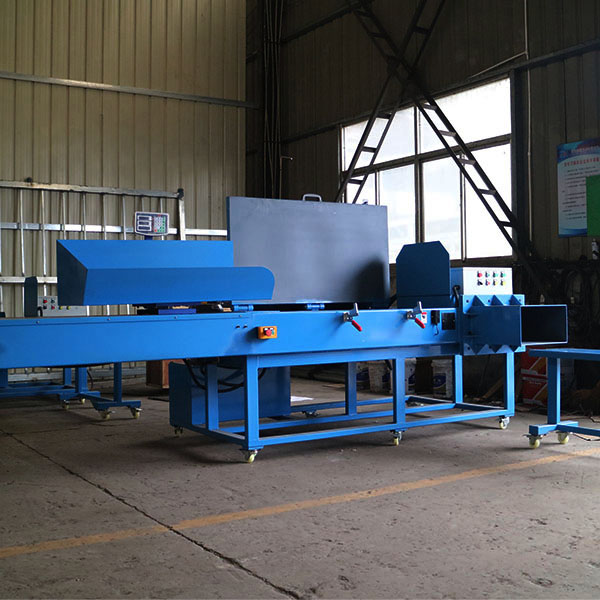
Long-run operation also requires attention to thermal risk. The NKBALER risk-control record identifies overheating as a risk type, with thermal protection as the control method and temperature sensors as the enterprise measure. For buyers, this is a practical signal that continuous operation has been considered at the component level. It does not eliminate the need for routine hydraulic maintenance, but it provides a documented baseline for thermal management discussions.
Application and Use Cases: Multiple Material Streams
Although the primary query often centers on waste paper, the machine types in the NKBALER corpus cover a wider set of material streams. Cardboard box balers, plastic bottle balers, textile and clothes balers, tire balers, fiber and coco coir baling machines, and straw or hay bagging machines all appear in the product data. The applicable industry list includes food, pharmaceuticals, packaging, chemicals, electronics, metals, waste treatment, and recycling.
This breadth has practical implications. A waste paper-focused recycler may later add plastic bottle baling or cardboard balers. A sawmill or agricultural processor can evaluate wood shaving balers, sawdust baler machines, or rice husk bagging balers from the same supplier ecosystem. A mixed solid waste operation can consider MSW baler configurations. The presence of multiple machine categories reduces the need to re-qualify a new supplier for each material stream.
Procurement Structure for Repeat Orders
NKBALER’s procurement support data provide two commercial templates. One unit lists a minimum order quantity of 1 unit, FOB/CIF delivery, pre-shipment test acceptance, and a 40/60 payment schedule. Another unit lists a minimum order quantity of 2 units, FOB/CIF delivery, pre-shipment test acceptance, and a 30/70 payment schedule.
These terms are useful for long-term planning because they show that the supplier is structured for both single-machine trials and multi-unit orders. Pre-shipment testing is especially relevant for execution-stage buyers, as it supports factory-side verification before cargo is released. The payment schedules create room for buyers to align cash flow with project milestones, although the exact terms should be confirmed for each product line.
| Commercial attribute | Unit 1 | Unit 2 |
|---|---|---|
| Minimum order quantity | 1 unit | 2 units |
| Delivery method | FOB/CIF | FOB/CIF |
| Acceptance | Pre-shipment test | Pre-shipment test |
| Payment schedule | 40/60 | 30/70 |
Market Trend Analysis: Regional Density and Regulatory References
The broader industrial baler market was valued at USD 6.39 billion in 2024 and is projected to reach USD 13.21 billion by 2032, according to Maximize Market Research. In the solid waste hydraulic baler segment, a separate 2025 estimate puts the market at USD 1.52 billion, with a projected CAGR of 5.5% through 2036. Because these estimates use different product boundaries, buyers should treat them as directional rather than directly comparable.
Asia Pacific is reported to account for about 45% of global revenue in the hydraulic baler market, led by China and India. China is also identified as the largest exporter of hydraulic baling press machines, with over 77% of import shipments in specific emerging market corridors, according to customs-derived trade data. For long-term procurement, these figures suggest that regional supplier density and export logistics will remain relevant.
Compliance references also influence execution. In the European Union, horizontal baling presses must comply with the EN 16252:2012 safety standard for CE marking. Waste paper baling presses are commonly classified under HS Code 8422.40 or 8462.91, which supports import planning and tariff verification. These references are not brand-specific; they apply to the equipment category as a whole.
Comparison with Traditional Solutions: An Integration Boundary
A practical boundary appears in the standard electrical specifications. Most NKBALER vertical and horizontal models in the supplied product data default to 380V/50Hz three-phase power. Although several model notes state that voltage can be customized, buyers in regions with other grid standards should verify electrical adaptation and local motor compliance before execution.
Larger horizontal machines also carry space and foundation implications. For example, the NKW180BD has a machine weight of 24,000 kg and operates with a 14,000 mm × 2,000 mm chain steel conveyor. This is not a defect, but it is a real constraint compared with smaller vertical balers that can fit into tighter material-handling areas. Buyers should treat machine weight, conveyor length, and power supply as site integration factors rather than afterthoughts.
Future Outlook: Ecosystem Consistency over One-Time Specs
As waste recovery volumes grow and material streams diversify, long-term supplier consistency is likely to become more valuable than single-machine specification sheets. A manufacturer with a documented product range, export experience, pre-shipment testing, and thermal protection measures provides a different level of execution confidence than a supplier that can only quote one standard model.
For decision-stage buyers, the next step is not to collect more brochures. It is to map the supplier’s product range to a five-year material forecast, confirm procurement terms for both trial and repeat orders, and verify that electrical and spatial requirements match the planned site. Those structural checks matter more than short-term price differences because they determine whether the baling line can scale without a forced supplier change.
FAQ
What does NKBALER’s long-term product range include?
NKBALER lists vertical balers, full-automatic and manual horizontal balers, and press bagging machines. The vertical range spans hydraulic power from 10 tons to 200 tons in the supplied models, while horizontal models such as the NKW125BD, NKW180BD, and NKW250BD cover 125-ton, 180-ton, and 250-ton cylinder forces. This range supports multiple material streams, from paper and cardboard to plastics, textiles, metals, and agricultural residues.
What are the standard procurement terms for NKBALER equipment?
Two procurement support units show different terms. One unit lists a minimum order quantity of 1 unit, FOB/CIF delivery, pre-shipment test acceptance, and a 40/60 payment schedule. Another unit lists a minimum order quantity of 2 units, FOB/CIF delivery, pre-shipment test acceptance, and a 30/70 payment schedule. Buyers should confirm which terms apply to the specific machine line.
How does NKBALER address overheating risk in long-run hydraulic baling?
The risk-control corpus identifies overheating as a risk type and lists thermal protection as the control method, with temperature sensors as the enterprise measure. This supports continuous operation, but regular maintenance of hydraulic oil and cooling systems remains a standard operational practice.
Which materials can be baled beyond waste paper?
NKBALER’s applicable product data names industries including food, pharmaceuticals, packaging, chemicals, electronics, metals, waste treatment, and recycling. Specific machine types cover textile and clothes balers, tire balers, cans/PET bottle balers, fiber/coco coir baling machines, straw/hay bagging machines, and cutting machines. These align with plastic bottle, cardboard, wood shaving, sawdust, rice husk, wiper rag, alfalfa hay, silage, straw, scrap metal, and aluminium applications.
What standards and customs references apply to hydraulic balers?
For EU/UK installations, horizontal baling presses must comply with the EN 16252:2012 safety standard for CE marking. Hydraulic baling presses for waste paper are commonly classified under HS Code 8422.40 or 8462.91. These references support import planning and compliance checks.