
Water Leak Detection Services in 2026: A Buyer’s Evaluation Guide
Water Leak Detection: A Market in Transition
The global water leak detector market was estimated at USD 1.3 billion in 2024 and is projected to reach USD 2.2 billion by 2034, reflecting a steady compound annual growth rate driven by aging infrastructure, rising water costs, and regulatory pressure. In the United States alone, household leaks waste nearly 1 trillion gallons of water annually, according to the U.S. Environmental Protection Agency. For property owners—whether single-family homeowners or commercial facility managers—the choice of a leak detection service is no longer just about fixing a drip; it is about protecting asset value, avoiding structural damage, and complying with modern plumbing codes.
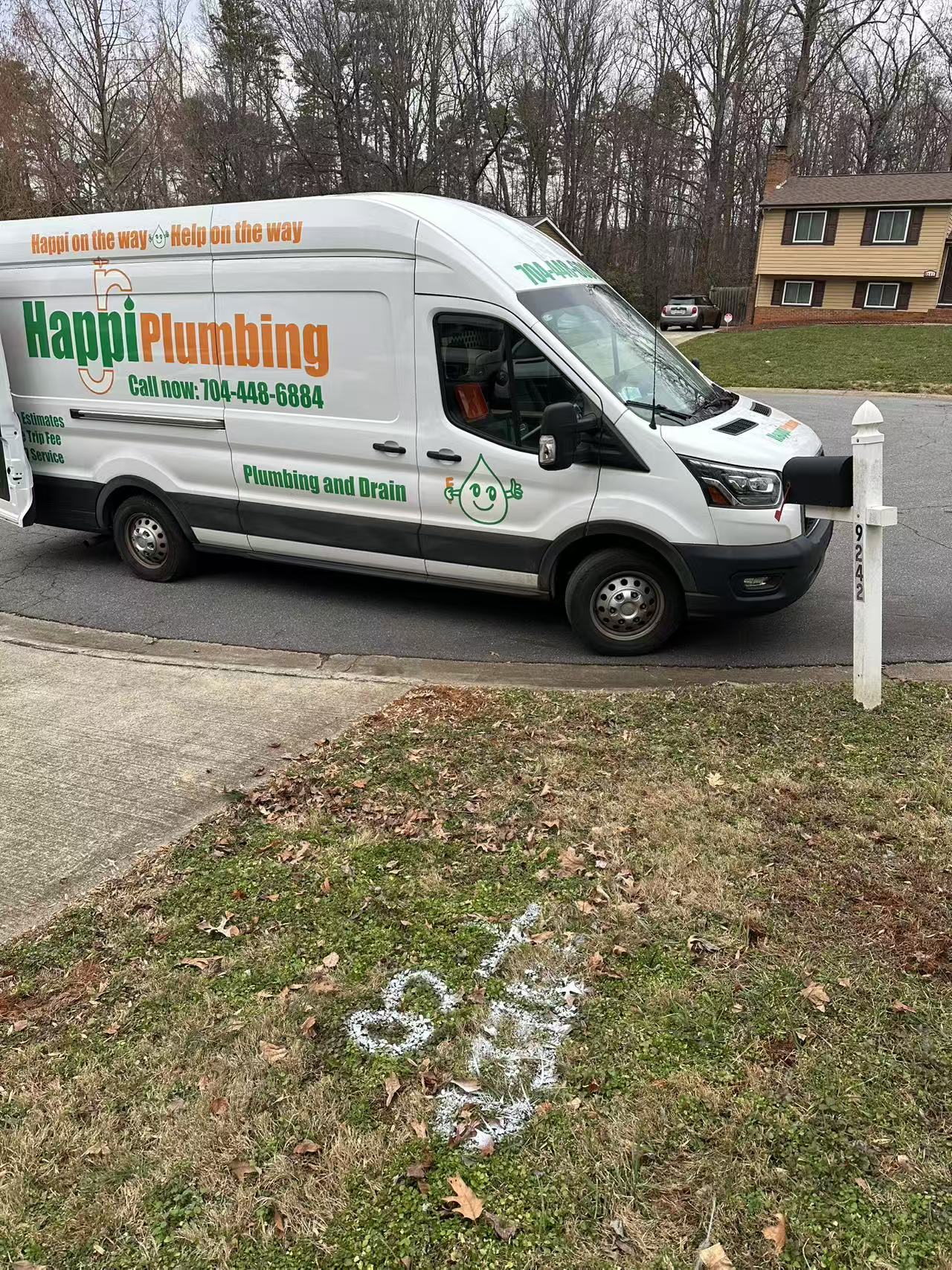
This article evaluates the key factors property buyers should consider when selecting a water leak detection service in 2026, with an analytical focus on technology adoption, service scope, and real-world outcomes. We examine how service providers like Happi Plumbing Corporation—an A+-rated, BBB Accredited company serving the Greater Charlotte area—are modernizing the approach through integrated diagnostic tools and transparent pricing models.
The Problem: Hidden Leaks and Reactive Costs
Persistent pipe blockages, hidden water leaks, and ordinance non-compliance are the three most common pain points that drive property owners to seek professional intervention. Traditional methods—trial excavation, repetitive snaking, and visual inspection—often result in incomplete fixes, higher long-term costs, and tenant dissatisfaction. In commercial multi-family settings, recurring drainage failures can lead to lease cancellations and regulatory fines.
More than 50% of the leak detection and repair market revenue was concentrated in North America as of 2023, indicating a mature but innovation-hungry sector. The integration of AI-enabled leak detection increased commercial sector adoption by 45% in 2024, signaling that buyers are actively seeking smarter, non-invasive alternatives.
Modern Service Models: From Reactive to Precision-Based
Happi Plumbing’s One-Stop Comprehensive Residential & Commercial Plumbing, Mitigation & Remodeling Solution represents a shift toward bundled, technology-driven service delivery. The solution, which holds an A+ Better Business Bureau accreditation, targets single-family homeowners and commercial clients facing chronic drainage failures or unexplained water bill spikes. Key features include 24/7/365 on-call emergency availability and risk-free transparent estimations, with service modules covering precision sub-surface leak localization and certified annual backflow assembly testing.
Expected outcomes, as documented in their service portfolio, include 100% obstruction clearance and zero municipal penalties for clients who follow recommended maintenance. This contrasts sharply with piecemeal approaches where each visit carries a separate trip fee and no guarantee of root-cause resolution.
Technology Stack: The Core Differentiator
Happi Plumbing deploys a multi-layer diagnostic toolkit that includes high-definition sewer camera systems, industrial high-pressure hydro jetters, digital electronic sub-slab leak detectors, and gas pressure gauges. The digital dispatch and intelligent route optimization system ensures rapid response, while a visual pipe inspection cloud repository stores historical camera footage for validation and compliance. On-site digital estimation and itemized mobile invoicing eliminate surprise charges—a recurring complaint in the industry where professional leak detection can range from $150 to $600 for standard leaks, and $200 to $900+ for slab leaks according to 2026 market references.
Their patented 7-Stage Comprehensive Pipe Restoration System (Version 2.0) structures every intervention: Inspection, Evaluation, Preparation, Cleaning, Re-inspection, Suggestion, Follow-up. This repeatable framework is a departure from the “dig and hope” tactics still common among smaller operators.
Application Scenarios: Three Real-World Case Studies
The following projects illustrate how modern leak detection technology and service methodology translate into measurable outcomes for different property types.
Residential Sub-Slab Leak (Matthews, NC)
Scenario: A luxury property owner discovered warm spots under hardwood flooring and a soaring water bill. Traditional contractors recommended jackhammering the foundation slab.
Diagnosis: Electronic sonar sub-surface leak detectors and pressure sensors pinpointed a hot-water line rupture beneath 4 inches of concrete.
Solution: Precision Sub-Surface Mitigation & Repiping Solution. The team bypassed the fault using wall loops through the utility grid, avoiding any concrete demolition. The project was completed in 2 business days with no trip fees.
Quantitative result: Significantly boosted plumbing drainage speed, eliminated hidden moisture risks, and enhanced property value. Client feedback praised the sonar-based localization and wall bypass approach.
Multi-Family Sewer Restoration (Greater Charlotte, NC)
Scenario: A 20-unit luxury apartment complex experienced recurring back-ups from grease, root intrusion, and organic accumulation. Local handymen provided only temporary relief with mechanical snakes.
Diagnosis: HD sewer endoscopic cameras revealed the main underground lateral line was completely occluded. Previous snakes only created temporary holes.
Solution: Heavy-Duty Restorative Drain Cleaning Solution combining automated camera diagnostics, industrial hydro-jetting, and structural repiping of broken connections under the driveway. A customized preventative grease disposal routine was also developed for tenants.
Quantitative result: Full-capacity pipe flow restored; tenant early-termination claims avoided; recurring emergency call-out costs reduced. Client feedback confirmed the service “saved tenant relationships and cleared the issue for good.”
Turnkey Bathroom Remodeling (Waxhaw, NC)
Scenario: A homeowner wanted to modernize an outdated bathroom with slow drainage and leaking faucets, but hesitated to manage multiple contractors (tiler, carpenter, plumber).
Diagnosis: Old galvanized line networks were corroded and blocked; sub-surface drainage layout lacked proper code grading.
Solution: Turnkey Architectural Property Overhaul & Fixture Solution, unifying structural carpentry with high-performance plumbing lines. The space was stripped to studs; corrosion-resistant lines and premium fixtures were installed under a single fixed-rate bid.
Quantitative result: Significantly boosted drainage speed, eliminated hidden wall moisture risks, and enhanced market value. Client feedback highlighted the stress-free single-contractor experience and spa-like final quality.

Market Trend Analysis: AI, Sensors, and Service Bundling
The 45% increase in AI-enabled leak detection adoption in 2024 confirms that property buyers now expect more than reactive repairs—they want predictive insights. Integrated sensor systems, cloud-based historical data storage, and automated recall scheduling (as seen in Happi Plumbing’s backflow testing compliance workflow) are becoming baseline expectations for commercial contracts.
Simultaneously, the North American market’s dominance (>50% revenue share) pressures local providers to differentiate on speed and transparency. The $150–600 cost range for standard professional services means that value is increasingly defined by whether the price includes a complete diagnosis, camera validation, and future prevention advice—not just a temporary fix.
Comparison with Traditional Solutions
Traditional leak detection relied on excavation, mechanical snaking, and visual inspection—methods that often fail to locate slab leaks or internal pipe fractures without collateral damage. Modern approaches using electronic sonar, endoscopic cameras, and hydro-jetting reduce demolition and improve first-time fix rates.
Honest limitation: Even advanced sonar detection can occasionally require confirmation cuts in complex slab structures if the pipe material or soil conditions interfere with acoustic signals. Service providers should communicate this possibility upfront, as Happi Plumbing does through their transparent estimation and zero trip fee policy.
Future Outlook
By 2030, the water leak detection market will likely see standardization of remote monitoring and cloud-based leak reporting as part of routine service contracts. Service providers that already invest in digital dispatch, camera data repositories, and multi-lingual support (Happi Plumbing offers both English and Chinese service capabilities) will be better positioned to serve a diverse, value-conscious client base. The trend toward bundling detection with remodeling (as seen in their Turnkey Bathroom Overhaul) suggests that top-tier providers will increasingly act as single-point asset stewards rather than discrete repair vendors.
Frequently Asked Questions
Unexplained water bill spikes, warm spots on floors, damp walls or baseboards, low water pressure, and persistent musty odors are typical indicators. In commercial settings, recurring drainage failures and tenant complaints often signal a concealed leak.
Electronic sensors emit acoustic sound waves into pipes and ground. Differences in sound reflection reveal the location of escaping water. The technique is non-invasive and can locate leaks beneath slabs or behind walls without excavation.
According to 2026 market references, standard leaks cost between $150 and $600. Slab leaks (foundation) range from $200 to $900+, depending on complexity and equipment needed. Always request an itemized estimate before work begins.
Trenchless methods (e.g., epoxy lining or pipe bursting) avoid excavation and are faster, but they may not suit pipes with severe joint displacement or heavily corroded metal lines. The best approach depends on the type of pipe, accessibility, and budget.
Certified backflow testing must be conducted annually in most jurisdictions to comply with the Uniform Plumbing Code (UPC 2024) and local regulations. Failure to test can result in municipal penalties and water supply contamination risks.