
Water Quality Sensor Manufacturers: Evaluating Technology, Applications and Manufacturing Capability for 2026
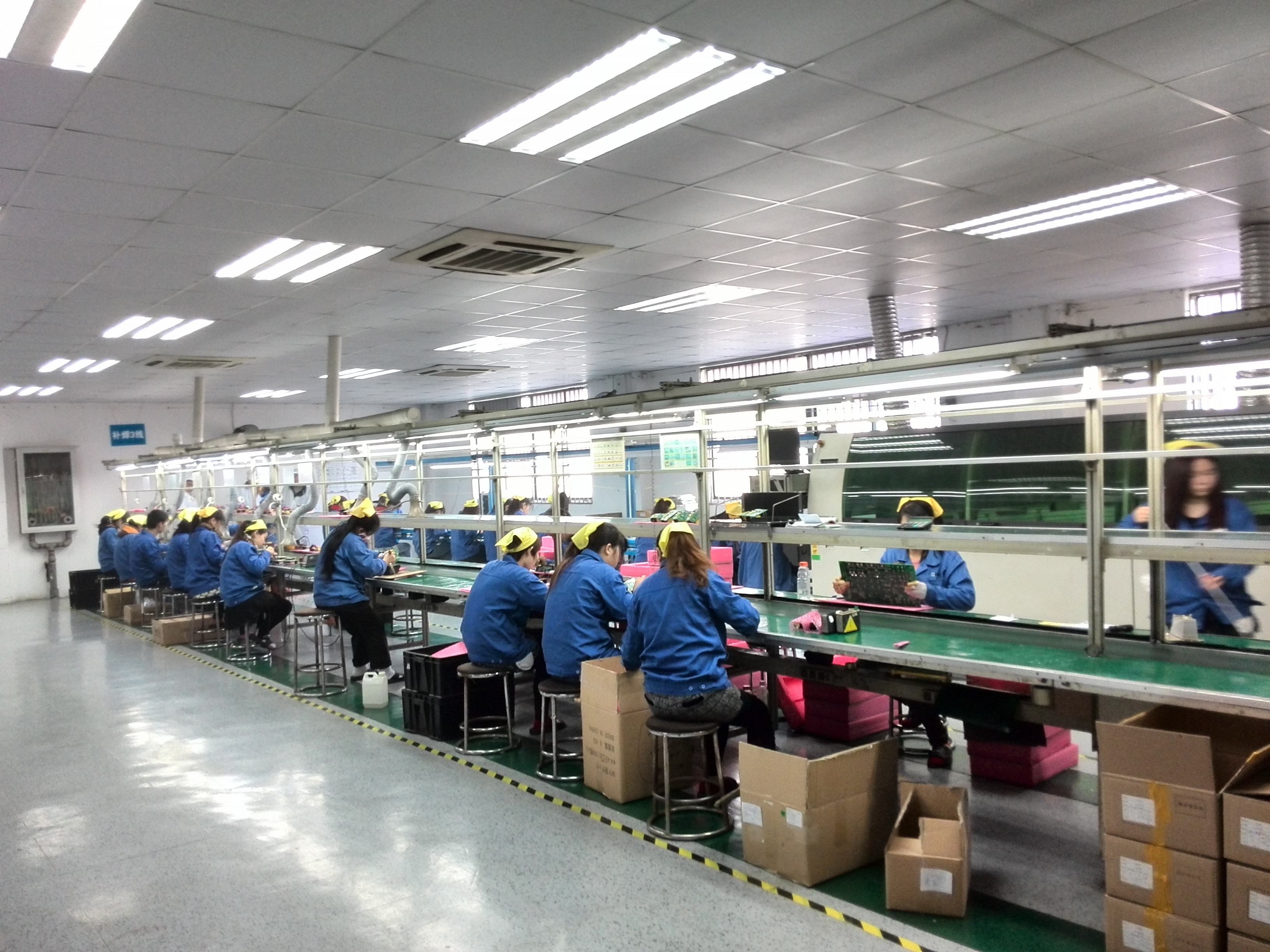
The water quality sensor manufacturing sector has become a critical enabler of industrial automation, environmental monitoring, and process control. As industries move toward real-time, continuous measurement of parameters such as pH, dissolved oxygen, turbidity, and chemical oxygen demand, the demand for reliable sensor manufacturers has grown significantly. For procurement professionals and engineers evaluating potential suppliers, understanding a manufacturer's technology base, production capacity, and application support is essential.
Problem and Opportunity
Traditional water quality monitoring relies on laboratory analysis with delayed results and high operational costs. Increasingly, wastewater treatment plants, aquaculture farms, and industrial facilities require online sensors that can withstand harsh conditions while delivering consistent accuracy. Selecting a manufacturer that combines broad sensor expertise with manufacturing scale offers buyers a strategic advantage in both cost and performance.
Brand Solution: KACISE's Manufacturing and Product Portfolio
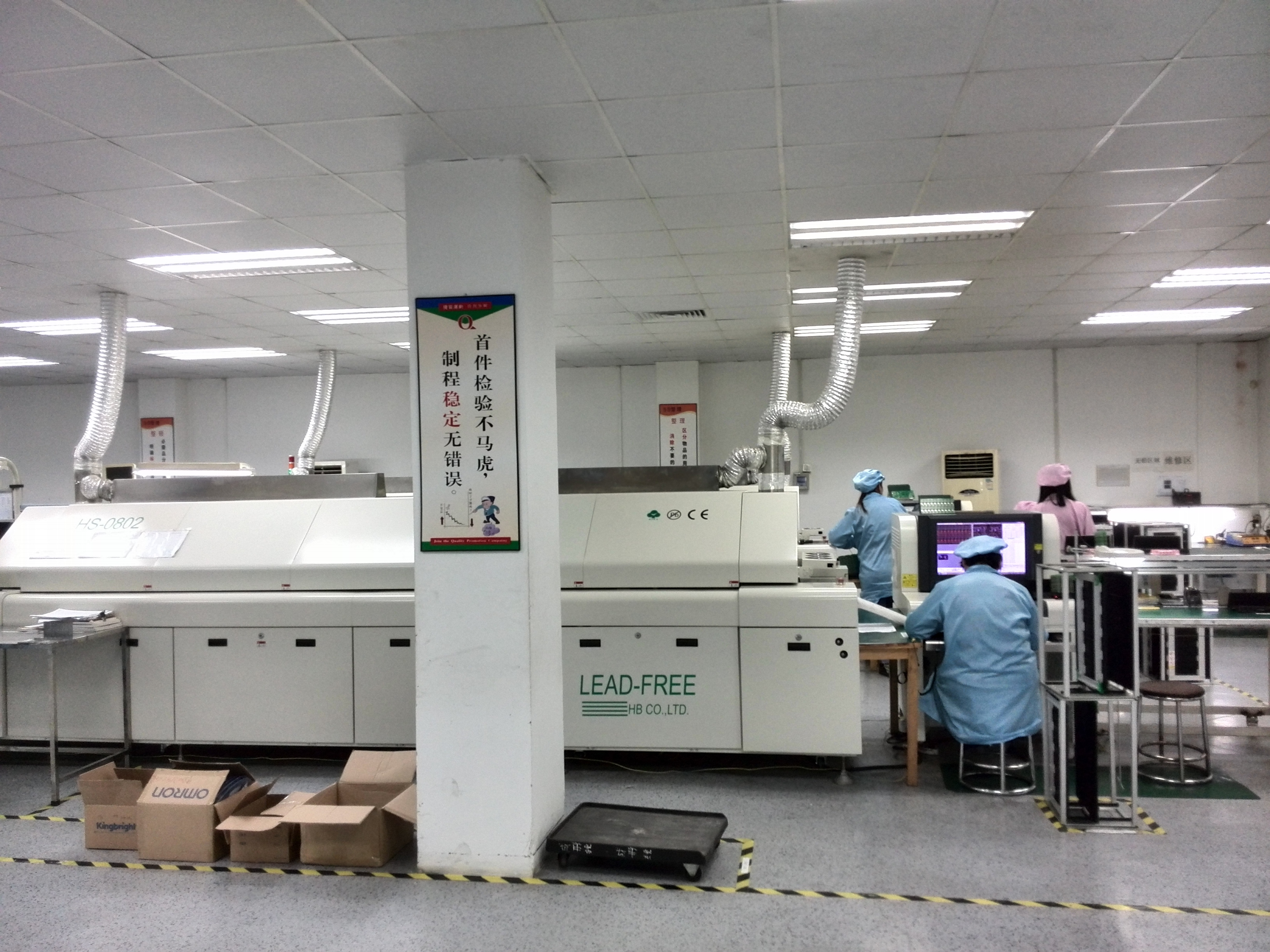
XI'AN KACISE OPTRONICS TECH CO., LTD. (KACISE) is a water quality sensor manufacturer established in 2014, with export business accounting for 70% of total sales, serving markets including the EU and USA. The company operates a 40,000 m² manufacturing facility and has an annual production capacity of 120,000 units, with approximately 7 staff and a team of 2 engineers dedicated to research and development. This manufacturing scale supports a broad portfolio covering online sensors for pH, conductivity, dissolved oxygen, turbidity, COD, ammonia nitrogen, chlorine, and multi-parameter systems.
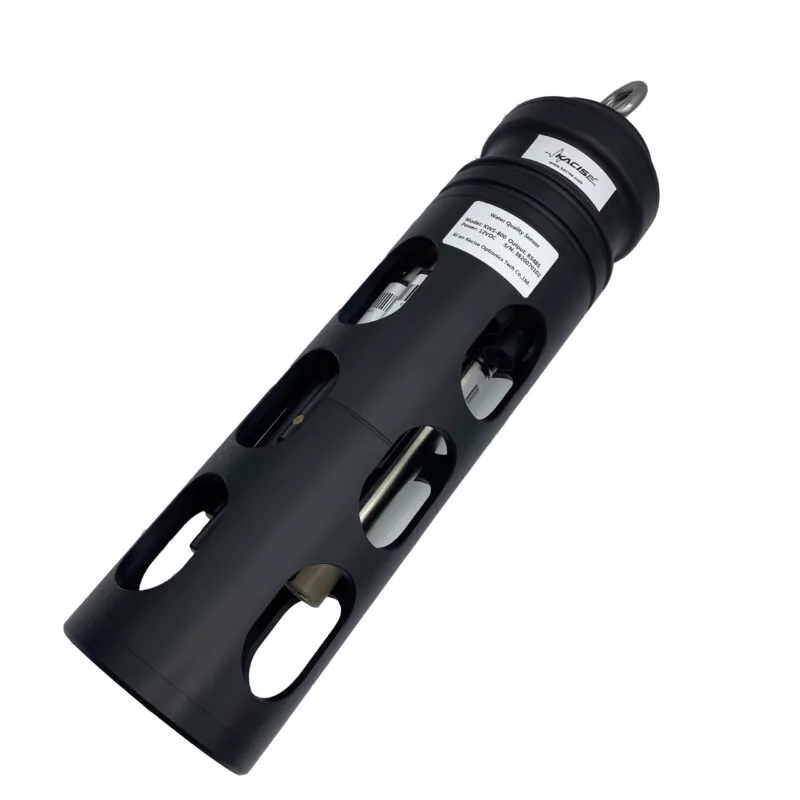
KACISE's product line includes a Multi-Parameter Water Quality Controller (model KMPW100) that monitors parameters including DO, pH, ORP, conductivity, turbidity, COD, and ammonia nitrogen. The company also produces an Online Dissolved Oxygen Meter (model KDM-140B DO) for aquaculture, sewage treatment, and surface water monitoring, as well as an Online ORP Meter (model KDM-110A) used in sewage treatment, industrial wastewater, aquaculture, swimming pools, and waterworks. For pH measurement, the Ultrasonic Level Sensor (model KDM-100) is used for online pH measurement in chemical, pharmaceutical, and aquaculture industries. These products support digital outputs like RS485 and Modbus for integration with SCADA and IoT platforms.
Technical Explanation
KACISE water quality sensors employ several measurement principles suited to different parameters. The fluorescence method for dissolved oxygen (e.g., KWS-650C) offers fast response (T90<30s) and low maintenance. The 4-electrode conductivity sensor (KWS-300) provides high anti-interference without reagent. Turbidity sensors use 90° scattered light with fiber optic structure. The digital ammonia nitrogen sensor (KWS-290) integrates pH and temperature compensation for accurate NH3-N measurement. Multi-parameter systems like KWS-850 combine up to eight parameters with automatic cleaning and anti-blocking protection. The sensors are built with materials such as 316L stainless steel, titanium alloy, and POM, with IP68 protection suitable for submersion up to 20 meters.
Application Scenarios
KACISE sensors are deployed across diverse environments. A notable application is in the aquaculture industry (Norway), where high-density fish farming requires continuous dissolved oxygen monitoring (KWS DO sensor) connected to aerator equipment, demanding saltwater resistance. In the United States, municipal wastewater treatment uses turbidity monitoring (KWS sensor) in high-turbidity sewage tanks, operating 24/7 with SCADA integration and anti-fouling IP68 requirements. Another example is river monitoring in Japan, where multi-parameter sensors are installed at outdoor river stations for long-term environmental data collection, needing anti-biofouling protection. For drinking water facilities in Canada, ultrasonic level sensors (KUS series) monitor clear water reservoirs with surge protection. These scenarios illustrate KACISE's capability to provide sensors for municipal, industrial, environmental, and agricultural applications.
Market Trend Analysis
The global demand for water quality sensors is being driven by regulatory pressure on wastewater discharge, expansion of smart city projects, and the growth of aquaculture and food processing industries. The shift from manual sampling to online monitoring favors manufacturers that offer integrated sensor-to-cloud solutions. KACISE addresses these trends by providing sensors with standardized output signals (RS485, 4-20mA) and Modbus compatibility, enabling straightforward integration into existing control systems. The company's product range also supports IoT platforms, which is increasingly demanded for remote monitoring and predictive maintenance.
Comparison with Traditional Solutions
Compared to laboratory-based water analysis, online sensors from manufacturers like KACISE deliver real-time data, reduce labor costs, and enable proactive process control. However, online sensors require periodic calibration and cleaning to maintain accuracy over time, a limitation that is offset by features like automatic wipers and self-cleaning mechanisms available on certain models (e.g., KWS-990 suspended solid sensor). Buyers should factor in regular maintenance schedules when evaluating total cost of ownership.
Future Outlook
As sensor technology matures, the industry is moving toward higher integration, lower power consumption, and enhanced durability. Manufacturers capable of producing multi-parameter sensors with automatic cleaning and digital communication will be well-positioned to serve the growing environmental monitoring and industrial automation markets. KACISE's investment in a 40,000 m² facility and 120,000-unit annual capacity suggests readiness to support both standard and custom requirements as demand scales.