
Wear-Free Sludge Dewatering: Decision-Focused Comparison
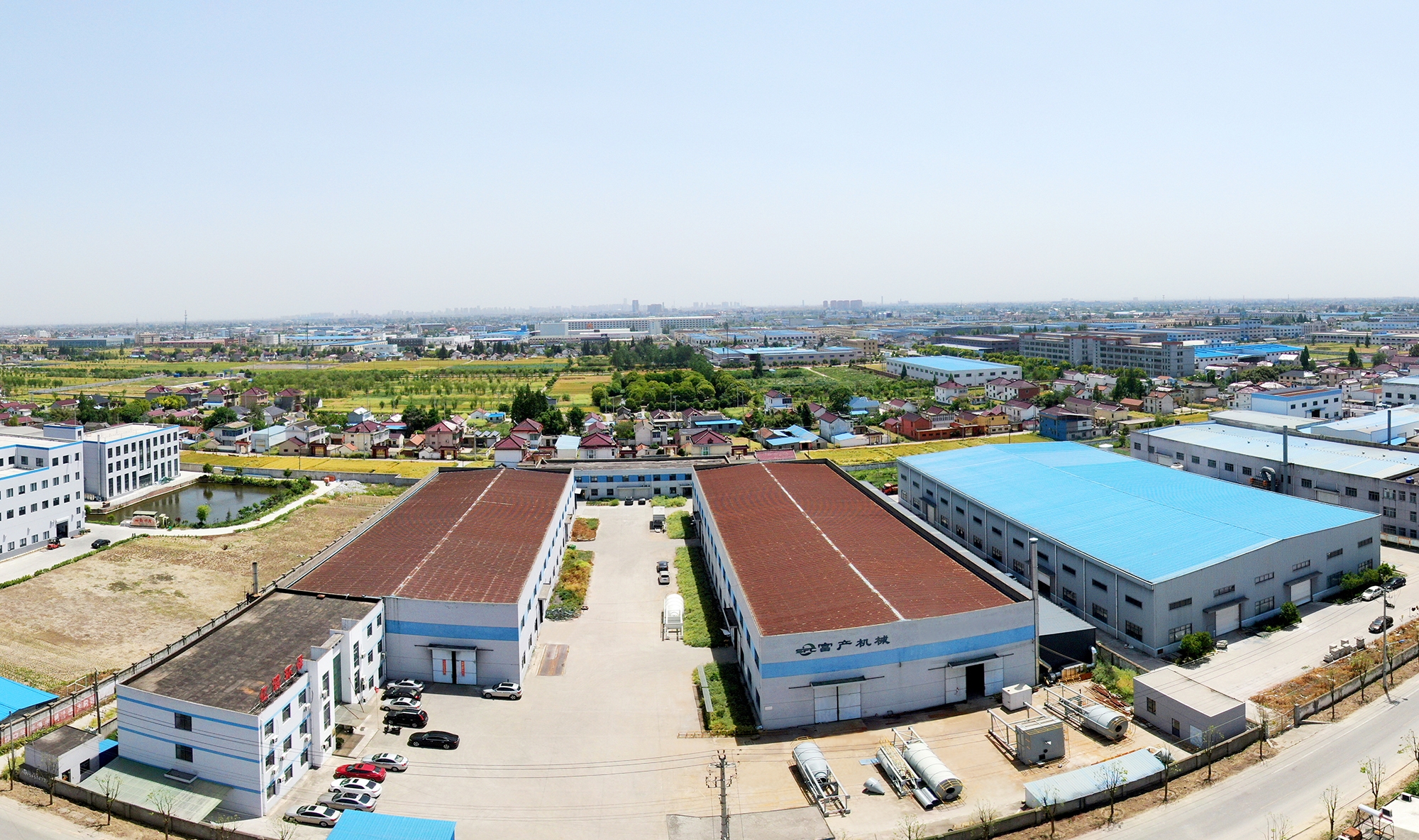
Source: Shanghai Fuchan Machinery Technology Co., Ltd.
The Decision Point in Sludge Dewatering
The global sludge dewatering equipment market was valued at USD 5.19 billion in 2024 and is projected to reach USD 10.16 billion by 2032, according to Fortune Business Insights. Asia Pacific alone commanded 37.57% of that revenue in 2024. As municipal and industrial facilities expand treatment capacity, procurement managers must choose between proven conventional systems and next-generation designs that promise radically lower lifecycle costs.
Two recurring pain points dominate operator feedback: screw shaft wear in multi-disc screw presses and corrosion of finned-tube heat exchangers in sludge dryers. Both issues drive unplanned downtime, spare-part replacement, and labor-intensive cleaning schedules. This article compares conventional technologies against two engineered alternatives from Shanghai Fuchan Machinery Technology Co., Ltd. (SFC Machinery)—a National High-Tech Enterprise established in 2007 and based in Pudong, Shanghai—that address these failure modes at the design level.
Conventional Limitations
- Standard multi-disc screw press: Severe screw shaft wear typically occurs after 10,000 operating hours, leading to frequent ring replacement and energy losses from increased friction.
- Finned-tube dryer condenser: Fins quickly accumulate scale and dust, causing a sharp drop in heat transfer efficiency. Critical corrosion often appears within 3 years, requiring expensive evaporator replacement.
The market has responded with incremental improvements, but structural redesigns remain rare. SFC Machinery’s two proprietary systems—the wear-free multi-disc screw press and the smooth-tube condenser sludge dryer—offer a different path.
Breaking the Wear Cycle: Wear-Free Screw Press Design
SFC Machinery’s wear-free multi-disc screw press eliminates direct contact between the screw shaft and the stationary rings through a patented geometry. The result: zero measurable wear after 50,000 hours of operation, whereas conventional presses require overhaul at 10,000 hours.
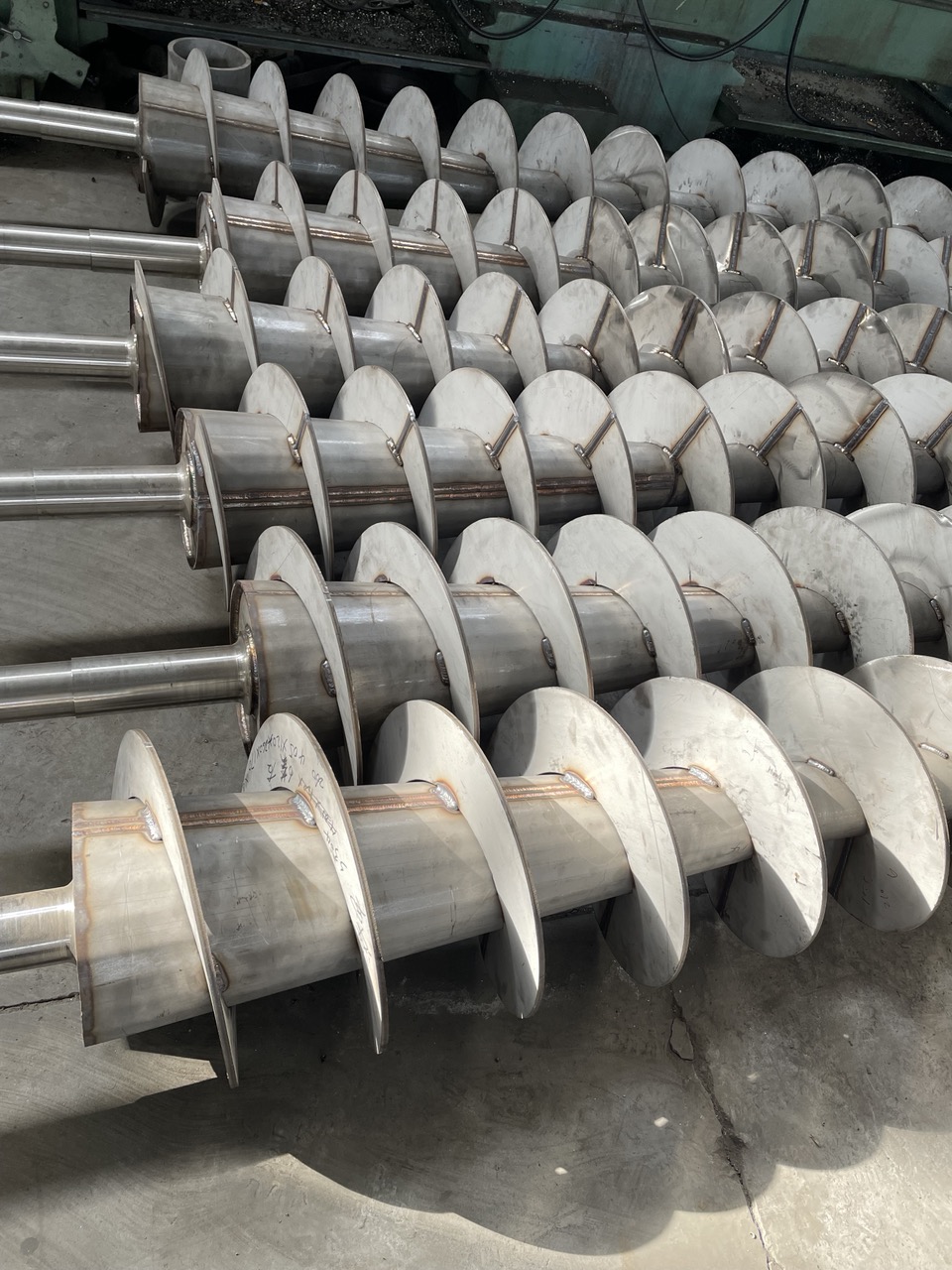
By removing the friction source, the design delivers three measurable improvements:
- Energy efficiency gain: Reduced frictional losses lower overall energy consumption.
- Maintenance cycle extended ~300%: Fewer inspections and replacements of wear parts.
- Post-operation maintenance expense reduced ~30%: Lower spend on screw shafts, rings, and repair labor.
The technology is best suited for facilities handling oily, sticky, or high-inorganic-content sludge—commonly found in municipal sewage plants, printing and dyeing factories, chemical enterprises, and food processing plants that run continuous dewatering operations.
Solving the Scaling Problem: Smooth-Tube Condenser Dryer
Conventional sludge dryers rely on finned-tube heat exchangers that foul rapidly in polluted environments. SFC Machinery’s smooth-tube condenser dryer replaces fins with multiple rows of 316L stainless steel smooth tubes. During operation, a continuous water film formed on the tube surface captures airborne dust, while the polished geometry prevents scale adhesion. An integrated automated spray-flushing system periodically washes contaminants into the condensate drain.
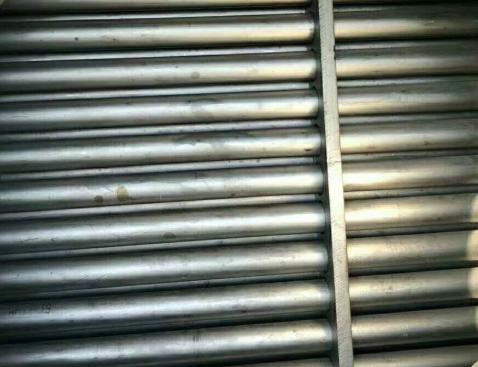
Performance benchmarks versus finned-tube units:
- Service life: 5–8 years (finned-tube units commonly fail critically within 3 years).
- Overall efficiency: 1.3–1.5× higher than conventional systems.
- Maintenance cycle: Extended by ~200% thanks to automatic spray flushing.
- Evaporator-related maintenance expenses: ~50% lower over the equipment lifetime.
This design is particularly effective for municipal sewage sludge and biogas digestate, where high fouling potential and corrosive gases are the norm.
Practical Application Scenarios
Both technologies have been deployed across diverse settings. The wear-free screw press is often selected by municipal wastewater plants that require 24/7 operation with minimal unscheduled stops. For industrial processors handling chemical or food waste, the extended maintenance interval directly translates to higher uptime.
The smooth-tube dryer is increasingly specified in centralized sludge treatment facilities where odor control and energy recovery are priorities. The low-temperature drying process (typically 50–70°C) enables safe handling and compatibility with waste heat integration.
Market Context & Trend Analysis
The belt filter press segment—a conventional dewatering technology—is still growing at a CAGR of 8.8% (2025–2033), per Grand View Research. However, operators are starting to factor in total cost of ownership, not just initial capex. The shift is visible in the expanding share of screw press and drying technologies that promise lower long-term maintenance. SFC’s wear-free screw press and corrosion-proof dryer align with this trend, particularly in markets like China (projected USD 0.87 billion revenue by 2025) and the wider Asia-Pacific region.
One honest limitation: the initial purchase price of these engineered designs may be slightly higher than off-the-shelf alternatives. Procurement teams should run a lifecycle cost analysis incorporating the ~30–50% maintenance savings and 300% longer intervals to determine the net benefit for their specific operational profile.
Future Outlook
As environmental regulations tighten globally, sludge dewatering equipment that reduces downtime and maintenance burden will gain preference. Innovations that solve the fundamental wear and corrosion problems—rather than merely patching symptoms—are likely to become baseline requirements for new installations.
Frequently Asked Questions
Q: How does the wear-free screw press prevent screw shaft wear?
A: The design eliminates direct contact between the screw shaft and the stationary rings. Standard multi-disc presses rely on metal-to-metal contact that wears the shaft after about 10,000 hours. SFC’s wear-free structure removes this friction entirely, resulting in zero wear even after 50,000 hours. The maintenance cycle is extended by approximately 300%, and post-operation maintenance expenses are about 30% lower, including reduced costs for rings, shaft replacement, and repair labor.
Q: What causes dryer evaporator corrosion in conventional systems?
A: Finned-tube heat exchangers accumulate scale and dust, which trap moisture and corrosive gases. The fins themselves create crevices that accelerate localized corrosion. This typically leads to critical failure within 3 years. SFC’s smooth-tube condenser uses 316L stainless steel tubes without fins, and a natural water film prevents scale adhesion. Combined with an automatic spray-flushing system, this design maintains performance and guarantees a service life of 5–8 years, reducing maintenance expenses by about 50%.
Q: How can I prevent belt deviation on a belt dewatering press?
A: Standard belt presses use pneumatic correction valves and limit switches to control belt tracking. Regular inspection of valve flexibility and lubrication are required. Ensure rollers are properly aligned during installation and commissioning. For sludges that are difficult to dewater, a wear-free screw press may be considered as an alternative that inherently avoids belt-tracking issues.
Q: What is the recommended approach to reduce final cake moisture?
A: Optimize polymer dosing through jar testing, adjust feed concentration and throughput, increase belt pressure or drying time. During commissioning, operating parameters should be tuned based on actual sludge characteristics. For consistently high moisture, upgrading to a deep dewatering system (high-pressure belt press) or a low-temperature dryer can achieve lower final moisture content.
Q: How do I select the right equipment capacity to avoid over-capacity operation?
A: Match the equipment capacity with the daily sludge volume and planned operating hours. Check the peak sludge flow and solids loading before finalizing the model. It is better to run dewatering equipment at 70–85% capacity during normal operation to allow for peak loads. Over-capacity operation leads to premature wear and higher energy consumption.
For detailed technical specifications and a product catalog covering sludge thickening, dewatering, deep dewatering, and drying systems, view the complete SFC Machinery catalog here:
Download SFC Product Catalog 2026 (PDF)
Shanghai Fuchan Machinery Technology Co., Ltd. | Room 1201, 1122 Xinjinqiao Rd, Pudong New District, Shanghai | Email: sales@fuchanjx.com | Tel: +86 138-1673-2007 | Web: www.sfceco.com
Have Questions or Need More Details?
Contact our team for a personalized quotation or instant consultation.
Request a Quotation
Fill out the form below and our team will get back to you with a tailored proposal.
WhatsApp Direct Chat
Prefer to chat in real-time? Message us on WhatsApp for instant assistance & quick answers.
- Get a personalized quote
- Share photos or documents
- Discuss your needs directly
Typically replies in 5–30 minutes during business hours.