
Welded Mesh Fence: Security, Standards, and Application Versatility
Market Context: A Growing Perimeter Security Need
Welded mesh fences have become a primary choice for perimeter security across schools, industrial sites, railways, sports fields, and residential properties. The global welded wire mesh fence market was valued at USD 7.04 billion in 2025 and is projected to grow to USD 11.72 billion by 2034, driven by heightened security concerns and infrastructure expansion.
Fence specifiers and procurement professionals today face a set of converging requirements: anti-climb and anti-cut resistance, long-term corrosion protection, compliance with local building codes and international standards, and ease of installation with low maintenance. Welded mesh fence panels offer a structural answer to these challenges—combining rigid frame strength with versatile customization.
The Challenge: Balancing Security, Durability, and Compliance
Traditional fencing options—such as chain link, wood, or concrete—often trade off one attribute for another. Chain link provides visibility but limited climb resistance; wood offers aesthetics but degrades over time; concrete delivers mass but lacks transparency and is costly to modify. In high-traffic public zones and critical infrastructure, the demand for a fence that simultaneously deters intrusion, withstands environmental exposure, and meets recognized safety standards is intensifying.
For procurement teams evaluating welded mesh fence solutions, key decision factors include tensile strength, coating longevity, panel rigidity, and conformance to standards like EN 10223-7 (European standard for steel welded panels for fencing) and ASTM F2453 (specification for welded wire mesh fence fabric for high-security applications).
Dengfeng Welded Mesh Fence: A Manufacturing Overview
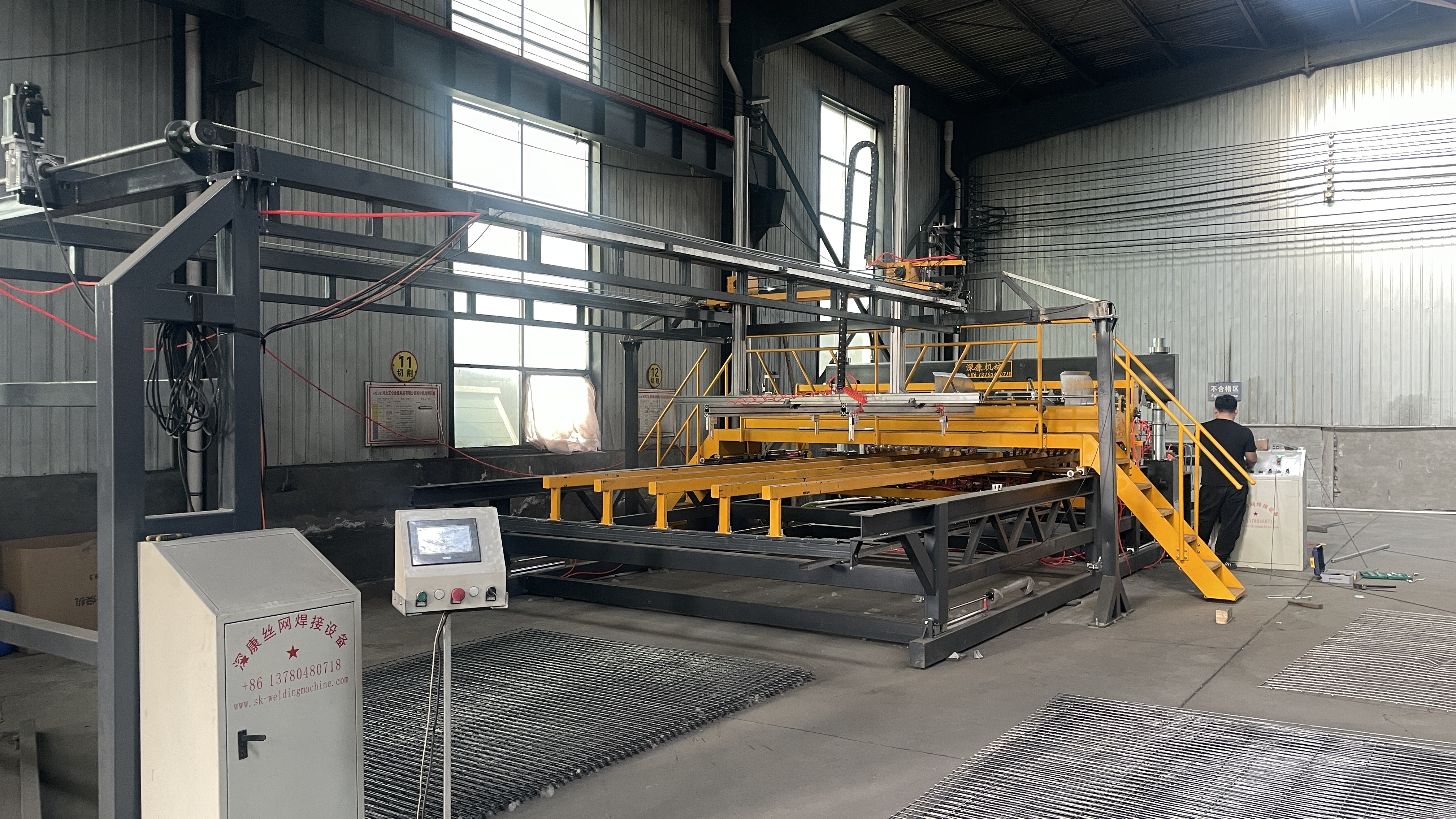
Anping Dengfeng Wire Mesh Products Co., Ltd., established in 2008 and based in Anping County—known as the "Hometown of Wire Mesh" in China—specializes in the R&D, production, and sales of welded mesh fence products. The company operates a 70,000 m² manufacturing facility with an annual production capacity of 5,000,000 m², supported by a 10-engineer R&D team and approximately 80 employees.
Dengfeng’s welded mesh fence offering includes models such as 3D-2000, 358-1800, TW-1500, and TC-2100, covering categories like 3D curved fences, 358 anti-climb fences, double-wire panels, palisade fences, temporary construction fences, and chain link fences. The product line also includes welded mesh rolls, welded wire mesh panels, BRC/roll-top fences, barbed/razor wire, and gabion baskets, with customization available according to customer drawings and requirements.
“Export business accounts for 80% of total sales, with major markets including Europe, Saudi Arabia, the Middle East, the United Arab Emirates, and the United States.”
Technical Construction: Material and Coating
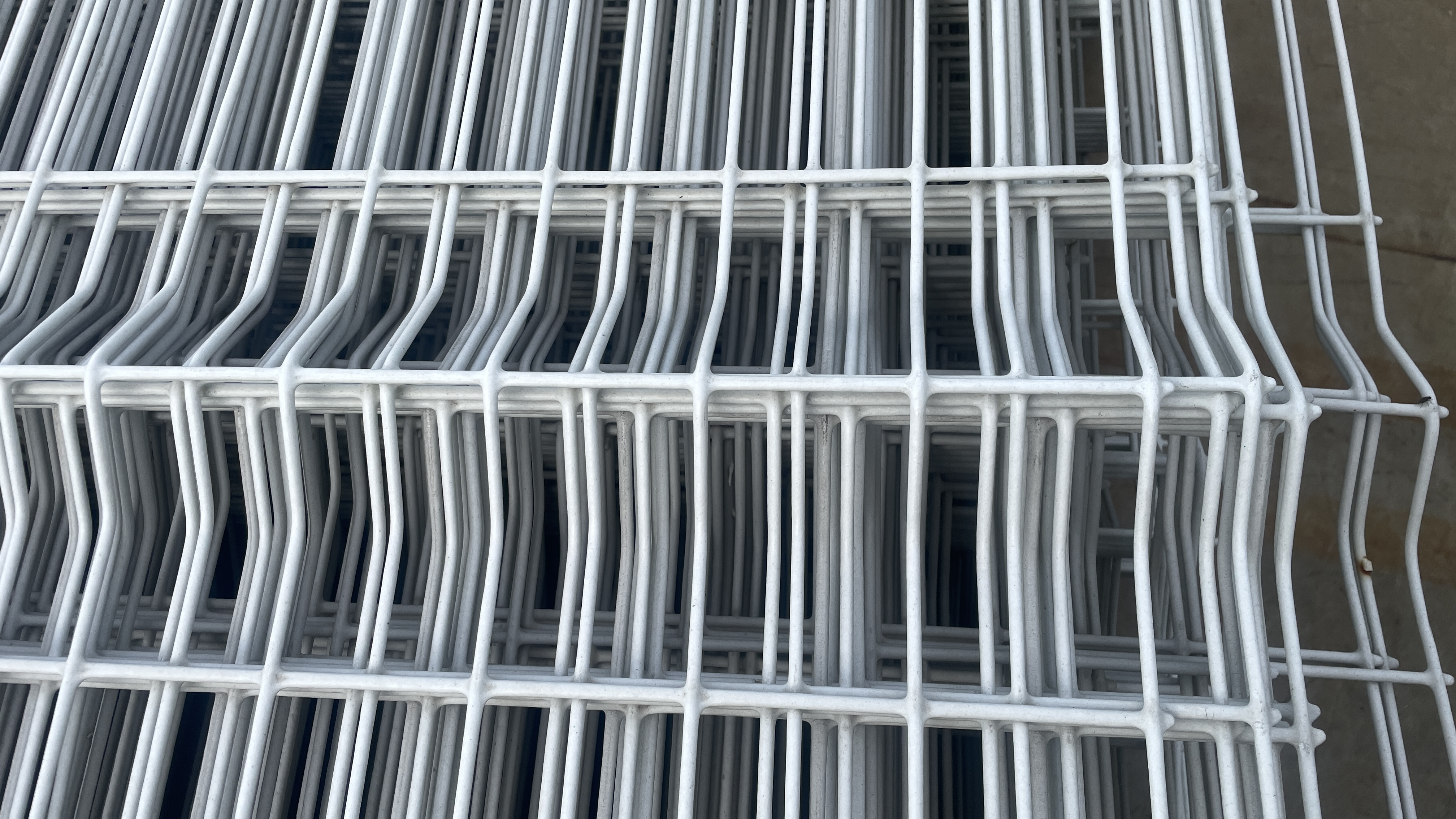
Dengfeng’s welded mesh fence panels are fabricated from low-carbon steel wire and galvanized steel pipe. The surface treatment is a two-stage process: hot-dipped galvanizing followed by powder coating, delivering a service life exceeding 10 years. Key dimensional parameters include:
- Height range: 630 mm – 3000 mm
- Width range: 2000 mm – 3000 mm
- Wire diameter: 3.0 mm – 6.0 mm
- Mesh sizes: 50 × 100 mm, 76.2 × 12.7 mm
The fence structure is available in several design variants. For high-security environments, the 358 anti-climb fence features narrow apertures (76.2×12.7 mm) that resist climbing and cutting, while the 3D curved fence provides a rigid yet aesthetic profile suitable for municipal and residential areas. All products hold certifications including ISO9001, SGS, and BV.
The company implements strict pre-shipment quality inspection for every order, ensuring dimensional accuracy and coating integrity before delivery.
Application: Where Welded Mesh Fence Delivers
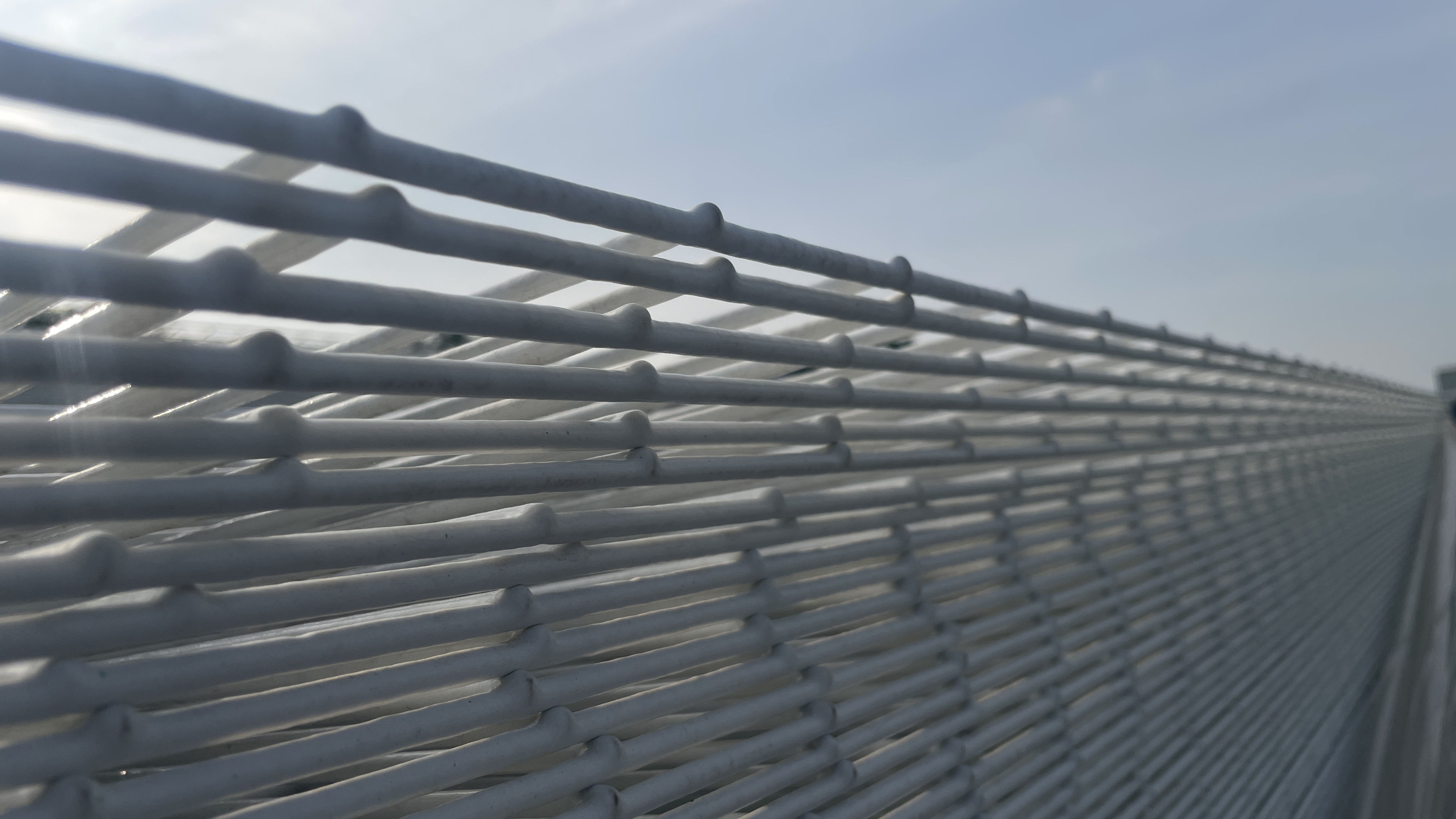
Welded mesh fences are deployed globally in outdoor environments that demand corrosion resistance, anti-climb protection, weather resistance, and low maintenance. Common project types include:
| Application Sector | Typical Requirements | Suitable Panel Type |
|---|---|---|
| Schools & Parks | Anti-climb, child safety, visibility | 358 anti-climb / rigid frame panels |
| Industrial Perimeters | Anti-cut, high tensile strength, long corrosion life | Double wire / 3D curved |
| Railways | Cable theft prevention, rigid structure | Rigid frame panels with barbed wire |
| Sports Fields | Durability against balls, easy visibility | Chain link / welded mesh panels |
| Residential Properties | Aesthetics, low maintenance, security | Powder-coated 3D curved panels |
Supporting equipment for complete installations includes support posts, connecting clips, security gates, and razor wire. The product operates in 24/7 outdoor standing mode and is designed to meet conditions requiring anti-corrosion, anti-rust, anti-climb, and weather resistance. This application scenario is common globally, with specific adaptation for the United States and Australia.
Market Trend Analysis: Compliance, Standardization, and Integration
Several trends are shaping the welded mesh fence industry:
- Standard-driven procurement: Buyers increasingly reference EN 10223-7 and ASTM F2453 to ensure consistent quality. Dengfeng’s ISO9001, SGS, and BV certifications align with these procurement expectations.
- High-security panel demand: Welded mesh fence panels with anti-climb and anti-cut design are preferred for schools and railways, as verified by industry reports.
- Corrosion protection compliance: Hot-dipped galvanizing followed by powder coating is becoming the baseline for outdoor durability, especially in coastal or industrial atmospheres.
- Customization on the rise: Fabricators like Dengfeng that offer custom drawings and manufacturing are well-positioned to serve specialized project needs.
Asia Pacific accounted for 38.5% of the welded wire mesh fence market revenue in 2025, driven by infrastructure projects in China and India. The overall global fencing market is estimated at USD 33.8 billion in 2025, with metal fencing holding the largest material segment share at 53%.
Comparison with Traditional Solutions
Compared to traditional chain-link fencing, welded mesh panels offer greater structural rigidity and climb resistance, making them better suited for high-security perimeters. The rigid frame design reduces sagging over time, and the integrated coating system eliminates the need for frequent repainting. However, welded mesh fence panels typically involve a higher upfront material cost than standard chain link, which may influence budget-sensitive projects. This cost can be offset by reduced maintenance expenses over the product’s lifespan (≥10 years).
Future Outlook
As urbanization accelerates and security regulations tighten globally, welded mesh fence adoption is expected to continue its growth trajectory. Manufacturers with strong R&D capacities, multi-standard certifications, and flexible customization will be best placed to serve evolving specifications. Dengfeng’s combination of large-scale production capacity (5 million m²/year), export expertise, and quality inspection protocols positions it as a reliable partner for project-specific supply.
Frequently Asked Questions
Q: What are the main types of welded mesh fence available?
Dengfeng offers welded mesh fence panels in categories including 3D curved fence, 358 anti-climb fence, double-wire fence, palisade fence, temporary construction fence, and chain link fence. Specific models are 3D-2000, 358-1800, TW-1500, and TC-2100.
Q: What standards should welded mesh fence comply with for high-security applications?
Key referenced standards include EN 10223-7 (Europe) for steel welded panels for fencing, and ASTM F2453/F2453M-14 (USA) for welded wire mesh fence fabric for high-security use. Dengfeng’s products carry ISO9001, SGS, and BV certifications.
Q: Can welded mesh fence panels be customized to my project dimensions and mesh size?
Yes. Dengfeng customizes products according to customers’ drawings and requirements. The standard height range is 630 mm to 3000 mm, width 2000 mm to 3000 mm, wire diameter 3.0 mm to 6.0 mm, with mesh sizes such as 50×100 mm and 76.2×12.7 mm. Surface treatment can also be specified.
Q: What is the typical service life of Dengfeng’s welded mesh fence?
With a two-layer surface treatment of hot-dipped galvanizing plus powder coating, the fence has a service life exceeding 10 years under normal outdoor conditions.
Q: Is the product suitable for installation in coastal or high-corrosion environments?
Yes. The hot-dipped galvanizing followed by powder coating provides corrosion resistance, anti-rust, and weather resistance, making it suitable for outdoor and coastal environments.
Q: How does the company ensure product quality before shipment?
Dengfeng implements strict pre-shipment quality inspection for every order, covering dimensional accuracy, coating thickness, and weld integrity to ensure compliance with customer specifications.
Q: What types of projects commonly use welded mesh fence from Dengfeng?
The product is used in boundary isolation, security protection, construction temporary isolation, and landscape enclosure projects. Common industries include security, municipal engineering, and construction. Applications are common globally, particularly in the United States and Australia.
Anping Dengfeng Wire Mesh Products Co., Ltd.
Email: sales@alunfence.com
Phone/WhatsApp: +86 158-3395-6854
Company Website
Download Product Brochure
Have Questions or Need More Details?
Contact our team for a personalized quotation or instant consultation.
Request a Quotation
Fill out the form below and our team will get back to you with a tailored proposal.
WhatsApp Direct Chat
Prefer to chat in real-time? Message us on WhatsApp for instant assistance & quick answers.
- Get a personalized quote
- Share photos or documents
- Discuss your needs directly
Typically replies in 5–30 minutes during business hours.