
Wet Wipes OEM Decision: Uniquality vs. Conventional Suppliers
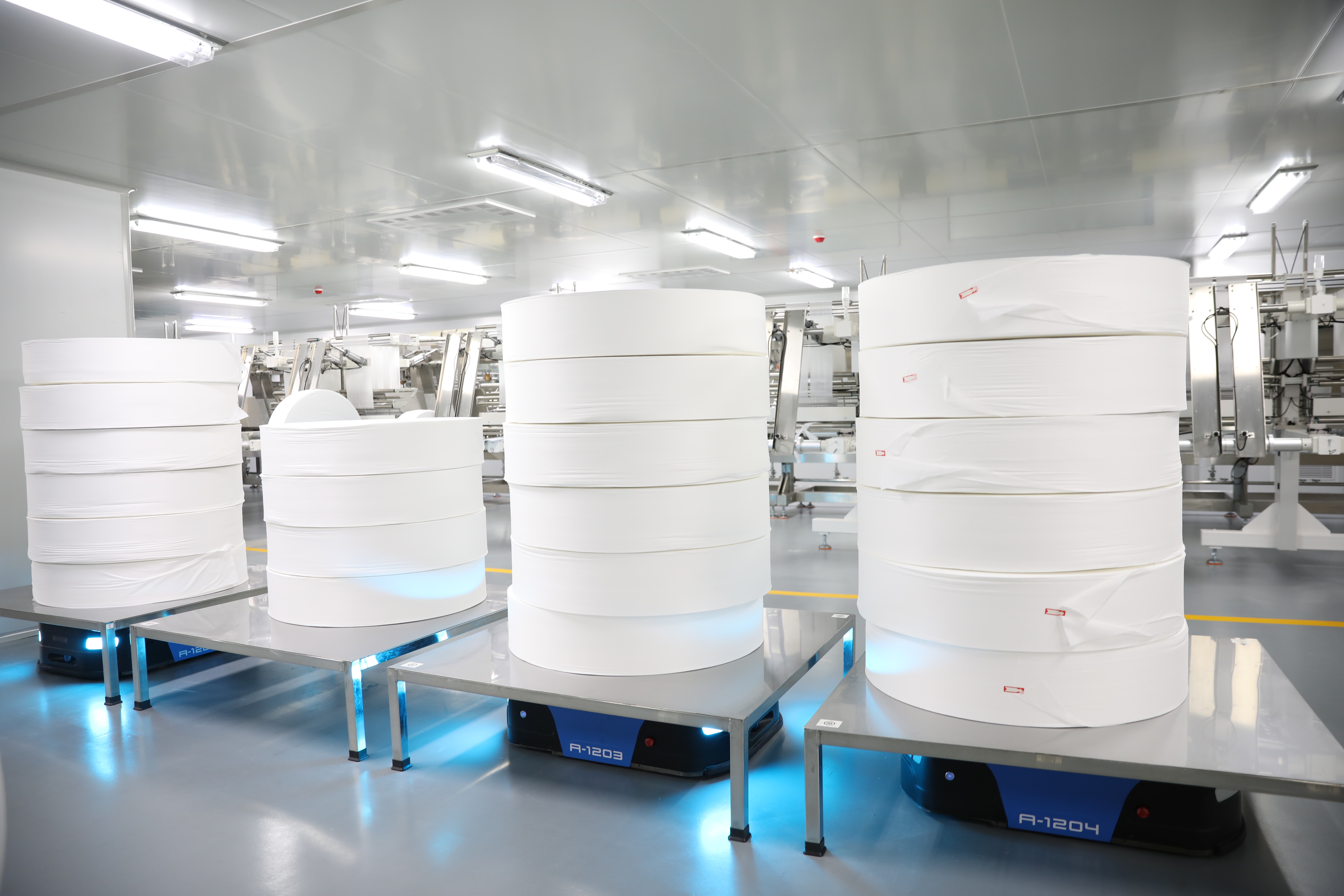
High-speed automated production lines exemplify Uniquality's vertical integration.
Selecting a wet wipes OEM/ODM partner for a new private-label launch or supply chain upgrade requires evaluating production consistency, quality control, and long-term risk. Zhejiang Uniquality Nursing Products Technology Co., Ltd. — a manufacturer founded in 1987 with 24 years of specialized wet wipes and diaper experience — offers a vertically integrated alternative that differs from conventional suppliers in cost structure, microbial safety, and delivery reliability.
The Sourcing Challenge
Buyers at the decision stage often face trade-offs between upfront unit price and downstream risk. Small OEM manufacturers may offer lower per-case costs but lack controlled environments, traceability systems, and batch consistency. In regulated categories — baby wet wipes, medical wet wipes, or antibacterial wipes — a single microbial exceedance can trigger costly recalls and brand damage. The question becomes: which partner minimizes total cost of ownership while meeting certification and quality benchmarks?
The Uniquality Solution: Scale, Certification, and Vertical Integration
Uniquality operates a 1,000,000 m² smart factory with a 60-billion-sheet annual output, placing it among the largest dedicated wet wipes OEMs globally. The company maintains a 200+ person R&D team and employs 3,000+ employees. Export accounts for 70% of production, reaching brand owners in 80+ countries across North America, Europe, South America, Russia, and Central Asia. This scale directly supports a 99.5% on-time delivery rate, a figure that the company attributes to fully automated production lines and batch traceability.
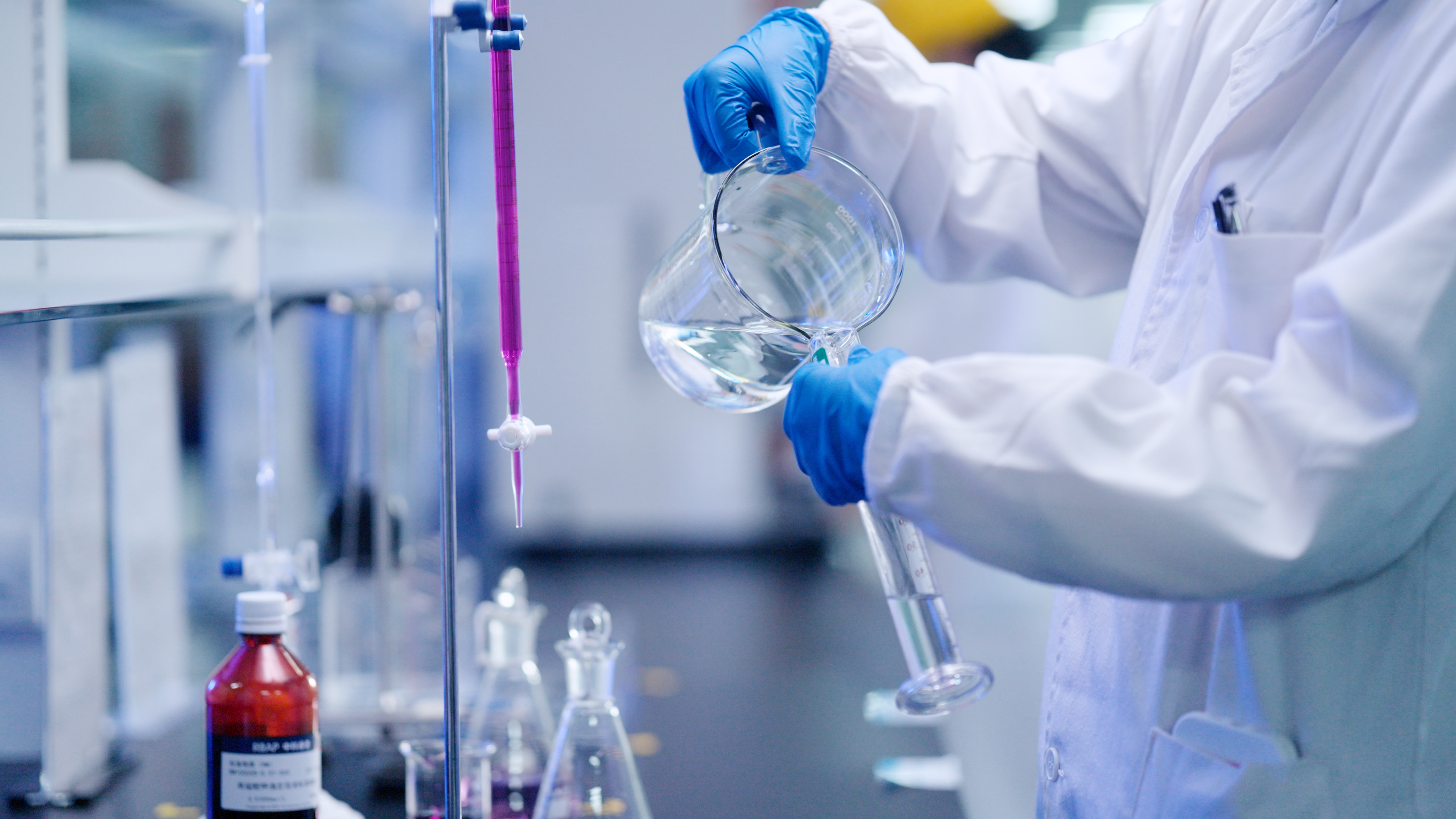
In-house laboratory supports continuous quality verification and product improvement.
Technical Differentiators
Uniquality's manufacturing environment is a 100,000-class GMP cleanroom, a standard more commonly associated with pharmaceutical production than with typical wet wipes lines. The company uses pharma-grade purified water in its formulations. Microbial control is stringent: total bacteria count is kept at ≤100 CFU/g, compared to ≤200 CFU/g for many standard industry products. This margin reduces the likelihood of microbial exceedance — a risk that the company addresses by controlling raw material hygiene, applying qualified preservatives, and conducting pre-delivery microbiological inspection in its dedicated laboratory.
From a cost perspective, Uniquality reports 8–15% lower raw material costs and 10% lower energy consumption versus smaller or less integrated producers, achieved through full vertical integration and automated lines. While the upfront per-unit price may be slightly higher, the company argues that lower recall and return risk — combined with traceable batch records — lowers total cost over the product lifecycle.
Application Across Wet Wipes Categories
Uniquality's production capabilities span a wide range of wet wipes types, enabling buyers to consolidate sourcing:
- Baby Wet Wipes & Pure Water Wet Wipes — require pharma-grade water and minimal additives. The 100,000-class cleanroom and low bioburden make these suitable for sensitive skin applications.
- Antibacterial & Medical Wet Wipes — need consistent preservative systems and controlled environments. Uniquality's ISO, CE, GMPC, and FSC certifications provide the regulatory documentation required for healthcare markets.
- Hand & Mouth Wet Wipes, Makeup Remover Wet Wipes, Facial Wet Wipes — demand mild formulations and soft substrates. The 200+ R&D team supports formulation customization with 3–5 day sampling turnaround.
- Flushable & Biodegradable Wet Wipes — address sustainability trends. Uniquality's FSC certification covers responsible fiber sourcing.
- Industrial & Household Wipes (Kitchen, Bathroom, Floor, Glass, Car, Stain Remover) — benefit from the same production discipline adapted for different substrates and liquid loadings.
- Adult Wipes, Female Intimate Wipes, Pet Wipes — niche segments where consistent quality and pH‑balanced formulations are critical.
Market Trend: Quality Assurance as a Competitive Definer
In international wet wipes procurement, certification and compliance are increasingly tied to market access rather than optional upgrades. Buyers serving US, EU, and regulated Asian markets typically require documented GMP compliance and third‑party audits. Uniquality's existing certification stack — including ISO, CE, GMPC, and FSC — allows it to serve these markets without requiring customers to dedicate resources to supplier qualification. The company's sample retention room, where every batch is archived and tracked, provides additional transparency.
Comparison with Traditional OEM Suppliers
| Parameter | Uniquality | Conventional Small OEM |
|---|---|---|
| Production environment | 100,000-class GMP cleanroom | Often open workshop or low-grade cleanroom |
| Water quality | Pharma-grade purified water | Standard RO or tap water |
| Total bacteria (CFU/g) | ≤100 | ≤200 typical |
| Upfront cost | Slightly higher | Lower |
| Recall risk | Lower (traceable batches, controlled process) | Higher (limited batch traceability) |
One limitation worth noting: Uniquality's quality infrastructure requires a higher minimum order quantity compared to small OEMs. Buyers with very low-volume trial runs may find the setup costs prohibitive. However, for repeat orders and scalable launch, the company's documented quality system reduces the need for external audits and re-testing.
Future Outlook
With 24 years of process refinement and a growing portfolio of certifications, Uniquality is well-positioned to serve buyers who prioritize compliance and supply stability. The company's sample retention and batch traceability infrastructure aligns with emerging regulations in the EU (e.g., stricter microbiological limits) and with retailer demands for documented supply chain transparency.