
What Determines a Capable Aluminized Steel Supplier?
For buyers sourcing aluminized steel for high-heat applications, the material specification is usually the first thing that gets settled. The more difficult question comes next: which supplier can actually deliver against that specification, at the required quality, with the right customization, and on a timeline that keeps a project moving?
That question is a capability question. It is also the main reason why aluminized steel procurement often succeeds or fails after the contract is signed, rather than before it. In this article, we break down the supplier capabilities that matter most for evaluation and execution, look at how one supplier—MESCO Steel—structures those capabilities in practice, and outline the market context that makes capability assessment increasingly important.
Why Capability Becomes the Real Selection Variable
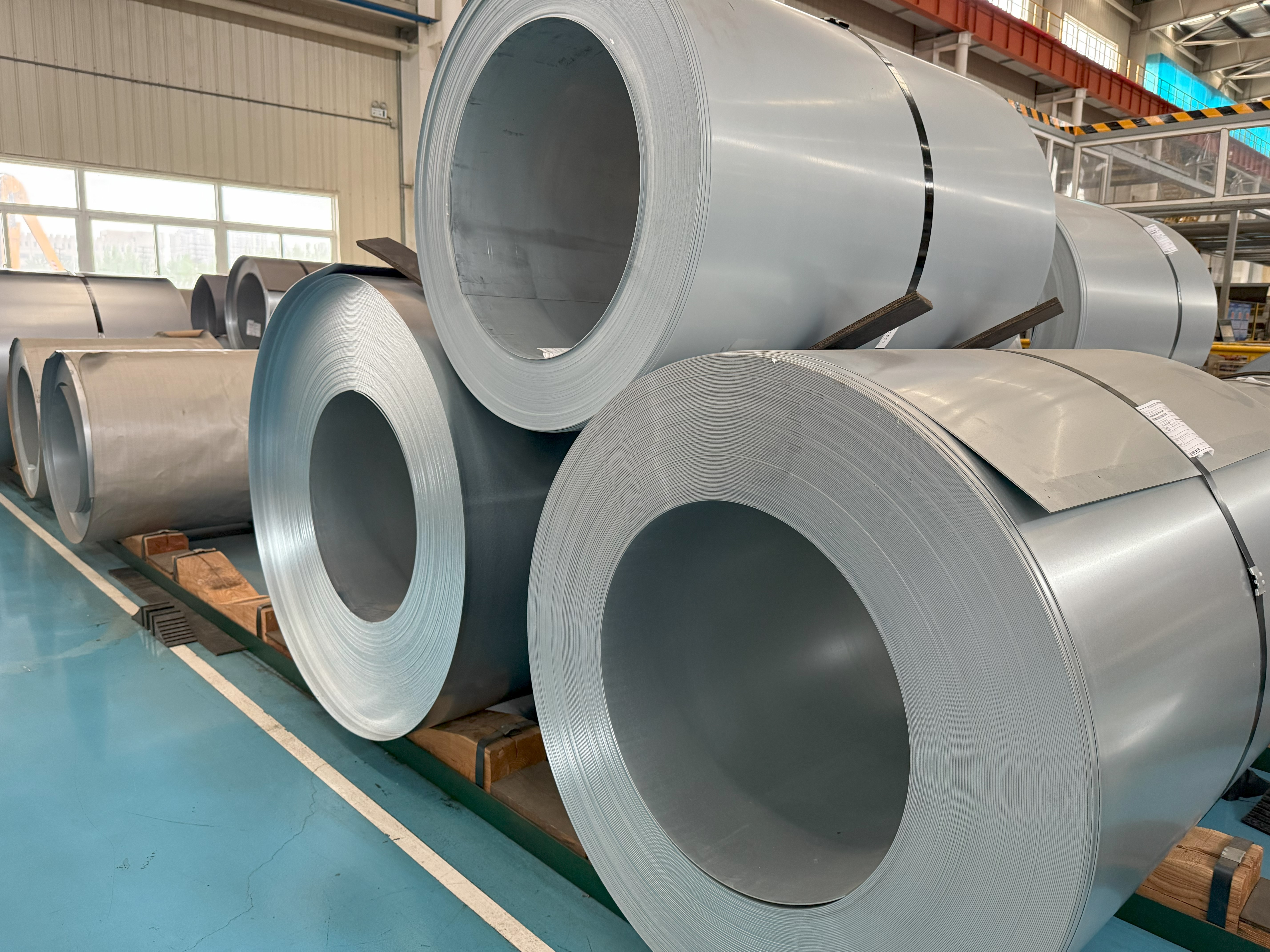
Aluminized steel is a coated flat product that combines the strength of steel with a hot-dip aluminum or aluminum-silicon coating. It is widely selected for environments where heat resistance, heat reflection, or corrosion resistance is required. Standards such as ASTM A463/A463M and EN 10346 define how the material is produced and tested. But a standard is only a baseline.
In practice, buyers in the evaluation-to-execution stage face a different set of issues. A coil may meet the standard on paper, yet arrive with inconsistent coating weight. A supplier may promise custom sizes, but lack the processing lines to deliver them. A low price may look attractive, only to be erased by delayed shipment and logistics friction. These are not material specification problems. They are supplier capability problems.
Evaluating capabilities, rather than just comparing prices, is what separates an informed purchaser from one who discovers the difference later in the supply chain.
A Practical Framework for Supplier Assessment
When assessing an aluminized steel supplier, five capability blocks deserve attention. Together, they determine whether a purchase will translate into reliable production and project execution.
1. Production and processing capability
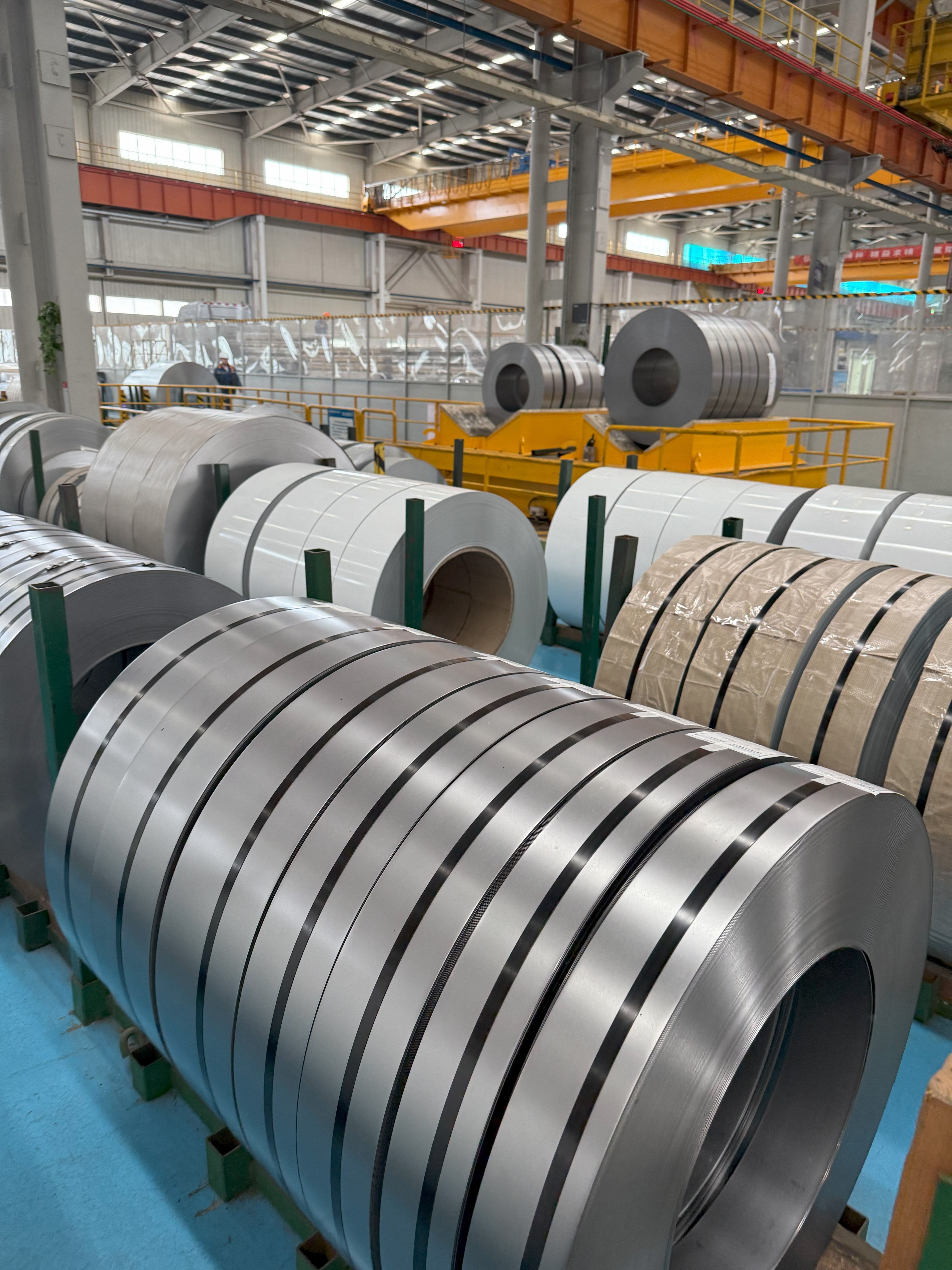
A supplier's physical production base matters, especially when buyers require specific sizes, slitting, cutting, or custom coating. Processing flexibility is often the difference between a standard coil that must be reworked downstream and a semi-finished product that fits the production line directly.
2. Quality verification and traceability
Aluminized steel is sold by chemical composition, coating weight, and mechanical properties. A capable supplier verifies these parameters rather than merely forwarding mill certificates. Lab testing of key performance indicators—such as tensile strength and coating behavior—reduces the risk that a batch will fail during forming, welding, or high-heat service.
3. Inventory depth and delivery reliability
High-heat projects rarely stop while a supplier waits for manufacturing slots. Suppliers with deep stock of standard specifications can ship in days rather than months. Delivery reliability is not a nice-to-have; it directly impacts project cost and scheduling.
4. Customization and engineering support
Buyers often need a material solution rather than just raw coil. This can mean advice on the right coating type, a specific strip width, or a product form such as aluminized steel tube. A supplier with in-house engineering support can identify practical trade-offs before commitment, which saves significant rework later.
5. Export and logistics execution
For international buyers, capability also includes documentation, packing, customs, and ocean freight. A supplier that manages these steps end to end provides more predictable lead times and reduces the administrative burden on the buyer's team.
MESCO Steel: How a Capability Profile Looks in Practice
Dalian Mesco Steel Co., Ltd. (MESCO Steel) is a Chinese steel exporter based in Dalian Economic and Technological Development Zone, founded in 2007. It operates a 40,000 m² facility with 120 employees and an annual output capacity of 120,000 units, exporting approximately 70% of its products to markets including South Korea, Thailand, the Philippines, the United Arab Emirates, Saudi Arabia, Indonesia, Turkey, Brazil, and Mexico, among others. It is best understood as an example of how a medium-size export supplier builds capabilities around high-temperature and specialty steel materials.
From a buyer's perspective, the MESCO capability profile is defined by several concrete elements:
- Product scope: The company's main products include aluminized silicon steel coils, aluminized silicon steel tubes, Zn-Al-Mg coated steel sheets, prepainted steel sheets, radiant tubes, industrial pure iron, and metal culverts. The presence of both coil and tube forms matters for buyers whose application requires shaped components.
- Engineering team: A dedicated R&D team of five engineers supports customized design consulting and rapid sample development. For evaluation-stage buyers, this means asking "can you supply this exact size or coating?" and getting an answer instead of a brochure.
- Inventory: MESCO states it keeps tens of thousands of tons of stock for standard specifications, with delivery within 3–7 working days. That is the kind of concrete parameter that buyers can verify early in supplier evaluation.
- Quality control: The company tests chemical composition and mechanical properties in laboratories to verify key performance indicators. This is a direct response to the common risk of inconsistent coating or composition between batches.
- Export reach: MESCO has exported to more than 100 countries and regions, serving over 700 clients, including nine Fortune Global 500 companies. This volume of cross-border transactions signals logistics and documentation experience.
These facts do not make MESCO the right choice for every buyer. But they illustrate what a capability-driven evaluation should look like: specific, verifiable, and relevant to production execution.
Technical Backdrop: What Makes Aluminized Steel Suited to High Heat
Understanding the material helps buyers ask better supplier questions. Aluminized steel is produced by the hot-dip process, in which steel sheet passes through a bath of molten aluminum or aluminum-silicon alloy. The result is a coating that provides two useful behaviors at high temperature: oxidation resistance and heat reflection. When exposed to heat, the coating forms a protective oxide layer on the surface, which slows further degradation of the base steel.
Under ASTM A463/A463M, two coating types are defined. Type 1 uses an aluminum-silicon alloy coating and is generally associated with heat resistance and heat reflection—this is the dominant product form in the market. Type 2 uses a pure aluminum coating and is associated with atmospheric corrosion resistance. In Europe, EN 10346 covers continuously hot-dip coated steel flat products, including aluminized steel (AS) coatings. Buyers should confirm which standard applies to their end market and specify the coating type accordingly.
Applications That Put These Capabilities to Work
Aluminized steel's performance profile makes it a practical choice in several high-heat environments:
- Automotive exhaust systems: The material withstands high operating temperatures while resisting corrosion from condensation and road salts.
- Household appliances: Ovens, gas ranges, and other heat-generating appliances use aluminized steel for internal panels and heat reflectors.
- Industrial heat exchangers and radiant tubes: Radiant tubes and related components benefit from the material's oxidation resistance and heat reflection. MESCO's product range explicitly includes radiant tubes, indicating the material's role in industrial heating equipment.
- Agricultural and construction equipment: Heat shields and reflective components in engines and equipment also use coated steel where surface temperatures are elevated.
For each application, the relevant question is not only the grade, but also the consistency of coating weight and mechanical properties across the supplied batch. This is why quality verification capability is listed early in the assessment framework.
Market Trends Shaping Aluminized Steel Procurement
Several verifiable market signals explain why supplier capability deserves more attention than it traditionally receives.
According to Zion Market Research, the global aluminized steel sheet market was valued at approximately USD 13.43 billion in 2024. Dataintelo projects the aluminized steel sales market to reach USD 18.7 billion by 2034, with a compound annual growth rate of 5.7% from 2026. Asia Pacific led with a revenue share of 41.8% in 2025. Within the product mix, Type 1 hot-dip silicon-alloy coated steel accounted for 62.3% of the market in 2025, confirming that heat-resistant applications remain the core demand driver.
Major international producers—including ArcelorMittal, Nippon Steel, POSCO, and AK Steel (Cleveland-Cliffs)—continue to shape supply dynamics. At the same time, Chinese exporters such as MESCO Steel serve a large portion of the cross-border market, offering an alternative for buyers who need flexible specifications and faster delivery than traditional mill procurement allows.
Stockist vs. Capability Partner: A Realistic Comparison
Not every supplier fits the same role. The comparison below summarizes two common types of suppliers in the aluminized steel market:
| Dimension | Stockist / Trading Desk | Capability-Driven Supplier |
|---|---|---|
| Quality verification | Relies mainly on mill certificates | Lab-tests chemical composition and mechanical properties |
| Customization | Limited to existing stock | Design consulting, custom sizes, and rapid samples |
| Inventory | Thin, opportunistic positions | Deep stock of standard specifications |
| Delivery reliability | Variable, dependent on third parties | Stated 3–7 working days for standard items |
| Export and logistics | Narrow network | End-to-end logistics and customs management |
There is, however, a boundary to capability-driven sourcing. For highly standardized, very large-volume requirements, direct procurement from major integrated steel mills can offer scale economics that a medium-size exporter cannot match. A supplier like MESCO Steel is not a substitute for a mill allocation when a buyer's annual volume runs at the scale of a global automotive OEM. Its most credible position is serving buyers that need flexibility, customization, moderate volumes, and reliable cross-border execution—especially in emerging markets where large mills are less responsive to small and mid-sized orders.
Recognizing this limit is important. Buyers who understand where a supplier's capability ends can make better decisions about when to use it.
Future Outlook for Aluminized Steel Buyers
Several developments are likely to shape aluminized steel procurement in the coming years. First, certification and traceability will continue to move from transactional documents to regular procurement requirements. Buyers will increasingly expect test reports that are tied to specific lots, rather than generic material certificates. Second, suppliers that offer customization and processing will gain a clearer role, because the material itself is well established and the differentiation now lies in how it is supplied. Third, demand for heat-resistant coated steel remains closely tied to industrial activity in Asia Pacific, which is expected to remain the largest regional market.
At the same time, competitive pressure is rising. Global producers continue to improve coating performance; Nippon Steel's AS-L grade, introduced in 2024, claims a 30% improvement in inter-coat adhesion for automotive applications. Chinese exporters will need to hold ground through service quality, delivery speed, and application support—either through supplier evaluation criteria or actual supply relationships.
For reference, buyers can download MESCO Steel's full catalogue to review the product range: MESCO STEEL CATALOGUE 2507 (PDF).
FAQ: Aluminized Steel Supplier Capabilities
What is the difference between Type 1 and Type 2 aluminized steel?
Under ASTM A463/A463M, Type 1 is hot-dip coated with an aluminum-silicon alloy and is designed for heat resistance and heat reflection. Type 2 is coated with pure aluminum and is oriented toward atmospheric corrosion resistance. Type 1 is the dominant product form; according to Dataintelo, it held about 62.3% of the aluminized steel market by product share in 2025.
Which quality standards cover aluminized steel?
ASTM A463/A463M is the governing standard for aluminum-coated steel sheets produced by the hot-dip process, covering both Type 1 (Al-Si alloy) and Type 2 (pure Al) coatings. EN 10346 is the European standard for continuously hot-dip coated steel flat products, which includes aluminized steel (AS) coatings. Buyers should confirm which standard is required by the project specification or end market.
What should a buyer verify when selecting an aluminized steel supplier?
Buyers should assess production and processing capability, lab-based quality verification of chemical composition and mechanical properties, inventory depth, customization and engineering support, and export and logistics execution. These five areas determine whether the supplied material will meet the specification consistently and arrive on schedule.
Does MESCO Steel support custom aluminized steel requirements?
Yes. MESCO Steel offers customized design consulting and rapid sample development, with a product range that includes aluminized silicon steel coils, aluminized silicon steel tubes, and radiant tubes. Its in-house R&D team of five engineers supports material selection and application adaptation for specific project needs.
What is MESCO Steel's typical delivery time for standard aluminized steel specifications?
MESCO Steel maintains tens of thousands of tons of stock for standard specifications and states a delivery time of 3–7 working days. This reduces the need for buyers to carry large safety inventory.