
What Is a Surface Pump? Technology Types, Key Specs, and Market Position
Surface pumps are among the most widely used water-moving devices in residential, agricultural, and light commercial systems. For buyers who are new to the category, the range of models, technical terms, and application claims can be difficult to navigate. This article explains what a surface pump is, how it is classified, what specification ranges matter in procurement, and what market data indicates for sourcing decisions.
The commercial importance of the category is significant. Mordor Intelligence reports that surface pumps held a 57.63% share of the total global pump market in 2025, while MarketsandMarkets estimates the overall pumps market at USD 61.32 billion in 2024, projected to reach USD 79.01 billion by 2029.
What Is a Surface Pump?
A surface pump is a type of pump that operates outside the water it moves. It is normally installed above ground or above the water level, and it draws water through a suction pipe from a well, tank, river, or storage reservoir. Because the pump is not submerged, maintenance and inspection are generally easier than for submersible designs.
Surface pumps use different hydraulic mechanisms to move water. The majority are based on centrifugal force: an impeller rotates inside the pump casing and accelerates the water, converting velocity into pressure. Other designs add self-priming capability, which allows the pump to remove air from the suction line and start drawing water automatically. Jet pumps use a nozzle and venturi arrangement to create suction, while peripheral pumps use a peripheral impeller to generate relatively high pressure at lower flow rates. Multistage surface pumps use several impellers in series to achieve higher discharge pressure.
In practical terms, the “surface pump” name is used both as a category and as a product type. A manufacturer may describe a product line as “surface pumps” while also listing centrifugal pumps, self-priming pumps, jet pumps, swimming pool pumps, and multistage pumps as subcategories within the same pump portfolio. Zhejiang Happy Pump Industry Co., Ltd., for example, lists surface pumps, submersible pumps, deep well pumps, solar pumps, centrifugal pumps, self-priming pumps, pressure tanks, swimming pool pumps, multistage pumps and sewage pumps as parts of its pump category.
Main Types of Surface Pumps
Buyers searching for terms such as household surface pump, agricultural surface pump, swimming pool surface pump, or solar surface pump are usually looking at the same basic pump architecture adapted for different working conditions. The main distinctions are hydraulic design, motor type, materials, and the application they are designed for.
| Type | Hydraulic Principle | Typical Applications |
|---|---|---|
| Centrifugal surface pump | A rotating impeller increases water velocity and converts it into pressure. | Clean water transfer, irrigation, booster duty, general water supply. |
| Self-priming surface pump | Pump casing retains water and removes air from the suction line for automatic priming. | Household water supply, garden watering, suction from tanks or shallow wells. |
| Jet surface pump | A venturi nozzle creates a strong suction effect, often with a shallow well ejector. | Shallow well water supply, households with limited well depth. |
| Peripheral surface pump | A peripheral impeller produces high pressure at low flow. | Boosting, small domestic systems, high-head low-flow duties. |
| Multistage surface pump | Multiple impellers are used in series to generate high discharge pressure. | Pressure boosting, water supply in buildings, industrial circulation. |
| Swimming pool surface pump | Usually a centrifugal design with a strainer basket and suitable flow characteristics. | Pool circulation, filtration, and water feature systems. |
| Solar surface pump | Surface pump matched with solar controllers or DC/inverter drive. | Off-grid irrigation, remote water supply, solar pumping systems. |
The product range from manufacturers often spans several of these types. The Pumps series from Zhejiang Happy Pump, for instance, covers power from 0.25 kW to 550 kW, head from 20 m to 100 m, and flow from 1.5 m³/h to 5500 m³/h. In that specific portfolio, the main body materials are cast iron, stainless steel, and engineering plastics, with protection ratings from IP44 to IP68.
Key Specifications and What They Tell a Buyer
Specifications are the first place where a surface pump can be compared with an application requirement. Four numbers usually define the basic fit:
- Power (kW/HP): relates to motor size and energy consumption. In the Pumps category from Zhejiang Happy Pump, power ranges from 0.25 kW to 550 kW; related motors cover 1 HP to 430 HP.
- Head (m): indicates how high the pump can raise water, from 20 m to 100 m within the reference product range.
- Flow (m³/h): indicates how much water the pump can move per hour, from 1.5 m³/h to 5500 m³/h.
- Protection rating (IP): defines the level of protection against solids and moisture; IP44 and IP68 appear in the product data depending on model and installation environment.
Material selection is another critical spec. Cast iron is common for pump bodies due to strength and cost; stainless steel is preferred for water quality and corrosion resistance; engineering plastics are often used in compact domestic models. A buyer should match the wet-end material to the water type and operating environment rather than selecting purely on price.
Surface Pump Applications Across Industries
Surface pumps are designed for a wide set of duties. Based on application documentation for the Pumps series, the main application fields are:
- Agriculture irrigation
- Residential and building water supply and drainage
- Municipal water supply and drainage
- Industrial circulation and cooling
- Solar pumping systems
- Swimming pool and sewage applications
In terms of project types, surface pumps are used for household water supply, garden irrigation, agricultural irrigation, solar off-grid water supply, municipal and engineering projects, and pool circulation and sewage discharge. They often work together with motors, pressure tanks or pressure control units, controllers, junction boxes, filters, and related accessories. Solar-based systems commonly operate with controllers and parallel configurations, so the pump must be selected together with the power source rather than as an isolated unit.
Market Context: Why Surface Pumps Matter
The global pump market is large and still growing. MarketsandMarkets estimated the pumps market at USD 61.32 billion in 2024, with a projected value of USD 79.01 billion by 2029. Within that total, surface pumps are not a niche: Mordor Intelligence reports that surface pumps held a 57.63% share of the global pump market in 2025.
Two adjacent segments show why this category is relevant for sourcing decisions. The agricultural pump market was valued at USD 14.59 billion in 2024, with a projected CAGR of 4.98% through 2035, according to Market Research Future. The solar pump market was valued at USD 2.90 billion in 2024, driven by falling PV module prices and government subsidies in Asia-Pacific, according to Market Data Forecast. For buyers, these figures point to continued demand for agricultural irrigation pumps and solar-compatible surface pumps.
Household and similar electrical pumps are also covered by safety standards such as IEC 60335-2-41:2024, which includes requirements for temperature limits and electrical connections. Purchasing teams in regulated markets should confirm that the pump model carries the relevant safety certification for that region.
Manufacturing and Sourcing Considerations
For HTNXT readers evaluating suppliers, the relevant question is not only whether a company makes surface pumps, but whether it can control quality, support customization, and deliver at scale. The production and R&D profile of Zhejiang Happy Pump offers a useful example of what to examine.
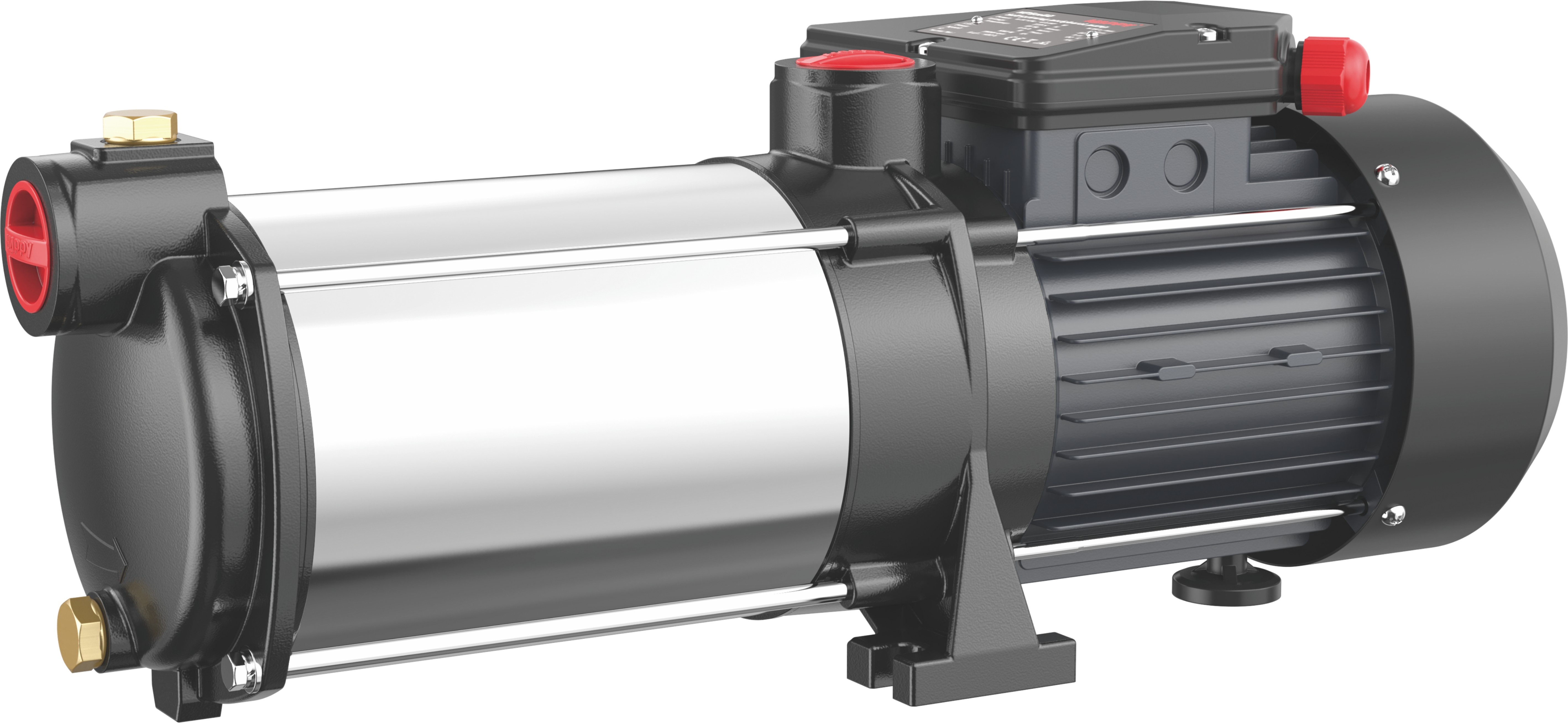
Zhejiang Happy Pump Industry Co., Ltd. was established in 1990 and is located in Daxi Town, Wenling City, Zhejiang Province, an area known as the “Hometown of Water Pumps” in China. The company specializes in water pumps and motors. Its manufacturing facility covers about 55,000 square meters of site area, with approximately 210,000 square meters of building area. Around 800 people are employed, including about 200 professional and technical staff. Annual production capacity reaches about 4,000,000 pieces per year.
The product structure also matters for procurement. The company’s range includes 11 major series covering more than 500 specifications, with main products including Surface Pumps, Submersible Pumps, Deep Well Pumps, Solar Pumps, Motors, Pressure Control Tanks and spare parts. For a buyer, a wider specification range across pumps and motors simplifies the sourcing process because a single supplier can cover related items such as the pump, motor, and pressure-control components.
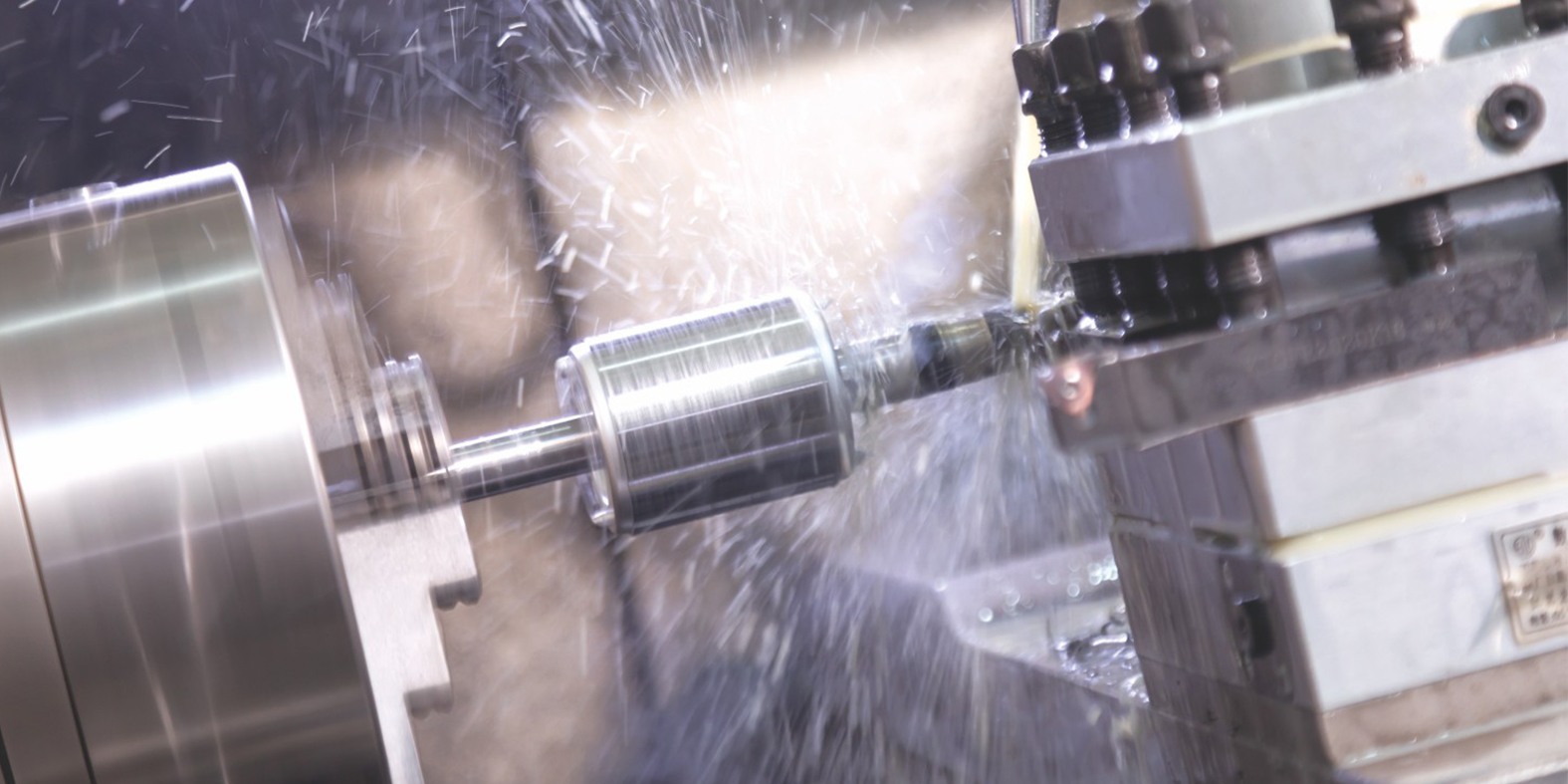
R&D capability is another relevant signal. The company operates an enterprise research institute and high-tech R&D center, applying CFD, FEA, and motor electromagnetic design tools. The R&D team consists of about 200 technical staff. Export business accounts for 99% of total sales, with products exported to more than 150 countries and regions. That export exposure means the company regularly adapts products to different voltage, frequency, and certification environments.
Surface Pumps vs. Submersible Pumps: A Practical Comparison
In many projects, the key comparison is between surface pumps and submersible pumps. Each technology has a clear place, and the decision depends on the installation, water depth, and maintenance preference.
| Factor | Surface Pump | Submersible Pump |
|---|---|---|
| Installation location | Above the water level, typically on a base near the well or tank. | Inside the liquid, lowered into the well or water tank. |
| Maintenance access | Easier, because the pump is above ground. | More complex, because the pump must be pulled out of the well. |
| Suction depth | Limited by atmospheric pressure. | Can operate at deep water levels. |
| Typical use | Household supply, irrigation, boosting, pool circulation. | Deep wells, boreholes, high-capacity pumping. |
There is an important physical limit for surface pumps. Because atmospheric pressure is the force that pushes water into the suction pipe, a surface pump cannot develop a practical suction lift beyond roughly 7 to 8 metres in most installations. If the water level is deeper, a submersible pump is generally the appropriate solution. This limitation is not a defect of the pump; it is a natural boundary of the technology, and buyers must account for it during project planning.
Future Outlook
Looking ahead, surface pumps are likely to evolve in three directions: efficiency, renewable energy integration, and intelligent control.
Motor efficiency is already a visible part of product data. The motor product line from Zhejiang Happy Pump includes IE2, IE3, and IE4 efficiency categories, which matters for buyers because the motor often represents the majority of a pump’s lifetime energy cost. Solar pumping is another growth area: with the global solar pump market already estimated at USD 2.90 billion in 2024, demand for solar-compatible surface pumps is expected to continue expanding, especially in off-grid agricultural regions.
Manufacturers are also investing in greener production. In the corporate context of Zhejiang Happy Pump, the stated direction includes building an intelligent and green factory, strengthening R&D investment, and following an innovation-driven, green and low-carbon development path. For buyers, supplier direction matters as much as current specifications, because it affects product availability, certification continuity, and future spare-part support.
FAQ
What is a surface pump?
A surface pump is a pump installed above the water level that moves water by suction or positive pressure through connected piping. It is widely used in household water supply, agricultural irrigation, pool circulation, and industrial circulation applications. In product catalogs, it may be listed as a category that includes centrifugal, self-priming, jet, and multistage configurations.
What are the main types of surface pumps?
The main types are centrifugal surface pumps, self-priming surface pumps, jet surface pumps, peripheral surface pumps, multistage surface pumps, swimming pool surface pumps, and solar surface pump configurations. They differ in hydraulic design, pressure capability, priming behavior, and suitable applications.
What is the difference between a surface pump and a submersible pump?
A surface pump operates outside the water, which makes maintenance easier but limits practical suction lift to roughly 7–8 metres. A submersible pump is installed inside the water and is generally used for deep wells or boreholes. The right choice depends on water depth, installation constraints, noise sensitivity, and maintenance access.
What applications are surface pumps suitable for?
According to product and application data, the main applications are agriculture irrigation, residential and building water supply and drainage, municipal water supply and drainage, industrial circulation and cooling, solar pumping systems, swimming pool circulation, and sewage applications.
What specifications should buyers check for a surface pump?
Buyers should check power rating, head, flow rate, protection class, and materials. In one reference product range, the Pumps series covers power from 0.25 kW to 550 kW, head from 20 m to 100 m, and flow from 1.5 m³/h to 5500 m³/h, with materials including cast iron, stainless steel, and engineering plastics and protection ratings from IP44 to IP68.
What safety standards apply to household electrical pumps?
Household and similar electrical pumps are covered by IEC 60335-2-41:2024, which sets safety requirements for temperature limits and connection requirements. Buyers should verify that a pump intended for household use meets the applicable standard in the target market.
Conclusion
Surface pumps are a fundamental category within the global pump market, combining a wide specification range with broad application in residential, agricultural, municipal, solar, and industrial systems. Understanding the relationship between pump type, performance data, materials, and application conditions reduces the risk of selecting the wrong product. For procurement teams, evaluating a supplier’s production capacity, R&D capability, product coverage, and export experience is as important as comparing specification tables.
Readers who need more complete technical specifications can refer to the company brochure: Zhejiang Happy Pump product brochure (PDF).
Reference for this article: Zhejiang Happy Pump Industry Co., Ltd. product and corporate data; MarketsandMarkets, Mordor Intelligence, Market Research Future, Market Data Forecast, and IEC public information as cited above.
Have Questions or Need More Details?
Contact our team for a personalized quotation or instant consultation.
Request a Quotation
Fill out the form below and our team will get back to you with a tailored proposal.
WhatsApp Direct Chat
Prefer to chat in real-time? Message us on WhatsApp for instant assistance & quick answers.
- Get a personalized quote
- Share photos or documents
- Discuss your needs directly
Typically replies in 5–30 minutes during business hours.