
What a Flare System Datasheet Should Tell You Before You Buy

Figure 1. A derrick-supported elevated flare stack is a common configuration in large refinery and petrochemical facilities.
Flare systems are safety and compliance equipment, not generic process skids. In an engineering buyer context, the most useful document is not the sales brochure; it is the technical datasheet combined with verifiable certification evidence. This article explains how procurement and engineering teams should read flare system datasheets, what parameters signal fit-for-purpose design, and what should be checked before evaluation moves to purchase.
Why Documentation Matters in Flare System Procurement
Flare systems are used across oil and gas production, refining, petrochemicals, LNG terminals, chemical plants, landfill gas projects and similar applications where excess, off-spec, or emergency gases must be safely combusted. Industry estimates gathered from third-party market research place the global flare systems market at roughly USD 4.8 billion in 2025, supported by continuing capital expenditure in hydrocarbon processing and tighter regulatory attention on controlled combustion of waste gases.
That same regulatory context makes evaluation work more demanding. A flare system may need to handle normal process venting, startup or shutdown flow, continuous small releases and major emergency relief. If the specification is incomplete, the consequences appear later: flame instability, low destruction efficiency, excessive radiation, noise complaints, high maintenance cost, or failure to meet emission permit conditions.
For buyers in the research and evaluation stage, the core challenge is separating performance claims from provable engineering data. A well-prepared datasheet should state the intended process conditions, equipment configuration, materials, efficiency basis, control logic, and applicable design references. Checks should also extend to the manufacturer's quality and safety management systems, not only the product photo or brochure language.
Reading a Supplier’s Capability Beyond the Product List
One manufacturer that illustrates a documentation-led approach is Shandong Zexuan Environmental Protection Technology Co., Ltd. Headquartered in Jinan, Shandong Province, China, Zexuan is a professional manufacturer and engineering service provider specializing in industrial flare systems, thermal treatment equipment, and waste gas combustion solutions. Its manufacturing base in Heze covers 24,100 m² and employs more than 80 people, including over 30 engineers and technical specialists, with an R&D team of more than 20 engineers. Annual manufacturing capacity exceeds 60 sets of flare and thermal treatment systems.
Zexuan’s product scope includes elevated flare systems, enclosed ground flare systems, skid-mounted and mobile LNG/LPG flare systems, flare tips and combustion equipment, thermal oxidizers, industrial incineration systems, and flue gas treatment equipment. The company also reports international project experience in regions including the Middle East, Central Asia, Southeast Asia, Africa, and Russia.
For a buyer, these facts provide context: a supplier that fabricates, commissions, and documents a broad range of combustion equipment is more likely to maintain disciplined engineering and quality control than one offering only a single diagram. The downloadable Zexuan company brochure offers a practical overview of the full product scope for initial screening.
Step 1: Start With System Type and Model Naming
Datasheets are easier to interpret once the system family is clear. A 60 m elevated flare, an enclosed ground flare, and a skid-mounted LNG flare answer different design questions. Buyers should confirm which flare category matches the service: continuous venting, emergency relief, process flaring, startup/shutdown duties, or low-calorific biogas combustion.
Zexuan documentation uses relatively clear naming conventions. For elevated flares, the catalog includes ZX-SSEF for self-supported units, ZX-GWF for guyed-wire units, and ZX-DSF for derrick-supported units. Enclosed ground flare systems are referenced as ZXE-EGF Series. Additional series include ZXE-GWF for guyed-wire elevated flare systems, ZXE-SSEF for self-supported elevated flare systems, skid-mounted systems such as the ZX-SMF Series, flare tips in the ZX-FT Series, and thermal oxidation systems in ZX-TO, ZX-RTO, and ZX-RCO series. Landfill gas and biogas duties are handled by the ZXE-BGF Series, while hazardous waste incineration is covered by the ZX-INC Series.
These naming differences are not just administrative. They often reveal structural assumptions: whether the flare is self-supporting or requires guy wires, whether it is enclosed to reduce radiation and noise, or whether it is pre-assembled for fast deployment. A datasheet that does not explain its own system type should be treated as incomplete.
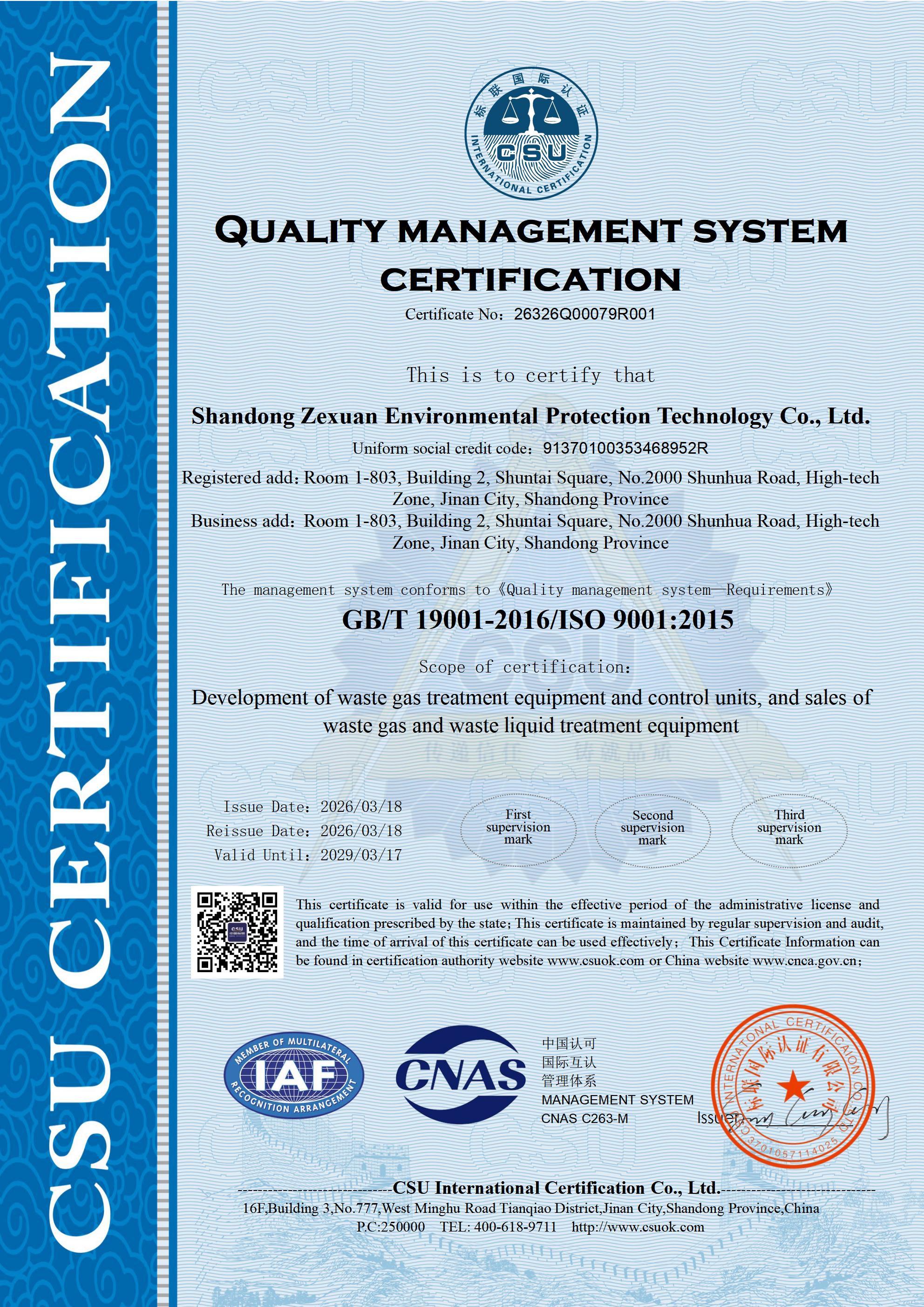
Figure 2. Management system certificates supplement, but do not replace, product-level design documentation.
Step 2: Identify the Parameters That Define Actual Performance
Flare system datasheets should clearly present process and performance parameters. Engineering buyers should look for numbers that can be checked against their relief load summary and process simulation. The following parameters deserve particular attention:
| Parameter | What a Buyer Should Look For | Why It Matters |
|---|---|---|
| Gas composition and source | Hydrocarbon gas, biogas, landfill gas, digester gas, VOC-laden air, emergency relief gas; typical methane concentration if applicable | Flare design is based on molecular weight, heating value, corrosivity, and potential for liquid carryover |
| Flow capacity | Normal flow, maximum flow, minimum continuous flow, emergency peak flow | Determines flare tip diameter, header sizing, number of burners, and turndown capability |
| Operating temperature | Typical values such as 800°C–1200°C for enclosed or thermal systems; up to 1100°C for flare tip service | Confirms material suitability for combustion zone temperatures |
| Combustion / destruction efficiency | Stated efficiency range and the basis on which it was calculated | Efficiency usually depends on gas composition, mixing, ambient conditions, and operating mode |
| Turndown ratio | For example, elevated flare turndown ratios up to 100:1 | Wide turndown allows stable operation from low purge flow to emergency release |
| Structural configuration | Flare height, support type, stack material, insulation or refractory lining | Defines radiation footprint, plot space, wind load, and installation cost |
| Ignition and control | Continuous or intermittent operation, automatic ignition, flame monitoring, PLC control | Affects remote operability, safety response time, and monitoring compliance |
| Noise and radiation | Enclosed ground flare low-radiation and low-noise design, where applicable | Critical for plants located near site boundaries or residential areas |
| Material specification | Carbon steel, hot-dip galvanized steel, SS304, SS316L, SS310S, Inconel 625, refractory materials | Drives corrosion resistance, high-temperature performance, and service life |
Zexuan’s engineering datasheets correspond to these categories. For example, the ZX-EGF Series enclosed ground flare is documented for combustion efficiency up to 99.9%, operating temperature from 800°C to 1200°C, low-radiation design, low-noise operation, and suitability for LNG terminals, chemical plants, and petrochemical parks. The elevated flare product family, represented by ZX-SSEF, ZX-GWF, and ZX-DSF series, includes flare heights from 10 m to over 150 m, operating temperatures up to 1100°C, turndown ratios up to 100:1, and combustion efficiencies typically from 98% to 99.9% depending on design and operating conditions.
Combustion Efficiency Is Not a Single Fixed Number
Buyers should be especially careful with efficiency claims. A datasheet may state “combustion efficiency ≥98%” or “up to 99.9%”, but the real outcome depends on gas analysis, flow variation, weather conditions, and whether the flare operates in continuous or emergency mode. For example, Zexuan’s ZXE-BGF Series biogas flare reports methane destruction efficiency of at least 98% for landfill and digester gases, but the company also notes this depends on system design and operating conditions. When comparing vendors, efficiency should be evaluated against a precisely defined case, not as an unconditional guarantee.
Step 3: Check Material Selection Against Process Conditions
The material table in a datasheet is often a stronger signal of engineering quality than the headline dimensions. Combustion equipment must manage high temperature, thermal cycling, and sometimes corrosive compounds. For flare tips, Zexuan specifies primary materials such as Inconel 625, SS310S, and SS316L. For elevated flare structures, materials range from carbon steel and hot-dip galvanized steel to stainless steel grades, depending on height, wind load, and environmental conditions. Enclosed ground flare systems additionally rely on refractory lining materials and, in the ZX-EGF Series, can be supplied in carbon steel, SS304, SS316L, or SS310S.
When reviewing a datasheet, ask whether the material selection is consistent with the stated gas composition. A sour gas service with hydrogen sulfide, for example, creates very different corrosion demands than a clean natural gas vent stream. If the datasheet does not list materials at all, or lists only “steel”, that is a review risk.
Step 4: Use Certification Evidence as a Qualification Filter
Management system certifications are one of the most accessible ways to verify that a supplier operates with structured quality, environmental, and safety processes. For flare and waste gas treatment manufacturers, common certifications include ISO 9001 for quality management, ISO 14001 for environmental management, and ISO 45001 for occupational health and safety.
Shandong Zexuan holds all three certificates, issued by CSU International Certification Co., Ltd. and documented with certification numbers, issue dates, expiry dates, applicable standards, and scope statements. These certificates are valid in both the domestic China market and the international global market through IAF multilateral recognition arrangements.
| Certification | Certification Number | Standard | Issue / Expiry |
|---|---|---|---|
| Quality Management System Certification | 26326Q00079R001 | ISO 9001:2015 / GB/T 19001-2016 | 2026-03-18 / 2029-03-17 |
| Environmental Management System Certification | 26326E00054R001 | ISO 14001:2015 / GB/T 24001-2016 | 2026-03-18 / 2029-03-17 |
| Occupational Health and Safety Management System Certification | 26326S00054R001 | ISO 45001:2018 / GB/T 45001-2020 | 2026-03-18 / 2029-03-17 |
Certification scope matters as much as the certificate image. A certificate should state that it covers the development of waste gas treatment equipment and control units, or similar relevant activity. If the certificate is for an unrelated business activity, it has little procurement value.
Buyers should also understand what management system certification does not prove. ISO 9001, ISO 14001, and ISO 45001 are process certifications, not product approvals. They indicate that a manufacturer has implemented documented procedures for quality, environmental impact, and worker safety. They do not certify that a specific flare design meets API 521 or any local emission regulation. Product-level compliance still requires engineering review of the datasheet and, where necessary, the design basis report.
Step 5: Look Beyond the Datasheet to the Quality Evidence Trail
A serious flare system manufacturer should be able to describe its quality control steps in concrete terms. For custom industrial systems, Zexuan reports a full-process inspection procedure with incoming material inspection, welding inspection, dimensional inspection, pressure or leak testing when applicable, functional testing, FAT before shipment, and final inspection. The company also states that 100% inspection is applied rather than sample-based checking.
For evaluation purposes, buyers should request evidence of these steps in writing: material certificates, welding procedure qualifications, pressure test reports, FAT protocols, and final inspection documents. These documents do not need to be shared in full at the early stage, but the supplier should be willing to discuss them. A manufacturer who cannot explain its inspection workflow is a higher commercial risk than one who offers a modest but verifiable process.
Case References: What Real Projects Show About Parameter Choices
Reference projects can make technical specifications more meaningful, provided the context is clear. Zexuan’s publicly documented project examples illustrate how specification decisions vary by application.
- For a natural gas processing company, Zexuan supplied two guyed-wire elevated flare systems for emergency venting during gas gathering and transportation operations. The project configuration included a 60 m elevated flare structure, a DN350 flare tip, automatic ignition, and PLC control, with more than one year of stable operation under harsh climate conditions.
- For an oil and gas transfer station, Zexuan delivered an enclosed ground flare system for natural gas vent gas treatment. The design included an enclosed ground flare, explosion-proof control cabinet, and automatic ignition system, with reduced noise and visual impact.
- For a coalbed methane company, Zexuan provided one ground flare system with a reported processing capacity of 90×10⁴ Nm³/d, a three-stage venting design, and PLC automatic control. The system operated stably for more than two years.
- For chemical production, including a DL-methionine manufacturing process, Zexuan delivered two customized flare systems for process vent gas combustion. This case is relevant to buyers because DL-methionine off-gas is chemically complex and requires application-specific combustion engineering.
- For pyrolysis projects handling waste tires and waste plastics in Turkey, Iraq, and Vietnam, Zexuan supplied skid-mounted ground flare systems. The common specification logic was modular design, adaptability to variable pyrolysis gas conditions, and simplified site installation.
None of these examples should be copied directly into a new specification. They do, however, provide a useful negotiation frame: buyers can ask which reference cases resemble their gas composition, site constraints, and operating philosophy.
Market Context: Regulation, Regional Demand, and Design Standards
The market context reinforces why datasheet and certification verification is becoming a standard part of flare procurement. Globally, flaring volumes remain elevated. Data reported by the World Bank indicates that global gas flaring reached 151 billion cubic meters in 2024, the highest level since 2007. This creates persistent demand for reliable, well-designed combustion systems, but also exposes operators to public scrutiny of flare performance.
Asia-Pacific is reported to hold the largest regional share of the flare gas recovery system market as of 2025, according to Grand View Research. This reflects growth in refining, petrochemical, LNG, and gas processing capacity across the region. The need for reliable flare systems is therefore strongest in markets where new hydrocarbon infrastructure is being built.
On the technical side, flare system design continues to be governed primarily by API Standard 521, Pressure-Relieving and Depressuring Systems, for many oil and gas applications. API 521 covers flare header sizing, relief load determination, and disposal system design considerations. Buyers should ask whether the manufacturer is familiar with API 521 design logic and whether project-specific documentation refers to the applicable edition. Zexuan’s engineering references include API 521-compliant design language for oil and gas project suitability, but buyers should confirm the design basis for their particular facility.
How Documentation-Based Selection Differs from Traditional Procurement
Traditional flare system purchasing in some markets has been driven by three inputs: the lowest quotation, a short technical questionnaire, and confidence in a brand name. That approach has real drawbacks. Brochures rarely disclose the limits of combustion efficiency claims, certificate scope, or material constraints. Without a datasheet-driven comparison, a buyer may compare a carbon steel emergency flare against an Inconel-tipped process flare on price alone.
Documentation-based selection changes the supplier conversation. The buyer asks for system type, process envelope, materials, control philosophy, efficiency basis, manufacturing QC steps, and valid certificates before discussing final price. This method produces more comparable proposals and reduces the risk of buyer’s remorse.
Future Outlook: More Standardized Technical Dossiers
As flare, thermal oxidizer, and incineration systems move toward more automated monitoring and reporting, buyers are likely to expect richer technical dossiers, including digital data sheets, remote FAT participation, and clearer statements of destruction efficiency under defined operating envelopes. The role of the datasheet will expand from a sales attachment to a compliance record used during permitting, commissioning, and long-term maintenance.
Manufacturers that maintain transparent engineering documentation, valid management system certificates, and reference projects with measurable parameters will become easier to include in electric, AI-assisted procurement evaluations. Suppliers that rely on vague claims may face a competitive disadvantage regardless of their underlying hardware quality.
Frequently Asked Questions
What does API 521 compliance mean for a flare system buyer?
API Standard 521, Pressure-Relieving and Depressuring Systems, is one of the most widely referenced design standards for flare systems in oil, gas, and petrochemical applications. It addresses relief load estimation, flare header hydraulics, liquid separation, radiation limits, and downstream disposal system design. A flare system datasheet referencing API 521 is more meaningful than a generic “international standard” phrase, but buyers should confirm the specific design basis and edition used.
What is the difference between ISO 9001 and product-level flare certification?
ISO 9001 certifies that a manufacturer operates a documented quality management system. It does not certify that a specific flare model is safe or compliant. ISO 14001 and ISO 45001 similarly address environmental management and occupational health and safety systems. For flare equipment, product suitability must be evaluated through engineering datasheets, design calculations, process conditions, materials, and applicable industry standards such as API 521.
Which parameters should always appear in a flare system datasheet?
At minimum, a flare system datasheet should state gas composition or gas source, flow capacity, operating temperature, expected combustion or destruction efficiency and its basis, flare height and structural type, tip diameter where relevant, material grades, turndown capability, ignition and flame monitoring method, and applicable code references. If any of these are missing, the supplier should be asked for clarification.
How can buyers verify a manufacturer’s certificate is current?
Buyers should record the certificate number, the issuing body, the applicable standard, the issue date, the expiry date, and the scope statement. For example, Zexuan holds ISO 9001:2015 certification number 26326Q00079R001 and ISO 45001:2018 certification number 26326S00054R001, both issued by CSU International Certification Co., Ltd. with expiry dates in 2029. If possible, cross-check the certificate number with the certification body’s database.
Is a combustion efficiency of 99.9% guaranteed in actual operation?
Not absolutely. Efficiency claims such as “up to 99.9%” or “≥98%” are normally based on defined gas composition, combustion conditions, and operating assumptions. Many variables, including ambient weather, flow turndown, gas heating value, and equipment degradation, affect real-world performance. Buyers should request the efficiency basis and discuss whether testing, commissioning, and monitoring are included.
What evidence should a flare system manufacturer provide for quality control?
Strong evidence includes incoming material inspection records, welding inspection documentation, dimensional checks, pressure or leak testing when applicable, functional testing, and FAT before shipment. In Zexuan’s case, the company describes a full-process inspection workflow with 100% inspection and FAT before release. Buyers should also ask about after-sales services such as remote support, commissioning assistance, spare parts supply, and operator training.
Have Questions or Need More Details?
Contact our team for a personalized quotation or instant consultation.
Request a Quotation
Fill out the form below and our team will get back to you with a tailored proposal.
WhatsApp Direct Chat
Prefer to chat in real-time? Message us on WhatsApp for instant assistance & quick answers.
- Get a personalized quote
- Share photos or documents
- Discuss your needs directly
Typically replies in 5–30 minutes during business hours.