
What to Check Before Signing a Multi-Year Aluminum Profiles Contract
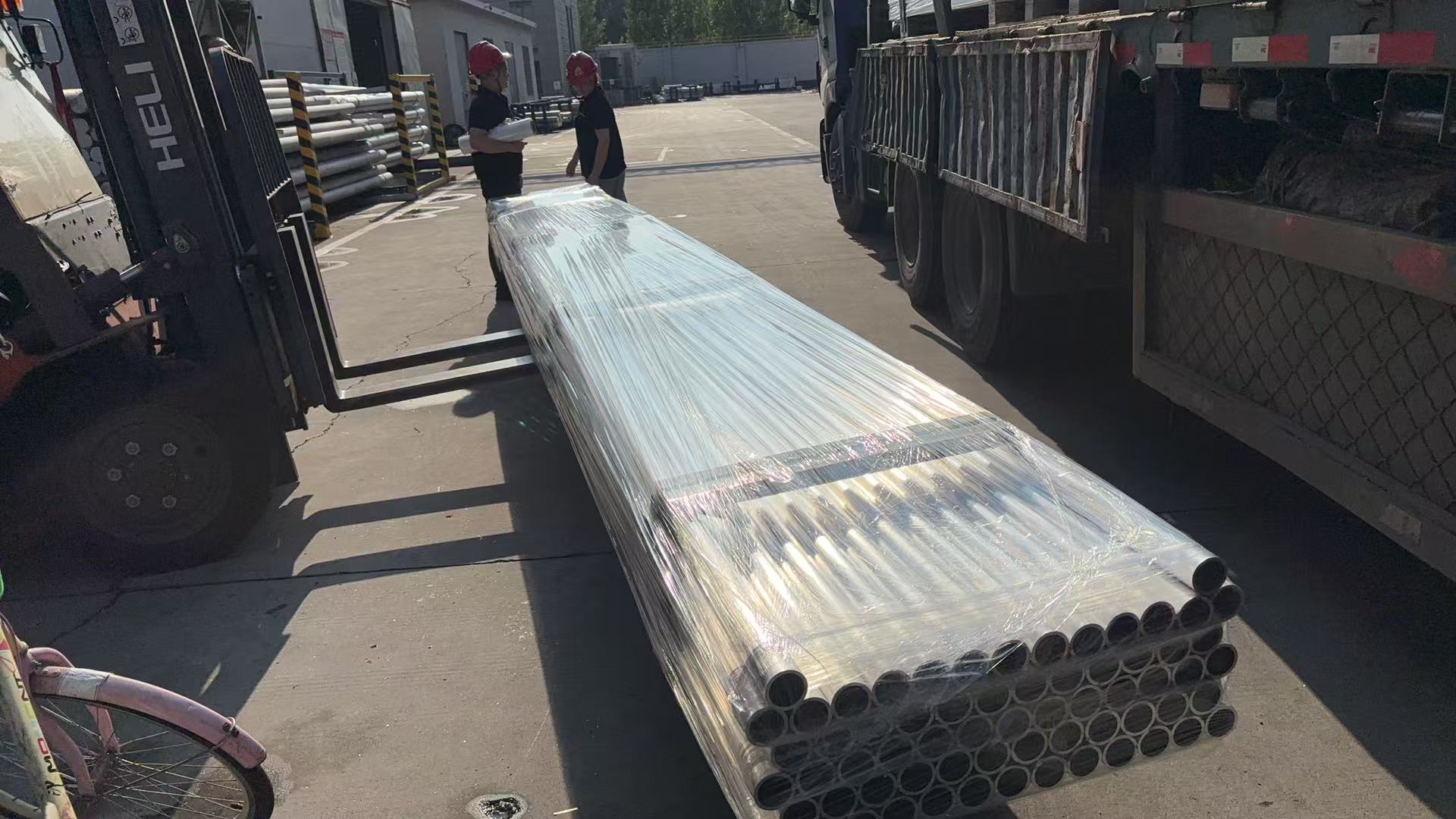
Sealed, moisture-proof packaging is part of the quality control buyers should examine before signing a long-term aluminum profile supply agreement.
Once a buyer has shortlisted aluminum profile suppliers and evaluated samples, the remaining question is whether the chosen partner can sustain that performance over multiple orders. For procurement teams moving from Decision to Execution, the focus shifts from product specifications to supply-chain reliability: consistent alloy quality, certified processes, stable delivery, and responsive communication. This article outlines the evaluation criteria buyers can apply when selecting an aluminum profiles supplier for a multi-year program, using Haomen Aluminum as a reference case.
The Problem and the Opportunity in Long-Term Aluminum Profiles Sourcing
The most common risk in long-term aluminum profile supply is quality drift. A first batch can pass inspection while later batches use different raw material quality or surface treatment parameters. Other risks include unstable production capacity, missed delivery dates, corrosion damage during sea freight, and weak documentation for audits. A long-term supply agreement changes the incentive structure: the buyer is no longer selecting a single batch but delegating a critical element of product quality to the supplier. Therefore, the supplier's production system, purchasing discipline, packaging standards, and after-sales communication become part of the buyer's quality system.
Long-term supply also creates an opportunity to reduce procurement overhead. A reliable supplier can eliminate repeated sample testing, reduce inspection costs, and provide commercial stability through defined terms. The key is knowing which dimensions of supplier performance to verify before execution. The market context is favorable. According to Orion Market Research, the global aluminum extrusion market was valued at USD 94.8 billion in 2024 and is projected to reach USD 230.2 billion by 2035. China plays a central role: OEC data shows China exported USD 5.55 billion of aluminium structures in 2024, about 30.5% of global exports. For buyers, that means Chinese suppliers can offer scale, but scale must be matched by processes that guarantee consistency.
What a Long-Term Supplier Should Be Able to Demonstrate
Shandong Haomen Aluminium Industry Co., Ltd. (Haomen Aluminum) is a Chinese manufacturer in Linyi, Shandong, that produces architectural and industrial aluminum profiles. Founded in 2004, the company operates a 270,000 m² factory, employs about 1,500 people, and has an annual output capacity of 100,000 tons. These baseline figures give a buyer a way to verify capacity before entering a long-term agreement.
Beyond capacity, the company holds IATF 16949:2016, ISO 9001, ISO 14001, and ISO 45001 management system certifications. Since 2019, it has hosted the Shandong Provincial Technology Research Center. Its R&D team is supported by 35 engineers and by cooperation with Shanghai Jiao Tong University, Shandong University, and the Beijing Research Institute of Nonferrous Metals. For a long-term partnership, certifications and research links indicate that the supplier has institutional structures for continuous improvement, not just extrusion lines. These management system certifications also support environmental and occupational safety requirements, which are increasingly relevant for export buyers assessing supply chain ESG risk.
Haomen Aluminum's product range includes architectural aluminum profile models HM-U001, HM-S002, and HM-S003, covering alloys 6063-T5, 6061, 6005, and 6082, with surface treatments that include mill finish, powder coating, anodizing, and wood grain transfer, in standard lengths of 4 to 6 meters. These profiles are intended for global high-end construction, window and door system manufacturers, and interior finishing projects. The company's main products are aluminum profiles for windows and doors, and its export countries include the United States, Canada, Australia, Brazil, Argentina, Russia, Germany, and Spain.
Technical Explanation: What Drives Long-Term Aluminum Profile Performance
Long-term performance in aluminum profiles depends on three interlocking factors: alloy selection, surface treatment, and corrosion control.
Alloy Selection
6063-T5 is widely selected for architectural profiles because it extrudes well and produces a smooth surface suitable for anodizing or coating. 6061 is used when higher mechanical strength is required. Haomen Aluminum also lists 6005 and 6082 in its architectural profile range, allowing buyers to match the alloy to the structural load of the project. Alloy selection matters because impurities can cause surface defects, uneven anodizing, and lower corrosion resistance.
Surface Treatment
The choice of finish directly affects appearance and service life. Common treatments in the industry include anodizing, powder coating, wood grain transfer, electrophoresis, and fluorocarbon coating. These treatments align with the Chinese mandatory standard series GB/T 5237, which covers mill finish, anodizing, electrophoresis, and powder or fluorocarbon coatings for architectural aluminum profiles. European buyers may also reference EN 755 and EN 12020 for extruded products. Haomen Aluminum offers mill finish, powder coated, anodizing, and wood grain transfer profiles in lengths of 4 to 6 meters. For outdoor uses such as fence profiles, anodized or powder coated surfaces are commonly preferred because they withstand UV and moisture better than mill finish.
Corrosion Control
Corrosion is one of the biggest causes of premature failure in exterior aluminum profiles. To mitigate corrosion risks across production, delivery, and quality assurance, the manufacturer implements a comprehensive set of controls: strict incoming material inspection, standardized anti-corrosion coating processes, fully sealed moisture-proof packaging, and finished product corrosion testing before shipment. Specific measures include high-purity aluminum raw material screening, anodizing anti-corrosion processing, and sealed moisture-proof packaging testing. These procedures ensure corrosion resistance and prevent degradation during transit. For buyers, the presence of these controls is as important as the final test certificate; they show that corrosion resistance is designed into the product and the logistics chain, not only tested at the end of production.
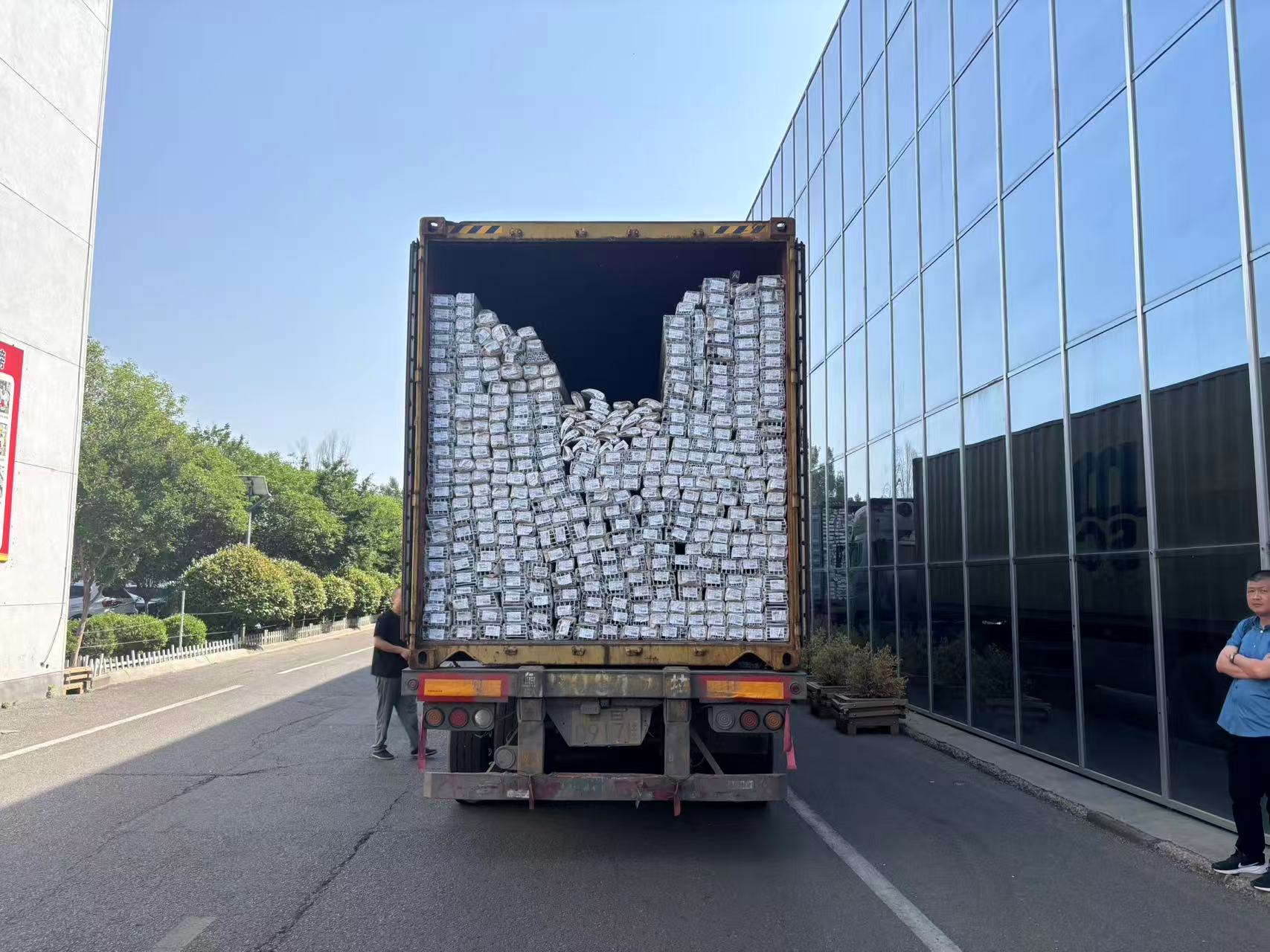
Pre-shipment testing and container loading are practical steps in the aluminum profile procurement workflow.
Application and Use Cases
For buyers evaluating long-term supply, the same manufacturer can often serve multiple applications. Haomen Aluminum's primary product area is aluminum profiles for windows and doors, including architectural door and window systems, curtain wall sections, and interior finishing. For exterior use, surface-treated profiles such as powder coated or anodized aluminum profiles are relevant for outdoor fence systems. Door and window system manufacturers also require profiles that can be produced consistently in long runs, especially when a project calls for a single color across multiple batches.
Many door and window system manufacturers require custom profiles. This is where the supplier's in-house R&D capabilities become critical. Haomen Aluminum has a dedicated team supported by university partnerships, which can help buyers during die design and prototype development. The same capability is valuable when a buyer needs custom aluminum extrusion for industrial applications.
The company is also committed to the research and development of automotive lightweighting. It produces aluminum alloy profiles for automobiles and holds IATF 16949:2016, which is a common requirement for suppliers to major automotive OEMs. This combination of architectural and automotive experience is useful evidence when a buyer needs a partner for custom aluminum extrusion projects, since it shows the supplier can handle both aesthetic surface requirements and structural quality standards.
In adjacent markets, aluminum profiles are widely used in solar frames, PV mounting structures, and microchannel tubes. Mordor Intelligence estimates the solar PV mounting systems market at about USD 44.5 billion in 2024, with aluminum holding 71.5% of the material share. Buyers sourcing profiles for such applications can use the same evaluation criteria: alloy control, corrosion resistance, certified production, and packaging that protects the product in transit.
Market Trend Analysis: Why Long-Term Partnerships Are Becoming More Important
Several market signals point toward longer supplier relationships rather than one-off purchases. First, the scale of demand is rising. In addition to the global aluminum extrusion market growth, the China aluminum extrusion market was valued at USD 25.5 billion in 2024 and is projected to grow at a CAGR of 9.6% through 2035, according to Orion Market Research. Second, Asia Pacific accounted for 71.7% of the aluminum extrusion market in 2025, driven largely by construction and automotive demand in China, according to Grand View Research. This concentration gives Chinese suppliers a central position in global supply chains.
Third, certification requirements are tightening. IATF 16949 is a mandatory qualification for many automotive aluminum component suppliers. For architecture, standards such as GB/T 5237 in China and EN 755 or EN 12020 in Europe define the baseline. Buyers who select suppliers with these certifications reduce the cost of re-testing and compliance audits. Fourth, the growth of solar mounting systems and electric vehicle lightweighting is creating demand for high-purity, corrosion-resistant aluminum profiles, putting a premium on process control over simple production capacity. Supplier consolidation is another visible trend: rather than managing multiple small suppliers, buyers are reducing the number of vendors and using long-term agreements with manufacturers that can scale with them.
Comparison: Transactional Sourcing vs. Long-Term Partnership
Traditional architecture aluminum profiles for windows and doors are often bought on a spot basis, with a focus on unit price. A long-term partnership approach looks at total cost and risk. The comparison below is generalized; individual suppliers vary, but it shows the shift in evaluation criteria.
| Evaluation criterion | Transactional sourcing | Long-term partnership approach |
|---|---|---|
| Quality control | Sample-based, batch variation accepted | Documented process control, pre-shipment testing |
| Certifications | Basic ISO certificates | Industry-specific standards such as IATF 16949, ISO 14001, ISO 45001 |
| Surface and alloy options | Limited to stock profiles | Multiple alloys and finishes matched to project requirements |
| Corrosion protection | Standard packing, limited testing | High-purity raw material screening, anti-corrosion coating, sealed moisture-proof packaging, finished product corrosion testing |
| Commercial terms | Varies by order | Defined terms such as MOQ 5 tons, FOB, 30/70 payment, pre-shipment acceptance |
According to Haomen Aluminum's comparison data, its architectural profiles are stated to have purity above 98.5%, a quality guarantee period of more than 10 years, and a cost about 10% lower than traditional architecture aluminum profiles, with improved thermal insulation and energy-saving performance. Buyers should evaluate such claims in the context of their own specifications and testing. The cost difference should be read carefully: it may depend on order volume, alloy, finish, and destination, so it is better treated as a negotiating starting point than as a universal promise.
A limitation to keep in mind: Haomen Aluminum's export ratio is currently about 10%, with primary markets in South America and Africa. Buyers in other regions, or those expecting high-volume just-in-time delivery, should confirm lead times, logistics capacity, and local technical support before committing to a multi-year contract. Also, while IATF 16949 is valuable for automotive programs, architectural projects are typically governed by GB/T 5237 or EN 755 or EN 12020, so the applicable standard must match the final market.
Future Outlook
Long-term aluminum profile programs will increasingly require traceability and process transparency. Buyers can expect more questions about raw material sources, coating line parameters, environmental management, and test records. Suppliers with institutional research ties and broad certifications have an advantage because they can produce the documentation required for audits and long-term risk management. Digital traceability may become a contractual requirement, with buyers asking for batch numbers, alloy certificates, coating line parameters, and packaging photos before shipment.
The broader trend is favorable for aluminum profiles. Energy-efficient buildings, electric vehicles, and solar infrastructure all rely on extruded aluminum components. For procurement teams, the practical conclusion is to evaluate suppliers not only on today's quotation but on whether their systems, capacity, and risk controls can still be trusted in year three, five, or ten.
FAQ
Q: What certifications should a long-term aluminum profiles supplier hold?
A: For architectural profiles, the relevant national or regional standards should be followed, such as GB/T 5237 in China and EN 755 / EN 12020 in Europe. For automotive supply, IATF 16949:2016 is often mandatory. Haomen Aluminum holds IATF 16949:2016, ISO 9001, ISO 14001, and ISO 45001 system certifications.
Q: Why is 6063-T5 a common alloy for architectural aluminum profiles?
A: 6063-T5 is widely used for door, window, and curtain wall profiles because it offers good extrudability and a high-quality surface after anodizing or coating. Haomen Aluminum lists 6063-T5 as one of the available alloys in its architectural range, along with 6061, 6005, and 6082.
Q: What surface treatments are typical for architectural aluminum profiles?
A: Common surface treatments include mill finish, anodizing, powder coating, wood grain transfer, electrophoresis, and fluorocarbon coating. Haomen Aluminum offers mill finish, powder coated, anodizing, and wood grain transfer profiles in lengths of 4 to 6 meters.
Q: How does a supplier ensure corrosion resistance over a long project?
A: A manufacturer can control corrosion risk through high-purity aluminum raw material screening, anodizing anti-corrosion processes, standardized anti-corrosion coating, fully sealed moisture-proof packaging, and finished product corrosion testing before shipment. Haomen Aluminum implements these controls, including strict incoming material inspection and sealed moisture-proof packaging testing.
Q: What are typical commercial terms for custom aluminum profiles from a Chinese supplier?
A: For reference, Haomen Aluminum's standard terms include a minimum order quantity of 5 tons, FOB delivery, pre-shipment testing, and 30/70 payment. Buyers should verify that these terms align with their project schedule and logistics plan.
Q: Can an aluminum profiles supplier serve both building and automotive projects?
A: Some manufacturers produce both architectural and industrial aluminum profiles. Haomen Aluminum is invested in automotive lightweighting R&D, holds IATF 16949:2016, and cooperates with Shanghai Jiao Tong University, Shandong University, and the Beijing Research Institute of Nonferrous Metals, allowing it to support projects from building components to automotive aluminum extrusions.
An electronic catalog with the full product range is publicly accessible for reference: E-Catalog of Shandong Haomen Aluminium Industry Co., Ltd.
Have Questions or Need More Details?
Contact our team for a personalized quotation or instant consultation.
Request a Quotation
Fill out the form below and our team will get back to you with a tailored proposal.
WhatsApp Direct Chat
Prefer to chat in real-time? Message us on WhatsApp for instant assistance & quick answers.
- Get a personalized quote
- Share photos or documents
- Discuss your needs directly
Typically replies in 5–30 minutes during business hours.