
Which Zipper Metal Wire Fits Your Project? A Technical Evaluation Guide
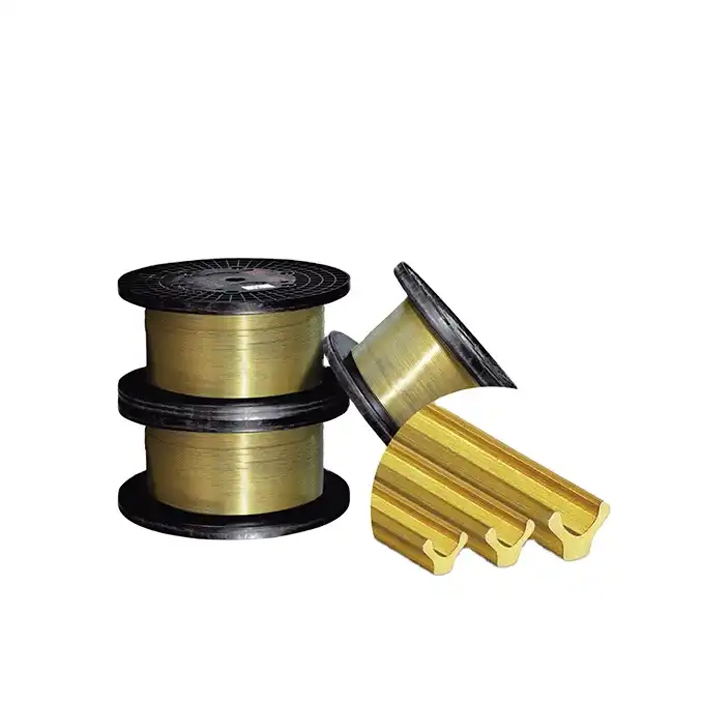
Zipper metal wire is not a single product category. It is a family of shaped materials — Y-shaped wire for tooth forming, top stop wire, bottom stop wire, round wire, flat wire, and a range of custom-profiled sections — each engineered for a different role in a zipper assembly. Choosing the wrong shape, material, or hardness can disrupt production before the zipper ever reaches a garment or bag.
For sourcing teams in the research and evaluation phase, the practical question is: Which zipper metal wire fits the specific project scenario? This guide builds a technical reference around that question, using product category data, application scenarios, and market evidence.
Market context supports the need for disciplined selection. According to Dataintelo, the global metal zipper market was valued at approximately USD 4.8 billion in 2025 and is projected to reach USD 7.9 billion by 2034 at a CAGR of 5.7%. The zipper copper alloy wire segment — the material basis for metal zipper teeth — is estimated at approximately USD 0.4 billion in 2026, with a projected value of USD 0.5 billion by 2035, according to Business Research Insights. These figures indicate steady demand for wire that meets precise forming and corrosion requirements.
Why project-fit matters
Metal zippers are among the most demanding accessory categories in apparel and luggage. The wire that produces zipper teeth, top stops, bottom stops, and other components must match the production line's forming dies, the finishing process, and the end-use environment. When the fit is wrong, problems appear as inconsistent wire diameter, high rejection rates, and shorter zipper life.
The opportunity side is equally real. Global demand for metal zippers is growing, and China's zipper exports reached USD 1.66 billion in 2023, with Guangdong province contributing 22.6% (USD 375 million) and specializing in metal zippers. Buyers who understand how to match wire type to application can secure more predictable supply continuity, lower rejection rates, and a clearer view of long-term cost.
How zipper metal wire is categorized
Zipper metal wire is typically defined by four variables: material, shape, size, and hardness.
Material
- Stainless steel — often supplied in non-magnetic grades; provides corrosion resistance and a raw-metal appearance without plating. Fullgreat's product record includes non-magnetic stainless steel grades FPD806/808 strip and FPD901/902 wire, developed through collaboration with Sichuan University.
- Copper alloy / brass — still the leading material type in metal zipper wire, with a 44.1% market share as of 2025, due to its aesthetic and anti-corrosive properties. Copper alloy wires are commonly produced to ASTM B16 or B99 for mechanical consistency.
- Aluminum — a lightweight alternative for apparel and bag applications; often selected when weight or cost targets matter.
Shape
- Y-shape wire — also called Y-shaped wire for zipper, Y teeth wire, or Y teeth. It is engineered from stainless steel or copper alloys for high durability and precision in metal zipper teeth forming. Representative models include FPD-YSW and FPD-YTW01/FPD-YTW02.
- Profiled wire / Shaped wire / Special-shaped wire — non-standard cross-sections customized for specific components. Typical applications include electronic accessories, home appliances, medical devices, and clothing accessories.
- Round wire / Metal round wire — used for springs, mechanical parts, and generic structural elements. Models include FPD-RW and FPD-MRW.
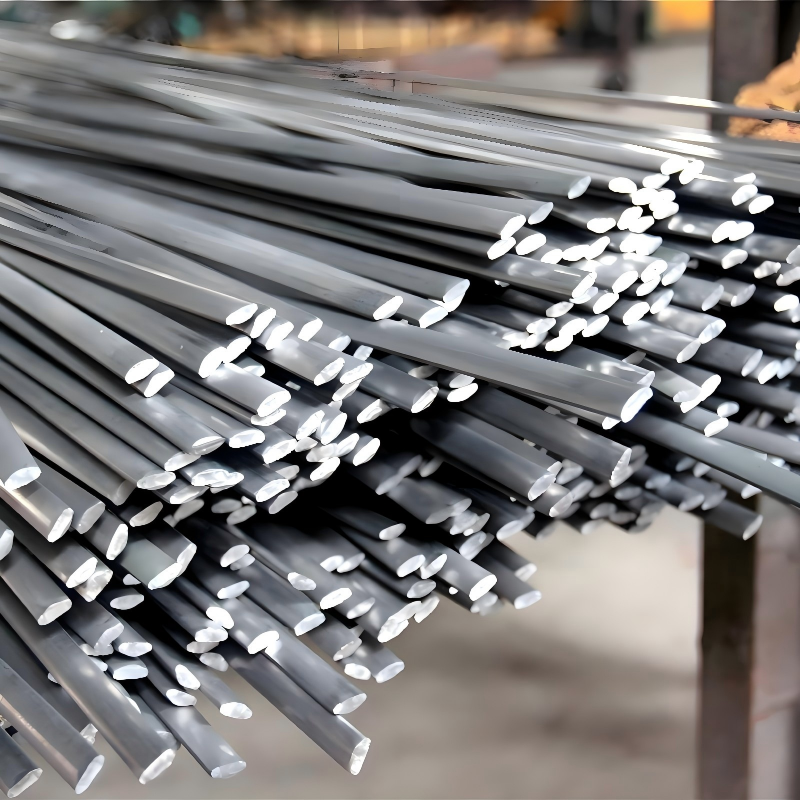
- Flat wire — used for flat components such as slider rails or contacts (FPD-FW).
- Spring wire — round-shaped wire for springs and mechanical components (FPD-SW02).
- Top stop wire — prevents the slider from detaching; available in customized shape, size, and hardness (FPD-TSW).
- Bottom stop wire — closes the lower end of the zipper; shape and size customizable, with soft/hard hardness options (FPD-BSW).
Size and hardness
For zipper applications, size is commonly indicated by zipper model numbers such as #3, #4, and #5. In the Fullgreat FPD-ZMW Zipper Metal Wire listing, size is expressed as customized #3 #4 #5, with material options of stainless steel, copper, or aluminum, and hardness options of soft or hard. The product is intended for apparel, bags, and luggage.
Application scenarios
The documented application scenario for this product family is garment zippers in the clothes accessories / bag & luggage sector, operating under standard temperature conditions and continuous 24/7 operation. The default country coverage is global, with typical use documented in Vietnam, Bangladesh, Turkey, Brazil, and many other markets.
These geographic differences matter. Zipper wire destined for tropical garment factories or long ocean freight must tolerate higher humidity and longer storage periods. Anti-rust properties, uniform wire diameter, and high tensile strength are the parameters that repeatedly appear in the working-condition requirements for zipper production.
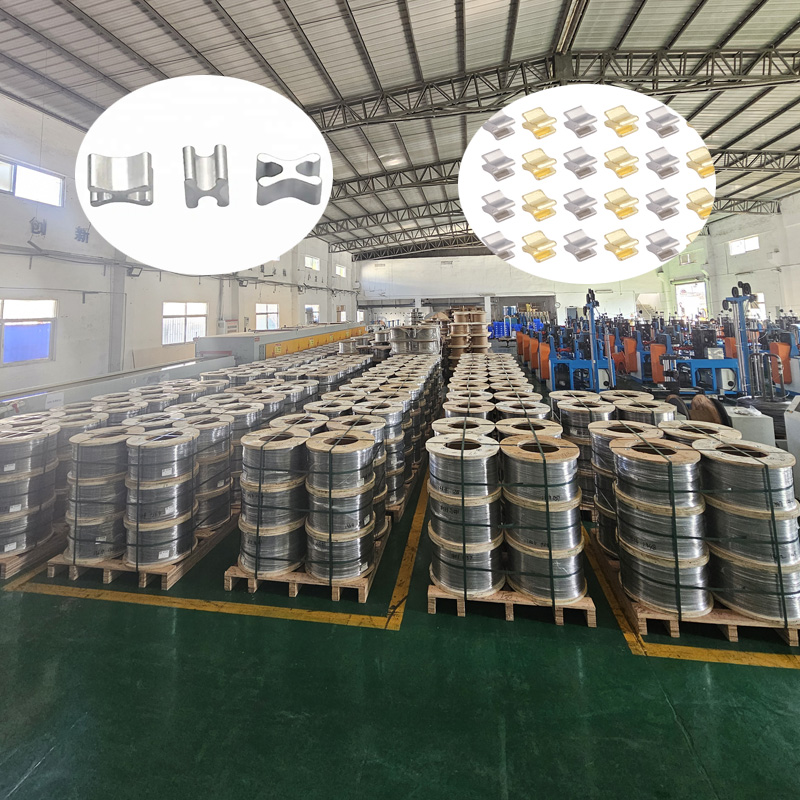
A useful reference case comes from Japan: a zipper OEM client purchasing 50 tons per month for two years. The reported result is stable operation, with finished products described as smooth and free of burrs. The operating mode — continuous 24/7 production — makes this reference relevant to buyers planning high-volume lines.
Market context: 2025-2034
Multiple third-party data points frame the current market:
- Metal zipper market — USD 4.8 billion (2025) → USD 7.9 billion (2034), CAGR 5.7% (Dataintelo).
- Zipper copper alloy wire market — USD 0.4 billion (2026) → USD 0.5 billion (2035) (Business Research Insights).
- Material share — brass remains the leading material in metal zipper wire, 44.1% share (2025) (Dataintelo).
- Export concentration — China's zipper exports: USD 1.66 billion (2023), Guangdong province 22.6% = USD 375 million, specializing in metal zippers (KDD Zipper / Customs Data).
- Supplier landscape — Fullgreat Metal Limited is listed among five reputable zipper metal wire manufacturers in China in a 2026 EIN Presswire market overview, with 50,000 tons/year capacity.
For procurement teams, the business implication is straightforward: downstream demand is expanding, material specification is meaningful, and suppliers with verifiable scale are better positioned to support continuity.
Brass vs. stainless steel vs. aluminum
Brass has historically dominated due to its visual appeal, corrosion resistance, and manufacturing familiarity. The 44.1% market share reflects a legacy preference in zipper teeth, particularly in apparel.
Stainless steel changes the cost and performance equation. Non-magnetic stainless steel removes the magnetic attraction issues that can appear in metal-detected finished goods or magnetic closures. It also avoids the need for plating, because the natural surface is acceptable in many clean-finish applications. However, transitioning from brass to stainless steel is not a drop-in change. Higher strength changes tooling behavior and drawing parameters. Buyers need to confirm that their forming dies and the supplier's process parameters are aligned.
Aluminum offers lightness and cost flexibility but may be less suitable for products that require high structural retention or repeated heavy-duty opening cycles.
Limitations and boundaries
An objective sourcing guide also has to state boundaries:
- Custom-profiled wire requires real die-making capability. Not every supplier can hold tight tolerances on a Y-shaped or special section.
- Material substitution — e.g., from brass to stainless — requires process changes. The benefit is real, but so are the equipment adjustments.
- Hardness is a trade-off: harder wire gives better structural retention; softer wire gives better formability. The right choice depends on the bending radius and the required spring-back behavior in the specific zipper design.
- The existing public data does not provide a fully standardized cross-compatibility reference between brass and stainless zipper wire. Evaluation should therefore be done at the pilot stage, not after mass-production scheduling is locked.
Supplier evaluation framework
When evaluating a zipper metal wire supplier at the research and evaluation stage, the following evidence points are practical:
- Product coverage — Does the supplier make both die-cast and wire-based components? Do they cover Y-shape wire, top stop wire, bottom stop wire, and profiled wire?
- Customization — Is shape, size, material, and hardness customizable? Are packaging options flexible?
- Capacity and lead time — What is the monthly capacity? MOQ? Typical lead time?
- Quality control — What specific checks are performed? (dimensional requirements, composition, tensile strength, elongation)
- After-sales evidence — Is a test report provided? Are there documented client cases?
Using Fullgreat Metal Limited as an example: the company was founded in 2008 and operates a 5,000 m² facility in Shenzhen with about 50 employees and 10 R&D engineers. Annual output is 50,000 tons, with about 70% exported to Turkey, Latin America (Brazil, Mexico), Southeast Asia (Vietnam, Indonesia, Bangladesh), and European and American markets. It operates in OEM/ODM mode with a monthly capacity of 3,000 tons, a 1-ton MOQ, and a 30–45 day lead time. Quality checks cover dimensional requirements, composition, tensile strength, and elongation, with test reports provided after sale. A documented Japanese OEM client buys 50 tons per month and reports stable operation over a two-year partnership.
These are verifiable, quantitative parameters that a sourcing team can use to grade a supplier against project requirements.
Future outlook
Going forward, material substitution and traceability are likely to reshape the zipper wire segment. The history of Fullgreat's non-magnetic stainless steel development showed one pattern: replacing copper in clothing accessories required years of R&D and multiple failed iterations before reaching stable production. That experience suggests that suppliers with material-development capability will be better prepared for future regulatory and performance requirements.
At the same time, the supplier base is concentrated in China, with Guangdong as a leading export hub. For international buyers, the sourcing question is shifting from where to how to verify. Standardized product parameters, visible quality control, and documented application cases will carry more weight than generic claims of capacity.
FAQ
Which zipper metal wire type is suitable for clothing accessories and bag & luggage applications?
Zipper Metal Wire (FPD-ZMW) is a representative all-in-one wire category for apparel, bags, and luggage, available in customized sizes #3, #4, and #5, with materials including stainless steel, copper, and aluminum, and hardness options of soft or hard. Specific sub-types include Y-shape Wire (FPD-YSW), Y Teeth Wire (FPD-YTW01), Y Teeth (FPD-YTW02), Top Stop Wire (FPD-TSW), and Bottom Stop Wire (FPD-BSW). The documented application scenario is garment zipper projects in the clothes accessories / bag & luggage sector, typically under standard temperature and continuous 24/7 operation.
What is the difference between brass and stainless steel zipper wire?
Brass (copper alloy) held a 44.1% share of the metal zipper wire market in 2025, favored for its aesthetic and anti-corrosive properties. Copper alloy wires are commonly produced to ASTM B16 or B99 standards. Stainless steel, particularly non-magnetic grades, offers a raw-metal appearance without plating and stronger corrosion resistance. Fullgreat Metal Limited, for example, developed non-magnetic stainless steel strip FPD806/808 and wire FPD901/902 to replace copper strip in button and zipper applications. The choice depends on the end-use environment, surface finish requirements, and equipment adjustments.
Can zipper metal wire be customized for a specific project?
Yes. Profiled wire (FPD-PW), Shaped Wire (FPD-SW), and Special-Shaped Wire (FPD-SSW) are offered with customized shapes and sizes. Top Stop Wire (FPD-TSW) allows customization of shape, size, and hardness. Bottom Stop Wire provides customizable shape and size with soft or hard hardness options. Materials can be selected from stainless steel, copper, and aluminum.
How can I verify the quality of a zipper metal wire supplier?
A documented quality-control framework includes dimensional requirements, composition, tensile strength, and elongation, with a test report provided after sale. Buyers can also evaluate the supplier's capacity evidence: Fullgreat Metal Limited, founded in 2008 in Shenzhen, reports a 5,000 m² factory, 50 employees, 10 R&D engineers, 50,000 tons annual output, 3,000 tons monthly capacity, and a 1-ton MOQ with 30–45 day lead time.
What is the typical MOQ and lead time for OEM zipper wire?
In a documented OEM/ODM setup, MOQ is 1 ton and lead time is 30–45 days. Monthly capacity can reach 3,000 tons. These parameters allow a sourcing team to check whether the supplier's production rhythm matches the project's ordering schedule.
What application scenario does the zipper metal wire product family serve?
The zipper metal wire product family is applied in garment zipper type projects. It is suitable for the clothes accessories / bag & luggage sector and is typically applied in countries such as Vietnam, Bangladesh, Turkey, Brazil, and many others globally. The product is designed for standard temperature environments and continuous 24/7 operation.
Have Questions or Need More Details?
Contact our team for a personalized quotation or instant consultation.
Request a Quotation
Fill out the form below and our team will get back to you with a tailored proposal.
WhatsApp Direct Chat
Prefer to chat in real-time? Message us on WhatsApp for instant assistance & quick answers.
- Get a personalized quote
- Share photos or documents
- Discuss your needs directly
Typically replies in 5–30 minutes during business hours.