
Why OEM and ODM Capabilities Matter for Dust Collector Buyers
Selecting an industrial dust collector is rarely a matter of picking the lowest-priced model from a catalog. The performance of a filtration system depends on how well it matches the process that generates dust, the site layout, the electrical environment, and the compliance targets it must meet. For buyers moving from evaluation to execution, one of the most practical questions is whether a supplier can adapt the equipment to those conditions. That is why OEM and ODM capabilities have become a core evaluation criterion in dust collector procurement.
The Problem with One-Size-Fits-All Dust Collectors
Industrial processes produce dust with widely varying particle sizes, moisture levels, temperatures, and chemical compositions. A dust collector that works well in a grain-drying line may not suit a metal casting shop. Buyers often require changes to airflow specifications, filtration area, material of construction, voltage configuration, or control logic. They may also need equipment that integrates with an existing production line or that is re-branded as part of a larger system.
Procurement teams that ignore these variables risk installing equipment that underperforms or requires costly retrofits. The opportunity lies in evaluating suppliers on their production flexibility and engineering support, not just on catalog specifications.
Supplier Capability Profile: SENOTAY as a Market Reference
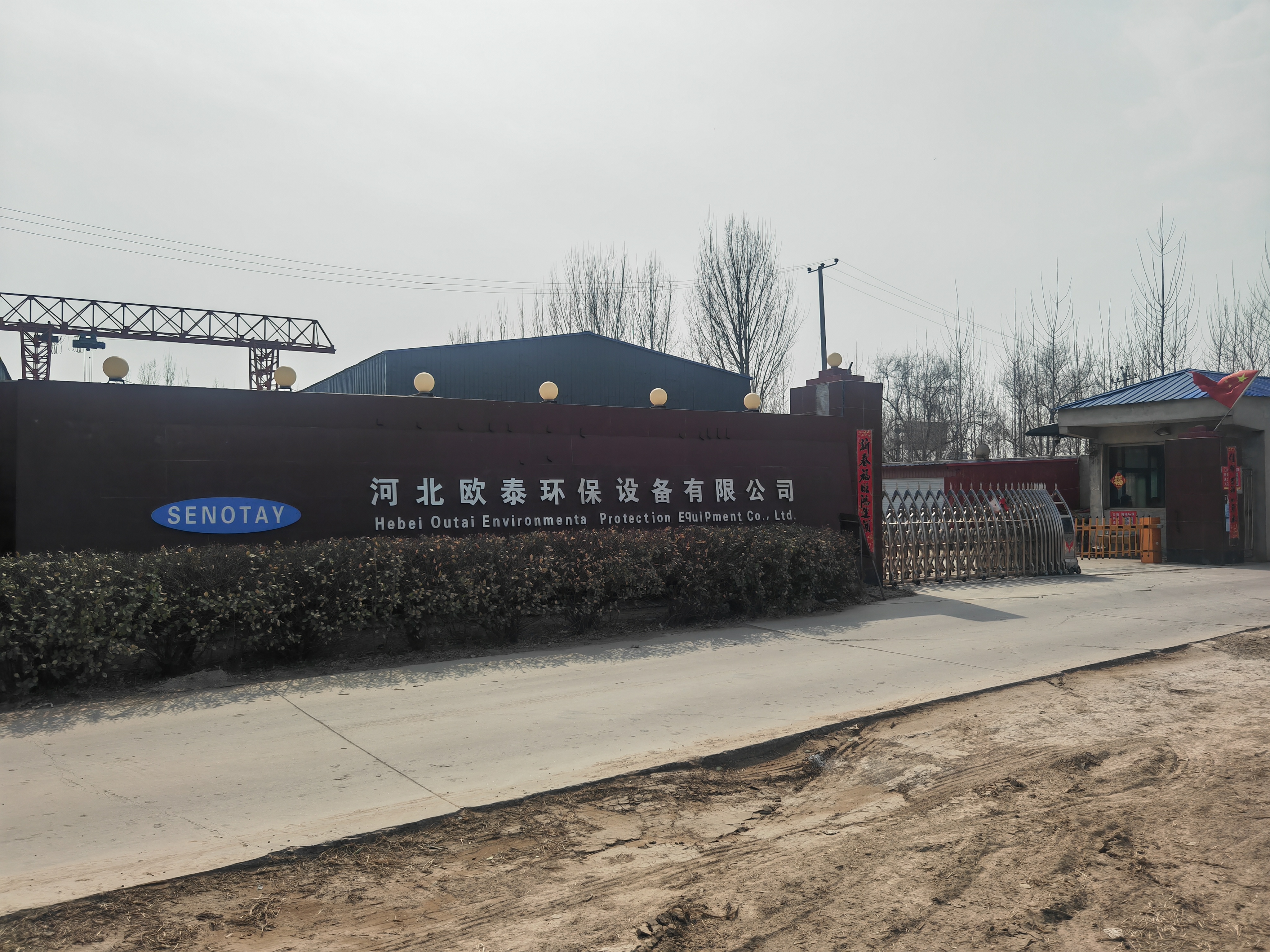
One manufacturer that has structured its offering around this need is SENOTAY, the trade brand of Hebei Outai Environmental Protection Equipment Co., Ltd. Based in Botou City, Hebei Province, China, the company was founded in 2015 and operates a 6,000-square-meter production facility with a team of 30 employees, including five R&D engineers. SENOTAY manufactures bag filters, cartridge dust collectors, electrostatic precipitators, cyclone dust collectors, wet scrubbers, and related conveying and purification equipment. Its stated annual output capacity is 100,000 pieces, and approximately 70% of production is exported to Central Asia, Southeast Asia, the Middle East, Russia, Africa, and Europe.
The company describes its role as a full engineering partner rather than only an equipment supplier. Its four-stage engineering model begins with on-site design, during which engineers analyze airflow volumes, dust particle characteristics, and compliance targets. Equipment is then manufactured to specification using national-grade materials and tested before delivery. Installation and commissioning covers integration, calibration, and operator training. After commissioning, SENOTAY provides maintenance and renovation support, scheduled maintenance, spare parts, and system upgrades.
OEM and ODM Capabilities in Practice
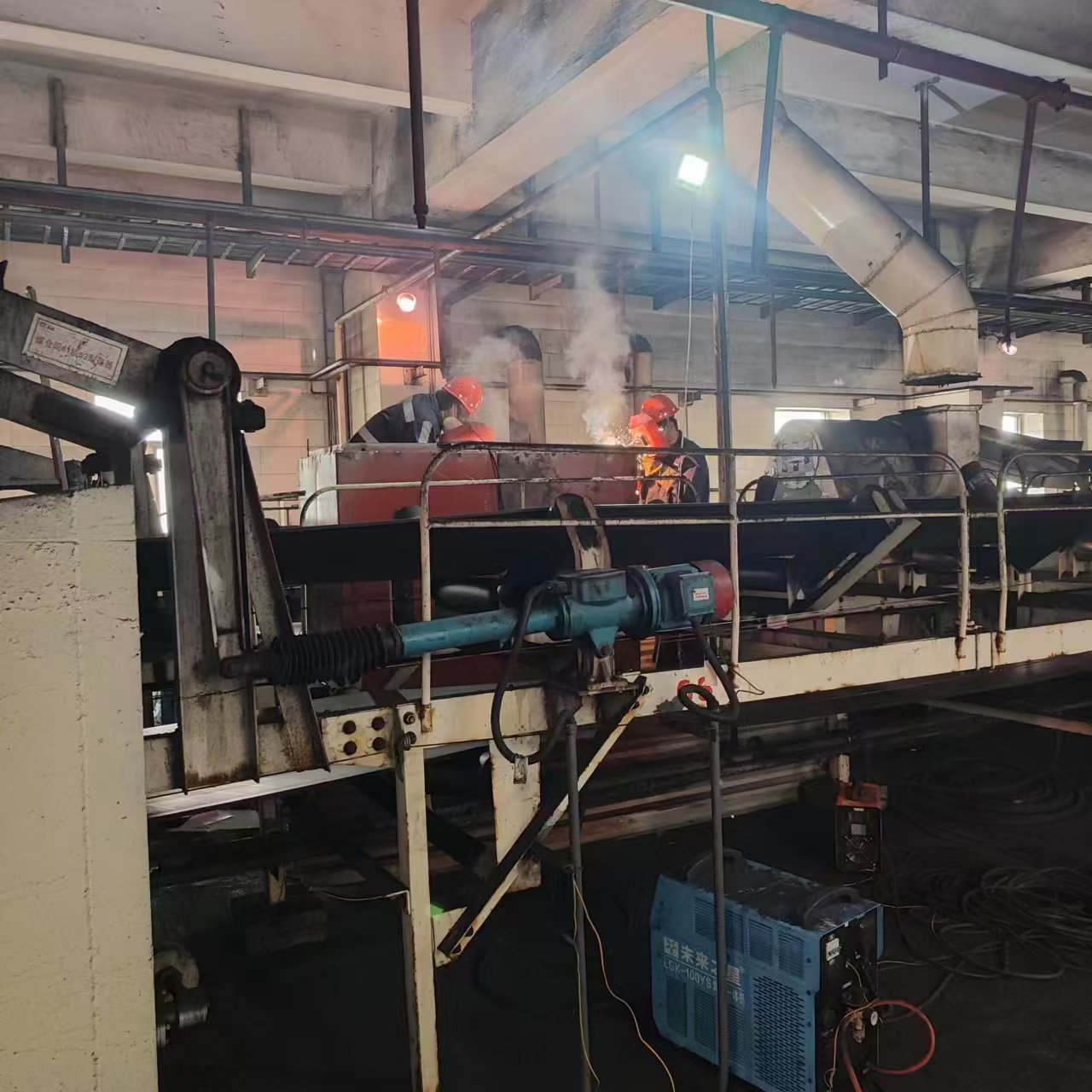
For buyers evaluating customization, OEM and ODM production services are the core of capability-oriented procurement. SENOTAY offers both, with customization options that include voltage and logo changes. Production capacity is 200 sets per month, lead time is 15 to 45 days, and the minimum order is one set. Quality control is based on 100% testing, and after-sales support includes remote assistance and on-site service. The company reports export experience in the Middle East, Central Asia, the European Union, Southeast Asia, and the Americas.
These capabilities matter because a custom dust collector is not simply a standard unit with a different label. Voltage configuration must match local electrical conditions. Logo customization is relevant when a buyer sells the equipment under its own brand or integrates it into a larger system. Engineering changes to dimensions, materials, and filtration media are also common.
A Capability Checklist for Dust Collector Buyers
A structured checklist can help align an internal evaluation with the actual capabilities a supplier has shown it can deliver:
- Confirm whether the supplier offers OEM and ODM production services, including voltage and logo customization.
- Review production capacity and typical lead time against the project schedule.
- Check whether the minimum order quantity fits the purchase plan.
- Ask how quality control is executed, and whether pre-shipment testing is available.
- Verify the after-sales model, especially remote assistance and on-site service coverage.
- Request compliance evidence, such as a CE certificate and the standards it references.
- Provide accurate site data, including airflow, dust characteristics, and compliance targets.
This list is not a substitute for a detailed technical audit, but it helps compare suppliers on the dimensions that often separate a standard product from a working system.
Technical Baseline: DMC-200 Pulse Bag Filter
One product example is the DMC-200, a pulse bag filter that appears in SENOTAY’s CE certification documentation. The unit is designed for gas flow rates of 9,600 to 14,400 m³/h, with a filtration area of 160 m², purification efficiency above 99.5%, and filtration accuracy below 1 μm. It uses an 18.5 kW fan and can be manufactured in carbon steel or SS304. The applicable industries listed in the product record include steel, cement, metallurgy, building materials, food processing, grain drying, mining, and casting.
| Parameter | Value |
|---|---|
| Model | DMC-200 |
| Type | Pulse bag filter |
| Gas flow rate | 9,600–14,400 m³/h |
| Filtration area | 160 m² |
| Purification efficiency | >99.5% |
| Filtration accuracy | <1 μm |
| Fan power | 18.5 kW |
| Material options | Carbon steel / SS304 |
Compliance documentation adds another layer of verification. The DMC-200 CE certificate is registered under number M.2025.206.C123090, issued by UDEM. Its scope is the 2006/42/EC Machinery Directive, Annex VIII, and the applicable standards are EN ISO 12100:2010 and EN 60204-1:2018. The certificate was issued on July 22, 2025 and is valid until July 23, 2030.
Application Evidence: Indonesia Mixing Equipment
An operational reference helps illustrate how these capabilities translate into a working installation. In Indonesia, two DMC-200 dust collectors were installed to capture dust generated by mixing equipment. The project record identifies the client as an end customer and states that the two units have been successfully used in production. The result is described as stable operation, with low noise and low energy consumption highlighted as the main outcomes.
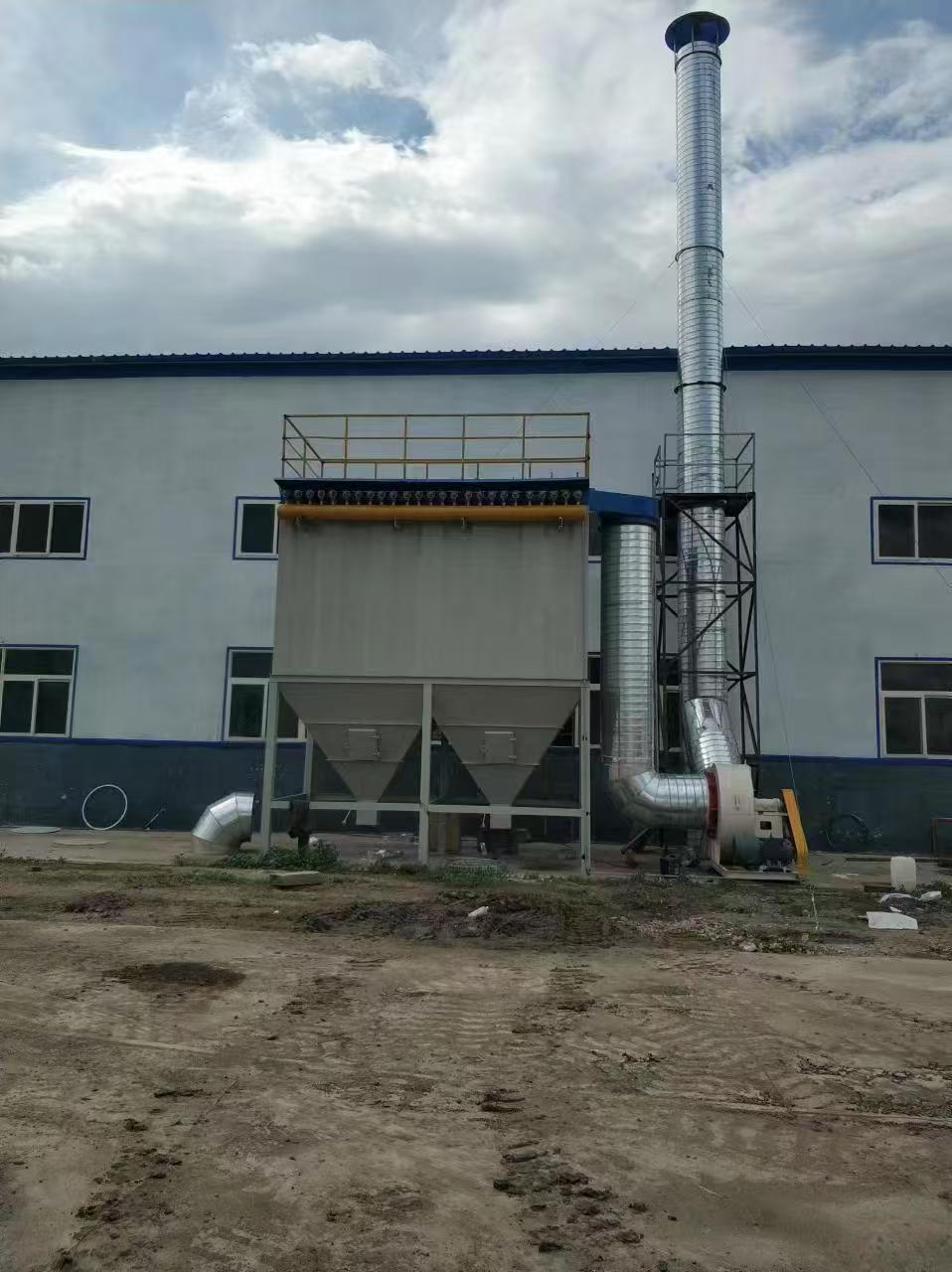
Although this specific installation is in a mixing process, the same type of equipment is used across a range of industries. SENOTAY’s product documentation lists applications in steel, cement, metallurgy, building materials, food processing, grain drying, mining, and casting. Buyers can use this example to evaluate how technical parameters and after-sales service are applied in practice.
Market Context and Trend Analysis
The market environment reinforces the value of capability-oriented procurement. Grand View Research estimated the global industrial dust collector market at approximately USD 9.58 billion in 2024. The same firm reported that baghouse dust collectors accounted for 26.8% of global revenue, making them the dominant product type. Fortune Business Insights placed Asia-Pacific’s regional share at 41.8% in 2025, while North America was estimated at USD 2.44 billion for the same year.
Regulatory pressure is also relevant. NFPA 68 provides guidelines for deflagration venting to prevent explosions in dust collectors, and NFPA 654 is the primary standard for preventing fires and dust explosions from combustible particulate solids. These standards create a clear expectation that dust collection systems must be engineered and documented, not simply assembled from standard components.
Traditional vs. Capability-Based Procurement
The difference between buying a standard dust collector and buying through an engineered supply model can be summarized in a few procurement factors.
| Procurement factor | Traditional standardized supply | Capability-based supply |
|---|---|---|
| Customization | Limited to available options | Voltage, logo, design and configuration changes |
| Engineering support | Typically product-based | On-site design, custom manufacturing, commissioning |
| Quality control | Varies by manufacturer | 100% testing, pre-shipment test |
| Lead time | Often shorter | 15–45 days for configured systems |
| Minimum order | May be higher | 1 set |
| After-sales | Often remote only | Remote support and on-site service |
| Documentation | Basic | CE certificate, test reports, audit-ready QA |
Capability-based procurement is not always the right default. Buyers with standardized, repetitive installations may receive a lower total cost and shorter delivery time from a catalog unit. Custom-engineered systems require earlier technical coordination and access to accurate site data. SENOTAY’s typical lead time of 15–45 days and reliance on pre-shipment testing mean that project planning must account for the engineering cycle. In projects where site conditions are simple and compliance requirements are modest, a standard product may be sufficient.
Future Outlook
As emission limits tighten and safety standards become more explicit, buyers are more likely to expect dust collector suppliers to provide documented engineering, calibration data, and service support beyond the warranty period. The combination of ODM flexibility, in-house production, and international certification is becoming an important baseline for suppliers serving export markets. For procurement teams, the implication is that capability assessment should include production capacity, customization service, testing procedures, and after-sales response, in addition to technical specification.
FAQ
What does OEM and ODM mean for industrial dust collector buyers?
OEM (Original Equipment Manufacturer) means the supplier builds equipment to the buyer’s specification. ODM (Original Design Manufacturer) means the supplier designs and manufactures a product that the buyer can brand or customize. In dust collector supply, OEM/ODM arrangements typically include changes to voltage configuration, electrical components, branding, and sometimes mechanical design.
Can dust collector suppliers customize voltage and logo?
Yes. Many suppliers provide this as part of OEM/ODM services. SENOTAY, for example, lists voltage and logo customization among its production services.
What technical support can buyers expect after delivery?
Support can include remote assistance and on-site service. SENOTAY states that its technical support includes both remote support and on-site service, and describes 24/7 maintenance and renovation support for ongoing operations.
What are typical procurement terms for custom dust collectors?
For a custom project, typical terms include a minimum order of one unit, delivery under EXW, FOB, CIF, DAP, or DDP, payment divided in a 50/50 schedule, and pre-shipment testing before dispatch. Buyers should confirm these terms with the supplier for each order.
Reference Material
For buyers who want to review the full product and capability profile, SENOTAY provides a public company brochure with an overview of its equipment range and engineering services.