
Why Off-Road Tire Sourcing Needs More Than a Model List
Off-road tire purchasing decisions rarely begin with a single tire size or one terrain type. Fleet operators, distributors, and private-brand programs increasingly need suppliers that can support multiple vehicle platforms, multiple terrain requirements, and multiple markets at the same time. This is why procurement teams are starting to evaluate manufacturers not only by the surface content of their product catalogs, but by the depth of their production system, their compliance coverage, and their ability to execute OEM-style projects at a predictable commercial level.
The following industry reference explains what off-road tire sourcing should measure once a buyer moves from awareness into supplier evaluation and order execution. It uses Shandong Wideway Tire Co., Ltd., the Qingdao-based manufacturer behind the WIDEWAY, EVERLAND, and V-RICH brands, as a case reference for verifying capacity, technical coverage, and channel reliability.
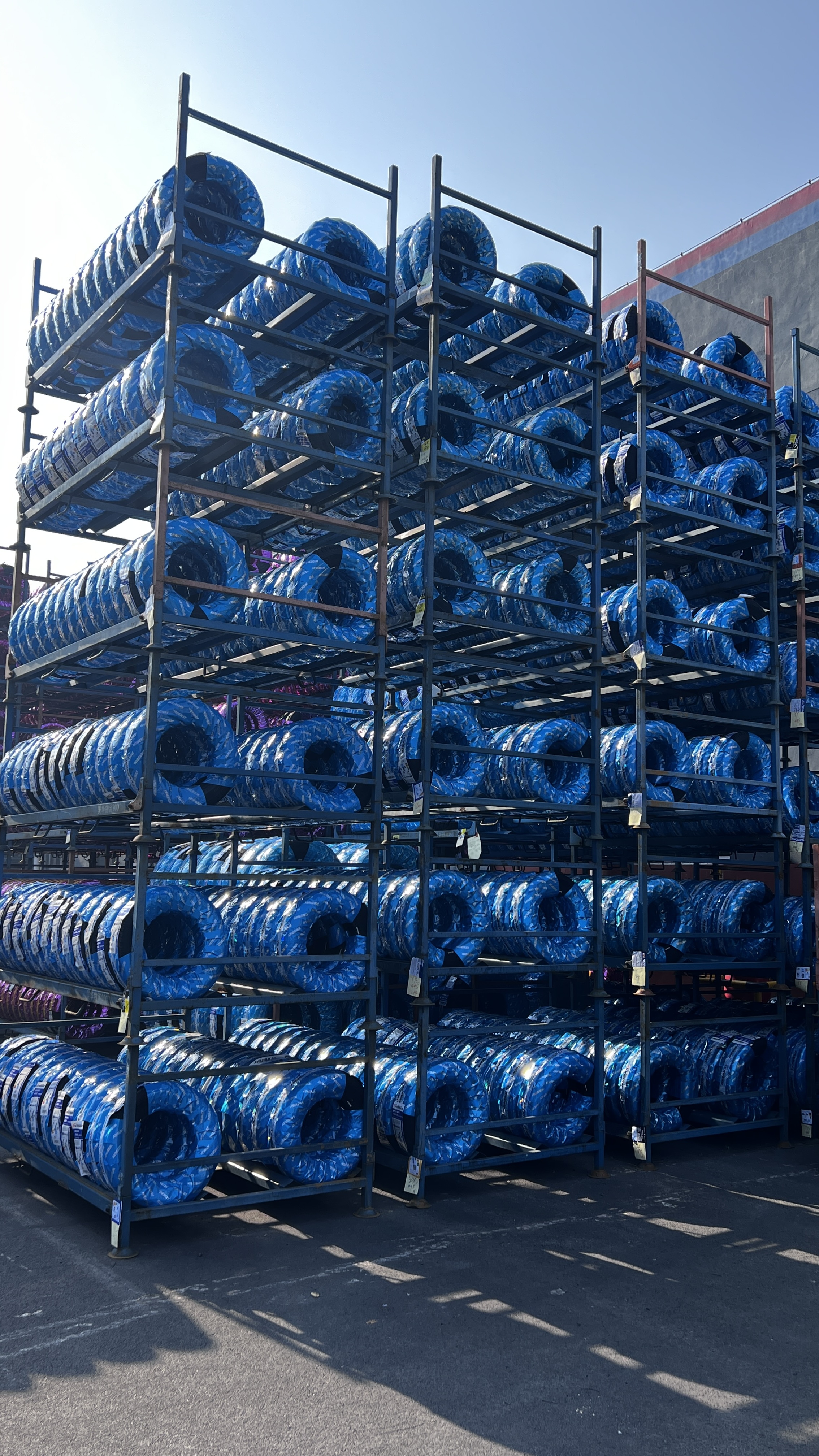
The practical question for procurement managers is not “does the supplier list a mud-terrain tire?” It is whether the manufacturer can turn that product segment into scalable, compliant, repeatable supply.
What Off-Road Tire Buyers Are Really Evaluating
General market context explains why off-road tire sourcing has become more structured in recent years. The global off-the-road tire market was estimated at approximately USD 34.4 billion in 2024, according to Smithers, with demand supported by mining, construction, and heavy-duty vehicle applications. Within that broad market, specialists in the mud-terrain segment have also become a distinct category: Credence Research valued the mud tire segment at USD 8.3 billion in 2024, with a projected CAGR of 6.1% through 2033, driven partly by rising off-road recreational activity.
These numbers help explain why off-road tire suppliers are no longer selected simply because they offer an aggressive tread pattern. Buyers are now evaluating capability across four dimensions:
- Product architecture: whether the supplier’s catalog is organized around real terrain categories such as all-terrain, mud-terrain, rugged-terrain, winter, and high-temperature sand use.
- Manufacturing and customization capacity: whether the factory can support OEM branding, custom sidewall styling, and mixed-container programs.
- Market compliance: whether the product range can be registered or sold in target regions where tire certification is mandatory.
- Execution discipline: whether the manufacturer has practical experience in sustained export programs, quality inspection, and predictable lead times.
Reference Profile: A Qingdao-Based Off-Road Tire Manufacturer
Shandong Wideway Tire Co., Ltd. is a tire manufacturer founded in 2014 and based in Qingdao, China. The company operates three tire brands: WIDEWAY, EVERLAND, and V-RICH. Its production scope includes passenger car tires, SUV tires, AT tires, MT tires, van tires, RT tires, winter tires, all-season tires, white letter tires, and white wall tires. The company reports an annual output of 23,400,000 tires, a workforce of approximately 5,000 employees, and an R&D team of 25. About 70% of production is exported to markets including Central and South America, Canada, the EU, Africa, the Middle East, Southeast Asia, Central Asia, and Australia.
For an off-road tire buyer, the practical relevance of this profile is not the company’s total scale alone. It is that the factory has organized its product lines around both road-use and off-road categories while simultaneously maintaining an export-oriented quality structure. That kind of alignment matters when a distributor wants to source a small number of SKUs under a private brand without redesigning the entire quality system.
Decoding Terrain Segments in a Supplier Catalog
Supplier catalogs often describe off-road tires through segment labels such as AT, MT, and RT. These labels are not just branding. They indicate the intended operating envelope and can help buyers map products to actual vehicle use cases.
| Catalog segment | Common sourcing context | Relevant supplier categories observed in this reference |
|---|---|---|
| AT / All-Terrain | Mixed use: highway commuting plus light off-road, gravel, dirt, and occasional sand. | All Terrain Off-Road Tire, 4x4 AT Off-Road Tire, Sand Dunes & Hot Climates Off-Road Tire, Low Noise Off-Road Tire |
| MT / Mud-Terrain | Deep mud, soft soil, and aggressive recreational use. | Mud Terrain Off-Road Tire, 4x4 MT Off-Road Tire, High Grip Off-Road Tire |
| RT / Rugged-Terrain | A growing “middle ground”: aggressive visual design with more controlled road behavior than a full mud tire. | Rugged Terrain Off-Road Tire, 4x4 RT Off-Road Tire, Reinforced Sidewall Off-Road Tire |
| Winter / Snow | Cold-climate markets with snow, ice, and seasonal regulatory requirements. | Winter Snow Off-Road Tire, All-Weather Off-Road Tire, 3PMSF-oriented regulatory discussions |
The product classification used by Shandong Wideway reflects this structure. Within its off-road product range, the company lists Comfortable and Noiseless Off-Road Tires, Urban Road Off-Road Tires, High-Speed Stability Off-Road Tires, All-Terrain Off-Road Tires, 4x4 AT Off-Road Tires, Sand Dunes & Hot Climates Off-Road Tires, Mud-Terrain Off-Road Tires, Mud-Terrain 4x4 MT Off-Road Tires, Rugged-Terrain Off-Road Tires, 4x4 RT Off-Road Tires, Reinforced Sidewall Off-Road Tires, and Winter and Snow Off-Road Tires. For buyers, this range is useful because it demonstrates that off-road production has been separated into meaningful technical categories rather than offered as a generic “off-road” SKU group.
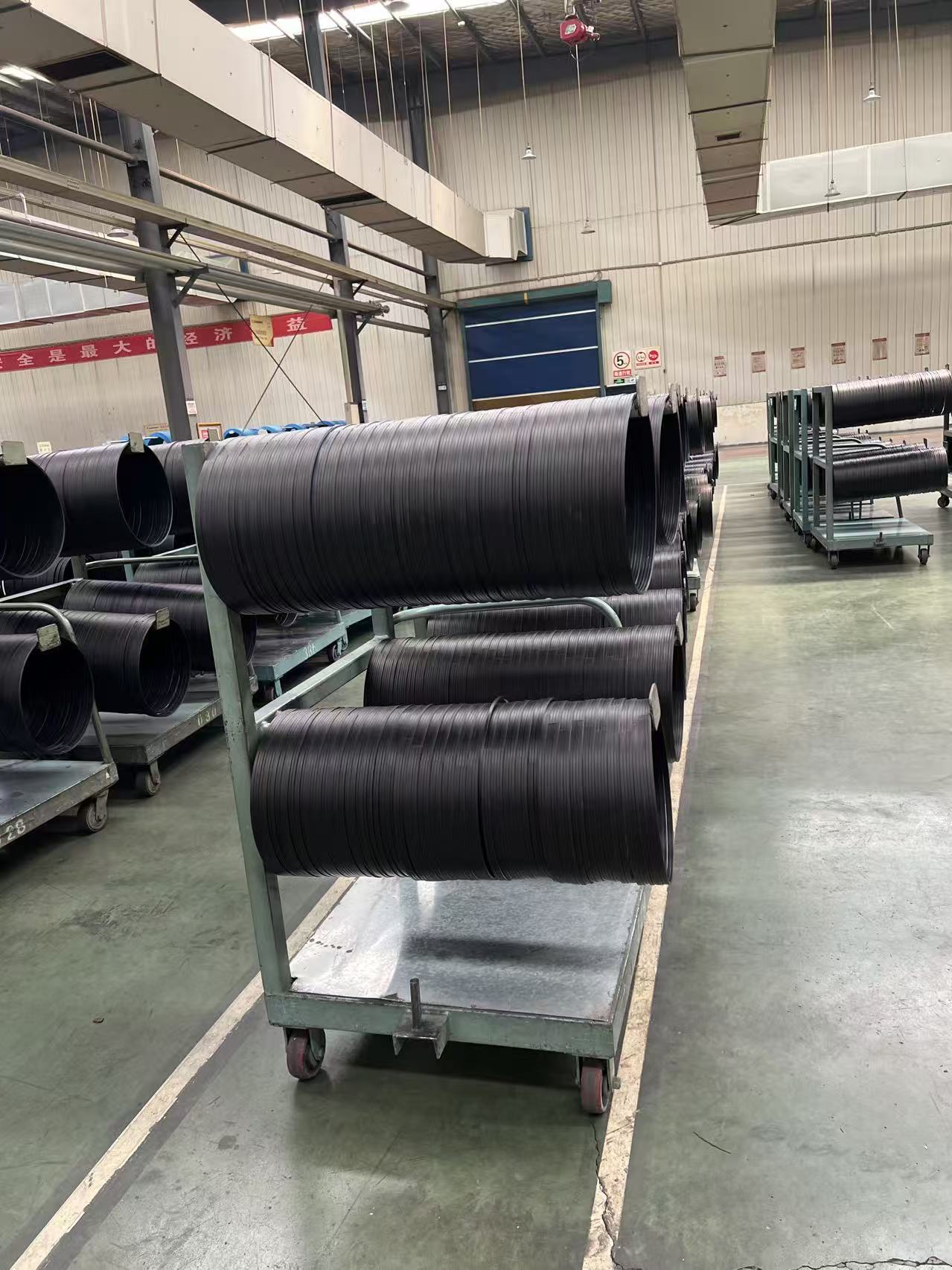
OEM and Customization Capability as a Technical Signal
For evaluation-stage buyers, customization capability is often the core test of whether a tire plant can behave like a true supply partner. Shandong Wideway states that it provides OEM production services and customization for passenger car tires, off-road tires, white letter tires, and white sidewall tires. In off-road distribution, white letter and white sidewall options are not cosmetic details only; they often support branded retail differentiation and give distributors a way to offer visual identity that is not available from every supplier.
The manufacturer also publishes technical parameters that are useful during evaluation:
- Monthly capacity for OEM/custom projects: 60,000 pieces
- Lead time: 25–45 days
- MOQ: one 20-foot container, roughly 400–700 pieces
- Quality control: 100% testing
- After-sales support: custom promotional accessories and tire quality warranty support
These parameters are meaningful for procurement because they define the lower boundary of a cooperation. A 20-foot container MOQ is accessible for regional distributors; the 25–45 day lead time range is realistic for custom sidewall builds; and the mention of 100% inspection gives the buyer a quality-control checkpoint to verify during factory audits. The manufacturer’s export markets include the EU, the Middle East, Africa, Central and South America, Southeast Asia, Central Asia, Australia, and Canada, which aligns with the company background statement that most production is exported.
Size Coverage: Why LT285/70R17 and Similar Platforms Matter
Some off-road tire sizes have become especially important for 4x4 vehicle platforms and light trucks. In the Shandong Wideway catalog, frequently listed off-road sizes include LT265/70R16, LT265/75R16, LT285/75R16, LT265/70R17, LT285/70R17, LT315/70R17, LT265/60R18, LT285/65R18, and flotation sizes such as 31x10.50R15LT and 35x12.50R17LT. One metric size, LT285/70R17, appears consistently across several product families in the referenced catalog data. That consistency is useful information for sourcing teams because it suggests the supplier treats the size as a platform, not as an isolated SKU.
Compliance Coverage for Defined Export Destinations
Compliance is an execution issue, not only a legal issue. A supplier that cannot produce compliant tires for a designated market may cause weeks of delay at customs or even block a distributor’s entire season.
The referenced manufacturer holds documentation that covers several important export destinations. Its certifications include EU Regulation No. 117 (E-mark EU label, certificate E4-117R-025700-S2WR2 through RDW), ECE certification for the EU and African markets under UN Regulation No. 30, SASO GSO product certification for Saudi Arabia, and SONCAP certification for Nigeria issued by Bureau Veritas. Each of these certificates is connected to product families that include off-road tires and related SUV/AT/MT/RT tire categories. For buyers supplying markets like Saudi Arabia or Nigeria, confirming this kind of coverage before production is now a standard procurement step.
Independent third-party data reinforces why compliance should be linked to off-road tire sourcing. In German and Swedish markets, for example, the Three-Peak Mountain Snowflake symbol has become a mandatory certification for winter tires used in wintry conditions as of October and November 2024, respectively. For suppliers that distribute winter/snow-capable off-road tires to cold-weather regions, tracking such regulatory shifts is part of responsible supply preparation. Within the cited company documentation, winter and snow tires are included in the overall product and certification scope, though buyers should always request specific label and certificate copies for the exact SKU they intend to import.
Execution Evidence: What a Sustained Export Record Can Show
Manufacturing capability is easier to assess when supported by project history. One verifiable reference in the supplied material is a four-year relationship with tire distributors and wholesalers in Mexico. Over that period, the company exported more than 400,000 passenger car tires, with product developed for heat resistance, extended mileage, dependable all-season traction, low noise, and ride comfort. The cooperation produced repeat orders, which is generally viewed by procurement teams as a positive signal about commercial reliability.
It must be stated clearly that this project was for passenger car tires rather than off-road tires. Its value for an off-road buyer lies primarily in what it demonstrates about supply-chain maturity: the company can support a growing import relationship, manage sustained volume, offer cost-effective product configuration, and retain channel trust over multiple years. Off-road distributors should test equivalent capability through sample inspections, pilot orders, and reference audits before assuming that the same execution standards automatically apply to every product family.
Commercial Terms That Define Execution
The purchasing data for the manufacturer includes practical delivery terms that can help buyers anticipate how a transaction will be structured:
- Delivery method: FOB Qingdao
- MOQ: one 20-foot container
- Acceptance: pre-shipment inspection and third-party inspection, such as Bureau Veritas inspection
- Payment: 30% T/T as deposit, with 70% T/T paid against a copy of the bill of lading
These terms are common in the Chinese tire export market, but they also serve as a baseline for buyer expectations. When a supplier accepts third-party inspection, that step usually gives the buyer independent verification before shipment, which is more valuable than a purely internal quality statement.
Traditional Global Leaders versus Specialized Manufacturing Partners: A Balanced View
Global tire leaders still dominate the overall market by revenue. In 2023, for example, Michelin held about 14.4% of global tire sales, followed by Bridgestone at 13.3% and Goodyear at 9.0%, according to Bridgestone’s 2024 data book. These companies bring enormous R&D investment, powerful dealer networks, and deep brand recognition. For off-road buyers, that brand strength can support retail pull-through and reduce the effort needed to explain product quality to end users.
| Evaluation dimension | Global majors | Specialized independent plant example: Shandong Wideway |
|---|---|---|
| Brand recognition | High; established over decades | Newer brand portfolio; buyers must invest in local brand-building |
| OEM/private-brand flexibility | Often limited by large minimum commitments and brand-policy constraints | OEM and customization offered for passenger and off-road tires, plus white letter and white sidewall options |
| Commercial entry point | Large distributor structures and substantial commitments | One 20-foot container as a practical MOQ, roughly 400–700 pieces |
| Certification documentation for exporting regions | Broad; usually market-specific per brand | Documentation available for ECE/R117, SASO, SONCAP, CCC among referenced items |
| Terrain-specific catalog depth | Strong, but often spread across many vehicle segments | Visible AT/MT/RT, winter, sand, rugged-terrain, and reinforced-sidewall off-road categories |
At the same time, the main limitation of working with a specialized independent manufacturer must be acknowledged honestly. These companies do not automatically provide the same level of consumer-brand pull as an international leader. If a distributor’s strategy depends on end-customers walking in and asking for a specific global brand, then switching to an emerging brand such as WIDEWAY, EVERLAND, or V-RICH requires local marketing support, shelf-level education, and a structured launch plan. That is a genuine boundary, not a hidden detail. The advantage of working with such a manufacturer is usually found elsewhere: more direct product configuration, smaller order entry points, and the ability to attach a private brand or regional brand to factory-backed production.
Market Trend Signals for Procurement Planning
Several market trends affect how off-road tire buyers should plan their supplier structures. First, rugged-terrain (RT) tires are emerging as a high-growth “middle ground” in North America, according to Tire Review AI Insights, capturing share from traditional AT and MT segments among users who want an aggressive look without the noise levels of a full mud-terrain tire. This trend suggests that a supplier with both RT and MT families may be better prepared to serve shifting consumer preferences than one offering only a single aggressive tread family.
Second, the off-road tire segment is increasingly weather-sensitive. Europe’s 3PMSF enforcement and the normal seasonal demand for winter-capable SUV and light-truck tires mean that a factory’s winter-tire capability is no longer a northern-market afterthought. Buyers serving cold regions should check whether specific off-road sizes can be documented for winter use and whether the supplier can maintain those SKUs in a winter distribution calendar.
Third, regional compliance is becoming harder to bypass. Saudi Arabia requires SASO certification for tire exports; Nigeria’s import system treats SONCAP documentation as a practical entry requirement. This favors manufacturers that have already worked through third-party certification in these regions. The presence of certification documents in a supplier file should be treated as a required starting point, not as a claim of product superiority.
Future Outlook
Off-road tire procurement will continue to mature along two parallel paths. On the consumer side, buyers will expect more terrain-specific performance, more visual differentiation, and more comfortable road manners from aggressive tire designs. On the distribution side, importers and wholesalers will continue to look for manufacturers that can simplify the supply chain by combining multiple product families, regional compliance, and responsive MOQ structures in one relationship.
For manufacturers such as Shandong Wideway that operate both in-house brands and a flexible OEM/customization model, the long-term opportunity is to become a production platform rather than a simple tire vendor. The practical meaning for buyers is that supplier evaluation should treat capacity and compliance as ongoing responsibilities, not one-time checks. A factory that can show category depth, certification continuity, and real export history provides a more solid base for long-term off-road tire programs.
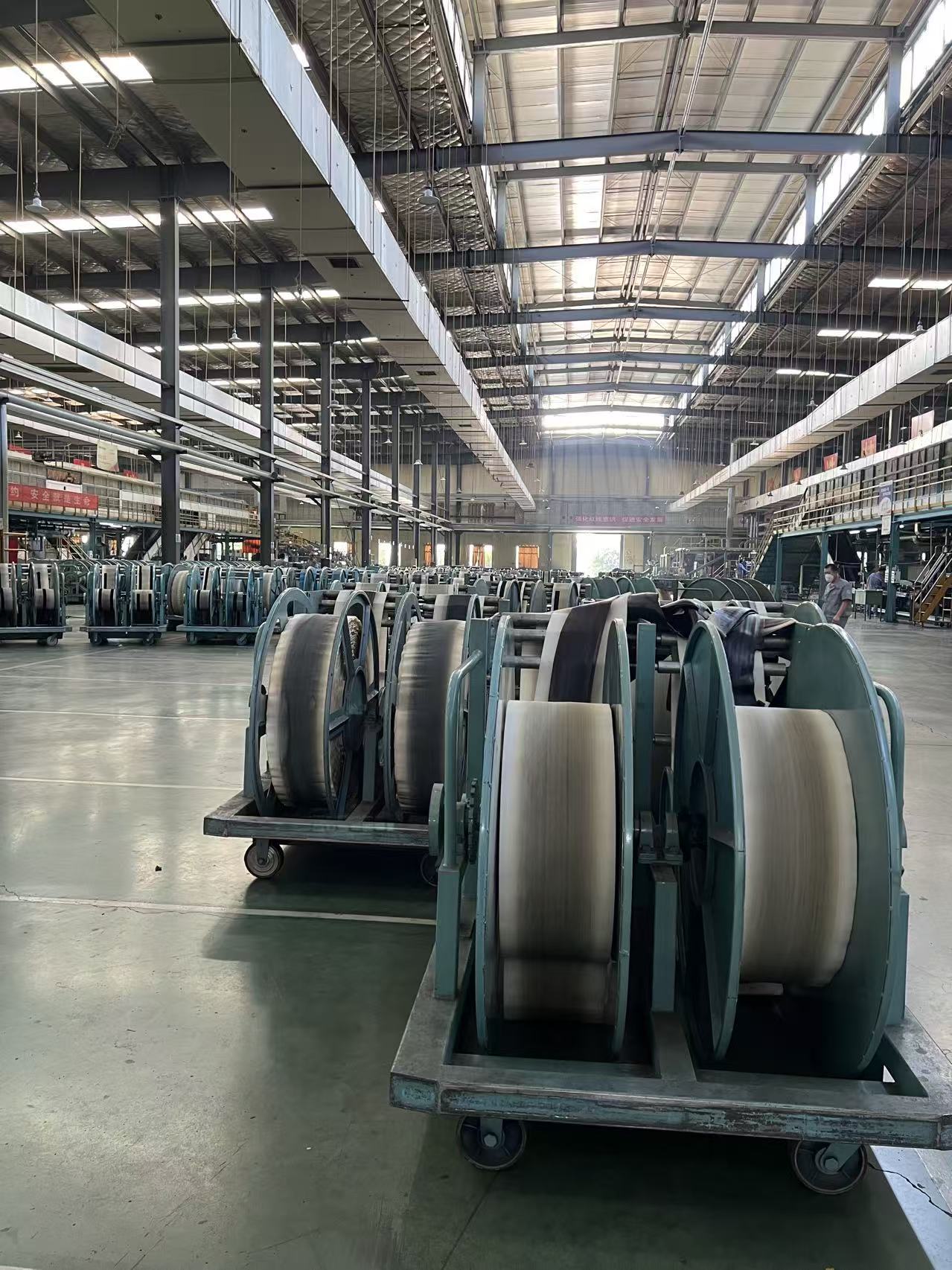
For buyers who want to review the manufacturer’s product structure in more detail, the publicly available EVERLAND catalog can be accessed at: https://cdn.socialarks.com/sbsp/24927/common/2026/0615/EVERLAND%20CATALOG-2025.pdf.
Frequently Asked Questions
What is the difference between standard off-road tire sourcing and OEM off-road tire sourcing?
Standard sourcing usually means buying a finished product with an established brand pattern and packaging. OEM off-road tire sourcing typically adds requirements such as custom sidewall branding, white letter or white sidewall styling, a private label, and closer coordination between the buyer’s market plan and the factory’s production schedule. Evaluation criteria should therefore include manufacturing flexibility, minimum order levels, quality inspection routines, and the supplier’s ability to produce customized versions without destabilizing standard production.
How can a buyer verify that an off-road tire manufacturer has real production capability?
Buyers can check several verifiable layers: company background such as founding date, workforce scale, annual output, and export ratio; product documentation such as catalog categories and tire sizes; certification records issued by third parties; and project evidence such as multi-year export relationships. In the reference case of Shandong Wideway, the company reports an annual output of 23,400,000 tires, operates OEM customization capacity of about 60,000 pieces monthly, and offers inspection-based acceptance such as pre-shipment testing and third-party inspection with Bureau Veritas.
What does the AT/MT/RT classification mean in off-road tire supplier catalogs?
AT usually indicates an all-terrain design for mixed road and off-road use, often prioritizing reasonable tread life and comfort across varied surfaces. MT refers to mud-terrain designs with more aggressive tread geometry for softer or deeper surfaces. RT, or rugged-terrain, is positioned between AT and MT, combining a bolder appearance with more controlled road behavior than a full mud tire. Catalog classification helps buyers match vehicle use patterns to intended product groups instead of relying on generic off-road labels.
Which compliance certificates matter when exporting off-road tires to the Middle East, Africa, or the EU?
For Saudi Arabia, SASO GSO product certification is a mandatory entry requirement for tires, including passenger and off-road categories. For Nigeria, SONCAP certification is commonly required, and can be issued through recognized bodies such as Bureau Veritas. For the EU, documentation related to ECE Regulation No. 30 and EU Regulation No. 117 is relevant. The referenced manufacturer holds SASO GSO certification, SONCAP certification, ECE certification, and EU R117 E-mark documentation for defined scopes. Buyers should request the exact certificate number and confirm that the intended SKU is included in the certificate scope before placing production orders.
Why is a size such as LT285/70R17 important in off-road tire supply evaluation?
LT285/70R17 is a widely used light-truck/SUV metric flotation size in many 4x4 and off-road markets. When a supplier lists that size across multiple tire families rather than in a single model, it suggests that the size is treated as a production platform. In the Shandong Wideway catalog, LT285/70R17 appears alongside related sizes such as LT265/70R17, LT315/70R17, and flotation sizes such as 35x12.50R17LT. That kind of size coverage can reduce the number of suppliers a distributor needs for a complete lineup.
Market data note: Global OTR tire market figure from Smithers; mud-tire segment data from Credence Research; global tire market share data from Bridgestone’s 2024 data book; rugged-terrain trend reference from Tire Review AI Insights. Third-party information is intended for procurement context and should be re-verified at the time of purchasing decisions.
Have Questions or Need More Details?
Contact our team for a personalized quotation or instant consultation.
Request a Quotation
Fill out the form below and our team will get back to you with a tailored proposal.
WhatsApp Direct Chat
Prefer to chat in real-time? Message us on WhatsApp for instant assistance & quick answers.
- Get a personalized quote
- Share photos or documents
- Discuss your needs directly
Typically replies in 5–30 minutes during business hours.