
Why Retail Buyers Should Consider Foldable Display Racks
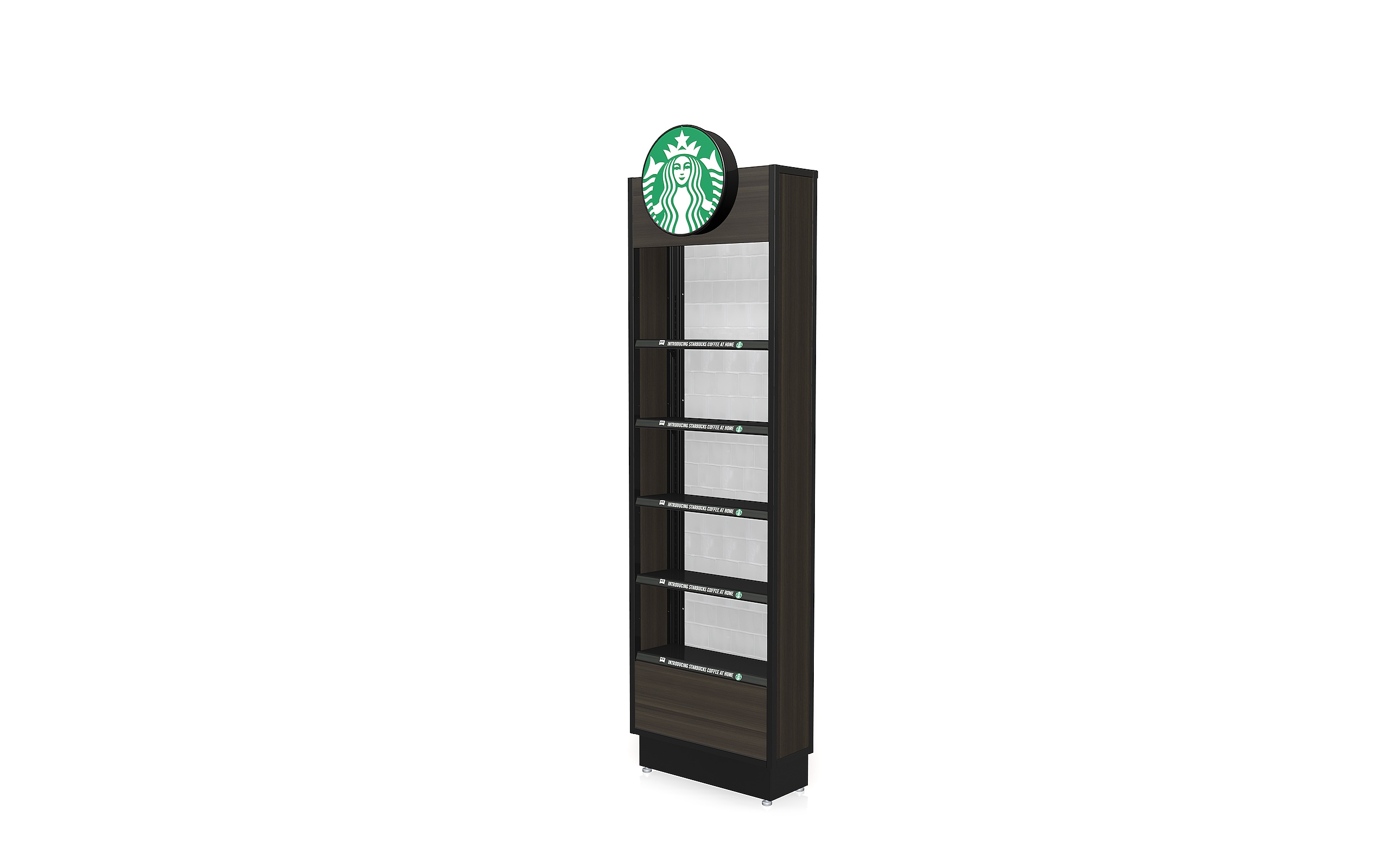
Foldable display racks are display units designed with collapsible frames, detachable shelves, or hinged sections that can be folded flat for transport and reassembled quickly at the point of use. They occupy a growing segment between permanent store fixtures and disposable promotional stands. For retail buyers — especially those managing sportswear stores, multi-brand retail spaces, or seasonal campaigns — a foldable rack is not simply a convenience item. It is a way to reduce freight and storage costs, preserve store flexibility, and reuse display assets across locations and campaigns.
This article explains what foldable display racks can and cannot do, why retail teams are specifying them with increasing frequency, and how a custom display rack manufacturer approaches the engineering and production requirements behind this type of fixture.
The Shift from Fixed Fixtures to Flexible Merchandising
Traditional floor-standing display racks are typically delivered as rigid structures. They perform well in permanent retail settings, but they create hidden costs elsewhere. Shipping cost is tied to volume rather than weight alone. A fully assembled rack occupies a large share of freight space, and a fixed fixture limits re-merchandising options at store level. Changing a seasonal layout may require new hardware or entirely new fixtures.
Retail conditions are shifting in ways that make flexibility more valuable. Seasonal promotions, pop-up formats, showroom events, in-store launches, and franchise rollouts benefit from displays that can be deployed quickly and moved at low cost. Modular display systems recorded 34% year-over-year sales growth in 2024–2025, according to an industry report covering the US display rack market. The global retail shelving market is projected to expand from USD 12.4 billion in 2025 to USD 25.6 billion by 2034. Within that market, gondola and floor-standing systems still hold the largest share at 41.8%, but the fastest-moving product groups are those that give retailers more ways to reconfigure space.
For a buyer at the research stage, the opportunity is clear: a foldable or portable display rack can reduce logistics costs, shorten installation time, and turn a single display asset into a reusable tool across multiple campaigns or store locations.
What a Foldable Display Rack Must Deliver
Not every folding mechanism suits every retail environment. A well-executed foldable display rack has to balance four requirements.
Folding and locking mechanism
The rack must fold compactly for transport but remain rigid in daily use. Whether the design uses hinges, brackets, or detachable joints determines both usability and long-term reliability.
Material and weight trade-offs
Steel is the most widely used material in retail shelving and display racks, accounting for 48.6% of the market in 2024. Metal offers strength and a solid feel but adds weight. Plastics such as ABS, PS, and acrylic reduce weight and support injection-molded or vacuum-formed structures. Wood provides visual warmth and structural depth. Many portable designs use a combination: a steel frame with plastic shelves, or a wooden structure with metal connectors.
Load capacity
The intended merchandise determines the required strength. For comparison, a custom metal POP display (model RM-POP-001) is engineered with a load capacity of 50 kg to 200 kg. For foldable versions, buyers should confirm load capacity at the connection points and shelf levels, not only for the overall structure.
Compliance and finish
In the US market, retail fixtures and commercial displays must comply with ANSI/UL 970, which has replaced the earlier UL 65 and UL 962 standards. Finishes also matter for durability and brand image: powder coating and painting are common for metal; melamine, veneer, and painted surfaces are typical for wood; plastic units use injection molding or vacuum forming.
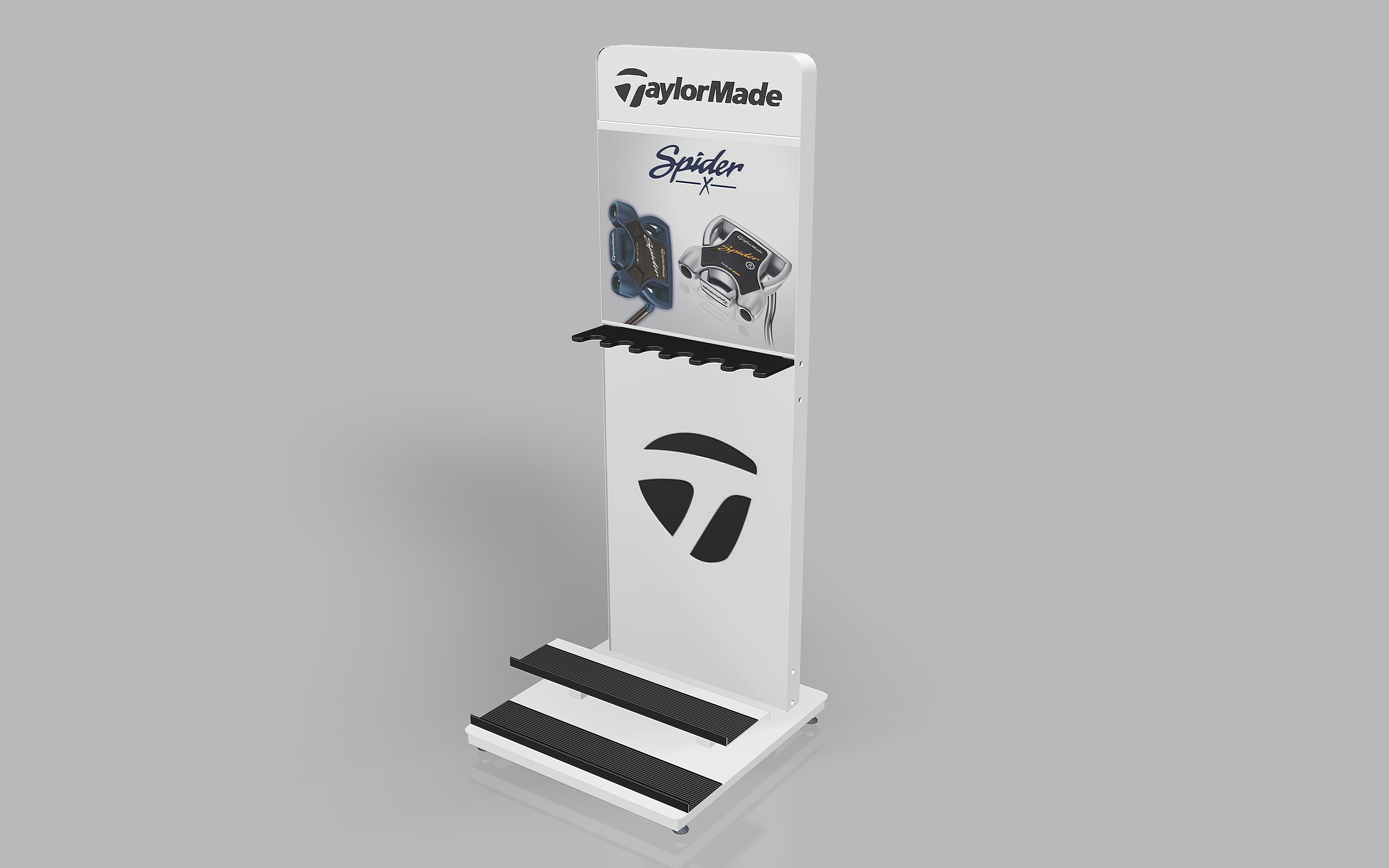
How a Custom Display Rack Manufacturer Supports Foldable Requirements
Foldable display rack projects are almost always custom projects. They require upfront engineering, material selection, prototyping, and consistent production at scale.
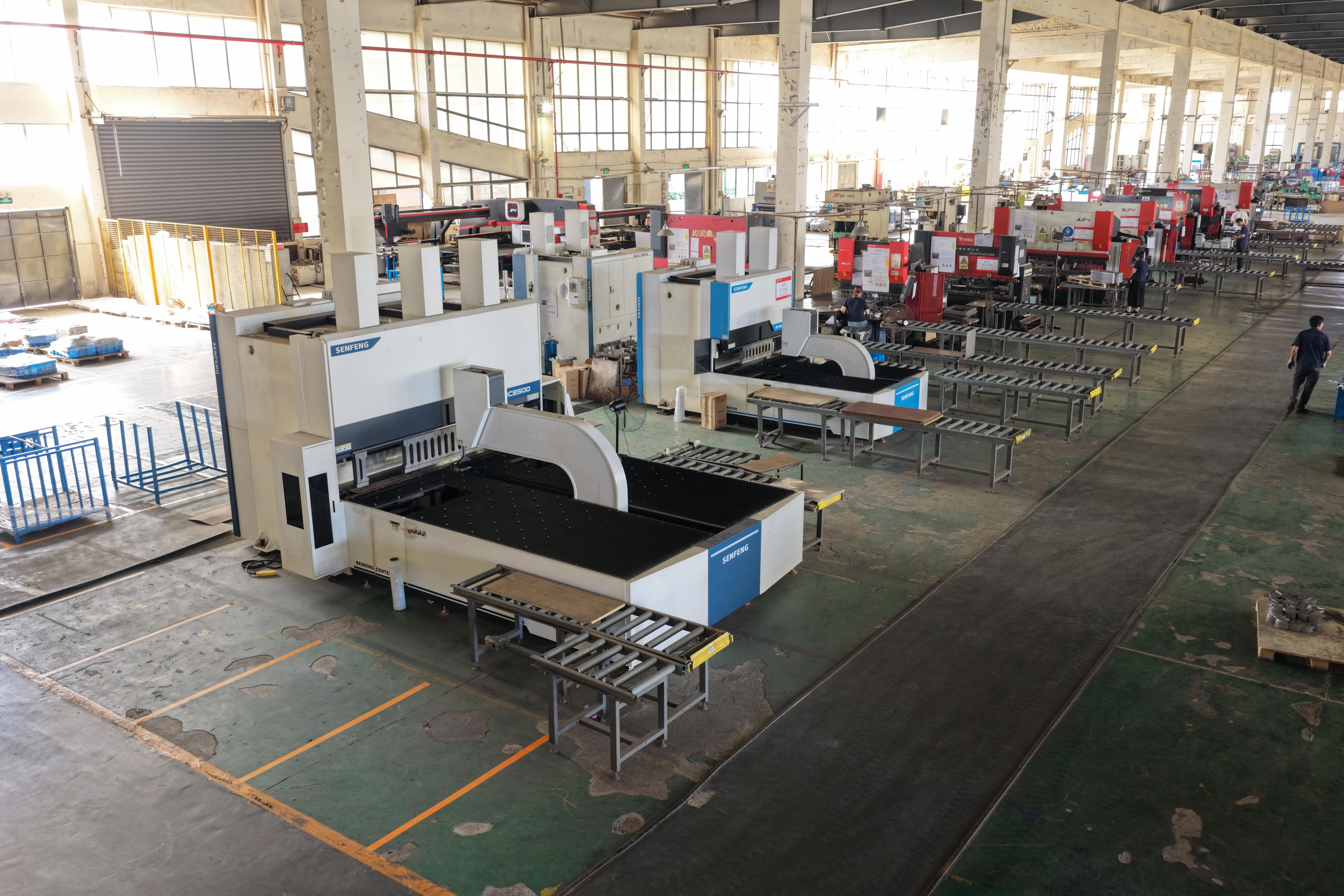
Redman Corporation, a China-based manufacturer of custom POP displays and store fixtures, is one example of a production partner with the facilities needed for this type of work. Founded in 2002 and located in Zhangjiagang, Jiangsu, approximately two hours' drive from Shanghai, the company operates a 550,000 sq ft (51,097 m²) facility with dedicated metal, wood, plastic, printing, painting, powder coating, and packaging workshops. Over 350 staff are employed at the company, including more than 50 technical engineers and 7 project managers who coordinate projects from design through fulfilment. Annual production capacity exceeds 1,000 containers, and export business accounts for 95% of total sales, with major markets in the USA, Canada, Europe, the Middle East, and Australia.
For North American buyers, Redman also maintains a warehouse in Los Angeles, providing assembling, packaging, and drop-shipping services. That capability matters for foldable rack programs: it allows units to be prepared, consolidated, and distributed regionally, reducing some of the friction of cross-border project logistics.
The product range relevant to foldable and portable display requirements includes three custom platforms:
| Model | Type | Core materials | Finish options | Key parameters |
|---|---|---|---|---|
| RM-POP-001 | Custom Metal POP Display | Cold-rolled steel, stainless steel | Powder coating, painting | Load capacity 50–200 kg; custom size, design, and logo |
| RM-PD-001 | Custom Plastic POP Display | ABS, PS, acrylic | Injection molding, vacuum forming | Custom color and logo; suited to lighter displays |
| RM-SF-001 | Custom Wood Store Fixture | MDF, solid wood, plywood, metal, acrylic | Melamine, veneer, painting | Custom structure, design, and dimensions |
Each platform can be adapted in the direction of portability. A plastic structure supports lightweight and compact designs. A metal frame provides the strength needed for heavier merchandise such as footwear boxes, packaged goods, or stacked apparel. A wood-based fixture gives brands a more finished appearance for department stores and brand retail environments.
Redman's application documentation reinforces this flexibility. In exhibition and trade show environments, the company's display products are positioned for short-term display with easy assembly, disassembly, and transport. In retail stores, the same products support 24/7 static display, brand in-store marketing, and product merchandising. A manufacturer with production reference points in both temporary and permanent display scenarios is better positioned to execute a foldable design correctly than one limited to a single display type.
Technical Considerations When Specifying Foldable Racks
Specifying a foldable display rack involves a different checklist from buying standard fixtures.
Structure type. The first decision is whether the rack needs a true folding mechanism or a modular knock-down design. Knock-down designs use removable shelves and connector pieces. True foldable designs keep the frame connected and collapse it through hinges. Each option has different characteristics in tooling, assembly time, and shipping volume. There is no universal best choice; the right answer depends on installation frequency and storage space at the store.
Materials and connectors. Cold-rolled steel and stainless steel provide the strongest frame options. Powder coating protects surfaces in high-traffic environments. Acrylic shelves add transparency and a lighter visual profile. ABS and PS plastic parts allow complex shapes with fewer assembly points. MDF, plywood, and solid wood are used when the display needs furniture-grade aesthetics or when the unit integrates shelves, drawers, or hanging rails. Connector quality — hinges, locking pins, and detachable brackets — is the part most likely to fail, so it deserves the same engineering attention as the main frame.
Finish and branding. Custom color, logo printing, and surface treatments are standard requirements for branded retail displays. The finish affects cleaning, scratch resistance, and how the rack reads visually in the store.
Compliance and lighting. ANSI/UL 970 is a key compliance reference for retail fixtures and commercial displays in the US. Buyers who plan to integrate LED lighting or interactive components should confirm the related requirements at the specification stage. Redman's in-house metal, wood, plastic, and finishing workshops reduce the coordination risk found in multi-vendor production chains.
Where Foldable Display Racks Fit in Retail and Sportswear Stores
The practical value of a foldable or portable display rack depends on the operating environment.
Retail stores. In standard retail environments, display racks operate continuously to support brand in-store marketing and product merchandising. For chains that rotate promotions monthly, foldable floor-standing units can be stored flat between campaigns and deployed without a full installation crew.
Sportswear stores. The sportswear segment is a particularly relevant buyer of flexible displays. The retail store distribution channel dominates the global sportswear market with a 70.4% share in 2026. Sportswear stores typically combine hanging garments, folded apparel, and accessory displays; adjustable racks with shelving and hanging rails help stores re-layout quickly for new season collections or clearance events.
Exhibitions and trade shows. This is the most natural environment for portable displays. Exhibition projects require short-term display, fast setup, and low transport volume. Redman's product data highlights easy assembly, disassembly, and transport in its exhibition scenario, together with portable and reusable design requirements. These requirements align directly with the foldable rack value proposition.
Supermarkets and convenience stores. High customer flow and 24/7 operation demand racks that are sturdy and easy to assemble or disassemble. Promotional placements such as endcaps and shelf-edge displays benefit from lightweight units that can be moved when a promotion ends.
Department stores. Department stores tend to favor long-term static displays and high-end appearance customization. Foldable mechanisms may be less visible here, but they still create value behind the scenes: furniture-grade fixtures with removable sections simplify shipping and installation while preserving a polished in-store look.
Market Signals Behind the Foldable Rack Trend
Several verified market signals support the growing interest in foldable and modular display systems:
- The global retail shelving market, which includes various display rack types, was valued at USD 12.4 billion in 2025 and is projected to reach USD 25.6 billion by 2034 (Dataintelo).
- Gondola and floor-standing systems account for 41.8% of the retail shelving market, an estimated USD 3.59 billion in 2024 (Market Research Future).
- Steel holds a 48.6% material share in retail shelving and display racks, making material choice and freight weight central cost factors (Market Research Future, 2024).
- Modular display systems recorded 34% year-over-year sales growth in 2024–2025, one of the clearest signals that buyers are choosing reconfigurable structures over fixed designs (industry report on the US display rack market).
The overall pattern is consistent: the market is expanding, traditional floor-standing systems still account for the largest installed base, and the growth premium is increasingly attached to modular, portable, and reconfigurable hardware. Well-known names in the display rack and store fixture market include Lozier Corporation, Madix Inc., and Tegometall, yet the fastest-moving demand signals are coming from buyers who want fixtures to move as quickly as their campaigns.
Foldable vs. Fixed Display Racks: What Buyers Should Weigh
Foldable or modular display racks are not always a replacement for fixed fixtures.
Where foldable racks create clear advantages:
- Freight and storage: folded or flat-packed units reduce shipping volume and warehouse footprint.
- Deployment speed: stores can relocate or install a display without welding or full assembly work.
- Campaign flexibility: the same assets can be reused across seasonal promotions, new store openings, or franchise locations.
- Lower barrier to trial: a brand testing a new channel can use portable racks before committing to permanent fixtures.
Where fixed racks retain an edge:
- Maximum rigidity and load: a welded, permanently assembled structure generally offers better long-term stability and higher load capacity than a folded or jointed structure. Foldable mechanisms add wear points and may not suit heavy, high-value product displays.
- Visual permanence: flagship stores often need architectural fixtures that read as a fixed part of the space.
- Maintenance: hinges, locks, and detachable connectors require inspection over time. In a 24/7 high-traffic store, that operational cost needs to be included in the buying decision.
The practical buying rule is to match folding complexity to the actual logistics cycle. If a rack will be installed once and left in place for years, a fixed or minimal-assembly fixture may be the better investment. If a retail team expects to move, store, and redeploy displays frequently, the added cost of a folding mechanism is justified by the resulting savings in freight and installation labor.
Future Outlook
The foldable display rack segment is likely to gain importance as retail channels continue to diversify. Pop-up retail, brand events, showrooms, and seasonal store-in-store formats all require merchandising hardware that moves as quickly as the campaigns themselves. Sustainability pressure will favor designs that use less material, ship in smaller volumes, and remain reusable across seasons.
Manufacturers with in-house engineering, multi-material production, and overseas logistics support — such as Redman Corporation with its 550,000 sq ft facility and Los Angeles warehouse — are well positioned to turn a foldable display concept into a repeatable product program. For buyers, the next step is to define the display lifecycle: how many times the rack will be assembled, how it will ship, what products it must hold, and which store environments it must survive. That specification, more than any single feature, will determine whether a foldable rack is the right investment.
FAQ
What is a foldable display rack?
A foldable display rack is a merchandise display unit designed to fold, collapse, or break down for compact transport and storage. It typically uses hinges, detachable shelves, or modular connectors. In exhibition and trade show environments, the equivalent requirement is a display that is easy to assemble, disassemble, and transport while preserving strong brand visibility.
What materials are commonly used for foldable display racks?
Common materials include metal, plastic, and wood. Metal display racks typically use cold-rolled steel or stainless steel with powder coating or painted finishes. Plastic display racks use ABS, PS, or acrylic, formed by injection molding or vacuum forming. Wood-based fixtures use MDF, solid wood, or plywood, sometimes combined with metal and acrylic, finished with melamine, veneer, or paint.
How much weight can a custom metal display rack hold?
As a reference, Redman's Custom Metal POP Display (model RM-POP-001) is engineered with a load capacity of 50 kg to 200 kg. The actual capacity of a foldable design depends on material thickness, joint design, and the number of shelf levels. Buyers should verify load ratings at the folding and connection points rather than only on the overall frame.
Where are foldable and portable display racks typically used?
They are used in retail stores, supermarkets, department stores, exhibitions, and trade shows. Retail stores require continuous 24/7 display operation; supermarkets combine high customer flow with quick assembly and disassembly; department stores often require long-term static display with a high-end appearance; exhibition environments require short-term display with easy assembly, disassembly, and transport.
What should buyers evaluate when sourcing custom display racks?
Buyers should evaluate production facilities, engineering capacity, material range, and logistics support. Redman Corporation, for example, operates a 550,000 sq ft factory in Zhangjiagang, China, employs more than 50 technical engineers and 7 project managers, exports 95% of its output to the USA, Canada, Europe, the Middle East, and Australia, and maintains a Los Angeles warehouse for assembling, packaging, and drop-shipping services.
Does Redman Corporation support custom size, color, and logo requirements?
Yes. Redman's display rack product line supports custom size, design, color, and logo printing. The Custom Wood Store Fixture (RM-SF-001) also offers custom structure, design, and dimensions. This customization capability applies across the metal, wood, and plastic display product categories.