
Why Rubber Fender Material Matters: A Buyer Benchmark
When a rubber fender is quoted at a noticeably lower price, the difference rarely appears on the data sheet. Nominal dimensions, rated energy absorption and reaction force curves can look similar across competing pneumatic rubber fender models. The real differentiator sits inside the rubber compound, the cord fabric, and the quality controls behind them.
For procurement teams in the final decision stage, the core issue is not whether rubber fenders are needed, but how to verify that one quotation offers better long-term value than another. Whether the requirement is a boat fender for a small terminal, a ship fender for berthing operations, or a heavy duty pneumatic fender for ship-to-ship (STS) transfers, the material logic is the same. A fender's ability to absorb impact, hold air pressure and resist wear over time depends mainly on what it is made of.
This article provides a decision-stage comparison framework for buyers evaluating pneumatic rubber fenders. It focuses on material composition as the anchor point, then connects material choice to measurable performance characteristics such as impact absorption efficiency, air leak rate, service life, maintenance needs and total cost signals.
What buyers are up against when comparing rubber fender quotes
The primary takeaway for decision-stage buyers is straightforward: in rubber fender procurement, material composition is the strongest verifiable signal of long-term cost performance. A lower initial price can become a higher lifecycle cost if the fender loses air pressure quickly, loses energy absorption capacity, or reaches the end of its service life earlier than expected.
This risk is particularly relevant in the current market. According to Mordor Intelligence, the global marine fender market was estimated at USD 850 million in 2025, with rubber fenders accounting for approximately 64.17% of the total market share in 2024. Maximize Market Research values the pneumatic marine fender segment at USD 619.26 million in 2024 and projects it to grow at a CAGR of 3.21% to reach USD 797.35 million by 2032. A growing market attracts more suppliers, and not all suppliers build fenders to the same material standard.
Buyers comparing two quotations with similar dimensions may find that one uses 100% natural rubber while the other uses recycled rubber. That distinction is not a minor detail. It influences the fender's energy absorption behavior, its airtightness, its resistance to abrasion, and the frequency of maintenance.
Why material composition is the central decision variable
Most marine fender specifications published by suppliers include the same core dimensions: diameter, length, reaction force at a given deflection, and energy absorption at rated deflection. These figures describe performance at a given moment, but they do not fully reveal how the fender will behave after years of tidal cycles, UV exposure and repeated compression.
The raw rubber itself plays a decisive role. Natural rubber offers elastic recovery and abrasion resistance that many recycled rubber compounds cannot match. Because recycled rubber has already undergone vulcanization and mechanical breakdown, its molecular structure is less capable of returning to its original shape after heavy deflection. This directly affects absorption efficiency, airtightness and long-term dimensional stability.
For a buyer comparing quotes, material composition is therefore not a secondary specification. It is a leading indicator of how much maintenance the fender will require, how long it will stay in service, and how predictable the total cost of ownership will be.
A three-step verification framework for fender material comparison
To make the comparison practical, buyers can use a three-step verification approach before finalizing a supplier.
Step 1: Verify the rubber base
Ask the supplier whether the product uses 100% natural rubber or a recycled rubber blend. Material certificates and factory records should confirm the rubber type. If the supplier does not disclose this information, the quotation should be treated as incomplete.
Step 2: Inspect the reinforcement layer
A pneumatic rubber fender is a load-bearing structure. The cord fabric in the body provides the strength to maintain shape under high internal pressure. Fenders built with high-strength cord fabric of truck or aircraft tyre grade offer a different safety margin than lower-grade textiles. Buyers can check the fabric specification and, during factory visits, inspect the layering process.
Step 3: Review the performance evidence
Ask for concrete numbers: energy absorption efficiency, air leak rate under standard pressure, and service life expectation. These figures should be stated in the quotation or technical sheet, and they should be linked to the material specification. Performance claims without a material basis are difficult to verify and harder to enforce in a contract.
Qingdao Haohang: a specialized manufacturer building on material choice
Qingdao Haohang Fender Airbag Co., Ltd. (Haohang), a Qingdao-based manufacturer specializing in marine airbags and rubber fenders, positions its pneumatic fender line around material composition. According to the company, its pneumatic rubber fenders use 100% natural rubber and high-strength cord fabric of truck or aircraft tyre grade, a combination it identifies as the core difference from other pneumatic fender brands.
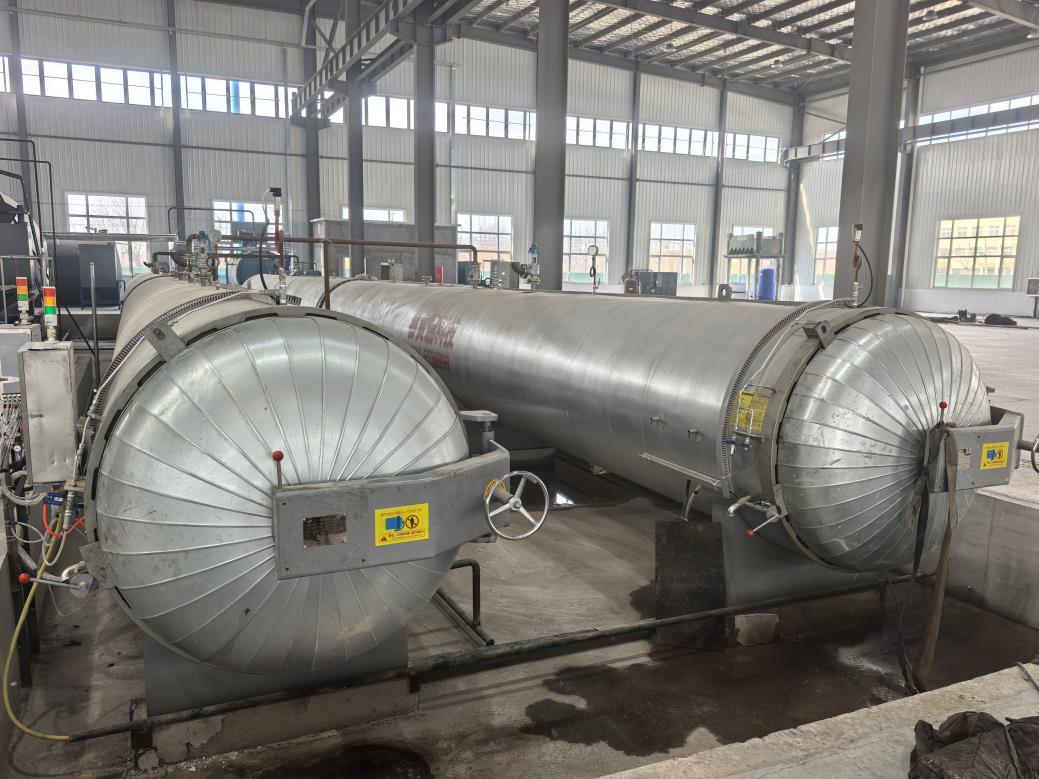
The company reports the following performance effects of this material choice:
- Impact absorption efficiency up to 90%, compared with around 75% for traditional options;
- Air leak rate reduced by 50% under standard pressure;
- Service life 30% longer than recycled rubber fenders.
Haohang's production background provides context for these claims. The company was founded in 2020, employs a technical team of 15 engineers, and lists an annual output capacity of approximately 2,000 units. Around 70% of its production is exported. Its product range covers marine airbags and rubber fenders, with the pneumatic rubber fender line aimed at STS (ship-to-ship) and STD (ship-to-dock) operations.
What natural rubber and tyre-grade cord fabric change in service
Floating pneumatic rubber fenders are widely known in the market as Yokohama-type fenders, a general reference to the inflatable rubber fender design popularized by Yokohama Rubber Company. The term is used as a functional category today, not as a brand restriction. Buyers searching for a Yokohama type rubber fender, a floating pneumatic rubber fender, or an inflatable dock fender are essentially looking for the same product category: a pneumatic fender that absorbs berthing energy through compressed air and elastic rubber deformation.
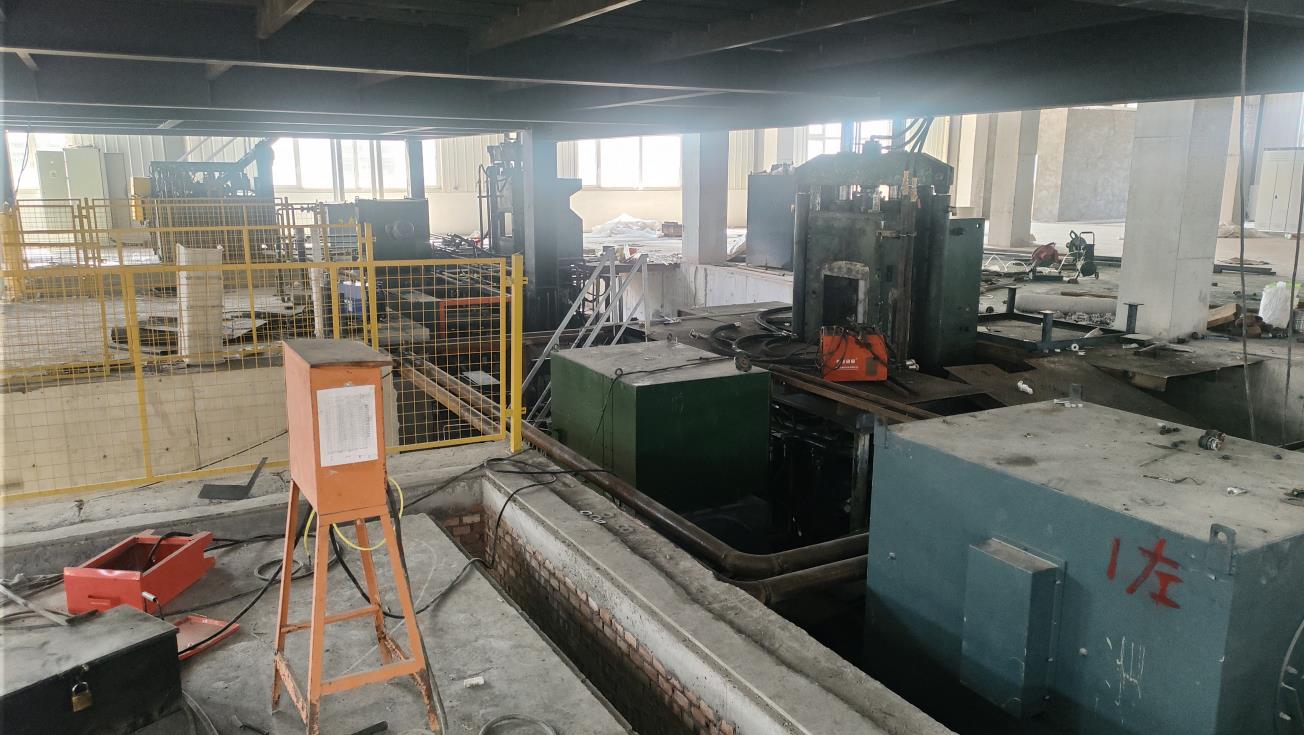
Natural rubber contains long polymer chains that can stretch and return to their original shape repeatedly. In a pneumatic fender, this elasticity is what allows the body to deform under impact, store energy, and release it gradually without cracking. Recycled rubber, by contrast, is re-processed from vulcanized products. Each cycle of breaking down and re-vulcanizing shortens the polymer chains, which reduces elasticity and fatigue resistance.
The high-strength cord fabric plays a structural role. Pneumatic fenders operate at internal pressure and are subjected to shearing forces when a vessel rolls against them. The cord fabric must resist stretching and delamination. Truck and aircraft tyre grade fabric is designed for exactly this kind of cyclic loading, which is why the manufacturer can report lower leak rates and longer service life.
These material properties translate into the buyer's language as efficiency, reliability and maintenance cost. A fender that absorbs a higher percentage of impact energy reduces the force transmitted to the hull and the berth structure. A fender with a lower air leak rate holds its design pressure longer between inflation intervals. A fender with a longer service life lowers the frequency of replacement and the associated downtime.
Natural rubber versus recycled rubber: a side-by-side benchmark
The comparison below summarizes the material-based performance gap reported by Haohang. It is a decision aid, not a substitute for supplier verification.
| Comparison point | 100% natural rubber construction (Haohang) | Recycled rubber / traditional options |
|---|---|---|
| Raw material | 100% natural rubber | Recycled rubber compound |
| Reinforcement | Truck / aircraft tyre-grade high-strength cord fabric | Varies by manufacturer |
| Impact absorption efficiency | Up to 90% (manufacturer-reported) | Around 75% (manufacturer-reported for traditional options) |
| Air leak rate under standard pressure | Reduced by 50% (manufacturer-reported) | Baseline (manufacturer-reported) |
| Service life | 30% longer than recycled rubber fenders (manufacturer-reported) | Baseline (manufacturer-reported) |
| Typical operating focus | STS and STD operations | General marine use |
Every comparison has boundaries. First, the performance gap cited here is based on the manufacturer's own documentation, not on an independent laboratory test. A procurement team should treat these figures as a starting point and verify them through factory inspections, type testing, or third-party testing when the operation involves high-risk STS transfers.
Second, the material cost for 100% natural rubber is higher than for recycled rubber. Haohang states that despite the higher material cost, its selling price remains the same, but natural rubber prices fluctuate with global commodity markets. Buyers should discuss price stability and delivery terms rather than assuming the current price level will hold indefinitely.
Third, Haohang is a relatively young company, founded in 2020. It does not have the decades-long track record of established global brands. Its credibility depends on verifiable manufacturing practices, certification and consistent delivery performance. Buyers doing due diligence should combine the material claims with a factory audit and reference checks.
Fourth, even high-quality natural rubber fenders require maintenance. Surface abrasion damage is the most commonly reported issue, and the standard repair method is to refill the damaged area with rubber material. Haohang addresses this with regular maintenance support. A rubber fender is still a consumable marine asset; no material eliminates the need for inspection and upkeep.
STS and STD operations: where the material difference surfaces
Haohang's pneumatic rubber fender is designed for STS (ship-to-ship) and STD (ship-to-dock) operations. Both scenarios demand reliable performance under dynamic conditions.
In STS operations, such as ship-to-ship transfers of cargo or fuel, two vessels move together on the water. The fenders must accommodate relative motion between hulls, maintain internal pressure for a long transfer duration, and absorb energy repeatedly without excessive hull reaction force. A fender with weak material structure risks air loss under sustained compression, which reduces the effective contact surface and increases the risk of hull contact.
In STD operations, the fender works between a ship and a fixed or floating berth. Vessels approach with lateral velocity, and the fender must convert the kinetic energy into deformation energy. Higher impact absorption efficiency means lower reaction force transmitted to the pier structure, which also reduces loads on the ship's hull.
For these reasons, the material choice is not just a cost issue. It is closely linked to operational safety.
Market context: growth, standards and the Asia-Pacific supply chain
The market data confirms that rubber fenders, especially pneumatic types, remain a substantial segment of marine equipment procurement. According to Mordor Intelligence, rubber fenders held roughly 64.17% of the marine fender market in 2024. Maximize Market Research identifies steady growth for the pneumatic marine fender segment, with a projected CAGR of 3.21% through 2032.
Asia-Pacific is the dominant manufacturing and demand region, holding approximately 36.73% to 46% of the market share according to Mordor Intelligence and Market Research Future. This concentration is driven by shipbuilding and port development in China, Japan, and South Korea. For buyers, this means that Chinese manufacturers are part of the supplier evaluation process by default.
Compliance is also part of the benchmark. Floating pneumatic rubber fenders must comply with ISO 17357-1:2014 for high-pressure types and ISO 17357-2:2014 for low-pressure types. These standards provide a baseline for material quality, construction and energy absorption performance. A supplier's ability to demonstrate conformity with these standards is a practical filter during comparison.
The global supply side remains concentrated among established names. According to Fact.MR, major manufacturers include Trelleborg Marine Systems, Yokohama Rubber Co., ShibataFenderTeam, Palfinger Marine, and Evergreen Maritime. Market Reports World attributes approximately 17% of the market to Trelleborg, which supplied over 2,500 units in 2024. Chinese manufacturers operate alongside these established players with a different value proposition: specialized production, competitive pricing and access to the Asia-Pacific industrial base.
Maintenance and lifecycle cost expectations
Industry data from Market Reports World indicates that pneumatic fenders typically last 5 to 7 years under consistent tidal cycles. This is a general reference, not a guarantee, but it helps buyers frame lifecycle expectations.
Haohang reports that its fender construction provides 30% longer service life than recycled rubber fenders. When this is placed next to the industry reference of 5 to 7 years, the practical implication is that a natural-rubber fender has the potential to shift replacement frequency toward the upper end of the range, depending on the operating environment.
The most common form of in-service damage is surface abrasion. According to Haohang's service documentation, the repair method is to fill the worn area with rubber material. The company supports this with a regular maintenance service. For buyers, the availability of a repair procedure matters because it can extend the usable life of the fender and reduce the need for full replacement.
A decision checklist for rubber fender buyers
At the decision stage, a practical checklist can summarize the comparison:
- Confirm rubber type in writing: natural rubber versus recycled rubber;
- Ask for cord fabric grade and construction details;
- Request leak rate data under standard pressure;
- Review impact absorption efficiency and reaction force curves;
- Compare service life claims against industry benchmarks;
- Verify ISO 17357-1 or ISO 17357-2 conformity;
- Inspect the factory or request a third-party audit;
- Agree on maintenance and repair procedures;
- Discuss price stability and delivery terms;
- Include a performance clause in the contract.
Future outlook: material transparency as the new baseline
As the market grows steadily rather than explosively, the competitive emphasis is shifting from price to verifiable material quality.
Several developments are likely to shape procurement decisions in the coming years. First, material transparency will become a standard requirement. Buyers will ask suppliers to specify rubber type, cord fabric grade and layer construction in the quotation, not just in the technical appendix. Second, certification against ISO 17357-1 and ISO 17357-2 will be used more often as a minimum filter. Third, the availability of after-sales repair support will play a larger role in supplier selection, because lifecycle cost, not unit price, is becoming the accepted decision metric.
Chinese manufacturers with dedicated production lines, such as Haohang, are positioned to compete on this basis. Their relatively short operating history is balanced by lower cost structures, specialized production and access to the Asia-Pacific supply chain. For buyers, the practical approach is to evaluate these suppliers with the same rigor used for established global brands: inspect the factory, verify the material, and test the performance claims.
FAQ
What is the core difference between Haohang pneumatic rubber fenders and other pneumatic fender brands?
According to the manufacturer, the core difference is material composition. Haohang's pneumatic rubber fenders are built with 100% natural rubber and high-strength cord fabric of truck or aircraft tyre grade, rather than recycled rubber commonly found in traditional options.
How does 100% natural rubber perform compared with recycled rubber in fenders?
Qingdao Haohang reports that its natural-rubber construction achieves impact absorption efficiency of up to 90%, compared with around 75% for traditional options. It also reduces air leak rate by 50% under standard pressure and provides 30% longer service life than recycled rubber fenders.
Which applications are Haohang pneumatic rubber fenders designed for?
The product is designed for STS (ship-to-ship) and STD (ship-to-dock) operations. In STS operations it accommodates relative motion between vessels; in STD operations it absorbs berthing energy between ship and dock.
What is the difference between high-pressure and low-pressure pneumatic rubber fenders?
ISO 17357-1 covers high-pressure types and ISO 17357-2 covers low-pressure types. High-pressure fenders operate with higher internal pressure and are generally used where lower reaction force is required for the same energy absorption; low-pressure types are more flexible. The choice depends on the specific berthing operation and the vessels involved.
What service life can buyers expect from pneumatic rubber fenders?
Industry data suggests pneumatic fenders typically last 5 to 7 years under consistent tidal cycles. Haohang states that its 100% natural rubber construction extends service life by 30% relative to recycled rubber fenders.
What standards apply to floating pneumatic rubber fenders?
Floating pneumatic rubber fenders must comply with ISO 17357-1:2014 for high-pressure types and ISO 17357-2:2014 for low-pressure types. These standards cover quality, construction and energy absorption performance.
How should buyers compare Haohang with global brands like Trelleborg and Yokohama?
Global brands such as Trelleborg and Yokohama Rubber maintain large market shares and long operating histories. Haohang is a newer, specialized manufacturer. The comparison should be based on material specification, standard compliance, performance data, factory audit results and commercial terms rather than brand name alone.
How does Haohang's pricing compare given its higher material cost?
Haohang acknowledges that 100% natural rubber and tyre-grade cord fabric involve higher production cost than recycled rubber materials. According to the manufacturer, the selling price remains the same, which makes the material advantage a cost-performance factor for buyers. Market price fluctuations in natural rubber should still be discussed during negotiation.