
Why Supplement Packaging Decisions Start with Constraints, Not Containers
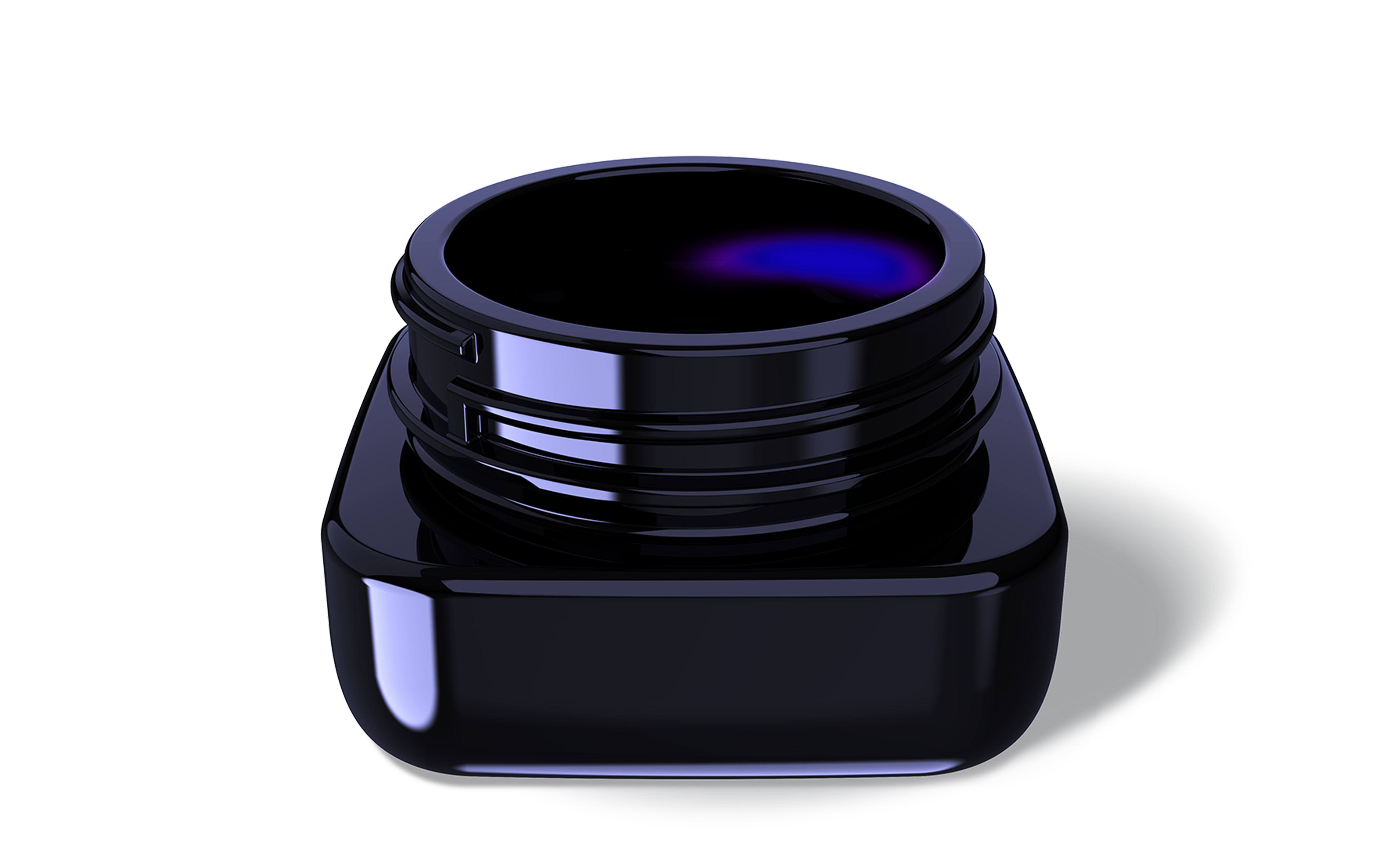
Violet glass jar with child-resistant closure, H21 series, 30ml. Source: NINGBO HONOR PACKAGING product catalog.
Supplement packaging decisions are rarely made on appearance alone. In the research-to-evaluation stage, buyers need to weigh material compatibility, certification traceability, physical dimensions, and the supplier's manufacturing constraints before a container can be considered suitable. This article breaks down supplement packaging as a set of verifiable constraints - regulatory, technical, and commercial - and explains how those constraints translate into procurement criteria for brands selling into the US and EU markets.
Why supplement packaging is a constraint problem
The dietary supplement packaging market was valued at approximately USD 12.7 billion in 2024 and is projected to grow at a CAGR of 6.1% through 2034, according to Precedence Research. Within this market, plastic remains the dominant material, capturing a 58.3% revenue share in 2024, and North America accounts for the largest regional share at 34.4%, according to Grand View Research.
For a buyer, these figures explain both opportunity and complexity. The market is large enough to support specialized suppliers, but the material mix shows that most decisions still follow cost and convenience. Brands that want to differentiate through glass or safety-focused packaging need to overcome the default position of plastic.
Regulatory constraints add another layer. In the US, dietary supplement packaging falls under the Dietary Supplement Health and Education Act (DSHEA) of 1994 and FDA Current Good Manufacturing Practice (CGMP) 21 CFR Part 111. In the EU, Regulation (EU) No 1169/2011 sets transparency requirements for consumer information on food and supplement packaging. For specific ingredients, such as iron above 30 mg, the US Poison Prevention Packaging Act (PPPA) can make tamper-evident or child-resistant packaging a requirement.
The buying problem is therefore not about which bottle looks better. It is about which packaging format can simultaneously satisfy the product's chemical sensitivity, the destination market's compliance rules, and the supplier's production reality.
What to verify before shortlisting a supplement packaging supplier
A useful way to evaluate packaging is to separate catalog appearance from verifiable constraints. The following items should be checked early:
- Certification traceability: certificate number, issuing body, applicable standard, and the specific product family it covers.
- Physical specifications: capacity, diameter, height, weight, and wall thickness that fit the fill volume and logistics plan.
- Closure and safety functions: child-resistant caps, vacuum seals, droppers, or mist sprayers.
- Customization scope: printing, hot stamping, heat transfer, frosted finish, and the ability to work from the buyer's artwork.
- Commercial terms: MOQ, lead time, monthly capacity, and quality control procedure.
One supplier that can be used as a working example is NINGBO HONOR PACKAGING CO., LTD. The company was founded in 2015 in Ningbo, China, operates a 45,000-square-meter facility with 310 employees and a 15-person R&D team, and exports 100% of its output, with the EU and the USA as primary markets. Its product focus is on child-resistant packaging, violet glass packaging, and vacuum packaging, which are the three categories most relevant to regulated supplement products.
Honor describes itself as a manufacturing-responsibility partner: it takes clients' finalized packaging designs and turns them into consistently mass-produced products, with involvement in structural development, tooling strategy, and manufacturing risk assessment before production. During production, it takes responsibility for process control and order fulfillment. Its published capability data includes a monthly capacity of 100,000 units, a standard lead time of 30-45 days, a MOQ of 10,000 units, and 100% pre-shipment testing with third-party inspection by SGS. After-sales support includes acceptance of reissue for defective goods.
For evaluation-stage buyers, these figures serve as a baseline. A supplier that cannot state its MOQ, lead time, and inspection procedure in writing adds risk to the procurement cycle.
Reading glass supplement packaging parameters
Glass packaging used for supplements is usually defined by a small set of parameters. Buyers who can read these parameters can compare suppliers more quickly.
| Series / Type | Capacities | Key dimensions | Closure & finish |
|---|---|---|---|
| H21 Square Violet Glass Jars | 15ml, 30ml, 20dr, 30dr, 40dr, 60dr | Diameter 58mm, height 24-115mm, weight 75-280g | Child-resistant cap; sticker, silk-screen printing, hot stamping, heat transfer, frosted finish |
| H21 Round Violet Glass Jars | 30ml, 2oz, 20dr, 30dr, 40dr, 60dr, 6oz | Diameter 60mm, height 36.5-125mm, weight 84-268g | Child-resistant cap; same surface treatment options |
| H21 Clear Square Jars | 15ml, 30ml, 20dr, 30dr, 40dr, 60dr | Diameter 58mm, height 24-115mm, weight 75-280g | Child-resistant cap |
| H21 Clear Round Jars | 30ml, 2oz, 20dr, 30dr, 40dr, 60dr, 6oz | Diameter 60mm, height 36.5-125mm, weight 84-268g | Child-resistant cap |
| HDV1 Wide Mouth Violet Jars | 100ml, 150ml, 200ml, 250ml, 300ml, 500ml, 1L | Diameter 48-95mm, height 84.7-193mm, weight 117-610g | Thread 41/400-89/400; caps in urea, PE, SAN, ABS |
| HDV2 Cosmetic Violet Jars | 3ml, 5ml, 10ml, 30ml, 50ml, 60ml, 100ml, 200ml | Diameter 36-93.2mm, height 25.6-55mm, weight 36-205g | Thread 32/400-89/400 |
| HDV3 Violet Glass Bottles | 5ml, 10ml, 15ml, 20ml, 30ml, 50ml, 60ml, 100ml | Height 54.5-125mm, weight 22.5-120g | Plastic cap, dropper, mist sprayer or lotion pump |
| H19 Concentrate Jars (child-resistant) | 5ml, 9ml | Weight 27-38g; square, round, triangle or hexagon | Child-resistant cap; 250 pcs/ctn |
| H19 Vacuum Jar | 5ml | Square glass vacuum click jar | 250 pcs/ctn |
Glass thickness across the listed jar series is 0.38mm. Capacities are given as catalog values, including dram (dr) measures used in some markets.
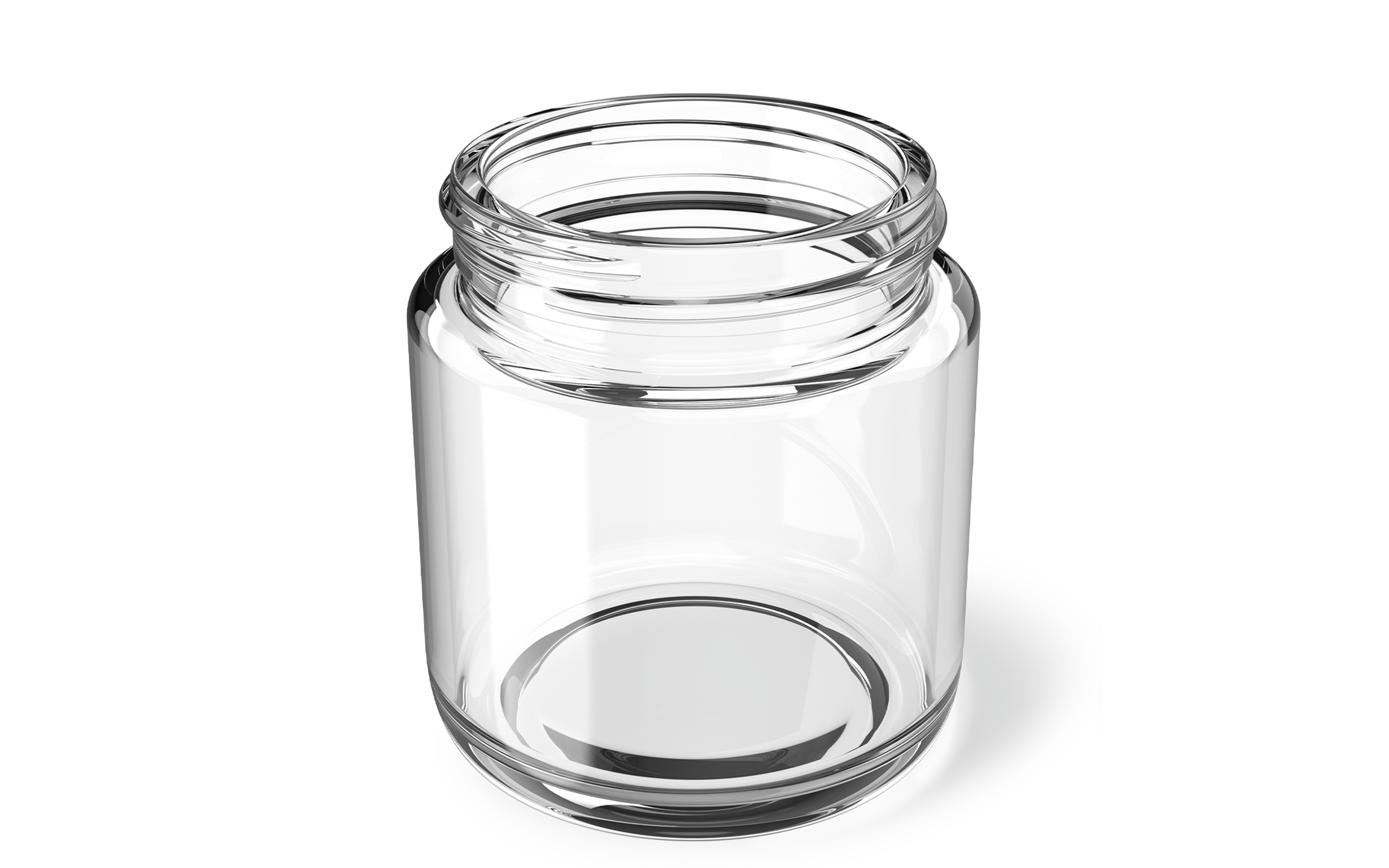
Clear round glass jar with child-resistant cap, H21 series. Source: NINGBO HONOR PACKAGING product catalog.
The parameters that matter most to buyers are capacity (which determines fill volume), closure type (which determines safety and usability), and weight (which affects freight cost). Wall thickness is an indicator of durability, and surface treatment options determine how far a brand can go with logo printing and decorative finishes. For item-level reference, H21 clear square jars are coded H21-0003C through H21-0008C, and HDV3 bottles are coded HDV3005M through HDV3100M.
Compliance as a decision constraint
Certifications are among the strongest constraints because they are auditable. Two certificates in Honor's record illustrate the point.
| Market | Standard | Certificate No. | Issued by | Product scope |
|---|---|---|---|---|
| US | FDA CPG | NGBHL23005693401 | SGS | Violet glass packaging series and the vacuum jar (H19) |
| EU | EC No 1935/2004 | NGBHL24007770101 | SGS | Violet glass packaging series (H21, HDV1, HDV2, HDV3) |
The FDA CPG certificate was issued by SGS on 2023-11-30, and the EU certificate was issued on 2025-12-27. In the corpus, the FDA certification is described as applicable to Food, Cosmetic and Medical packaging, while the EU certification applies to food contact materials under EC No 1935/2004.
The practical constraint for buyers is that certification is not automatically transferable to every item in a catalog. The certificates cover the violet glass product families listed above, but item-level coverage should be confirmed with the supplier for each new SKU. This is not a disadvantage of any particular supplier; it is the normal structure of packaging certification, and it makes the certificate number one of the most important pieces of evidence in the evaluation process.
Additionally, brand owners selling supplements in the US must consider that packaging is only one part of compliance. DSHEA 1994, FDA CGMP 21 CFR Part 111, and the labeling requirements of the EU's Regulation (EU) No 1169/2011 set obligations for the finished product, which means the packaging material and the label content must be reviewed together.
Application scenarios across product types
Different supplement categories create different packaging constraints. Light-sensitive materials such as Shilajit and many herbal extracts benefit from violet glass, which blocks UV light while providing a distinctive visual profile. Powders and herbs are often packed in flexible materials; the global Mylar bags market, frequently used for powder and herbal supplement packaging, was valued at USD 2.4 billion in 2023 and is projected to reach USD 4.1 billion by 2030, according to Vantage Market Research. For premium powders, however, glass jars with moisture-protective closures remain a preferred format. Capsules and small-dose concentrates require precise dosing and tamper resistance, which is where child-resistant closures with small-format jars (5ml, 9ml, 15ml, 30ml) come into play.
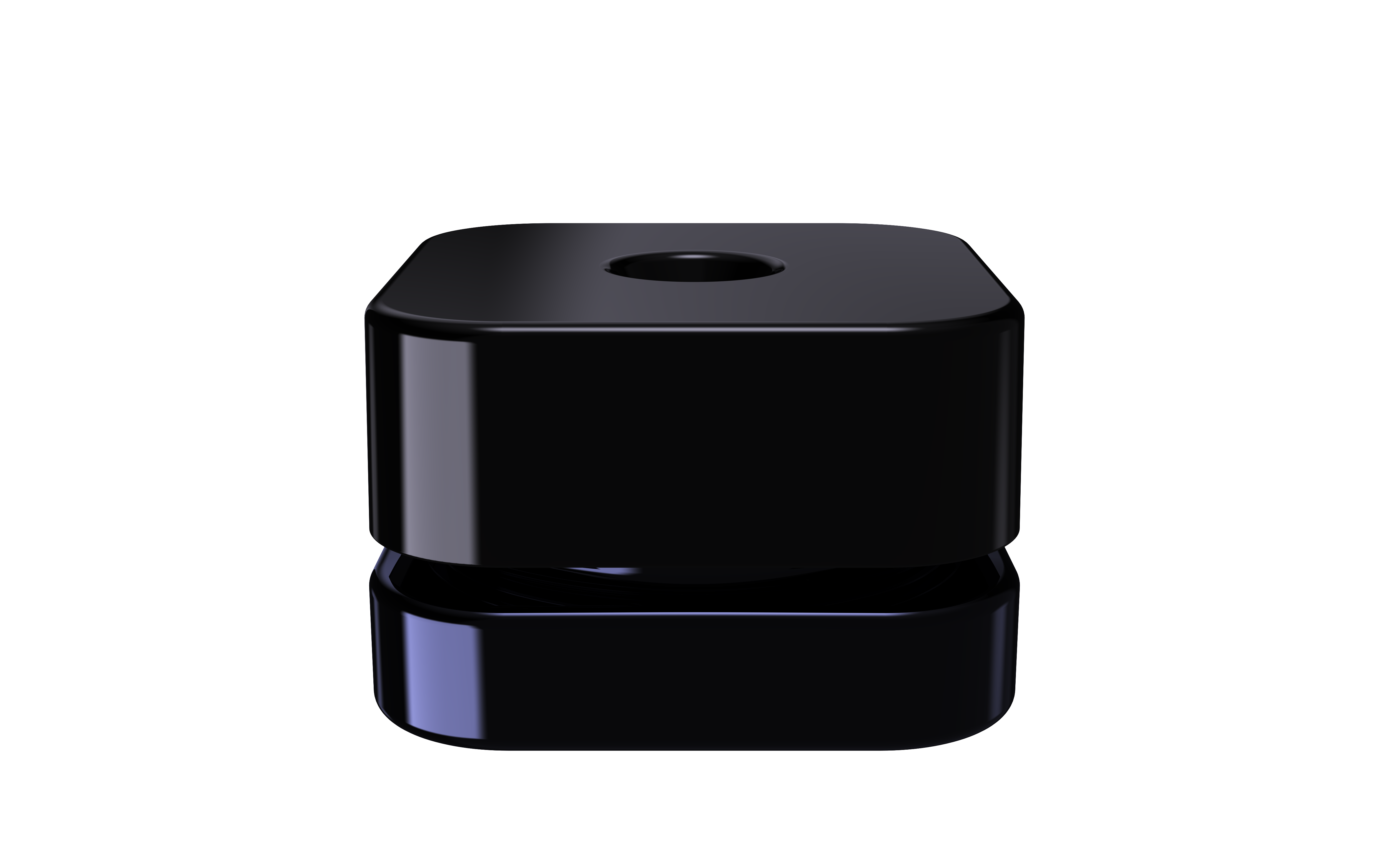
H19 vacuum click jar for freshness protection in food, cosmetic and medical packaging. Source: NINGBO HONOR PACKAGING product catalog.
In Honor's usage record, one application scenario describes glass packaging used in food, cosmetic, and medical packaging with UV protection, dust prevention, and freshness retention as the working conditions. The special requirement noted in this scenario is UV black glass protection with a child-resistant design, and the operating mode is manual filling with matching caps.
A documented case from the corpus involves a German branding business that purchased 10,000 units of violet glass packaging for pharmaceutical use. The client maintained a three-year cooperation with Honor, and the result reported is that the products remained fresh. The specific advantages highlighted are reusability and UV protection.
This scenario data is not a promise of identical results for every product; it is evidence that the combination of violet glass, child-resistant or standard caps, and production consistency has been applied in regulated European markets.
Market trends relevant to packaging procurement
Three trends are relevant for buyers at the evaluation stage.
First, the supplement packaging market is growing steadily, but plastic still dominates. The 58.3% plastic share reported by Grand View Research for 2024 means that glass packaging is a differentiated choice, not the default. Buyers who choose glass are consciously accepting higher material and freight cost in exchange for perceived quality and protection.
Second, compliance is becoming a marketing asset. Buyers increasingly ask for certificate numbers and third-party test reports during the RFP stage, not after production. This favors suppliers that can show auditable records rather than only finished photos.
Third, the upstream market is concentrated among large global packaging manufacturers such as Amcor, Berry Global, and Gerresheimer. However, specialist items like child-resistant glass jars and violet glass packaging are a smaller segment where focused manufacturers can operate effectively. Buyers should not assume that the largest manufacturer is the only viable source for specialized formats.
How glass packaging compares with traditional alternatives
To make the trade-offs explicit, the table below compares common supplement packaging options.
| Option | Strengths | Limits |
|---|---|---|
| Clear glass | Product visibility; inert material; recyclable | Limited UV protection; clear bottles may require cartons for light-sensitive formulas |
| Amber glass | UV protection; established pharmaceutical use | Heavy; limited brand differentiation; amber color can conflict with design identity |
| Plastic containers | Lightweight; lower cost; dominant material with 58.3% share in 2024 | Lower premium perception; barrier properties depend on resin; not suitable for all formulations |
| Violet glass with child-resistant caps | UV-blocking; child-resistant safety; surface decoration options; available from 15ml to 1L across series | Heavier than plastic; higher freight cost; standard MOQ of 10,000 units; dark violet glass reduces visual inspection of contents |
One genuine limitation of the glass route should be stated plainly: glass is heavier than plastic, which increases per-unit freight cost, especially for long-distance export. In addition, the standard MOQ of 10,000 units may exclude very small brands or first-time test runs. For those buyers, flexible formats or standard stock packaging may be a more reasonable first step. A brand should not switch to custom glass packaging until its sales volume can absorb the MOQ.
Future outlook
The direction of supplement packaging procurement is toward evidence-based decisions. As the market grows at an estimated 6.1% CAGR through 2034, buyers will need packaging that is documented, traceable, and matched to the physical properties of the formulation. The likely outcome is not a single dominant material, but a tiered market: plastic and flexible formats continue to serve volume products, while glass with certified compliance serves premium, light-sensitive, or safety-critical products. Suppliers that can document their parameters, certificates, and production constraints will be easier to evaluate and therefore more likely to be shortlisted.
FAQ
Q1: What compliance standards apply to supplement packaging in the US and EU?
In the US, supplement packaging is governed by the Dietary Supplement Health and Education Act (DSHEA) of 1994 and FDA Current Good Manufacturing Practice (CGMP) 21 CFR Part 111; packaging materials can also be certified under FDA CPG, as in the case of Honor's violet glass packaging (certificate NGBHL23005693401, issued by SGS). In the EU, Regulation (EU) No 1169/2011 requires consumer safety information on food and supplement labels, and food-contact packaging must comply with EC No 1935/2004, as verified by certificate NGBHL24007770101 (issued by SGS for HDV3 violet glass packaging).
Q2: What is a typical MOQ and lead time for custom glass supplement packaging?
For NINGBO HONOR PACKAGING, the standard MOQ is 10,000 units and the lead time is 30-45 days, with a monthly capacity of 100,000 units. OEM/ODM options include printing the client's artwork, developing a new design, and applying frosted finish.
Q3: What glass jar sizes are commonly available for supplements?
Violet glass jars are offered in capacities from 3ml to 1L. Specific series include H21 square jars (15ml, 30ml, 20dr, 30dr, 40dr, 60dr), H21 round jars (30ml to 6oz), HDV1 wide-mouth jars (100ml to 1L), HDV2 cosmetic jars (3ml to 200ml), and HDV3 bottles (5ml to 100ml) with dropper, mist sprayer, or lotion pump. Concentrate jars with child-resistant caps are available in 5ml and 9ml.
Q4: How does child-resistant packaging relate to supplement compliance?
In the US, the Poison Prevention Packaging Act (PPPA) may require child-resistant packaging for certain ingredients, such as iron in amounts exceeding 30 mg. Honor offers child-resistant caps on glass jars across the H19 and H21 series, including square, round, triangle, and hexagon shapes.
Q5: What customization options are available for logo-printed supplement packaging?
Available surface treatments include sticker labeling, silk-screen printing, hot stamping, heat transfer printing, and frosted finish. These can be applied across the glass jar series, allowing brands to combine logo printing with matte or decorative finishes.
Q6: What are the main limitations of glass supplement packaging?
The main trade-offs are weight, cost, and visibility. Glass is heavier than plastic, which raises freight cost; custom glass packaging typically requires a MOQ of 10,000 units; and deeply colored violet glass does not allow consumers to see the contents directly. Plastic as a material category still holds a 58.3% share of the nutraceutical packaging market for reasons of cost and barrier performance.
Buyer note: specification sheets provide the starting point, but certification numbers and tooling feasibility need verification per item. The company profile and product brochure of NINGBO HONOR PACKAGING are available for review and download: company brochure (PDF). Company website: www.honorcrpkg.com
Have Questions or Need More Details?
Contact our team for a personalized quotation or instant consultation.
Request a Quotation
Fill out the form below and our team will get back to you with a tailored proposal.
WhatsApp Direct Chat
Prefer to chat in real-time? Message us on WhatsApp for instant assistance & quick answers.
- Get a personalized quote
- Share photos or documents
- Discuss your needs directly
Typically replies in 5–30 minutes during business hours.