
Wipes Liquid Decision Guide: Balancing Cost, Safety & Performance in 2026
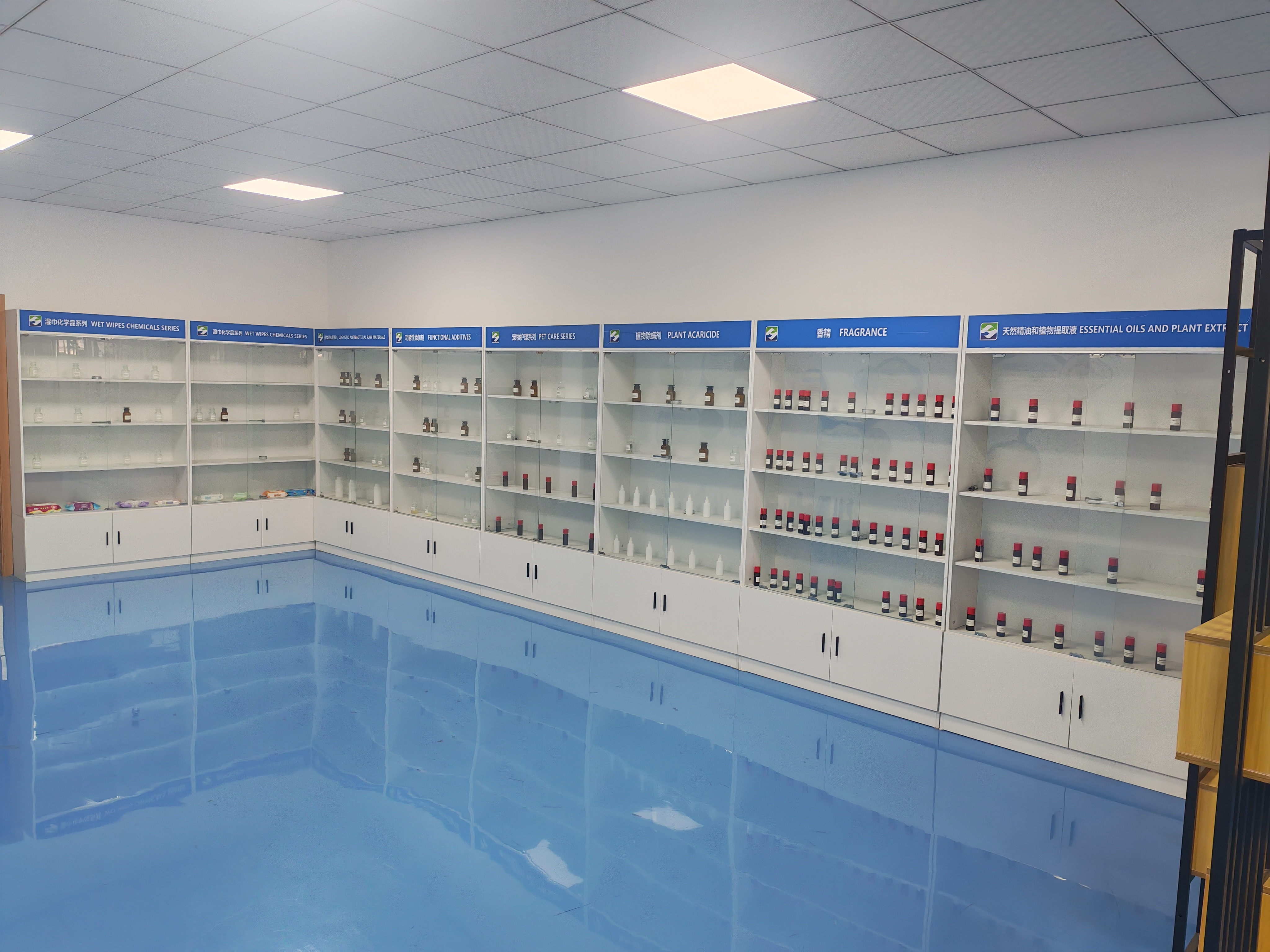
Evaluating formulation trade-offs: cost, safety, and performance across wipes liquid options.
From Commodity to Strategic Choice: The Wipes Liquid Procurement Crossroads
The global wet wipes market is projected to reach USD 22.85 million by 2031, with baby wipes alone accounting for nearly 40% of revenue in 2025. As demand for specialized wipes—antibacterial, baby care, personal care—intensifies, the liquid formulation inside the package has become the single most critical differentiator for brands. Xiamen Huaqiangda Biotechnology Co., Ltd., a China-based OEM and private label wipes liquid manufacturer, offers a formulation package that explicitly positions itself against traditional wet wipes liquid formulas and low-cost generic wipes solutions. This article provides a comparative decision framework for procurement teams evaluating performance, cost, and compliance trade-offs in wipes liquid sourcing.
The Problem: Generic Formulations No Longer Meet Market Expectations
Conventional wipes liquid—often based on low-cost surfactant blends, aggressive preservatives, or high-alcohol concentrations—satisfy basic wetting needs but fall short on modern requirements: skin sensitivity, antibacterial stability, production line compatibility, and environmental claims. With alcohol-based formulations holding 38.5% of the disinfectant wipes market share in 2025 and natural/organic variants growing at a 2.96% CAGR through 2031, buyers face a widening gap between price-driven sourcing and performance-driven branding. The result is either higher complaint rates from end users or quality inconsistencies during high-speed manufacturing.
A Formulation Package Built for Decision-Makers
Xiamen Huaqiangda's wipes liquid formulation is engineered to address these gaps. Compared to traditional wet wipes liquid formula and low-cost generic wipes solution, this product offers distinct advantages: better moisturizing performance, gentler ingredients, higher antibacterial stability, and improved compatibility with high-speed production lines. These claims are supported by measurable performance gaps documented during client application: moisture retention improved by 30%, antibacterial effectiveness reaches ≥99.9%, and production downtime is reduced by 25% due to lower machine residue and reduced nozzle blockage. The raw material cost is approximately 10% higher than generic alternatives, but the customer complaint rate is reduced by 40%, and long-term brand value improves correspondingly.
Technical Advantages Under the Hood
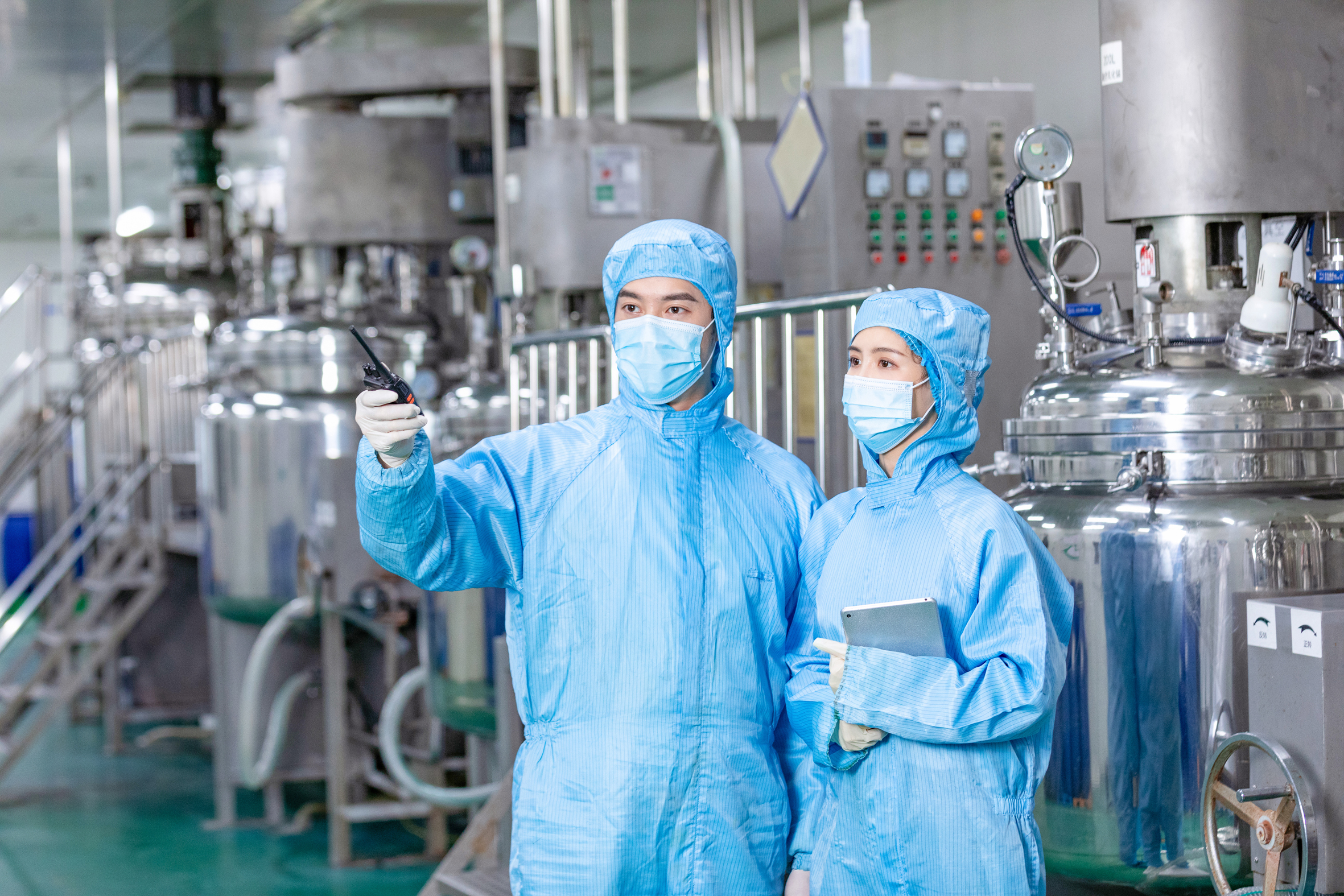
The performance edge lies in several interlinked technical choices:
- Preservative system stability: A multi-stage filtration system combined with pH balance control and a stable preservative system prevents microbial contamination—a common risk in low-cost liquids.
- Skin-friendly surfactants: Gentler ingredients reduce irritation potential for baby and sensitive skin applications, addressing the growing demand for hypoallergenic and natural wipes liquid ingredients.
- Production line compatibility: The formulation leaves lower residue on rollers and nozzles, reducing maintenance frequency and enabling 20% higher production efficiency in automated wipes manufacturing lines.
All batches undergo 100% raw material inspection, batch sample retention, production in a 100,000-level clean workshop, real-time quality monitoring, and third-party laboratory testing—a risk control framework that covers microbial contamination, formula instability, skin irritation, and preservative failure.
Application Scenarios Across End-Use Segments
This formulation is suitable for baby wipes production, antibacterial wipes manufacturing, household cleaning wipes, personal care wipes, and premium private label wipes production. In each scenario, the balance of moisturizing performance, antibacterial stability, and cost contributes to distinct procurement priorities:
| Application | Primary Decision Driver | Formulation Match |
|---|---|---|
| Baby wipes | Skin safety, alcohol-free certification | Gentler surfactants, pH‑balanced, no alcohol |
| Antibacterial wipes | ≥99.9% kill rate, sustained stability | Optimized preservative + antibacterial system |
| Personal/hygiene wipes | Moisturizing feel, low residue | Moisture retention 30% higher than generic |
| Household cleaning wipes | Cost vs. efficacy for high-volume | 10% higher cost but 40% fewer complaints |
| Private label / premium | Brand differentiation, long-term value | Customizable moisturizing, fragrance, eco-claims |
Market Trends Reinforcing the Switch
Several structural shifts support the move away from generic liquids:
- The natural and organic wipes segment is projected to expand at a 2.96% CAGR through 2031, driven by demand for alcohol-free and skin-friendly formulations.
- The disinfectant wipes market, valued at USD 8.4 billion in 2025, is forecasted to reach USD 14.7 billion by 2034 (CAGR 6.4%), underscoring sustained demand for antibacterial and medical-grade liquids.
- Regulatory alignment—wet wipes for cleansing/moisturizing skin are regulated as cosmetics under EU Regulation (EC) No 1223/2009 and FDA guidelines, requiring compliant preservative systems and safety assessments.
Comparing the Optimized Formulation with Traditional and Low-Cost Alternatives
When stacked against a typical low-cost wipes solution, the optimized formulation delivers undeniable performance advantages but carries a modest cost premium. Below is a transparent comparison based on documented data:
| Dimension | Optimized Formulation (Huaqiangda) | Traditional / Generic Solution |
|---|---|---|
| Moisture retention | +30% improvement | Baseline (industry average) |
| Antibacterial effectiveness | ≥99.9% (stable) | Variable; may degrade over time |
| Production line compatibility | 20% higher throughput; 25% less downtime | Frequent nozzle blockages and machine residue |
| Raw material cost | ~10% higher | Lower initial cost |
| Customer complaint rate | 40% lower | Higher (irritation, odor, wetness issues) |
| Long-term brand value | Improved (repeat purchase, premium position) | Commodity perception, price pressure |
One honest limitation: The raw material cost premium of ~10% can be a barrier for price-sensitive buyers targeting the lowest-possible unit cost. However, the reduction in complaint rates and production downtime often offsets this gap, particularly in high-volume contracts where brand reputation and line efficiency matter.
Future Outlook: Customization as a Differentiator
As the wipes liquid market matures, the winning approach will be a strategic formulation – not a one-size-fits-all liquid. Buyers will increasingly segment their sourcing: a premium line with hypoallergenic, moisturizing, and fragrance options co-sourced alongside a cost-optimized bulk line. Xiamen Huaqiangda's ability to provide OEM/ODM support across baby wipes, antibacterial wipes, makeup remover wipes, kitchen wipes, pet wipes, flushable wipes, and industrial cleaning wipes positions it as a flexible partner rather than a single-formula supplier. The company operates a 2,000 m² facility with a 100,000-level clean workshop and employs five R&D engineers to tailor formulations. With 60% of output exported to Central Asia, Southeast Asia, and South America, it already serves geographically diverse compliance requirements.
Frequently Asked Questions
Q: How does the optimized formulation compare with low-cost generic wipes liquid in terms of cost and quality?
A: The raw material cost is approximately 10% higher, but customers report a 40% lower complaint rate and 20% higher production efficiency due to reduced downtime. Long-term brand value improves through fewer returns and better end-user satisfaction.
Q: What specific performance improvements can be expected on automated production lines?
A: The formulation leaves lower residue on rollers and nozzles, reducing maintenance frequency and nozzle blockage. Production downtime is reduced by 25%, and overall throughput improves by 20% compared to traditional formulas.
Q: For which types of wipes products is this formulation best suited?
A: It is optimized for baby wipes (gentle, alcohol-free), antibacterial wipes (≥99.9% kill rate), household cleaning wipes, personal care wipes, and premium private label wipes. Each scenario can leverage specific aspects of the formulation (moisturizing, antibacterial stability, or production compatibility).
Q: What risk control measures does the supplier implement to ensure consistency?
A: Xiamen Huaqiangda employs 100% raw material inspection, batch sample retention, clean workshop production (100,000-level), real-time quality monitoring, and third-party laboratory testing. This multi-stage framework controls microbial contamination, formula instability, skin irritation, and preservative failure risks.
For OEM and private label partners requiring detailed specifications, download the company brochure: Xiamen Huaqiangda Biotechnology Co., Ltd. – Wipes Liquid Product Brochure
Have Questions or Need More Details?
Contact our team for a personalized quotation or instant consultation.
Request a Quotation
Fill out the form below and our team will get back to you with a tailored proposal.
WhatsApp Direct Chat
Prefer to chat in real-time? Message us on WhatsApp for instant assistance & quick answers.
- Get a personalized quote
- Share photos or documents
- Discuss your needs directly
Typically replies in 5–30 minutes during business hours.