
Wire Container Procurement in 2026: How Global Buyers Can Secure Efficient Sourcing and Minimize Supply Chain Risks
For procurement professionals tasked with sourcing industrial wire containers, the challenge goes beyond price comparison. Inconsistent quality, hidden structural defects, delayed deliveries, and compliance gaps can disrupt entire supply chains. This article examines how advanced manufacturing practices and rigorous quality assurance are reshaping the procurement landscape — helping buyers make informed, risk-mitigated decisions in 2026.
The Hidden Costs of Inefficient Wire Container Sourcing
Industrial wire containers — also known as wire mesh storage containers, collapsible wire containers, or heavy duty wire containers — are the backbone of modern logistics, warehousing, and production lines. Yet many global buyers still face recurring issues: inconsistent dimensions that cause stacking instability, substandard welds leading to premature failure, and poor surface treatments that rust within months.
According to industry estimates, supply chain disruptions caused by equipment failure can cost manufacturers up to 5% of annual revenue. For buyers of wire storage containers, the risks are amplified when sourcing from suppliers lacking transparent quality control processes. The result is not only increased total cost of ownership but also safety hazards in high-stacking environments.
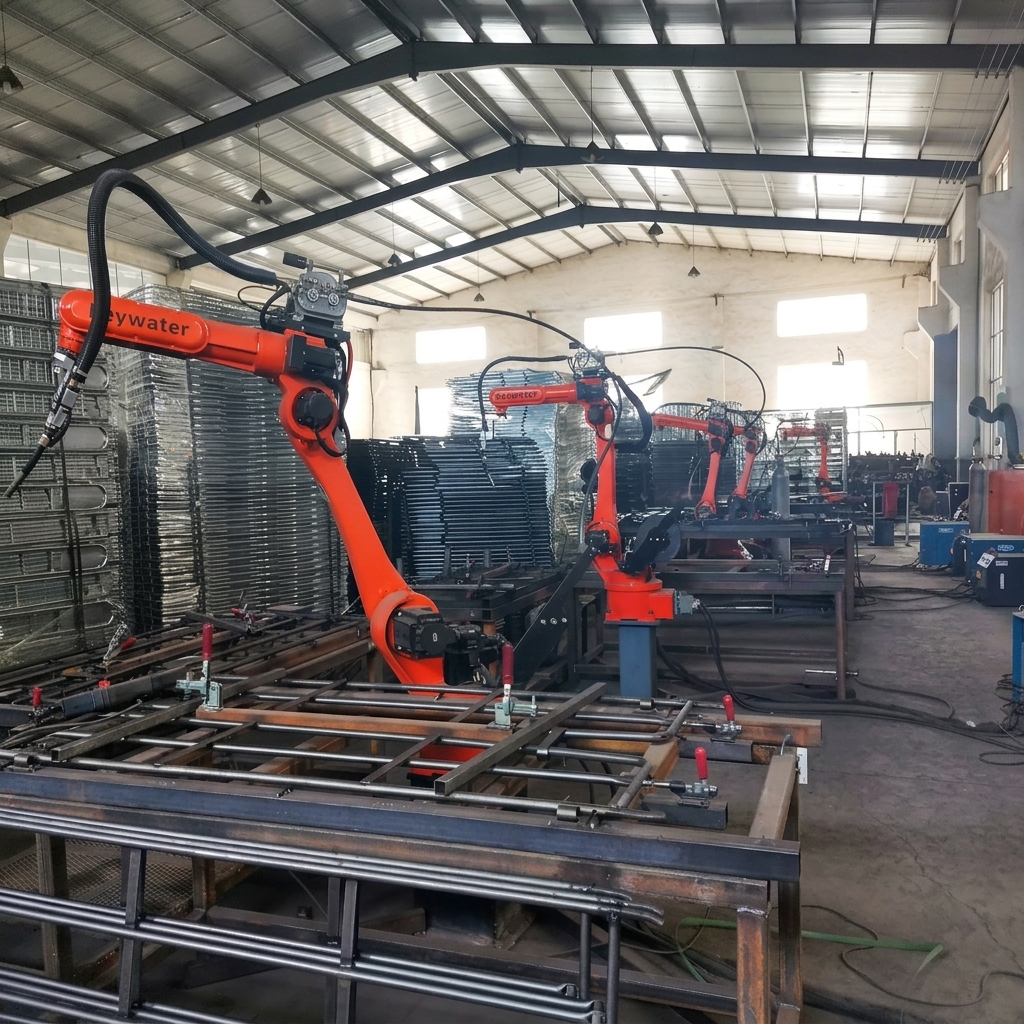
The Shift Toward Data-Driven Procurement
Forward-thinking buyers are moving beyond simple RFQs. They now demand verifiable data points: material certifications, coating thickness reports, weld strength tests, and real-world loading evidence. The PET preform wire container sector, for instance, requires ultra-smooth surfaces to protect delicate plastic preforms, while the wine industry demands corrosion-resistant finishes for high-humidity cellar environments. These specialized requirements amplify the need for suppliers with proven technical capabilities.
One manufacturer leading this shift is HM Group, headquartered in Dalian, China. Founded in 2003, HM Group operates three manufacturing bases (Xiamen, Nanjing, and Qingdao) covering 62,000 m², with an annual output of 2 million units. The company’s export ratio stands at 100%, serving markets across EU, North America, Asia, and the Middle East.
Built-in Risk Control: From Design to Delivery
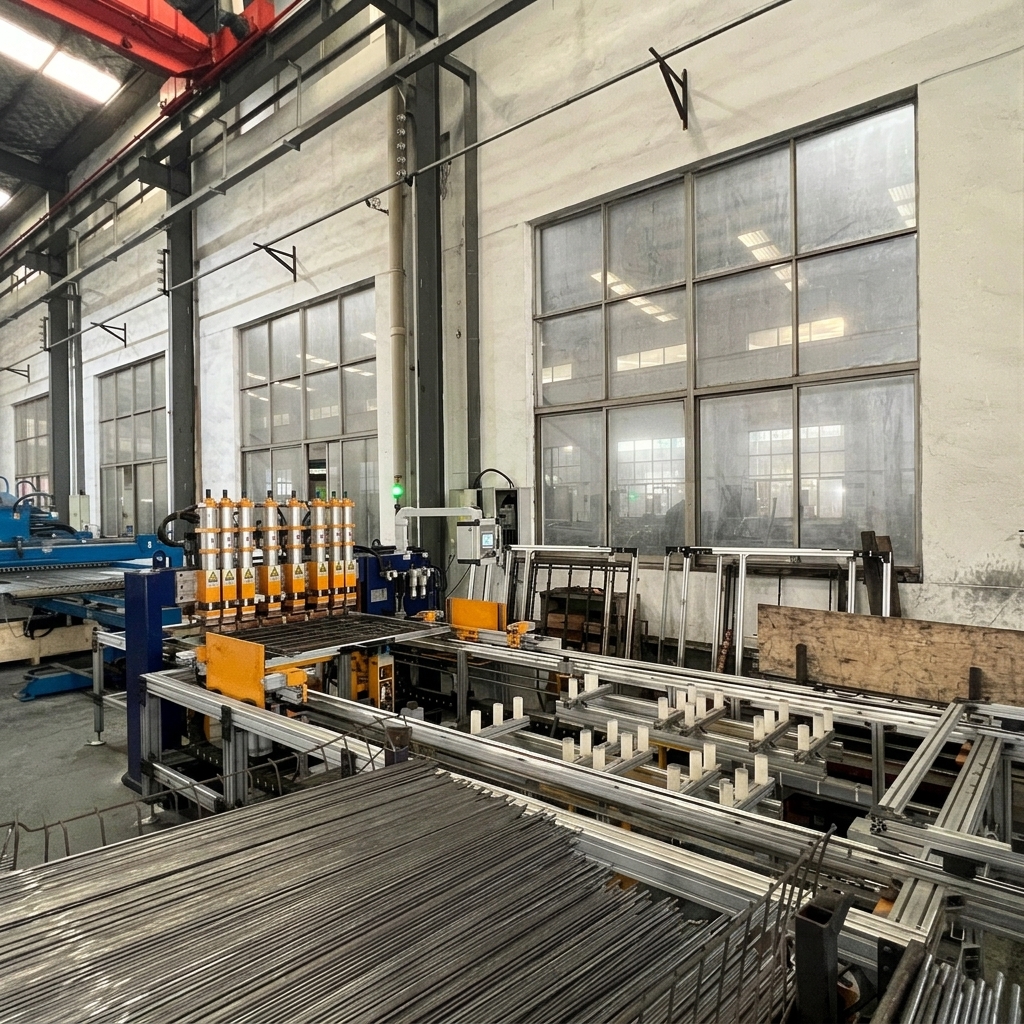
To address structural risks such as missing welds, non-vertical legs, or material deviations, HM Group implements a six-phase quality control protocol:
- Pre-production sample inspection
- Raw material inspection (grades Q235 vs Q195 are strictly segregated)
- Component inspection during wire drawing and welding
- Semi-finished product inspection (dimensional and verticality checks)
- Finished product inspection (load testing, coating thickness measurement)
- Packaging inspection for export safety
The company also holds an ISO 9001:2015 certification (cert. no. CN24/00004786 by SGS), a Made-in-China BV Audit Report, and an Alibaba.com verified Pro Supplier badge audited by SGS — all verifiable via third-party platforms.
Real-World Performance: Coca-Cola and Nestlé Case Studies
The capability of HM Group is demonstrated through high-profile deployments. For Coca-Cola South Africa, 5,000 units of PET preform wire containers (model HM-PPC22) enabled vertical stacking up to six tiers, increasing warehouse density by 400%. The open-mesh design allowed 100% visual stock checks, reducing counting time by half.
For Nestlé, 10,000 units were deployed across Pakistan and Costa Rica for centralized bulk storage of PET preforms. The containers achieved 4-high stacking stability and improved inventory identification speed by 40%. Both projects included optional PP sheet liners to maintain food-grade cleanliness.
Why Wire Containers Outperform Disposable Alternatives
Compared to solid plastic bins or corrugated cardboard boxes, wire mesh containers offer a 4:1 return ratio when folded, 100% inventory visibility, and a service life of 3–5 years. A typical wire container with casters or foldable wire container can reduce picking errors by 30% and reclaim up to 70% of floor space via vertical stacking. Although the upfront cost is about 30% higher than disposable packaging, the 100+ reuse cycles make the total cost per cycle significantly lower.
Streamlined Procurement & Compliance Support
HM Group simplifies global procurement with flexible terms: minimum order quantity of 1x20GP, standard incoterms (EXW, FOB, CIF, DDP, DDU), and payment options (30% T/T prepayment, 70% against B/L copy, or L/C). Pre-shipment inspection or third-party inspection is accepted, and the company offers a 3–5 year warranty under proper use.
To further reduce buyer risk, HM Group provides a transparent process: each unit undergoes 100% self-inspection, and customers can request a 10% pre-shipment sampling check along with assembly videos and loading photos.
Market Trends and Future Outlook
The global wire container market is projected to grow steadily as industries shift toward reusable, collapsible logistics assets. The rise of e-commerce fulfillment and automation in warehousing is driving demand for standardized, stackable containers that integrate with RFID and barcode tracking. Suppliers that combine engineering precision with verifiable certifications will be best positioned to serve long-term procurement partnerships.
For buyers, the key takeaway is clear: prioritize suppliers that offer complete technical transparency, third-party certifications, and proven industrial case studies — these are the benchmarks that ensure efficient sourcing and minimized risk in 2026 and beyond.
Have Questions or Need More Details?
Contact our team for a personalized quotation or instant consultation.
Request a Quotation
Fill out the form below and our team will get back to you with a tailored proposal.
WhatsApp Direct Chat
Prefer to chat in real-time? Message us on WhatsApp for instant assistance & quick answers.
- Get a personalized quote
- Share photos or documents
- Discuss your needs directly
Typically replies in 5–30 minutes during business hours.