
Zone-Based Selection of Automotive Wire Harness Connectors
Zone-Based Selection of Automotive Wire Harness Connectors
Automotive wire harness connector selection has become a zone-by-zone engineering decision rather than a single-catalogue choice. The global automotive wiring harness market was estimated at USD 89.54 billion in 2025, according to Precedence Research, and the connector content inside that base is increasingly specified against the environment a circuit will actually occupy. Engine bay, chassis, and body harnesses each impose a different combination of heat, vibration, moisture, and chemical exposure on components that may otherwise look interchangeable.
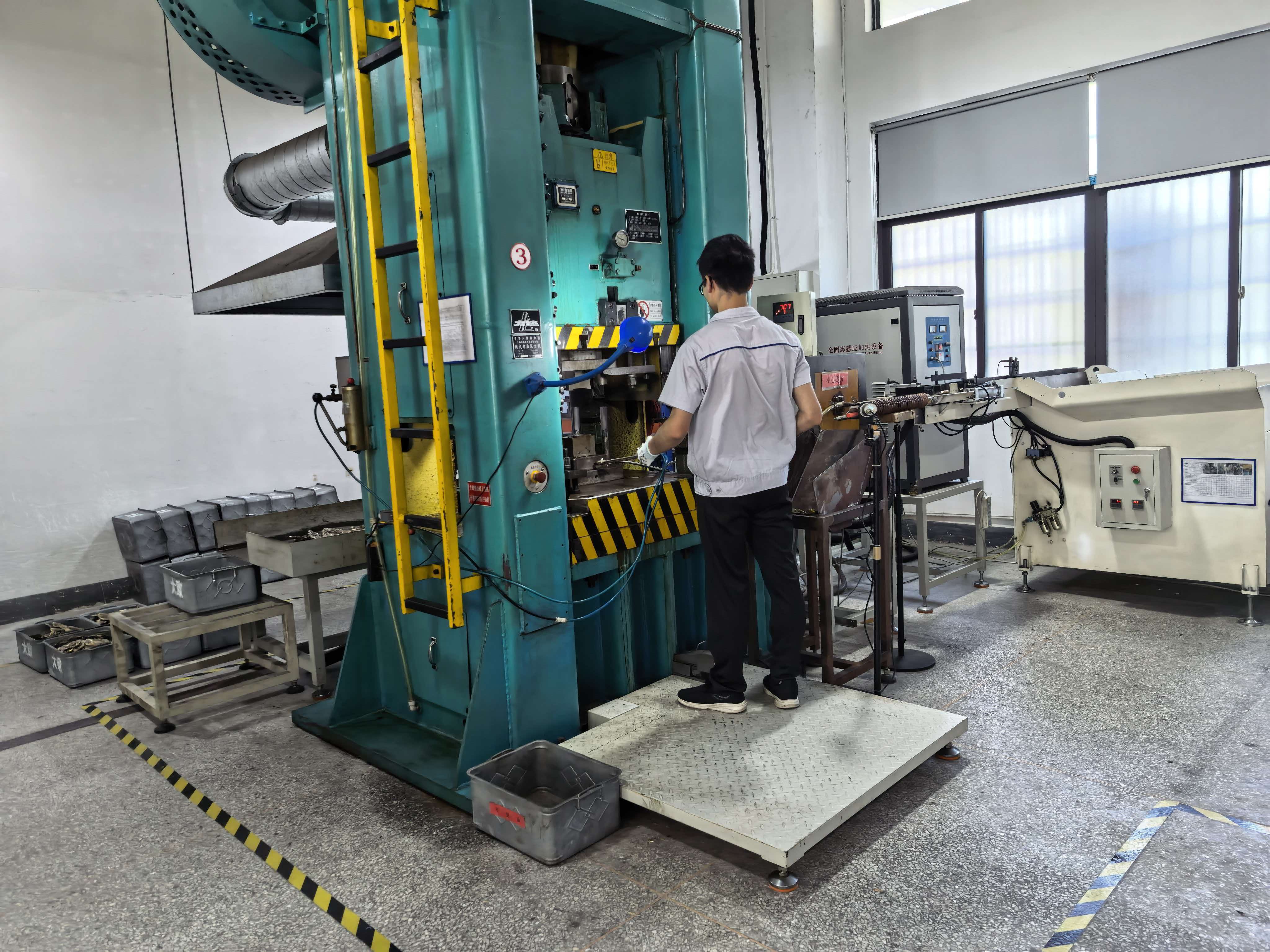
Connector production environment at Zhejiang Daou Electronics Co., Ltd., the manufacturer behind the CNDO automotive connector brand.
This article explains how zone fit should drive automotive wire harness connector selection, and it maps two CNDO components to the three principal vehicle zones: the D520023 three-way tube conduit connector in PA66, offered with IP66 or IP67 sealing gasket options, and the DOH0001-1 housing, rated IP67 with oil, acid, and alkali resistance. CNDO is the automotive connector brand of Zhejiang Daou Electronics Co., Ltd., a manufacturer of wire harness components, battery terminals, fuse boxes, connectors, and waterproof plugs that supplies OEM vehicle programmes and first-tier harness manufacturers.
Why Engine Bay, Chassis, and Body Circuits Demand Different Connectors
The three zones are engineering environments rather than marketing categories, and they produce measurably different stress profiles.
The engine bay is defined by heat and chemistry. Connectors in this zone sit close to the powerplant and the exhaust path, absorb continuous vibration, and are exposed to oil, coolant, and fuel mist as well as frequent high-pressure cleaning. The dominant failure modes are thermal ageing of the housing, hardening or compression set of the sealing element, and progressive degradation of the contact interface.
The chassis and underbody zone is defined by water and abrasion. Road spray, de-icing salt, standing water during wading, stone strike, and sustained vibration combine to make water ingress and corrosion the leading risks, with vibration loosening close behind. A connector that performs acceptably inside a cabin can fail quickly in this environment.
The body and cabin zone carries a lower mechanical load, but it is not benign. Humidity, condensation, assembly-time abrasion, and periodic contact with cleaning chemicals still apply, and body harnesses routed near the underbody can carry oil, acid, and alkali film from the road surface.
Those three profiles map onto the failure categories that CNDO designs its connector range against: overheating, poor contact, water ingress, vibration loosening, insulation breakdown, and corrosion.
Market scale explains why the distinction matters commercially as well as technically. Asia Pacific dominated the automotive wiring harness market with a 40.89% share in 2025, with China accounting for 62% of the region's revenue, according to Fortune Business Insights. Zone-level connector decisions are therefore repeated across an extremely large vehicle population.
What Zone Fit Means in Automotive Wire Harness Connector Selection
Zone fit is the practice of matching a connector's sealing class, housing material, locking mechanism, insulation level, and terminal plating to the specific environmental and mechanical load of the harness zone it will occupy. It replaces the older habit of carrying one connector family across an entire vehicle.
Six criteria carry most of the decision weight:
- Ingress protection class — the sealing level the connector must hold under the zone's actual water exposure, from jet cleaning to temporary immersion.
- Housing material — how the polymer behaves under sustained heat, chemical contact, and mechanical load over the service life.
- Mechanical retention — whether the locking structure resists vibration loosening across the duty cycle.
- Insulation level — increasingly relevant where higher-voltage circuits run, including battery pack and electrified drivetrain routing.
- Contact and terminal plating — the surface treatment that limits corrosion at the conductive interface.
- Chemical compatibility — the specific oils, acids, and alkalis present in the zone, referenced to the vehicle programme's fluid list.
Read together, these criteria convert a generic "waterproof connector" requirement into a defined specification that can be quoted, sampled, and validated.
Mapping CNDO Connectors to Engine Bay, Chassis, and Body
CNDO's automotive range covers wire harness and battery terminals, fuse boxes, connectors, waterproof plugs, and connectors for electric vehicle battery packs. Two components in that range show how zone fit is applied in practice.
Engine bay and chassis: the D520023 three-way tube conduit connector
The D520023 is a three-way tube conduit connector built in a PA66 housing and offered with IP66 or IP67 sealing gasket options. PA66 is a polyamide engineering thermoplastic widely used for automotive connector housings because it combines structural stiffness with heat and chemical tolerance, which aligns with the engine bay's mix of thermal load and fluid exposure.
The gasket option is the configurable element of the specification, and it is where zone fit becomes explicit:
- An IP66 gasket suits positions where the dominant water exposure is high-pressure jet cleaning or heavy splash, with a dust-tight housing.
- An IP67 gasket suits positions where wetting, pooling, or short-term immersion is credible — typically chassis routing, lower engine bay locations, and wading paths.
Because the connector body is shared, the same three-way tube conduit architecture can serve engine bay and chassis positions with different sealing configurations, and the seal remains a defined, replaceable element of the specification rather than an assumed property of the moulding.
Body and underbody: the DOH0001-1 housing
The DOH0001-1 housing is rated IP67 and is specified as resistant to oils, acids, and alkalis. That combination addresses the specific contradiction of the body zone: mechanical load is lower than in the engine bay, but chemical exposure from road film, cleaning agents, and underbody splash is not. For body harnesses routed near the underbody, the IP67 seal and the chemical resistance of the housing work together rather than as separate requirements.
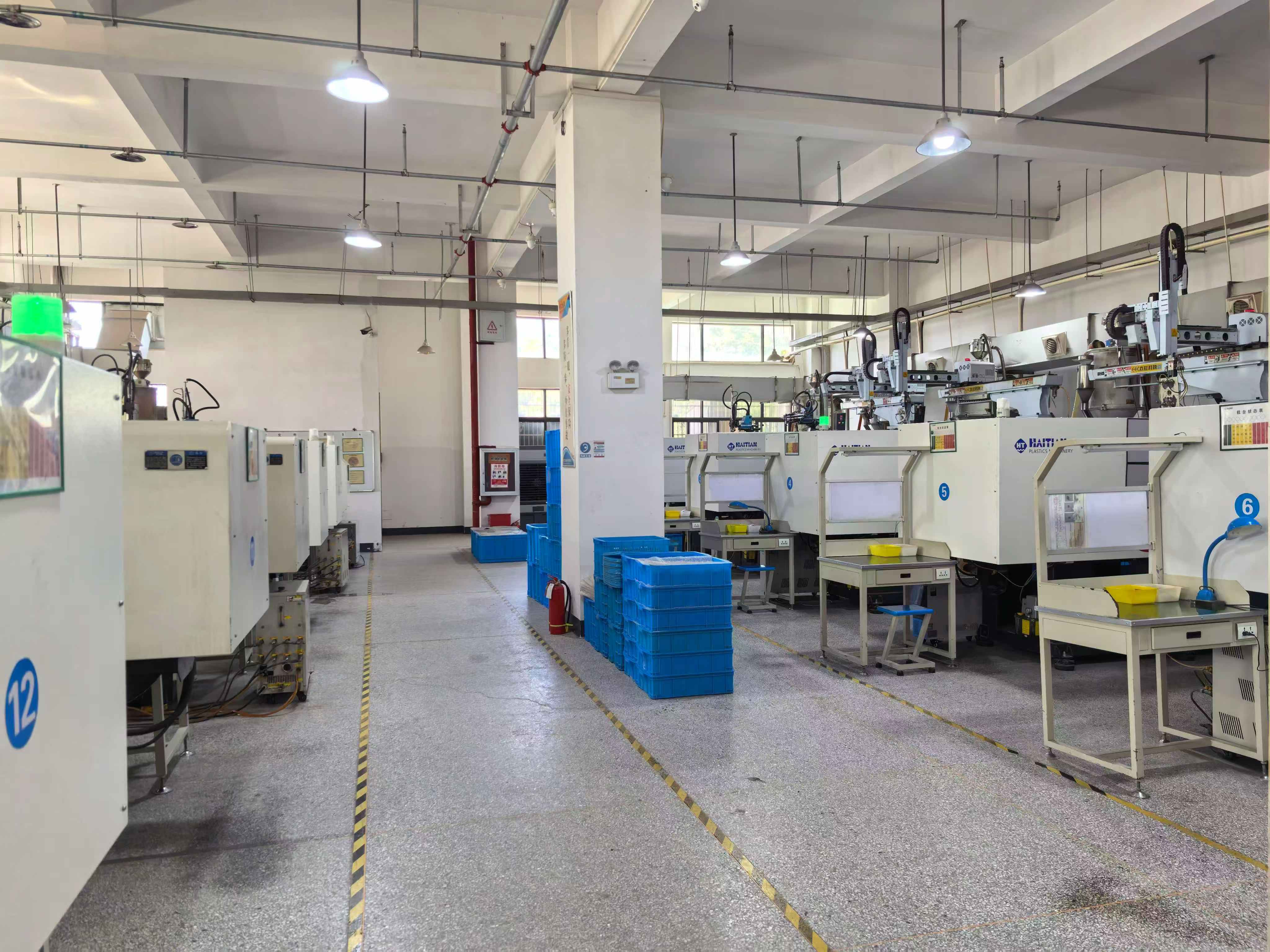
Production and inspection environment supporting CNDO connector supply for engine bay, chassis, and body harness zones.
Zone-to-component reference
| Vehicle zone | Dominant exposure | CNDO component | Attribute to verify |
|---|---|---|---|
| Engine bay | Heat, oil and fuel mist, continuous vibration, jet cleaning | D520023 three-way tube conduit connector (PA66) | IP66 or IP67 sealing gasket option per position |
| Chassis / underbody | Road spray, de-icing salt, wading, stone strike | D520023 with IP67 gasket option | Sealing class and anti-vibration locking structure |
| Body and cabin | Humidity, condensation, cleaning chemicals, road film | DOH0001-1 housing | IP67 rating plus oil, acid, and alkali resistance |
Technical Explanation: Sealing, Material, and Chemical Resistance
Ingress protection ratings use two digits. The first covers solids and the second covers liquids. IP66 describes a dust-tight housing protected against powerful water jets; IP67 describes a dust-tight housing protected against the effects of temporary immersion. The practical difference inside a vehicle is not cosmetic — a chassis connector that meets only jet-spray protection can still admit water when it sits in pooled water or a wading condition.
Sealing on the D520023 is handled by a gasket, which makes seal material and compression behaviour a legitimate procurement variable rather than an afterthought. When a programme moves from sample to series production, the gasket specification is one of the items that should be locked alongside the housing and terminal definition.
CNDO states that risk control across its connector range is achieved through thermal resistance protection, IP67 waterproof sealing, anti-vibration locking structure, high-voltage reinforced insulation, and anti-corrosion tin plating. Those five measures correspond closely to the failure modes described earlier: overheating, poor contact, water ingress, vibration loosening, insulation breakdown, and corrosion.
On the chemical side, the DOH0001-1 housing's stated resistance to oils, acids, and alkalis covers the fluid classes most often found on body and underbody routing. On the thermal side, engine bay heat load is addressed through thermal resistance protection rather than a single universal rating. Because thermal and chemical requirements are programme-specific, the exact temperature and fluid specification should be confirmed against the vehicle programme's requirement sheet at the quotation stage instead of being assumed from a catalogue value.
Application and Use Cases
Engine bay routing. Power distribution from the fuse box, sensor and actuator circuits around the powerplant, and any harness section positioned close to the exhaust path. These positions favour the D520023 with the sealing gasket matched to cleaning and splash exposure, and they depend on the anti-vibration locking behaviour built into the connector range.
Chassis and underbody routing. Wheel-speed and braking circuits, lighting and trailer connections, and underbody power runs. Exposed to standing water and de-icing salt, these positions place the greatest weight on the IP67 gasket option and on anti-corrosion tin plating.
Body and cabin routing. Door modules, interior power, lighting, and trunk sections. Here the DOH0001-1 housing's IP67 rating and its oil, acid, and alkali resistance match the combination of humidity, cleaning chemicals, and road film that reaches body-level connectors.
The same sealing logic extends across the wider CNDO portfolio, which also includes battery terminals, fuse boxes, waterproof plugs, and connectors for electric vehicle battery packs.
Building a zone map before quotation
A practical sequence helps prevent over-specification and under-specification at the same time. First, mark every connector position on the harness routing drawing and assign it to engine bay, chassis, or body. Second, record the water exposure of each position as jet cleaning, splash, or immersion risk. Third, list the fluids that reach the position, using the vehicle programme's fluid list rather than a general assumption. Fourth, match the position to a sealing class and a housing material, and confirm the gasket option on any connector that offers more than one. Fifth, verify the resulting specification against the programme's standards and validation plan. Zone mapping done at this stage is what allows a connector family to be used efficiently rather than uniformly.
Market Trend Analysis
Electrification is the strongest structural signal for connector specification. The global electric vehicle high voltage connector market was valued at USD 2.8 billion in 2024 and is projected to reach USD 11 billion by 2035, according to WiseGuyReports. Higher-voltage circuits raise the insulation requirement for connectors in every zone, not only inside the battery pack.
Two-wheeler electrification follows a similar pattern at a smaller scale. The global two-wheeler wiring harness market was valued at USD 3.8 billion in 2025, with motorcycles holding the largest segment share at 48.6%, according to Dataintelo.
Standards are turning zone-based thinking into procurement language. USCAR-2 is the primary performance standard for automotive electrical connector systems in North America and covers testing for low-voltage road vehicle applications, according to SAE International. LV214 is widely used by European German OEMs — Audi, BMW, Daimler, and Porsche — for terminal and connector testing requirements. A connector specified for export programmes may therefore need to satisfy both regimes, which pushes suppliers toward documented, repeatable testing rather than informal qualification.
Supply concentration remains a background factor. Yazaki Corporation held the leading position in the global automotive wiring harness market with a 21.4% share in 2025, according to Global Market Insights, while TE Connectivity, Amphenol, and Molex rank as the top three global connector manufacturers, with TE Connectivity reaching USD 12.88 billion in sales for 2024, according to Bishop & Associates. Regionally focused suppliers build their position in this structure through zone-specific specification support rather than through scale alone.
Comparison with Traditional Solutions
CNDO's comparison data for its automotive-grade connectors cites improved service life of 60%, a vibration resistance grade three levels higher, IP67 versus IP54 waterproof performance, and 10%–20% lower cost relative to traditional automotive wire harness connectors. The same comparison attributes a 25% improvement in daily output efficiency to high-precision automated production and links stable, low-resistance conductive performance to reduced vehicle power consumption loss.
Those figures are supplier-published and directional. They should be read alongside the practical boundaries of zone-based selection rather than instead of them.
- Higher sealing classes cost more and take more space. A cabin circuit that never sees water does not gain from an IP67 connector, and over-specification adds material cost and packaging volume without a functional benefit.
- Zone-specific part numbers multiply SKUs. Splitting one universal connector into engine bay, chassis, and body variants increases inventory, tooling, and documentation load, and it depends on an accurate zone map from the vehicle programme.
- Chemical and thermal requirements belong to the programme. The DOH0001-1's oil, acid, and alkali resistance is a stated property, but the actual fluid list, concentration, and temperature envelope come from the vehicle manufacturer and must be confirmed rather than assumed.
- Sealing depends on the whole assembly. Gasket choice, wire sealing, connector position, and mating hardware all influence real-world ingress protection, so a single IP rating on a datasheet is not a complete qualification.
The correct reading is that zone-based selection improves fit where the environment is genuinely harsh, and that it should be applied selectively rather than as a blanket upgrade across the vehicle.
Future Outlook
Two directions appear likely. First, zone-based connector architecture should continue to spread as higher-voltage circuits reach more parts of the vehicle, because insulation and sealing requirements rise with voltage and cannot be satisfied by one general-purpose part number. Second, standard-referenced procurement should become more common, with USCAR-2 and LV214 language appearing in specifications alongside programme-specific validation requirements.
Suppliers positioned for this shift share a common profile: in-house development of moulds and precision manufacturing, control of the process through to finished-product inspection, and a quality system that supports OEM and first-tier supply. Zhejiang Daou Electronics Co., Ltd. describes that configuration directly, stating in-house R&D and production capabilities covering mould development, precision manufacturing, and finished-product inspection, supported by an R&D team of 25 engineers.
Long-term programme continuity rests on the same foundation. The company holds IATF16949:2016 quality system certification and states partnerships with wiring harness manufacturers including Luxshare Precision, Aptiv, and Sumitomo Electric, and with automakers including Chery Group, Foton Motor, LOVOL, Wuling, FAW Group, Changan Group, GAC Group, Geely Group, and BAIC Group. Its stated control measures include IATF16949 full-process quality inspection, raw material incoming test, temperature and vibration aging test, and 100% finished-product electrical performance test.
FAQ
What does zone fit mean in automotive wire harness connector selection?
Zone fit describes matching a connector's sealing class, housing material, locking design, insulation level, and terminal plating to the environmental and mechanical load of the harness zone it occupies. An engine bay connector faces heat, oil mist, and continuous vibration; a chassis connector faces road spray, de-icing salt, and possible immersion; a body connector faces humidity, condensation, and occasional chemical contact. Selecting to the zone keeps the connector's performance envelope aligned with the conditions it must survive.
Which ingress protection class should an engine bay or chassis connector meet?
Ingress protection ratings are split into a solids digit and a liquids digit. IP66 covers dust-tight housings protected against strong water jets; IP67 covers dust-tight housings protected against temporary immersion. CNDO's D520023 three-way tube conduit connector is offered with IP66 or IP67 sealing gasket options in a PA66 housing, which allows the same connector body to be configured for jet-cleaning exposure or for wetting and immersion risk in engine bay and chassis routing.
Which CNDO connector suits body and underbody harness circuits?
The DOH0001-1 housing is rated IP67 and is specified as resistant to oils, acids, and alkalis, which suits body and underbody circuits that see road film, cleaning agents, and intermittent fluid contact. Underbody-adjacent body harnesses are a specific case where a lower mechanical load does not mean lower chemical exposure, so the housing's chemical resistance matters alongside its sealing class.
Which connector performance standards apply to North American and European vehicle programmes?
USCAR-2 is the primary performance standard for automotive electrical connector systems in North America and covers testing for low-voltage road vehicle applications, according to SAE International. LV214 is widely used by European German OEMs — Audi, BMW, Daimler, and Porsche — for terminal and connector testing requirements. A zone-routed harness specification commonly references one or both, depending on the vehicle's target market.
What are the stated purchasing terms and acceptance criteria?
The published purchasing terms list a minimum order quantity of 2 units, delivery terms of FOB or CIF, acceptance based on pre-shipment test, and payment terms of 30% T/T in advance with 70% T/T before shipment. These terms should be confirmed against the specific connector family, tooling status, and programme volume at quotation.
How should a buyer assess long-term supply reliability for a connector programme?
Long-term reliability rests on quality-system scope, verified process control, and continuity of supply relationships. Zhejiang Daou Electronics Co., Ltd. holds IATF16949:2016 certification and states partnerships with wiring harness manufacturers including Luxshare Precision, Aptiv, and Sumitomo Electric, and with automakers including Chery Group, Foton Motor, LOVOL, Wuling, FAW Group, Changan Group, GAC Group, Geely Group, and BAIC Group. Its stated control measures include IATF16949 full-process quality inspection, raw material incoming test, temperature and vibration aging test, and 100% finished-product electrical performance test.
Company background, manufacturing capability, and product documentation: Zhejiang Daou Electronics Co., Ltd. brochure (PDF).