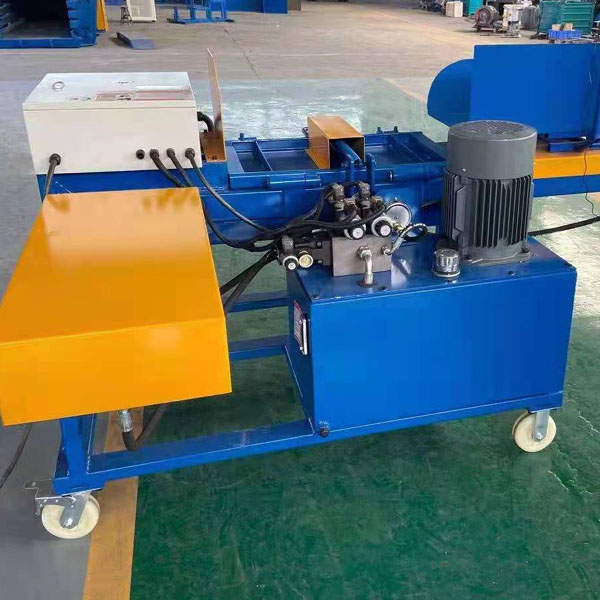
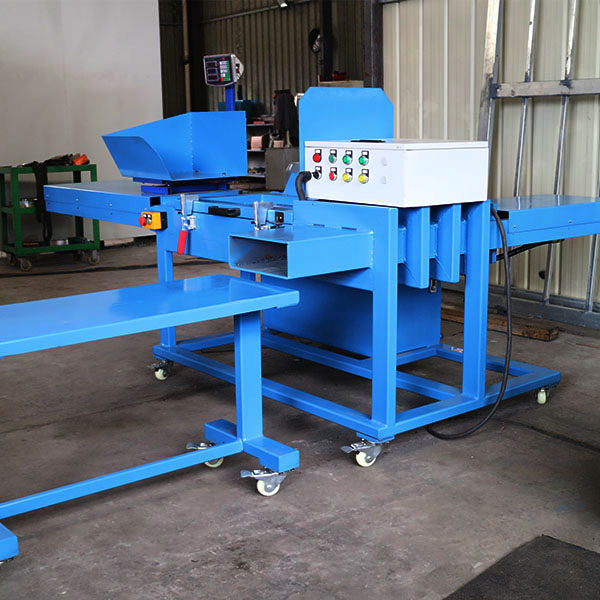
15 kW PLC Constant Weight Bagging Machine for Textile Rags NKB20
Product Summary
The NKB20 is a constant weight bagging machine that compresses, bags and straps cleaning rags, residual textiles and garments into bags of 750 x 400 x 330 mm at a fixed 20 kg. A carbon steel frame and a precision hydraulic system working at 21 MPa reduce the volume of loose material, so the same warehouse area holds more stock and every outbound bag carries a predictable weight. PLC control with a simple operating interface, automatic fault detection and adjustable bag size and compression density let one unit serve several textile grades, while customised feeding options allow integration into an existing sorting or washing line.
Key Features
- 20 kg constant bale weightBags leave at 750 x 400 x 330 mm and 20 kg, so stock counts and load plans follow a fixed unit instead of an estimate.
- 21 MPa precision hydraulicsEven pressing force across the bale compacts textiles, and the manufacturer states the compression does not damage the material fibre.
- PLC control, simple interfaceThe cycle runs from a straightforward operator panel, which shortens training time for new staff.
- Automatic fault detectionThe machine reports faults itself, shortening troubleshooting and supporting safer daily operation.
- Adjustable bag size and densityBag dimensions and compression density are set per textile grade on the same machine.
- Customised feeding optionsThe feed arrangement can be adapted so the bagging unit fits an existing sorting or washing line.
Technical Specifications
| Model | NKB20 |
|---|
| Machine type | Constant weight bagging machine (ensacadora de peso constante) |
|---|
| Bale size (L x W x H) | 750 x 400 x 330 mm |
|---|
| Bale weight | 20 kg |
|---|
| Hydraulic working pressure | 21 MPa |
|---|
| Voltage / frequency | 380 V / 50 Hz |
|---|
| Motor power | 15 kW / 20 HP |
|---|
| Machine dimensions (L x W x H) | 2980 x 20150 x 1550 mm (manufacturer data) |
|---|
| Machine weight | 950 kg |
|---|
| Main material | Carbon steel (acero carbono) |
|---|
| Control system | PLC with simple operator interface |
|---|
| Fault monitoring | Automatic fault detection system |
|---|
| Bag size | Adjustable |
|---|
| Compression density | Adjustable |
|---|
| Feeding | Customised feeding options |
|---|
| Operating environment | Indoor recycling workshop, -10 C to 45 C, normal humidity, light dust, stable three-phase supply |
|---|
| Conformity standards | EN ISO 12100:2010; EN 60204-1:2018; EN 415-1:2014 |
|---|
Values above are the figures published by the manufacturer for the NKB20; the final configuration is confirmed at order.
Models and Options
One base model is documented for this bagging range, the NKB20. Within that model three configuration choices are offered and fixed at order:
- Bag size - set to the finished bag dimensions required by the buyer.
- Compression density - adjusted to the textile grade being processed.
- Feeding arrangement - customised so the unit matches the upstream sorting, washing or storage process.
Where the line has a different throughput target, the required capacity is agreed with the manufacturer when the model and solution are confirmed.
Materials and Structure
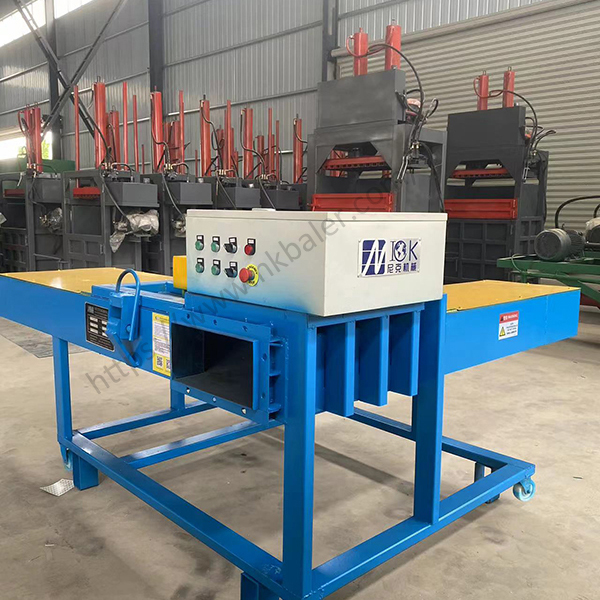
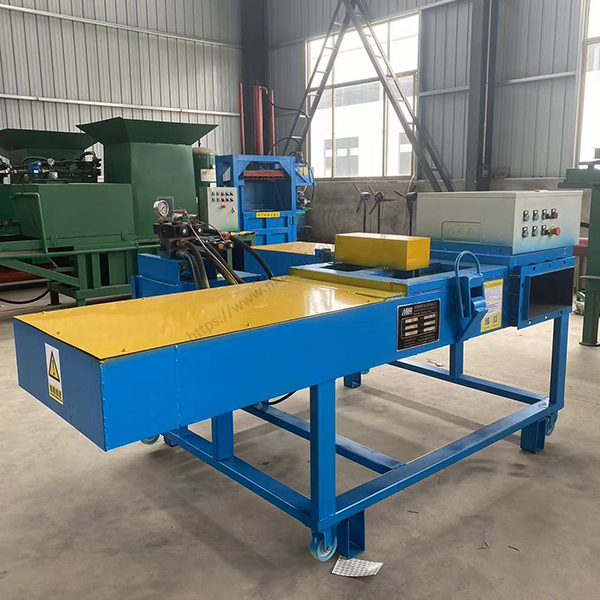
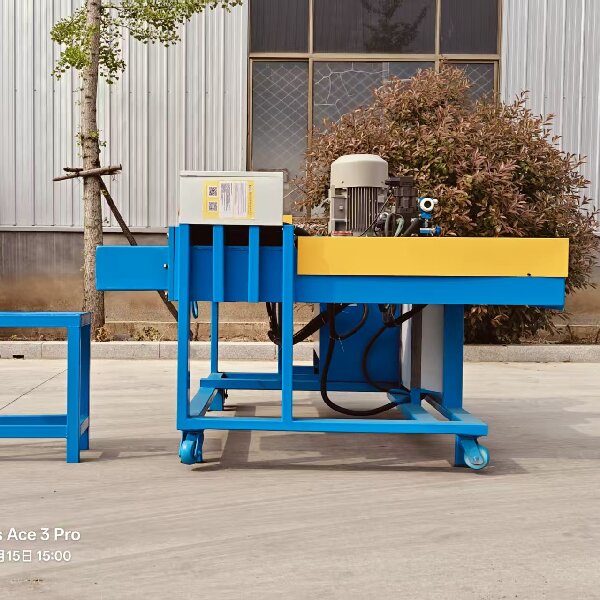
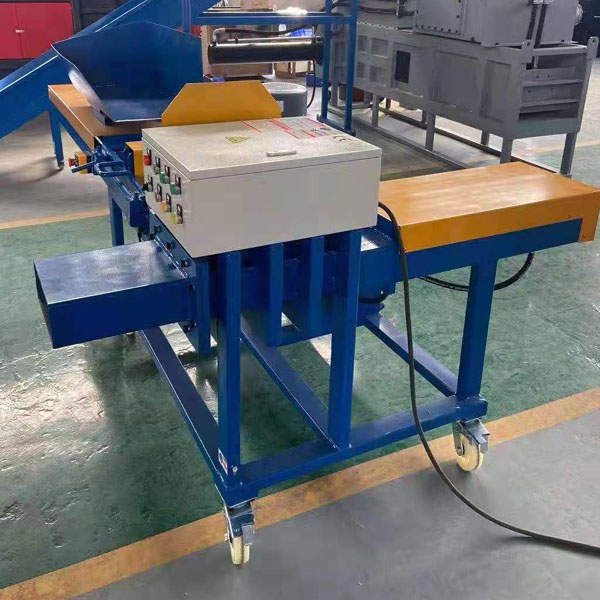
Frame and working parts are built from carbon steel following the robust structural design used across the manufacturer's press range. The compression chamber is driven by the precision hydraulic system rated at 21 MPa, which keeps the pressing force even across the bale so bagged rags keep a regular shape for stacking. The PLC cabinet is mounted on the machine and works together with the automatic fault detection system, the structure is laid out for easy access during maintenance, and the operating position is ergonomic so daily bag changes need less handling effort.
Applications
- Textile recycling plants compressing cleaning rags and residual textiles before storage or shipment.
- Industrial wipes producers packing cut rags into fixed 20 kg bags.
- Garment sorting and re-use operations compressing unsold clothing.
- Warehouse and industrial waste management, where loose textiles take up floor space.
- The manufacturer also lists its equipment for food, pharmaceutical, packaging, chemical, electronics, metalworking, waste treatment and recycling industries; for the NKB20 the documented application is textile material.
Customization
Customisation centres on bag size, compression density and feeding arrangement. To confirm a configuration, the manufacturer asks the buyer for the material type, its dimensions, bulk density, the target bale weight or size, the floor space available, the electrical supply, the level of automation required and the throughput needed. Commercial terms are issued with the technical proposal for that agreed configuration.
Certificates Held by the Manufacturer
| Verification of Conformity | No. DPWD/09/060/2024 - EU/EEA, issued 19 Sep 2024, valid to 18 Sep 2029, to EN ISO 12100:2010, EN 60204-1:2018 and EN 415-1:2014 |
|---|
| Attestation Certificate of Machinery Directive | No. EASY03220201M - UDEM International Certification Auditing Training Centre, market EU EEA TR, issued 22 Mar 2022, valid to 21 Mar 2027, to EN ISO 12100:2010 and EN 60204-1:2018 |
|---|
FAQ
Which materials can the NKB20 bag?
Cleaning rags, residual textiles and garments. The compression density is set for the textile grade being processed.
What size and weight is the finished bag?
750 x 400 x 330 mm at 20 kg. Bag dimensions are adjustable within the configuration agreed at order.
What electrical supply is required?
380 V / 50 Hz with a 15 kW (20 HP) motor. A stable three-phase supply is recommended for workshop installation.
Can one machine handle different textile grades?
Yes. Bag size and compression density are both adjustable, so the same unit serves different rag and textile qualities.
How is the machine controlled?
A PLC with a simple operating interface runs the cycle, and an automatic fault detection system reports faults to speed up maintenance.
Which standards is it certified against?
EN ISO 12100:2010, EN 60204-1:2018 and EN 415-1:2014, covered by the Verification of Conformity and the Machinery Directive attestation listed above.
Can the bagging machine be added to an existing line?
Customised feeding options are offered so the unit can be matched to the upstream sorting, washing or storage process.
What information is needed for a proposal?
Material type, material dimensions, bulk density, target bale weight or size, available floor space, electrical supply, automation level and required throughput.
Inquiry Information
Image Filenames and Alt Text Suggestions
| Image ID 46 | bagging-machine-nkb20-front-view.jpg - alt: NKB20 constant weight bagging machine shown from the front |
|---|
| Image ID 49 | bagging-machine-nkb20-compression-chamber.jpg - alt: NKB20 bagging machine compression chamber for rags and textiles |
|---|
| Image ID 38 | bagging-machine-nkb20-control-cabinet.jpg - alt: NKB20 bagging machine PLC control cabinet with operator interface |
|---|
| Image ID 361 | bagging-machine-nkb20-bagged-output.jpg - alt: Bagged textile rags produced by the NKB20 bagging machine |
|---|
| Image ID 360 | bagging-machine-nkb20-strapping-section.jpg - alt: Strapping section of the NKB20 constant weight bagging machine |
|---|
| Image ID 358 | bagging-machine-nkb20-workshop-installation.jpg - alt: NKB20 bagging machine installed in a recycling workshop |
|---|