Menu

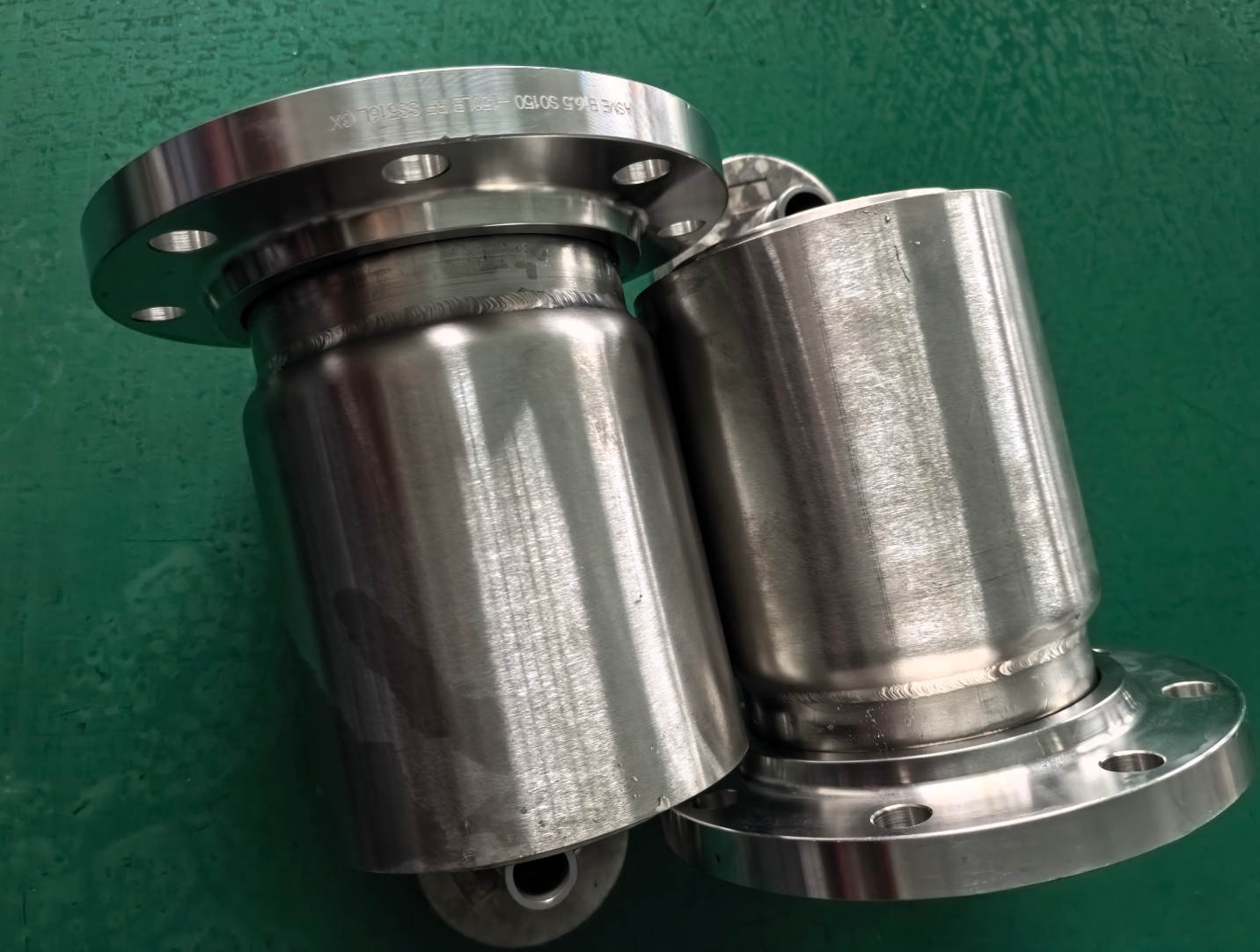
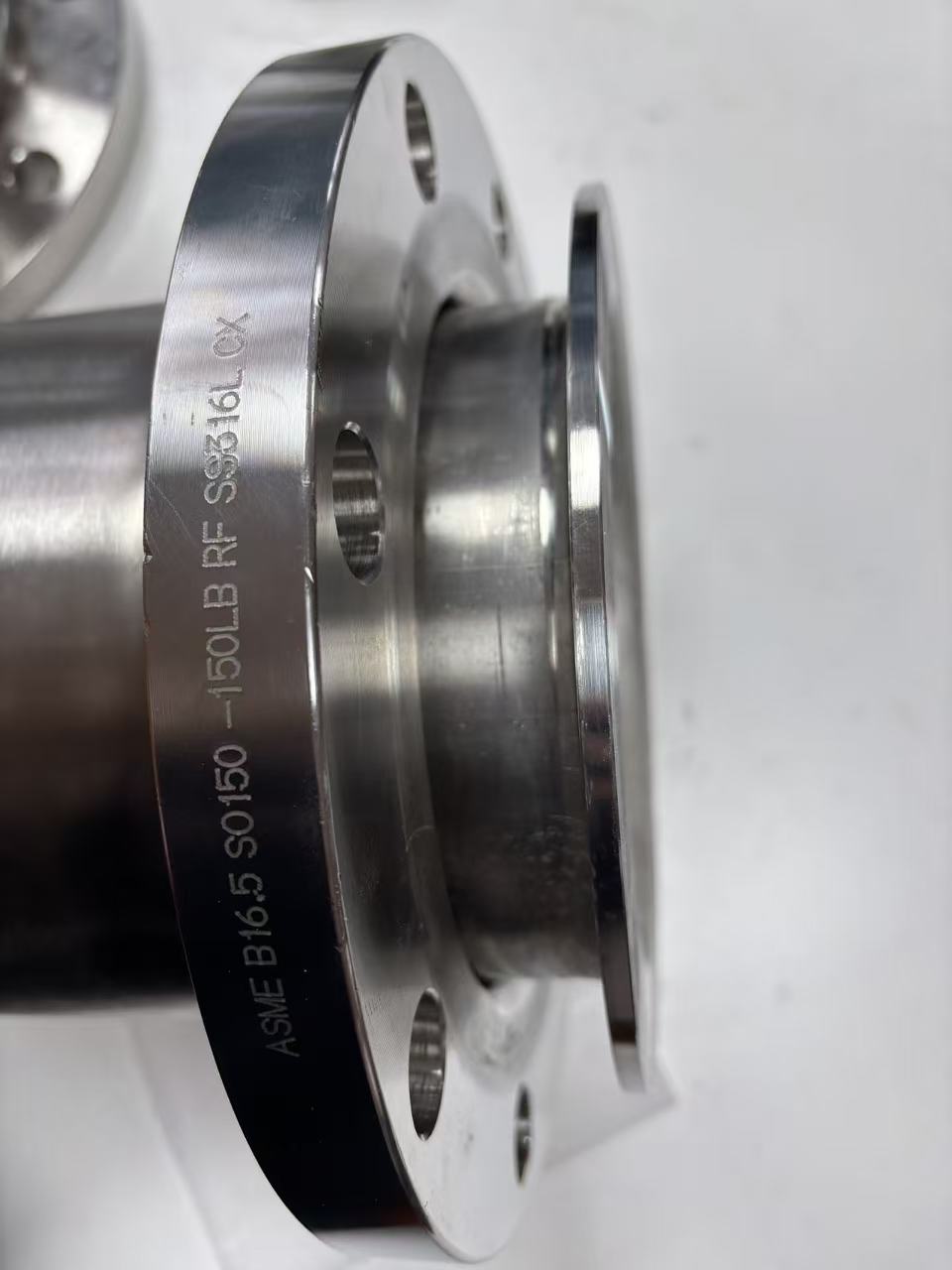
Floating Flange Composite Hose Fittings

Quantity:
SKU: 7389726857
Model: JY-CHF-SSS-FLOAT-A150

{{ variable.name }}

{{ value.name }}

Product Specification

TypeASME B16.5 Class 150 Floating Flange Couplings; EN 1092-1 PN10/PN16 Swivel Flange Fittings; Stainless Steel 316L Composite Hose End Fittings; Loose Flange & Stub End Couplings; Chemical Transfer Hose Flanges; Marine Composite Hose CouplingsModelJY-CHF-SSS-FLOAT-A150
ParamsProduct Name: Floating Flange Composite Hose Fittings Manufacturer: JINGYE Fittings (Ningbo Jingye Fluid Fittings Co., Ltd.) Series: JY-CHF-SSS-FLOAT-A150; composite hose floating/swivel flange end-fitting family. Construction: Rotatable loose flange ring, retained stub end or collar, composite hose tail and matching ferrule/swage sleeve. 1. Product Configuration and Flange Construction JY-CHF-SSS-FLOAT-A150 covers floating flange composite hose end fittings for chemical, petroleum and marine transfer. The loose flange ring rotates around a retained stub end or collar for bolt-hole alignment without twisting the hose. Configurations include lap-joint, plate-type swivel flange and turnback structures. Rotation is for installation alignment, not continuous rotary service. 2. Nominal Sizes and Composite Hose Compatibility Nominal sizes: 1"–12" (DN25–DN300), including 1", 1-1/2", 2", 2-1/2", 3", 4", 5", 6", 8", 10" and 12". Common industrial selections include 2", 3", 4", 6" and 8". Match actual hose ID/OD, multilayer construction, inner/outer wire helix diameter, helix pitch, tail insertion geometry and ferrule dimensions. 3. International Flange Standards and Drilling Primary flange interface: ASME B16.5 Class 150 (ANSI/ASA 150). European options: EN 1092-1 PN10/PN16. Other configurations: JIS B2220 5K/10K/16K, TTMA tanker flanges and AS 2129 Table D/E/H. Specify flange OD, pitch circle diameter (PCD), bolt-hole quantity/diameter, flange thickness, facing and gasket contact area. Drilling patterns differ between standards. 4. Floating Flange, Stub End and Hose Tail The floating flange ring is retained behind a machined collar, lap-joint stub end or formed turnback. Bolting force is transferred through the retaining shoulder to the sealing face. Hose-side fittings use composite-compatible tailpieces, including scroll-tail or engineered helix-engagement profiles. The ferrule or swage sleeve secures the layered hose against the tailpiece. 5. Materials and Corrosion Protection Wetted tailpieces and stub ends: SS304, SS316 or SS316L; carbon steel options for compatible services. Floating rings: stainless steel or carbon steel. Mixed construction includes SS316L wetted tail with carbon steel loose backing flange. Manufacturing includes CNC machining, formed components and selected TIG-welded structures. Carbon steel surfaces may receive trivalent zinc plating or enhanced protection. 6. Working Pressure, Vacuum and Temperature Flange classes include ASME Class 150 and EN PN10/PN16; these describe flange interface ratings, not the complete hose assembly working pressure. Typical composite transfer hose systems include 7 bar and 10.5 bar working-pressure classes, depending on hose construction. Final pressure, vacuum resistance and temperature limits depend on the hose, fitting termination, lining, medium and assembly qualification. 7. Sealing Faces and Chemical Compatibility Available sealing arrangements include flat-face (FF), raised-face (RF) and lap-joint/stub-end gasket interfaces according to flange design. Select PTFE, expanded PTFE, EPDM, FKM or other gasket materials according to chemical compatibility and temperature. Stainless wetted surfaces suit selected chemicals, solvents and marine fluids. Seal face finish, collar geometry and gasket compression are important. 8. Assembly, Swaging and Electrical Continuity Composite hose termination combines the tailpiece, internal wire helix, layered hose wall and external ferrule. Swaging or crimping dimensions depend on hose OD, liner and reinforcement construction. For conductive hose assemblies, electrical continuity between end fittings and helical wires is checked according to the specified hose design. EN 13765 and EN 13766 relate to different composite hose services. 9. Dimensional Inspection and Pressure Testing Inspection covers flange drilling, PCD, ring rotation, collar retention, stub-end thickness, sealing-face finish, hose-tail dimensions, ferrule ID, welding and material identification. Completed hose assembly qualification may include hydrostatic proof, leakage, burst, vacuum, electrical continuity and end-retention tests. Applicable methods depend on the hose construction and service standard. Quality management: ISO 9001:2015. 10. Applications, OEM and Procurement Applications: chemical transfer, petroleum loading, marine bunkering, ship-to-shore transfer, tanker unloading and industrial bulk-liquid handling. JINGYE Fittings supplies floating flange rings, SS316L stub ends, composite hose tails, ferrules and matched end-fitting components. OEM options include custom drilling, hose-tail profiles, welded constructions, mixed materials, technical drawings, marking, replacement samples and private-label supply.MaterialWetted Materials: Precision CNC-machined SS304, SS316 or SS316L composite hose tails, stub ends and sealing faces; carbon steel options for compatible fluids. Floating Flanges: SS304/316/316L or carbon steel loose backing rings for ASME Class 150, EN PN10/PN16 and JIS connections. Flange Construction: Machined lap-joint collars, stub ends, retaining shoulders and rotatable flange rings. Hose Tails: Stainless steel scroll-tail or helix-engagement inserts for composite hose termination. Ferrules: Stainless or carbon steel swage sleeves matched to composite hose OD and reinforcement. Sealing: PTFE, expanded PTFE, EPDM or FKM flange gaskets selected by media. Surface Treatment: Stainless steel passivation; trivalent zinc plating for carbon steel components. Manufacturing & Quality: CNC turning, TIG welding, flange drilling, swaging, dimensional inspection, material verification and pressure/leakage testing.
Applicable IndustryChemical Processing & Transfer: Floating flange composite hose fittings for acids, solvents and chemical loading systems. Petroleum & Fuel Transfer: ASA150 and PN16 swivel flange ends for fuel, oil and petrochemical transfer hoses. Marine & Ship-to-Shore: Rotatable flange connections for bunkering, terminal loading and marine composite hoses. Tank Truck & Rail Loading: Loose flange hose ends for tanker unloading, loading arms and bulk-liquid transfer. Industrial Hose Assembly Manufacturing: SS316L hose tails, floating flanges and ferrules for composite hose assemblies. Ports & Bulk Liquid Terminals: Flanged hose connections for storage tanks, transfer manifolds and loading facilities. Composite Hose OEM & Distribution: Custom ASME/EN flange fittings, replacement parts and second-source procurement.

Feature

JINGYE Fittings supplies JY-CHF-SSS-FLOAT-A150 Floating Flange Composite Hose Fittings for chemical transfer, petroleum handling, marine bunkering and industrial hose assemblies. Rotatable loose flanges, stainless steel hose tails and matched ferrules support flexible installation, secure termination and OEM sourcing. Key Product Advantages: 1. Floating Flange Series and Size Coverage JY-CHF-SSS-FLOAT-A150 covers 1"–12" (DN25–DN300) composite hose end fittings, including common 2", 3", 4", 6" and 8" sizes. Options include floating flange rings, retained stub ends, hose tails, ferrules and matched termination components. Configurations support industrial composite hose assembly manufacturing and replacement programs. 2. 360-Degree Rotatable Flange Alignment The loose flange ring rotates around a retained collar or stub end for bolt-hole alignment without twisting the composite hose. This simplifies installation between fixed pipe flanges, loading manifolds and terminal equipment. Floating flanges provide installation flexibility, unlike rigid fixed flanges. Rotation is intended for alignment, not continuous rotary service. 3. ASME, EN and International Flange Standards Primary connections include ASME B16.5 Class 150 (ANSI/ASA150) and EN 1092-1 PN10/PN16. Additional drilling options include JIS B2220, TTMA and AS 2129 Table D/E/H. Flange OD, PCD, bolt-hole quantity, thickness and gasket face are selected to match the receiving connection. Custom flange drilling is available. 4. Lap Joint, Stub End and Turnback Construction Floating flange designs combine a loose backing ring with a machined collar, lap-joint stub end or formed turnback. The retained shoulder transfers bolting force while the sealing face contacts the gasket. Plate-type swivel flanges and welded stub-end constructions provide different installation and manufacturing options. 5. Composite Hose Tail and Helix Compatibility Composite-specific scroll tails or engineered hose inserts are matched to the hose bore, inner wire helix diameter, wire pitch and multilayer construction. Tail geometry supports proper insertion and termination. Actual hose ID, OD and reinforcement structure determine compatibility; a standard serrated rubber-hose tail is not necessarily interchangeable. 6. Ferrule, Swaging and Assembly Retention External ferrules or swage sleeves compress the layered composite hose against the matching tailpiece. Ferrule ID, sleeve length, swage reduction and hose OD are coordinated for reliable mechanical retention. Assembly methods may include crimped, swaged, dry-seal or engineered wet-seal constructions according to hose design. 7. SS316L Wetted Parts and Material Optimization Wetted hose tails and stub ends are available in SS304, SS316 and SS316L for selected chemicals, solvents and marine fluids. Floating flange rings may use stainless steel or carbon steel. An SS316L wetted tail with a carbon steel loose backing flange offers a cost-efficient mixed-material design. Stainless passivation and carbon steel corrosion protection are available. 8. Pressure, Vacuum and Chemical Sealing ASME Class 150 and EN PN16 define flange connection classes, while complete hose assembly pressure depends on hose construction, termination and service conditions. Typical composite transfer hoses include 7 bar and 10.5 bar working classes. PTFE, expanded PTFE, EPDM and FKM gasket options support selected media. Vacuum and temperature limits depend on the assembled system. 9. Chemical, Petroleum and Marine Applications Floating flange end fittings serve chemical loading, solvent transfer, petroleum handling, tanker unloading, marine bunkering, ship-to-shore transfer and bulk-liquid terminals. Rotatable flanges assist installation of large-bore hose assemblies on fixed manifolds and process equipment. Material and gasket selection follow the transferred medium. 10. Manufacturing, Inspection and Quality Control JINGYE Fittings operates under ISO 9001:2015. CNC machining, flange drilling, TIG welding and stainless steel fabrication support standard and custom fittings. Inspection covers PCD, bolt holes, flange rotation, collar retention, gasket faces, tail dimensions, ferrule fit and materials. Completed hose assemblies may require pressure, leakage, vacuum and electrical continuity testing. 11. Composite Hose OEM and Second-Source Supply JINGYE Fittings supplies independent floating flanges, SS316L stub ends, composite hose tails, ferrules and matched fitting components for hose assembly manufacturers, distributors and industrial OEMs. Drawing-based customization, welded constructions, alternative material combinations, replacement samples, private-label marking and multi-size procurement support repeat orders and second-source development.

Floating Flange Composite Hose Fittings

Floating Flange Composite Hose Fittings


Lap Joint Floating Flange Composite Hose Fittings

Lap Joint Floating Flange Composite Hose Fittings