Feature
Hydrophobic-treated; anti-caking/anti-settling, shelf-stable; organic-compatible, free-flowing powder. What it is
Hydrophobic silica is produced by treating hydrophilic silica (precipitated or fumed) with silane coupling agents — such as hexamethyldisilazane (HMDS), dimethyldichlorosilane (DDS) or polydimethylsiloxane (PDMS). Methyl groups cover the surface, giving it a water contact angle above 90° and changing how it disperses, thickens and bonds in formulations.
Core selling points
1. True hydrophobic surface
Does not wet with water, does not absorb moisture, does not cake in humid storage. Stable performance even in high-humidity environments.
2. Excellent dispersion in non-polar systems
Disperses readily in solvents, oils, resins and polymers where hydrophilic silica re-agglomerates. No dusting, no fish-eyes, no undispersed lumps.
3. Strong thixotropy and anti-sagging
Builds a stable network in epoxy, polyurethane, unsaturated polyester and silicone sealants. Stays in place on vertical surfaces, does not run during curing, yet spreads easily under shear.
4.Improved polymer compatibility
Surface modification creates a better chemical interface with organic matrices. Delivers higher tensile strength, tear resistance and flexural strength than untreated silica in the same resin.
5.Water and moisture resistance
Once incorporated, hydrophobic silica lowers water uptake in coatings, composites and sealants. Better blister resistance, better corrosion protection, longer service life outdoors.
6.Anti-caking and free flow in powders
Used in powder coatings, dry chemical powders and masterbatches to prevent caking and improve flow in humid seasons.
7.Low thickening at rest, easy processing
Compared with hydrophilic grades, hydrophobic silica has lower free thickening in non-polar resins — easier to pump, fill and spray, while still holding structure after application.
8.Available in multiple surface chemistries
- HMDS-treated— general purpose, good dispersion, most cost-effective
- DDS-treated — higher hydrophobicity, better moisture resistance
- PDMS-treated — highest compatibility with silicone and non-polar systems, soft-touch feel
9.Particle size and surface area customizable
From low-surface-area general-purpose grades to high-surface-area high-performance grades; precipitated and fumed types both available.
Typical applications
- Coatings: solvent-based industrial coatings, epoxy floor paints, marine anti-corrosion coatings, UV-curable coatings
- Adhesives & sealants: silicone sealants, MS polymers, structural adhesives, potting compounds
- Composites: hand lay-up, spray-up, BMC/SMC, tooling resins
- Cosmetics: waterproof mascara, long-wear foundations, water-repellent sunscreens
- Powder coatings: anti-caking and flow aid
- Battery and energy: non-aqueous slurry systems, gel polymer electrolytes
- Plastics and masterbatch: anti-blocking and reinforcing filler
Why choose GAIWEI
Stable surface-treatment batch to batch, consistent carbon content and methanol tolerance, tight control on free flow and thickening. Free samples with TDS and formulation support for your specific resin system.
Send us your resin type, solvent system and target viscosity, and we will recommend the right hydrophobic grade.
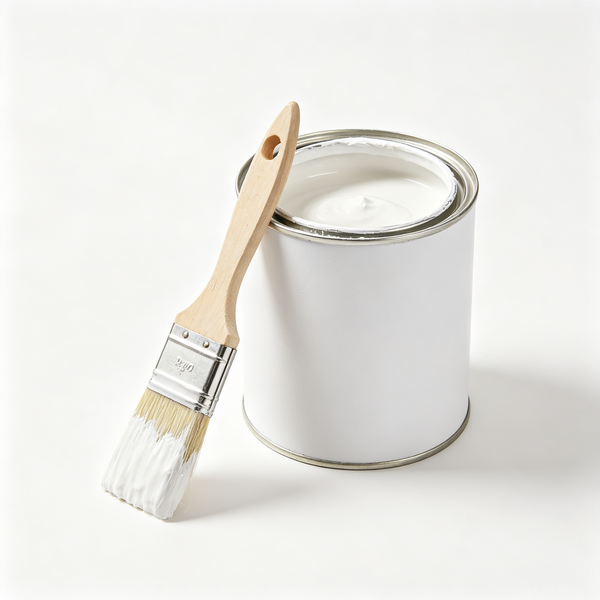
Silica for Paint Application
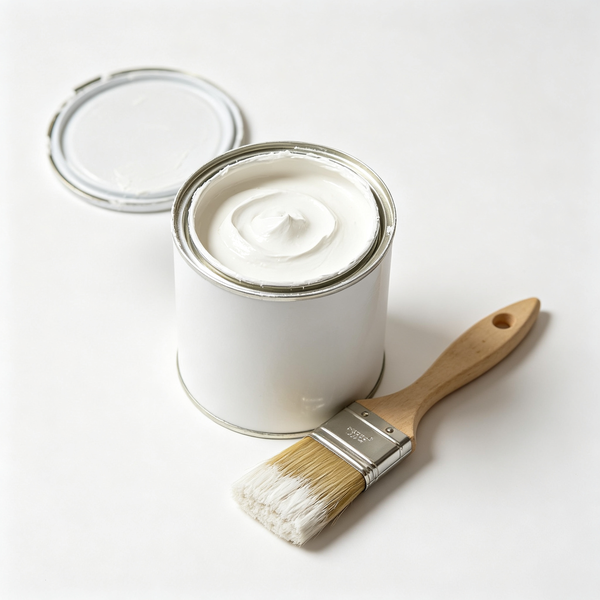
Paint Grade Silica Additive
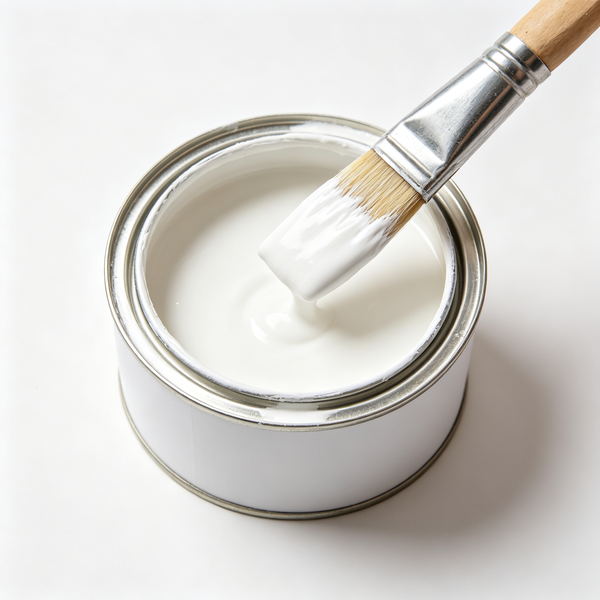
Silica for Paint Coating
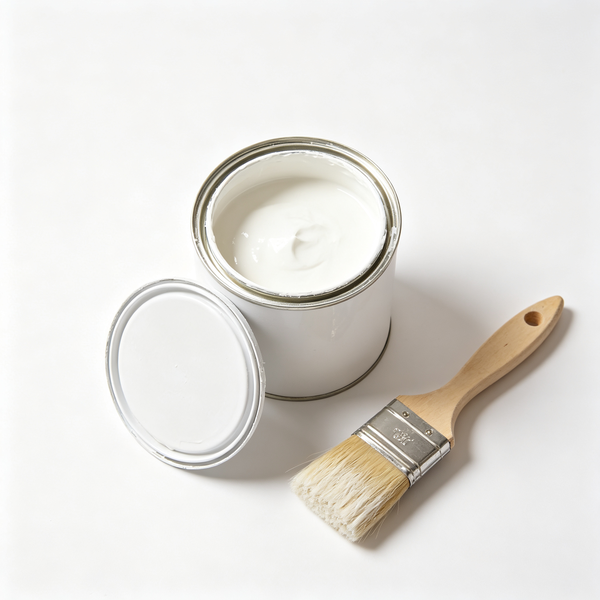
Silica for Architectural Paint
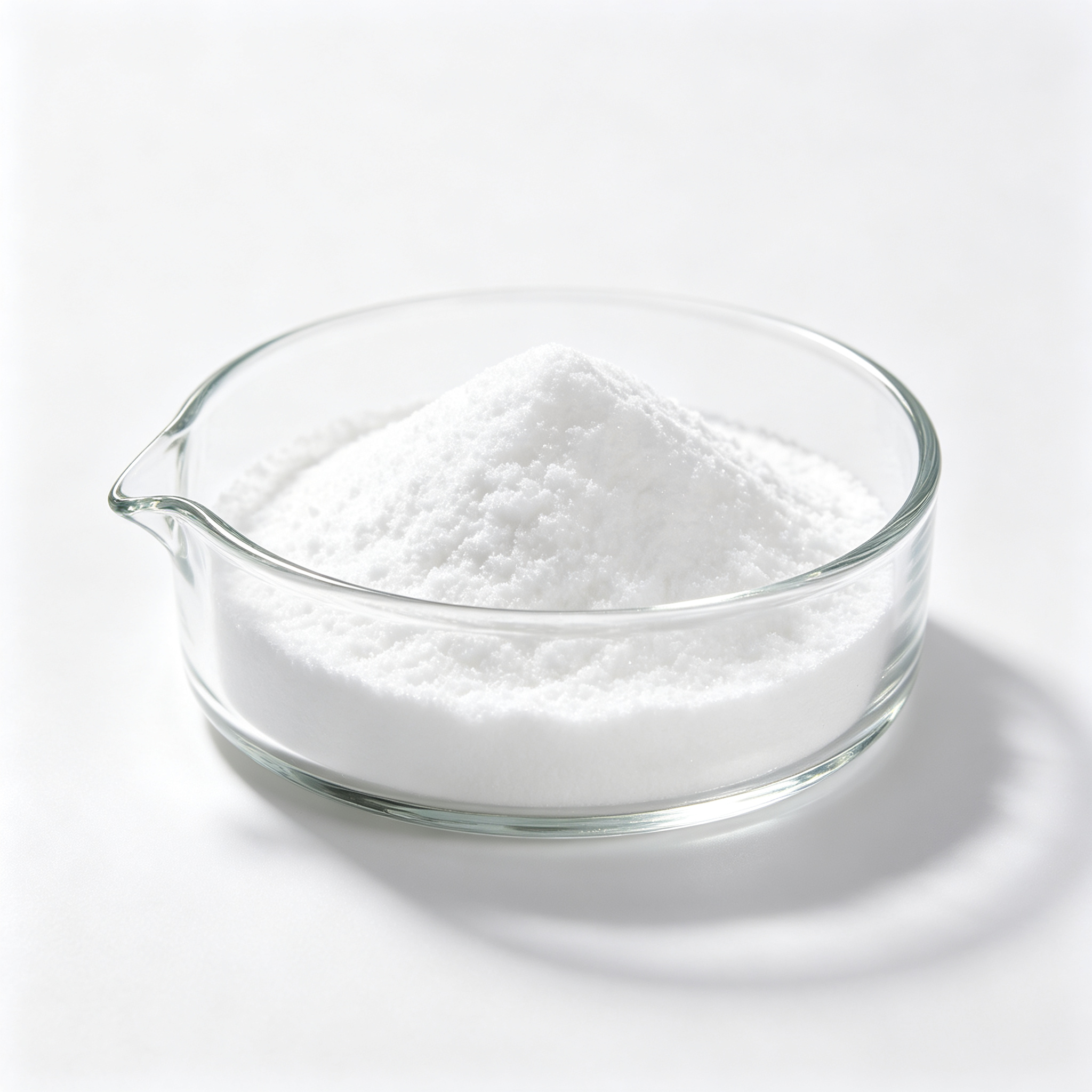
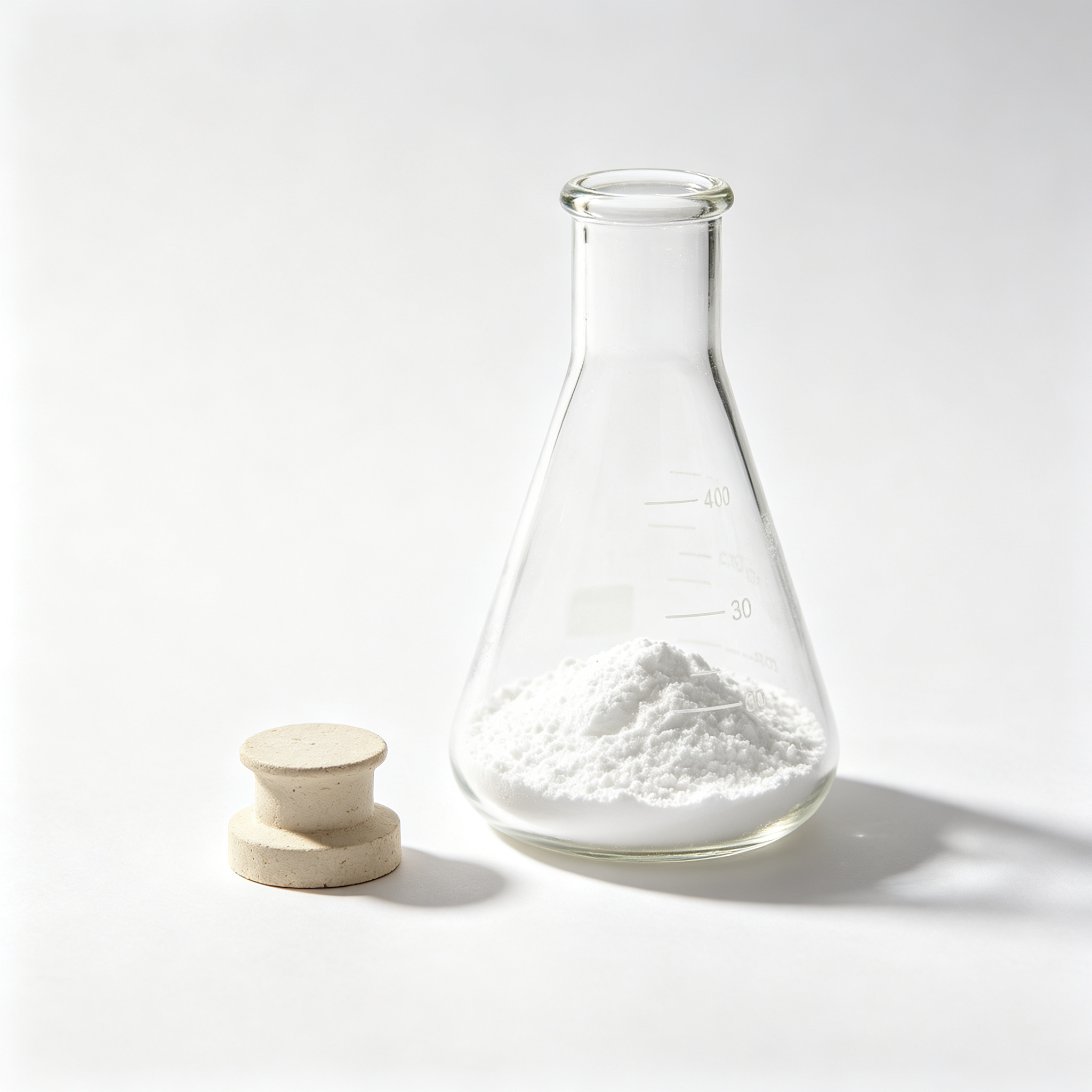
Silica Powder in Crystallizing Dish
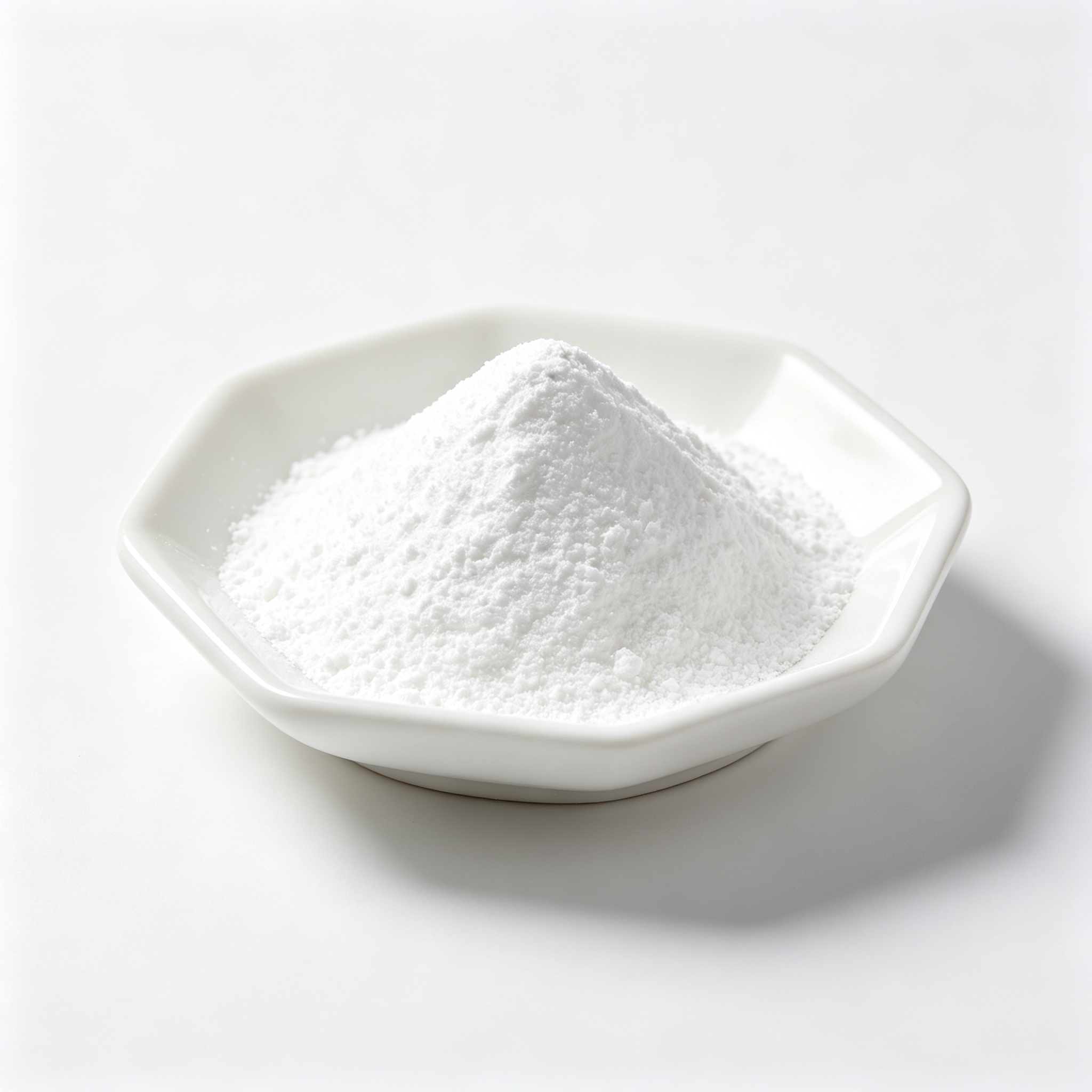
Silica Powde
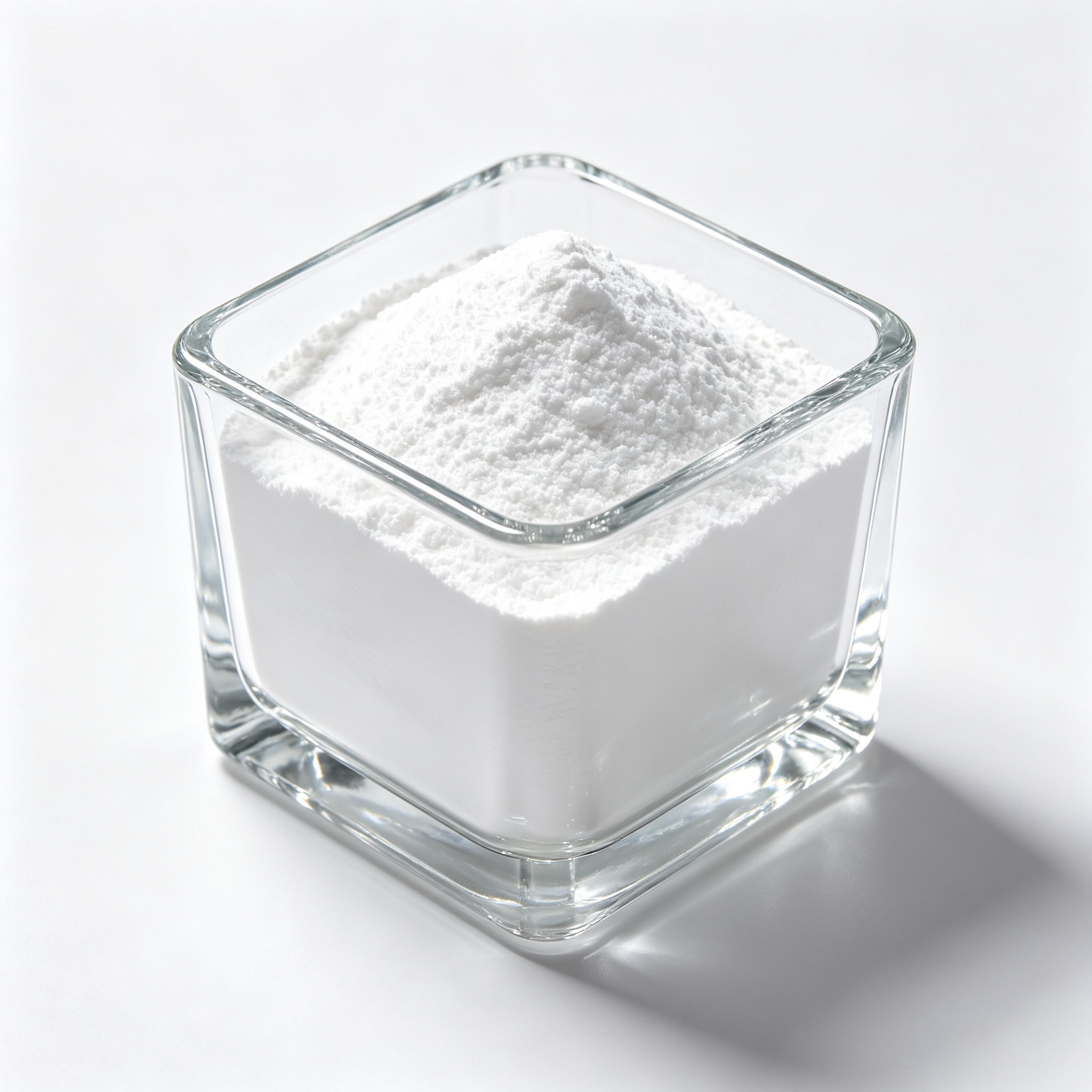
Hydrophobic Fumed Silica
Hydrophobic Fumed Silica
Hydrophobic Fumed Silica
Hydrophobic Fumed Silica
Hydrophobic Fumed Silica
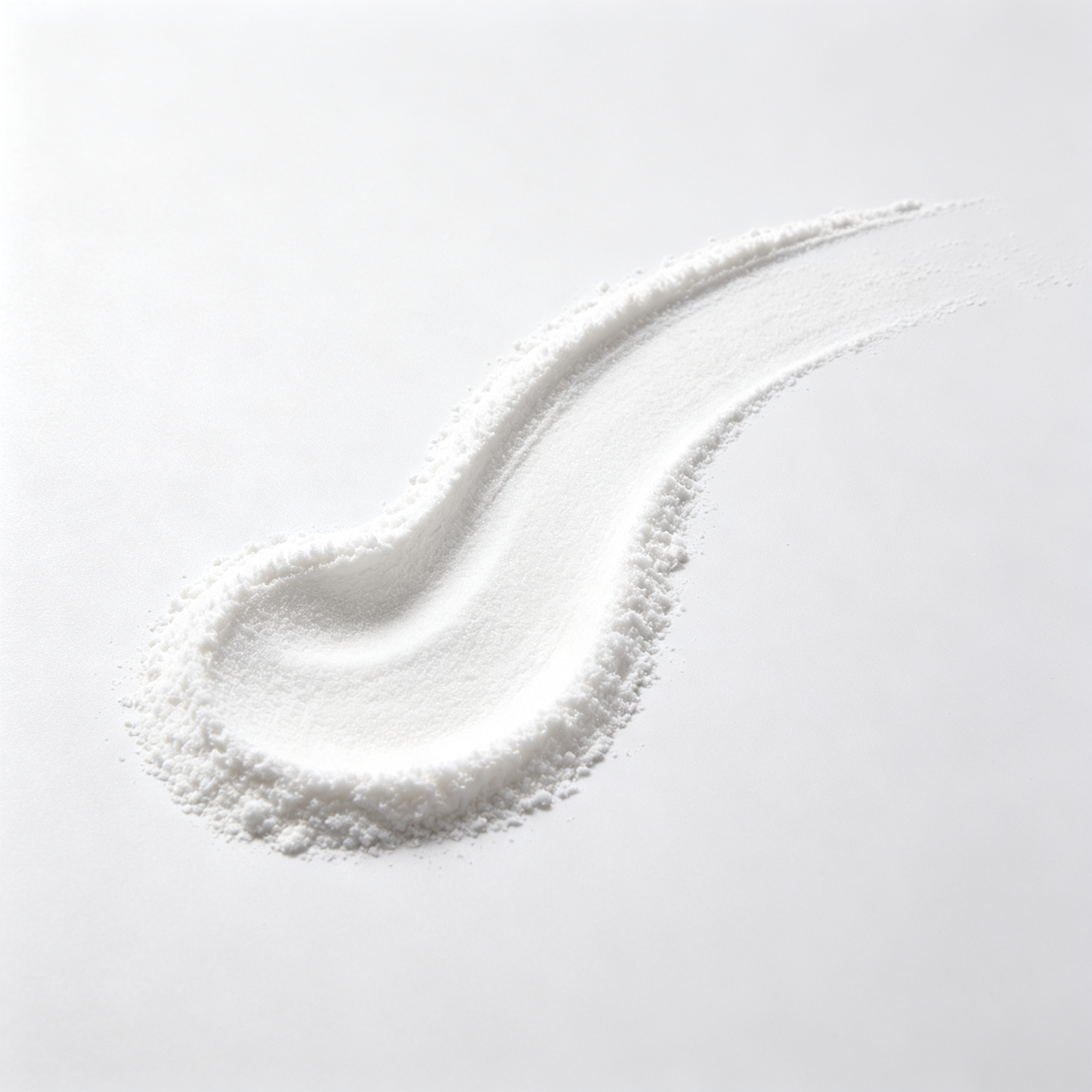
Hydrophobic Fumed Silica
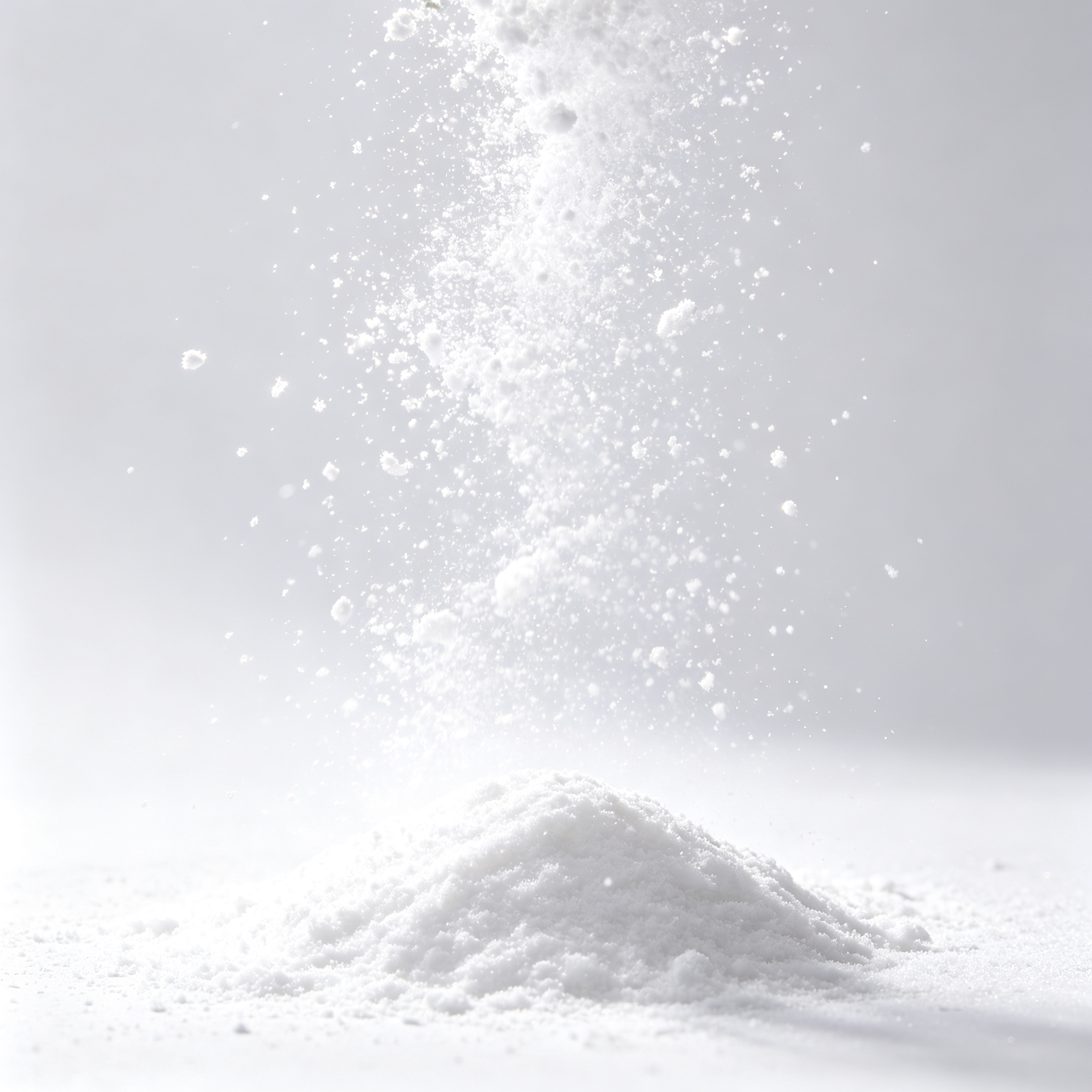
Hydrophobic-treated; anti-caking/anti-settling, shelf-stable; organic-compatible, free-flowing powder. What it is
Hydrophobic silica is produced by treating hydrophilic silica (precipitated or fumed) with silane coupling agents — such as hexamethyldisilazane (HMDS), dimethyldichlorosilane (DDS) or polydimethylsiloxane (PDMS). Methyl groups cover the surface, giving it a water contact angle above 90° and changing how it disperses, thickens and bonds in formulations.
Core selling points
1. True hydrophobic surface
Does not wet with water, does not absorb moisture, does not cake in humid storage. Stable performance even in high-humidity environments.
2. Excellent dispersion in non-polar systems
Disperses readily in solvents, oils, resins and polymers where hydrophilic silica re-agglomerates. No dusting, no fish-eyes, no undispersed lumps.
3. Strong thixotropy and anti-sagging
Builds a stable network in epoxy, polyurethane, unsaturated polyester and silicone sealants. Stays in place on vertical surfaces, does not run during curing, yet spreads easily under shear.
4.Improved polymer compatibility
Surface modification creates a better chemical interface with organic matrices. Delivers higher tensile strength, tear resistance and flexural strength than untreated silica in the same resin.
5.Water and moisture resistance
Once incorporated, hydrophobic silica lowers water uptake in coatings, composites and sealants. Better blister resistance, better corrosion protection, longer service life outdoors.
6.Anti-caking and free flow in powders
Used in powder coatings, dry chemical powders and masterbatches to prevent caking and improve flow in humid seasons.
7.Low thickening at rest, easy processing
Compared with hydrophilic grades, hydrophobic silica has lower free thickening in non-polar resins — easier to pump, fill and spray, while still holding structure after application.
8.Available in multiple surface chemistries
- HMDS-treated— general purpose, good dispersion, most cost-effective
- DDS-treated — higher hydrophobicity, better moisture resistance
- PDMS-treated — highest compatibility with silicone and non-polar systems, soft-touch feel
9.Particle size and surface area customizable
From low-surface-area general-purpose grades to high-surface-area high-performance grades; precipitated and fumed types both available.
Typical applications
- Coatings: solvent-based industrial coatings, epoxy floor paints, marine anti-corrosion coatings, UV-curable coatings
- Adhesives & sealants: silicone sealants, MS polymers, structural adhesives, potting compounds
- Composites: hand lay-up, spray-up, BMC/SMC, tooling resins
- Cosmetics: waterproof mascara, long-wear foundations, water-repellent sunscreens
- Powder coatings: anti-caking and flow aid
- Battery and energy: non-aqueous slurry systems, gel polymer electrolytes
- Plastics and masterbatch: anti-blocking and reinforcing filler
Why choose GAIWEI
Stable surface-treatment batch to batch, consistent carbon content and methanol tolerance, tight control on free flow and thickening. Free samples with TDS and formulation support for your specific resin system.
Send us your resin type, solvent system and target viscosity, and we will recommend the right hydrophobic grade.
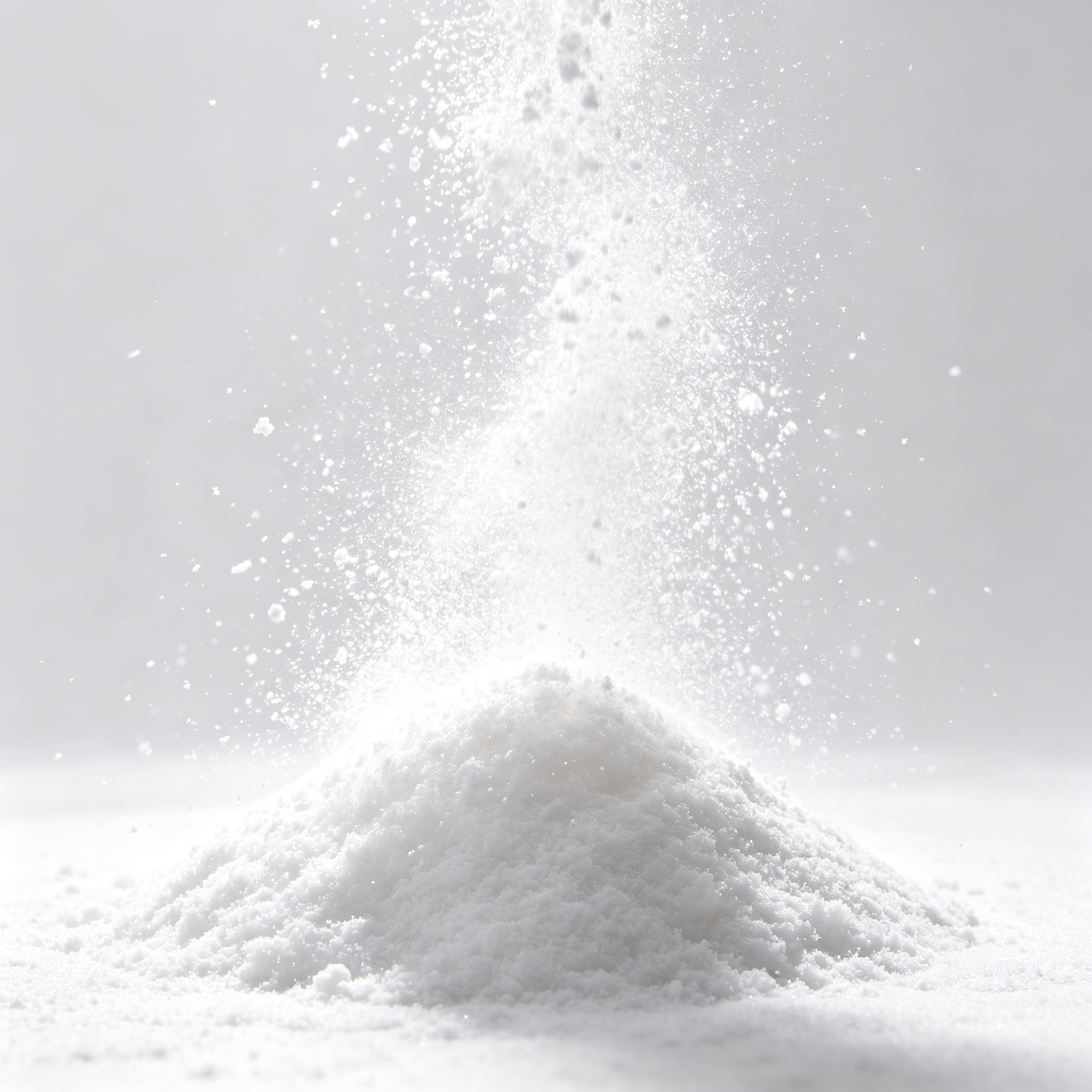
Hydrophobic Fumed Silica
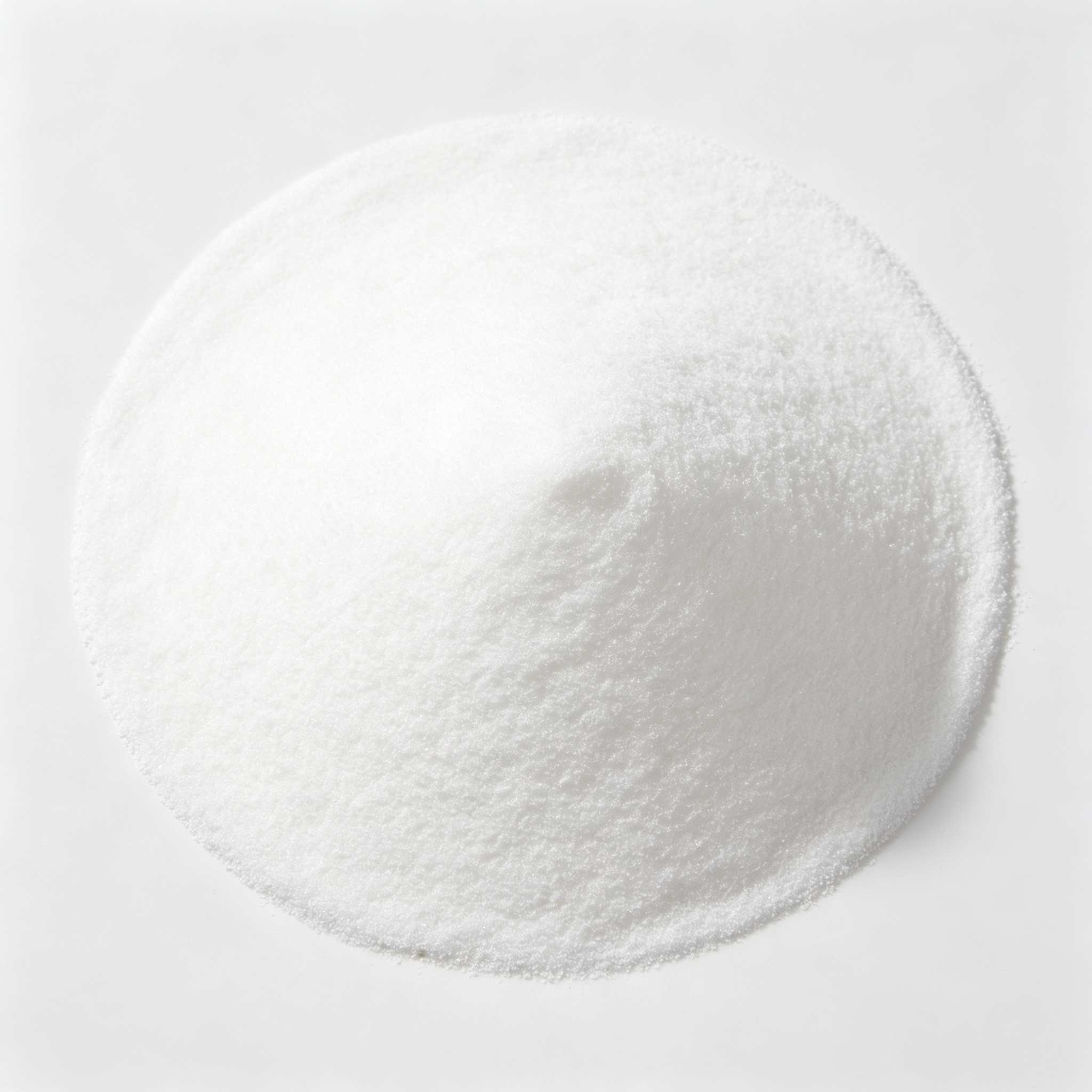
Hydrophobic Fumed Silica
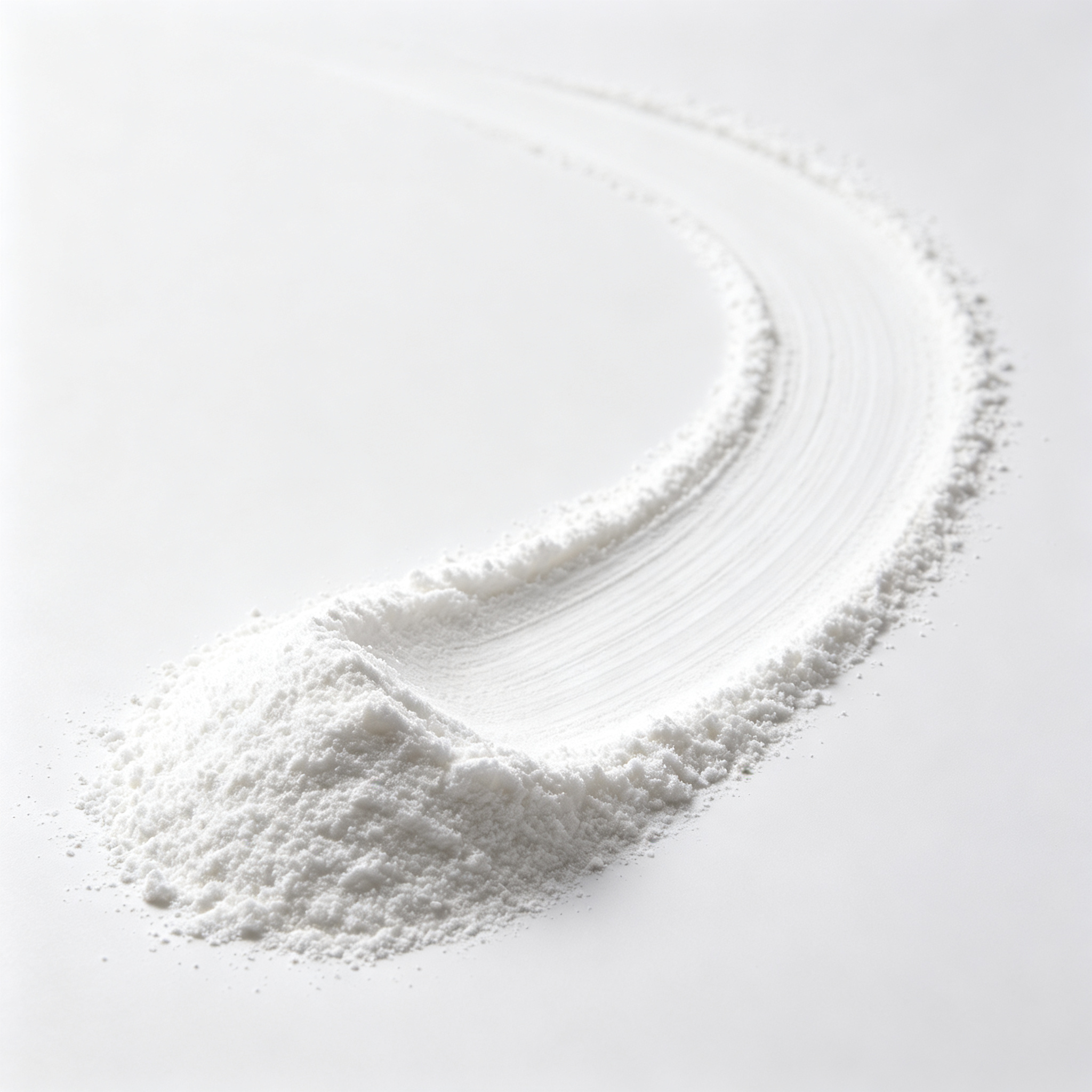
Hydrophobic-treated; anti-caking/anti-settling, shelf-stable; organic-compatible, free-flowing powder. What it is
Hydrophobic silica is produced by treating hydrophilic silica (precipitated or fumed) with silane coupling agents — such as hexamethyldisilazane (HMDS), dimethyldichlorosilane (DDS) or polydimethylsiloxane (PDMS). Methyl groups cover the surface, giving it a water contact angle above 90° and changing how it disperses, thickens and bonds in formulations.
Core selling points
1. True hydrophobic surface
Does not wet with water, does not absorb moisture, does not cake in humid storage. Stable performance even in high-humidity environments.
2. Excellent dispersion in non-polar systems
Disperses readily in solvents, oils, resins and polymers where hydrophilic silica re-agglomerates. No dusting, no fish-eyes, no undispersed lumps.
3. Strong thixotropy and anti-sagging
Builds a stable network in epoxy, polyurethane, unsaturated polyester and silicone sealants. Stays in place on vertical surfaces, does not run during curing, yet spreads easily under shear.
4.Improved polymer compatibility
Surface modification creates a better chemical interface with organic matrices. Delivers higher tensile strength, tear resistance and flexural strength than untreated silica in the same resin.
5.Water and moisture resistance
Once incorporated, hydrophobic silica lowers water uptake in coatings, composites and sealants. Better blister resistance, better corrosion protection, longer service life outdoors.
6.Anti-caking and free flow in powders
Used in powder coatings, dry chemical powders and masterbatches to prevent caking and improve flow in humid seasons.
7.Low thickening at rest, easy processing
Compared with hydrophilic grades, hydrophobic silica has lower free thickening in non-polar resins — easier to pump, fill and spray, while still holding structure after application.
8.Available in multiple surface chemistries
- HMDS-treated— general purpose, good dispersion, most cost-effective
- DDS-treated — higher hydrophobicity, better moisture resistance
- PDMS-treated — highest compatibility with silicone and non-polar systems, soft-touch feel
9.Particle size and surface area customizable
From low-surface-area general-purpose grades to high-surface-area high-performance grades; precipitated and fumed types both available.
Typical applications
- Coatings: solvent-based industrial coatings, epoxy floor paints, marine anti-corrosion coatings, UV-curable coatings
- Adhesives & sealants: silicone sealants, MS polymers, structural adhesives, potting compounds
- Composites: hand lay-up, spray-up, BMC/SMC, tooling resins
- Cosmetics: waterproof mascara, long-wear foundations, water-repellent sunscreens
- Powder coatings: anti-caking and flow aid
- Battery and energy: non-aqueous slurry systems, gel polymer electrolytes
- Plastics and masterbatch: anti-blocking and reinforcing filler
Why choose GAIWEI
Stable surface-treatment batch to batch, consistent carbon content and methanol tolerance, tight control on free flow and thickening. Free samples with TDS and formulation support for your specific resin system.
Send us your resin type, solvent system and target viscosity, and we will recommend the right hydrophobic grade.