
Beyond Off-the-Shelf: DOCOD's Custom Manufacturing for Coding Lines
Published: July 4, 2026 | Industry: Smart Manufacturing
When Standard Equipment Isn't Enough
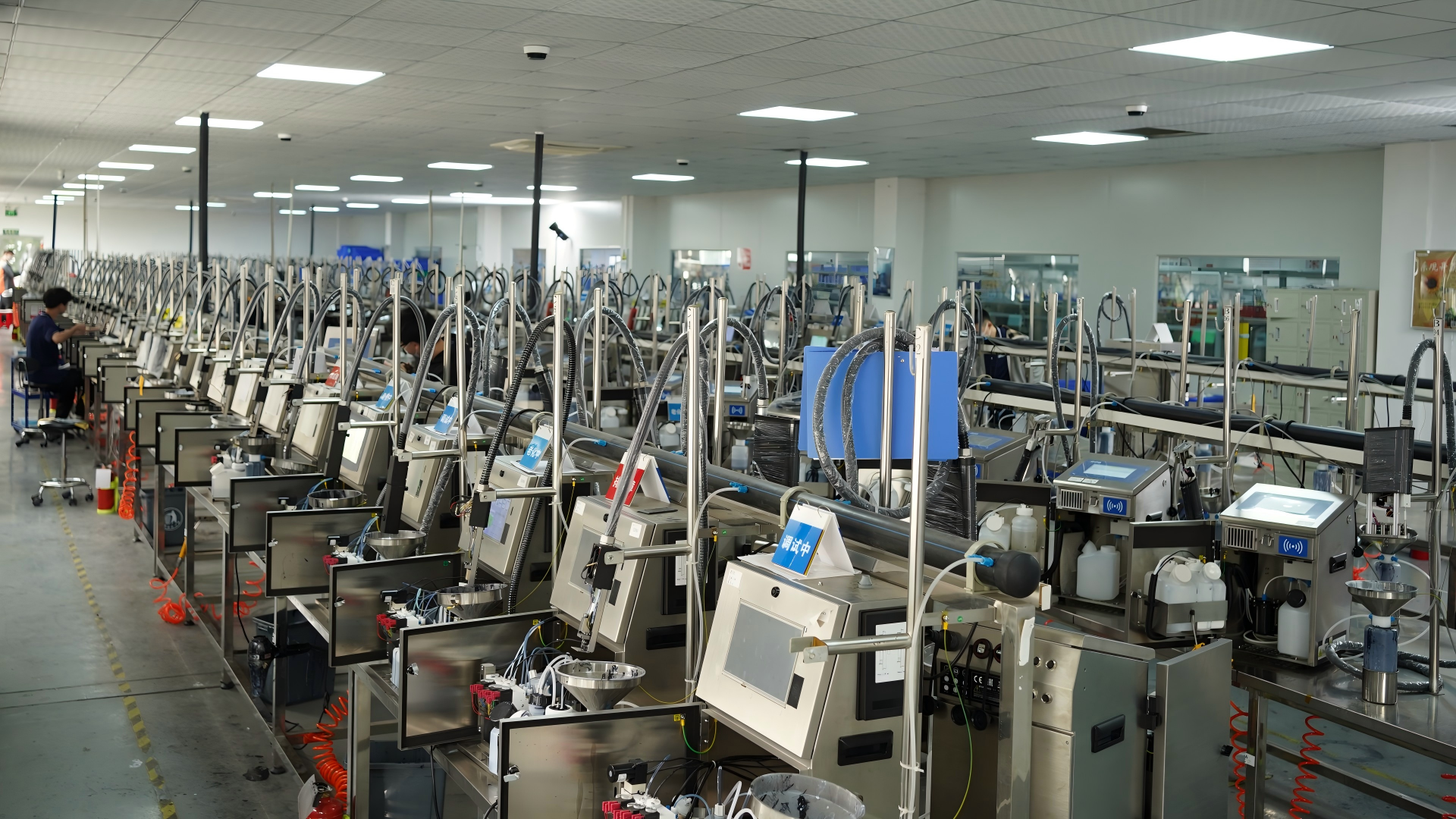
DOCOD Precision Group Co., Ltd. is a Guangzhou-based manufacturer of industrial coding, marking, and inspection equipment. Founded in 2008, the company designs and produces continuous inkjet printers (CIJ), thermal inkjet printers (TIJ), piezoelectric high-resolution printers (PIJ), drop-on-demand large-character printers (DOD), thermal transfer overprinters (TTO), laser marking machines, inline vision inspection systems, and related consumables and spare parts. While standard equipment covers many production needs, a growing number of global buyers require deeper integration—private labeling, software adaptation, production line synchronization, or application-specific customization. This article examines how DOCOD’s manufacturing model addresses these capability-driven procurement demands.
The Opportunity: From Component to Integrated System
Procurement teams evaluating industrial coding and marking equipment increasingly prioritize flexibility over price alone. OEMs need branded machines with their own interface and packaging. System integrators require devices that synchronize with conveyors, encoders, and MES platforms. Contract packers want compact solutions that deploy quickly across multiple lines. These scenarios share a common thread: the supplier must support customization beyond feature checklists.
DOCOD’s Multi-Tier Solution Architecture
DOCOD addresses this through six defined production modes, each with standardized quality control and lead times. The modes span from standard equipment supply to full production line integration.
| Production Mode | Customization Scope | Lead Time | Quality Control |
|---|---|---|---|
| Standard Equipment Supply | Language, UI, mounting, ink selection | ≤15 working days | Outgoing inspection, sample printing, function test |
| OEM Branding Support | Private logo, startup screen, nameplate, packaging, manuals | 15–25 working days | Sample confirmation, final inspection before shipment |
| ODM Functional Customization | Software/UI, communication interface, bracket, printhead config | 20–30 working days | Requirement confirmation, function test, trial-run verification |
| Production Line Integration | Conveyor/pager/rewinder, encoder/sensor, GS1/DataMatrix workflow | 20–35 working days | Integration testing, sample run, video acceptance |
| Spare Parts & Consumables | Compatible parts, ink/solvent matching, accessory kits | ≤15 working days | Part verification, packing inspection, shipment check |
| Distributor & Service Partner Support | Training, demo, localized market materials | 15–30 days | Demo/sample validation, cooperation requirement review |
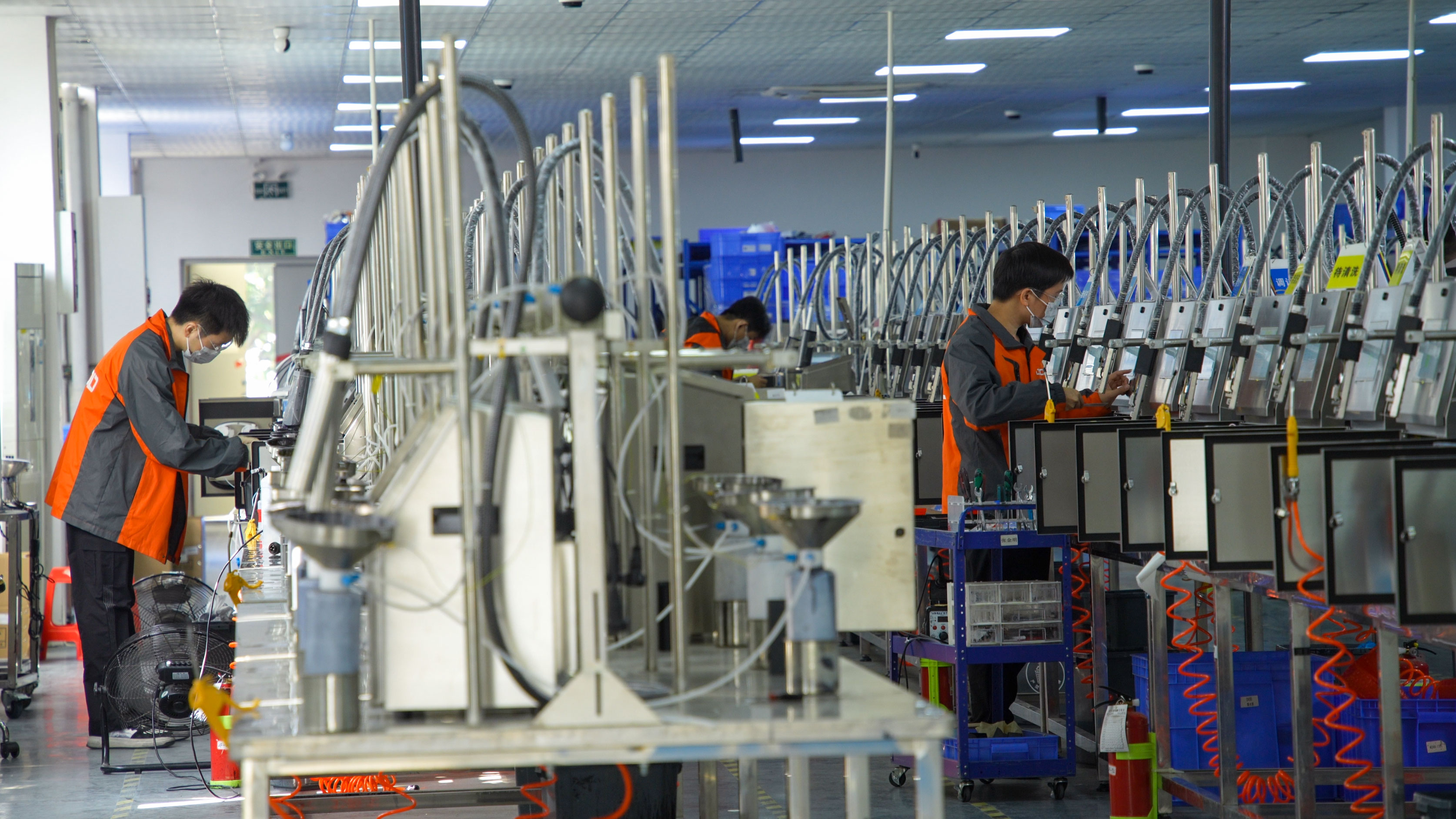
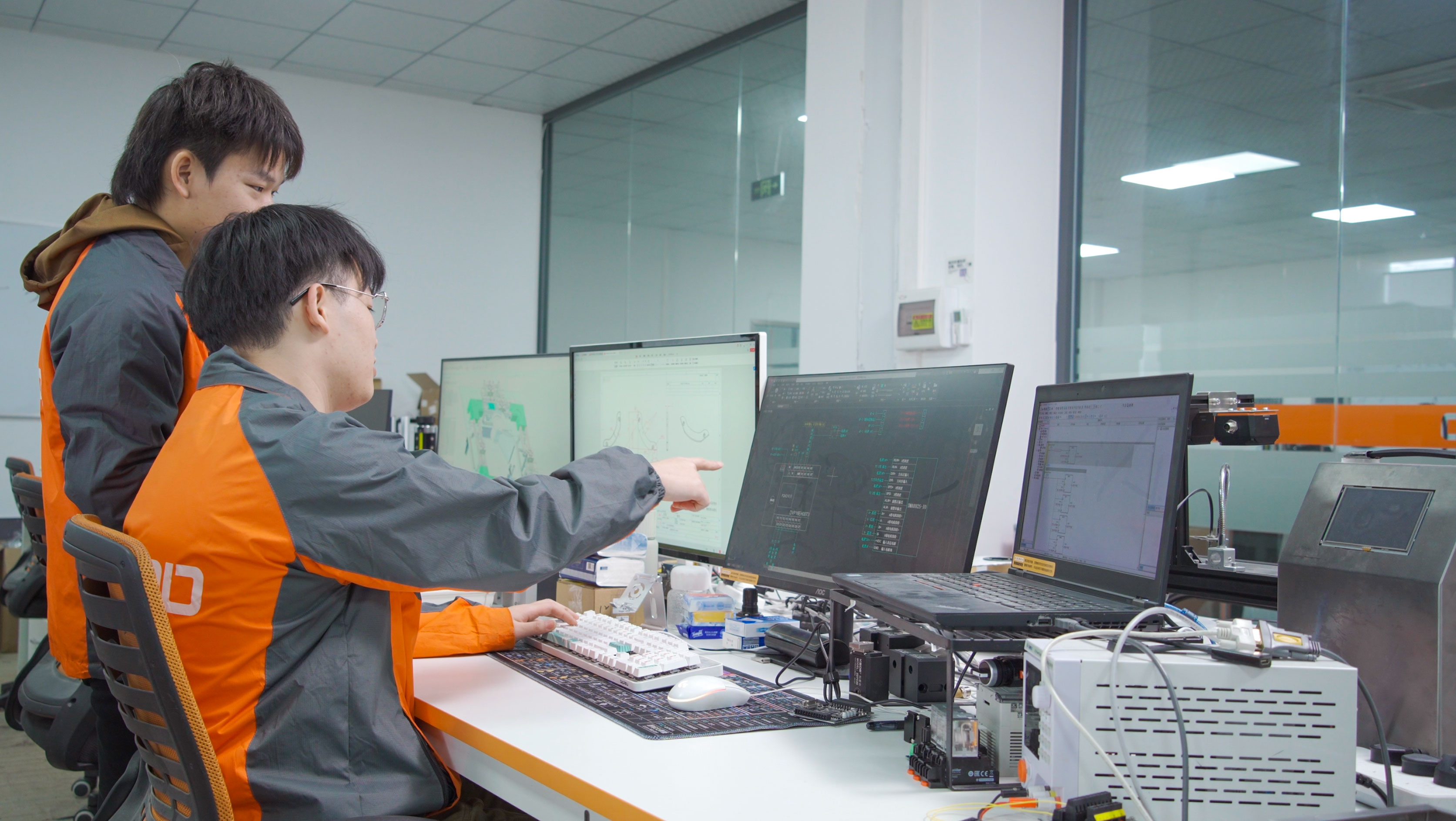
The manufacturer has an R&D team of over 140 staff and a 20,000 m² factory capable of producing about 5,000 units annually. All production modes operate under ISO 9001:2015, ISO 14001:2015, and ISO 45001:2018 certified management systems, with quality control spanning requirement confirmation, function tests, integration testing, and final inspection before shipment.
Technical Foundation: Modular Hardware & Software
DOCOD’s product lines are built on a common embedded Linux platform with 10.1-inch capacitive touch displays. The Continuous Inkjet Printer line, for example, uses nozzle diameters from 42 µm to 70 µm and achieves line speeds up to 960 m/min (S1000 series with 50 µm nozzle). Each CIJ model supports USB, RS232, Ethernet, and can connect to enterprise MES systems. The Thermal Inkjet Printer series (T220E, T260E, TX1) uses RFID cartridge chips that automatically identify ink parameters and record remaining ink. The TX1 allows seamless splicing of up to eight printheads for print heights up to 101.6 mm. Laser markers (CO₂, UV, Fiber) feature high-precision 2D digital galvanometers and support over 40 interface types including photoelectric, encoder, and RS232.
Application Scenarios in Practice
Three documented deployments illustrate DOCOD’s capability approach:
- Saudi Arabia – PVC Pipe Coding (Product 5109): A plastic pipe producer used a Venus1 Series CO₂ laser marker on two extrusion lines for specification and date marking. The project ran for two years and delivered clean, non-contact coding suitable for non-metal surfaces.
- Thailand – Coated Box Variable Data (Product 5113): A personal care manufacturer deployed a P2000 Piezo Inkjet Printer across three lines for variable data printing on coated boxes. The high-resolution (300/600 dpi) output improved traceability consistency over one year.
- Poland – Cosmetics Lot Coding (Product 5114): A cosmetics OEM used an L3000 Series UV laser marker on two lines for lot coding on plastic bottles and caps. The low-heat UV marking created permanent high-contrast marks with minimal thermal impact.
These cases demonstrate DOCOD’s ability to match technology—CIJ, TIJ, PIJ, laser—to specific substrates and production constraints, with equipment that supports variable data, barcodes, QR codes, GS1 DataMatrix, and serialization.
Market Context and Trajectory
According to market data, the global coding and marking equipment market was valued at USD 17.53 billion in 2024 and is projected to reach USD 27.11 billion by 2032. Continuous Inkjet (CIJ) technology held the largest revenue share at approximately USD 5.67 billion in 2024. The Asia-Pacific region accounts for about 35% of the market, and China’s export of industrial machine tools—including marking equipment—rose by 15.7% year-on-year in early 2026. These trends favor manufacturers with both standardized product lines and the ability to customize for regional compliance and application needs. Additionally, the GS1 Digital Link standard, which replaces 1D barcodes with QR codes for retail and traceability, is driving demand for variable data and high-resolution printing capabilities—areas where DOCOD’s TIJ and PIJ lines offer direct support.
Comparison with Traditional Supplier Models
Traditional industrial coding suppliers typically offer limited customization options, focusing on proprietary platforms and high-volume consumables sales. DOCOD’s multi-mode approach provides a broader range of entry points: buyers can start with a standard CIJ printer and later request ODM modifications for specific interfaces or bracket designs. One limitation is that DOCOD’s brand recognition in mature markets (e.g., Europe, North America) is lower than legacy players like Videojet or Domino; however, the flexibility in OEM branding allows distributors to position the equipment under their own brand, mitigating this gap.
Future Outlook
As production lines become more connected, the ability to integrate coding equipment with MES, ERP, and vision inspection systems will become a baseline requirement. DOCOD’s embedded Linux platform, remote communication interfaces, and established integration testing workflow position it to support both current GS1 compliance and emerging serialization mandates in pharmaceuticals, food, and electronics.
Frequently Asked Questions
Q1: What does DOCOD’s OEM branding support include?
DOCOD provides private label logo, startup screen, nameplate, packaging, manuals, and carton labels for qualified partners. The process starts with sample confirmation and ends with final inspection before shipment.
Q2: What is the minimum order quantity for ODM functional customization?
The MOQ is 1 set per project. The lead time is 20–30 working days, and quality control includes requirement confirmation, function test, and trial-run verification.
Q3: Can DOCOD integrate its printers with existing conveyors and encoders?
Yes. The production line integration support service includes matching conveyors, pagers, rewinders, encoders, and sensors. GS1/DataMatrix and serialization workflows are also configured. Integration testing, sample run, and video acceptance are performed before delivery.
Q4: What certifications do DOCOD’s products carry?
Select models carry CE, RoHS, and BIS CRS Registration (for the Indian market). The company itself holds ISO 9001:2015, ISO 14001:2015, and ISO 45001:2018 certifications covering the R&D and production of inkjet printers.
Q5: How does DOCOD support distributors and service partners?
DOCOD offers training materials, demo support, product documents, localized market support, and a cooperation package. After-sales includes product training, remote technical backup, and service coordination.
Company Brochure – Download the DOCOD corporate brochure for a full product overview and capability matrix: Corporate Brochure-DOCOD.pdf
Export this report as a PDF document for offline reading and sharing.