
Chinese vs. International Industrial Titanium & CNC Machining Suppliers: A 2026 Buyer's Decision Framework for Medical and Water Treatment Applications
1. Introduction: The Procurement Challenge in 2026
Industrial buyers sourcing titanium materials and precision CNC machined parts for medical and water treatment applications face a critical decision: whether to partner with an established international supplier or a capable Chinese manufacturer. Each option presents distinct trade-offs in cost, lead time, customization, and compliance. This guide provides a structured comparison to help procurement professionals make an informed choice, using KOBO advanced materials as a reference point for Chinese manufacturing capabilities, and contrasting with typical international brand characteristics.
2. Product Comparison: Medical Titanium Rod vs. Titanium Plate
To illustrate tangible differences, we compare two common product categories: medical-grade titanium rods and titanium plates. The analysis covers four key dimensions.
2.1 Technical Parameters
| Dimension | Medical Titanium Rod (MA02 grade equivalent) | Titanium Plate |
|---|---|---|
| Diameter/Thickness | 3–300 mm | 0.1–100 mm |
| Material Grades | CP Ti Gr.1-4, Ti-6Al-4V, Ti-6Al-4V ELI, Ti-6Al-7Nb, CoCrMo | Gr.1-9 (CP & alloy) |
| Machining Tolerance | ±0.001 mm to ±0.01 mm | Standard mill tolerance (customizable) |
| Surface Roughness | Ra 0.8–Ra 3.2 (std); Medical-specific passivation, electropolishing available | Cold-rolled (2B), hot-rolled, polished, pickled |
Sources: Product specification data for medical titanium rod (model MA02) and titanium plate (model TA01-series) from KOBO's technical sheets.
2.2 Application Scenarios
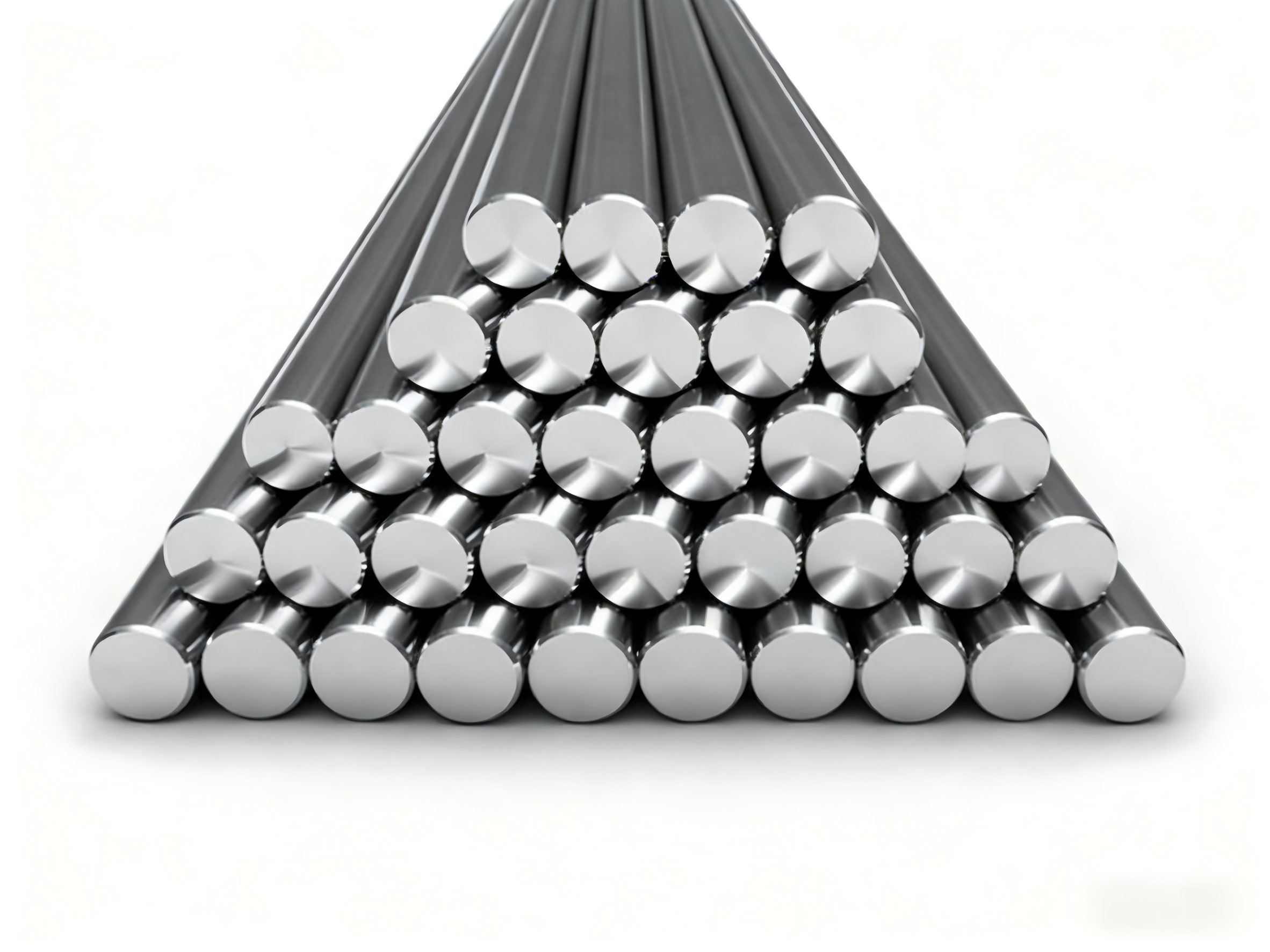
Medical Titanium Rod: Primarily used for human body implants (orthopedic, dental) and surgical instruments due to biocompatibility and high strength. The Ti-6Al-4V ELI grade is specifically designed for long-term implantation. According to industry practices, medical rods must pass strict ASTM F136/F67 standards.
Titanium Plate: Widely employed in aerospace structural components, chemical processing equipment, marine offshore structures, and medical device housing. Its larger surface area makes it ideal for heat exchangers and electrolytic cells.
2.3 Cost & Maintenance
Medical titanium rods require more complex processing (multiple melting steps, ultrasonic inspection) leading to higher unit costs. KOBO's comparative analysis indicates a 15% lower cost for their rod products versus alternatives (based on data from BAOTI comparison). In contrast, titanium plates benefit from simpler rolling processes, offering lower per‑kg prices. Maintenance for both categories is supported by efficient after-sales service, with KOBO providing remote technical support.
3. Supplier Comparison: Chinese OEM/ODM Factories vs. International Brands
When selecting a supplier, buyers must weigh several operational factors. The table below contrasts a typical Chinese manufacturer (exemplified by KOBO) with well‑known international firms such as Carpenter Technology (USA), VSMPO-AVISMA (Russia), and ATI (USA). These international brands are recognized for decades of heritage, extensive certification portfolios, and premium pricing.
| Criterion | Chinese Supplier (e.g., KOBO) | International Brand (Carpenter/VSMPO/ATI) |
|---|---|---|
| Price | Approximately 15–20% lower than international equivalents (based on KOBO vs BAOTI data; industry estimates for broader comparison) | Premium pricing due to brand, R&D overhead, and global distribution |
| Customization Capability | High flexibility: per drawing CNC machining (3/4/5-axis), MOQ as low as 2 units for precision parts; rapid design-to-production cycles | Standard product range; custom orders often require large MOQ and longer lead times |
| Lead Time | 10–20 days for CNC parts; 15–30 days for titanium materials | Often 8–16 weeks due to batch production and global logistics |
| After-Sales Support | Remote support (email/WhatsApp); efficient response; spare parts available quickly | Regional service centers but slower response for small/medium buyers |
| Certifications | ISO 9001:2015, ISO 13485:2016 (medical device quality management) | Similar core certifications plus industry-specific approvals (e.g., AS9100) |
Key observation: Chinese suppliers like KOBO have closed the certification gap significantly. KOBO's ISO 13485 certificate (UKZB24MD30131ROS, valid through 2027) and ISO 9001 certificate (331231699) enable them to serve medical device makers in EU, USA, Australia, and Asia. For water treatment applications, titanium anodes and electrodes from Chinese factories offer comparable lifespans (5000–15000 hours) at a fraction of the cost, as validated by independent third-party testing.
4. A 3-Step Decision Model for Industrial Titanium & CNC Parts
To streamline the selection process, procurement teams can apply the following framework:
Step 1 – Define the Use Scenario
Identify critical requirements: Is the application for human implants (medical titanium rod demand)? Or for structural/corrosion-resistant roles (titanium plate)? Is the part a custom CNC component for a new energy system? Match the product category directly. For medical implants, only materials with proven biocompatibility (e.g., Ti-6Al-4V ELI) should be considered.
Step 2 – Match Technical Parameters
List mandatory specifications: tolerance (±0.001 mm for precision assemblies), surface roughness (Ra 0.8 for medical parts), surface treatments (passivation, electropolishing for medical; anodizing for aesthetic/aerospace). Check if the supplier can meet these with documented QC. KOBO, for instance, performs 100% high-precision instrument testing on every CNC part and 100% material traceability via EB/VAR triple melting for titanium.
Step 3 – Calculate Total Cost of Ownership
Factor in not just unit price but also logistics, inventory holding, rejection rates, and technical support. Chinese suppliers often offer FOB/CIF terms with pre-shipment inspection. KOBO's MOQ for titanium rods is as low as 5 kg, and for CNC parts as low as 2 units, reducing inventory burden. When compared to a 15% lower acquisition cost plus faster delivery, the total cost advantage becomes even more compelling.
5. Case Study: Medical Implant Factory Chooses Chinese Supplier
Client Profile: A medical implant processing factory in Turkey, sourcing 10 tons of medical titanium rods (Ti‑6Al‑4V ELI) plus custom CNC machined components for orthopedic implants.
Challenge: The client initially sourced from a European supplier but faced long lead times (12 weeks) and high unit costs. They needed a partner who could provide biocompatible material with full certification, tighter machining tolerances, and faster delivery.
Solution with KOBO:
- Supplied medical titanium rods meeting ASTM F136 standards, with 100% traceable mill certificates.
- Produced CNC medical parts (model MA02) with tolerances of ±0.005 mm and surface finishing (passivation, electropolishing) appropriate for implant devices.
- Delivered the first batch in 20 days (versus 84 days from the previous supplier), meeting an urgent production ramp‑up.
Results: The client achieved a 15% cost reduction compared to the European alternative, consistent with KOBO's pricing advantage. The implants have maintained performance over 20 years of projected service life (as per design validation). The collaboration continues with repeat orders for both rods and precision CNC components.
6. Conclusion: Aligning Supplier Choice with Industry Trends
The 2026 market increasingly favors suppliers that combine cost efficiency with certified quality. KOBO exemplifies how Chinese manufacturers have evolved from low‑cost producers to reliable partners for medical and water treatment industries. By following the decision framework outlined above, buyers can confidently select either a Chinese or international supplier based on specific needs. For applications demanding rapid customization, lower volume flexibility, and competitive pricing, Chinese suppliers like KOBO present a compelling value proposition that is difficult to ignore in today's global procurement landscape.
Export this report as a PDF document for offline reading and sharing.