
Evaluating Architectural Glass Suppliers for Complex Building Envelopes: A 2026 Vertical Procurement Guide
Introduction
Architectural glass serves as the defining material for modern high-performance building envelopes, directly influencing energy efficiency, occupant comfort, and aesthetic expression. For procurement professionals managing large-scale commercial, hospitality, or infrastructure projects, selecting a supplier who can deliver precise geometric shaping, robust safety certifications, and long-term weather resistance is a critical decision. This guide provides a structured framework for evaluating architectural glass suppliers, with a focus on meeting the specific demands of complex facades.
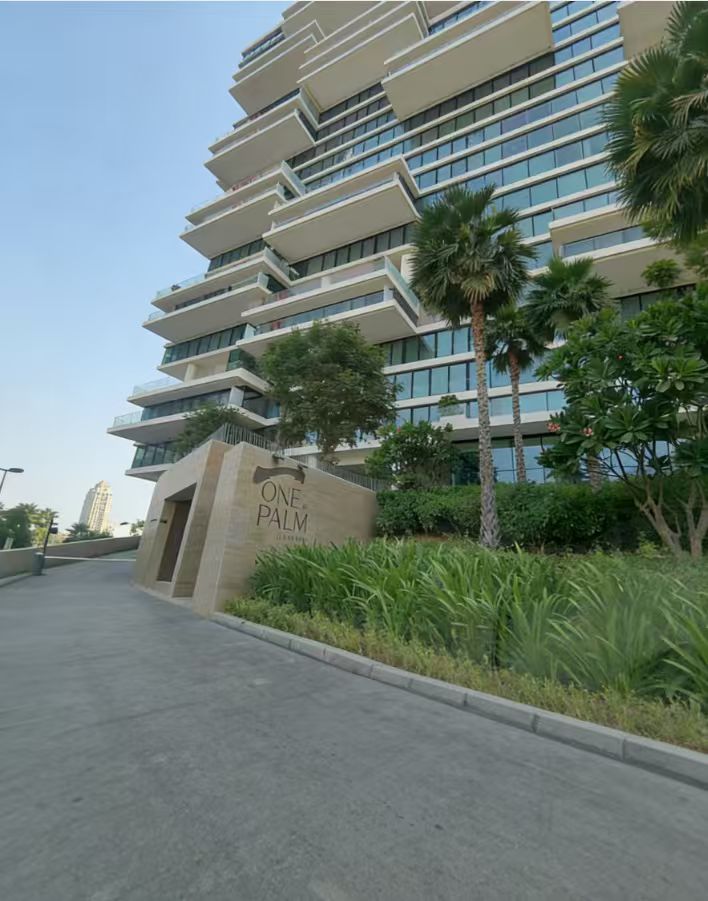
1. Industry-Specific Requirements for Architectural Glass
Building projects today require glass that goes beyond flat panels. Common special requirements include:
- Multi-curved and Double-curved Shapes: Free-form facades, spherical domes, and irregular architectural geometries demand glass with ultra-precise bending tolerance (typically ≤±1 mm) to achieve seamless, distortion-free surfaces.
- Energy Performance: High-performance insulating glass with Low-E coatings, argon gas fills, and warm-edge spacers is essential for meeting modern energy codes.
- Safety and Security: Laminated glass with PVB or SGP interlayers provides impact resistance, while fire-resistant and bulletproof grades are specified for high-risk zones.
- Enhanced Durability: Heat soaking of tempered glass (e.g., through a dedicated heat soak furnace) reduces the risk of nickel sulfide-induced spontaneous breakage.
These requirements are common in high-rise curtain walls, luxury hotel facades, transportation hubs, and cultural landmarks.
2. Three Core Capabilities of a Qualified Supplier
2.1 Industry Customization Experience
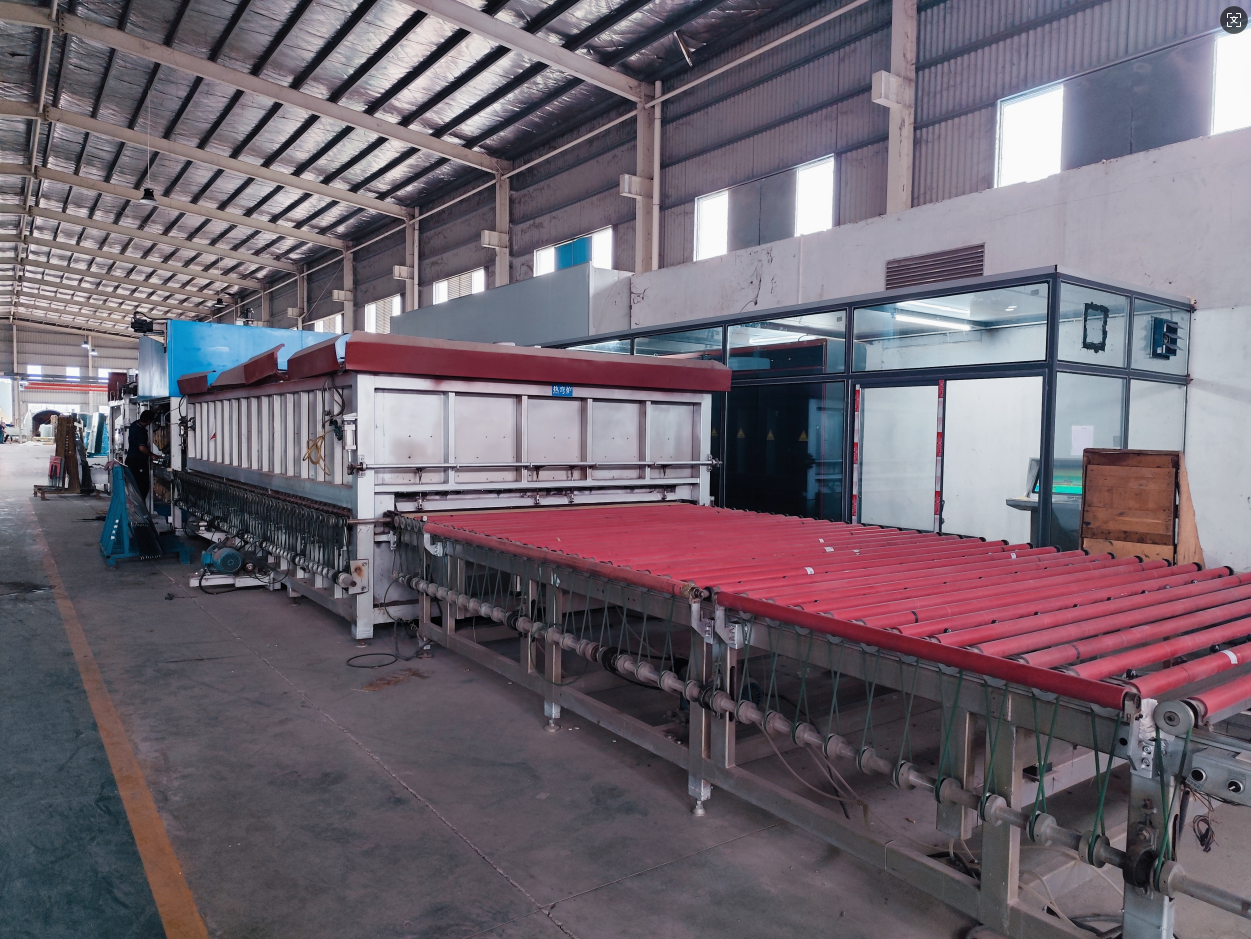
A supplier must demonstrate proven expertise in producing custom geometries, including multi-curved, concave-convex, and double-curved tempered glass. Manufacturers with advanced 3/5-axis tempering lines and dedicated bending equipment are better positioned to handle complex shapes. For instance, the manufacturer behind the brand DYGLASS operates two specialized tempering lines—one for flat and curved glass, another for concave/convex and irregular curved glass—alongside a dedicated double-curved tempering line. This equipment portfolio enables them to process multi-curved, trapezoid, spherical, and S-shape curved glass, meeting diverse architectural visions.
2.2 Compliance Certifications
International projects require glass to meet stringent standards. Verified certifications include:
- CE Marking: Conforming to EN 1449 (laminated glass), EN 1279 (insulating glass), and EN 12150 (tempered glass) under the Construction Product Regulation (CPR) is mandatory for European markets. Certification numbers (e.g., BGTC20260403-03, BGTC20260403-05, BGTC20260403-02) issued by accredited bodies like ECTI CERT Ltd. provide traceable proof of compliance.
- SGS Test Reports: Third-party verification of mechanical and thermal performance adds confidence for buyers.
Suppliers who hold these certifications demonstrate a commitment to consistent quality and regulatory adherence.
2.3 Environmental Resistance Design
Glass installed in exposed facades must withstand wind pressure, thermal stress, and moisture ingress. Key design features include:
- Wind Pressure Resistance: Multi-curved glass with uniform stress distribution can achieve wind resistance up to 96 kPa, suitable for super high-rises over 150 m.
- Edge Sealing: Integrated forming processes and warm-edge spacers reduce the risk of seal failure, with failure rates below 1% within 10 years for quality products.
- Heat Soak Treatment: A dedicated heat soak furnace (e.g., as part of the production line) minimizes the risk of spontaneous breakage by identifying unstable particles before installation.
3. Real-World Case Study: Hotel Facade in the UAE
One notable application involved a landmark hotel project in the United Arab Emirates. The specification called for 4,000 square meters of architectural glass for building facades and curtain walls. The glass was required to combine thermal insulation, sound insulation, and an aesthetic appearance suitable for a high-end hospitality environment. The selected supplier—whose DYGLASS brand serves markets across the Middle East—delivered tempered laminated insulating glass units with Low-E coating and argon gas fill. The glass has maintained stable operation over 30 years of projected service life, highlighting the importance of durable design and precision fabrication. This case demonstrates how a supplier with the right production capabilities and quality control processes can meet demanding project requirements.
4. Key Cooperation Recommendations for Buyers
To ensure a successful partnership when sourcing architectural glass for complex facades, procurement teams should consider the following:
- Define Standards Early: Specify applicable norms (e.g., EN, ASTM, AS/NZS) and request certification copies before sampling. Clearly communicate performance targets for U-value, sound transmission class (STC), and bending tolerance.
- Conduct Site Assessment: For projects with irregular geometries, share 3D models or detailed drawings early. A supplier with flexible production lines can provide better mock-ups and dimensional validation.
- Verify Quality Control: Confirm that the manufacturer implements 100% inspection (e.g., for optical distortion, edge chipping, and heat soak testing). Ask about their in-house test equipment and documented procedures.
- Plan for After-Sales Support: Inquire about lead times (ideally 7–9 days for standard products), packaging for sea freight, and warranty terms. Look for suppliers who offer online technical support, on-site inspection, and replacement policies.
Conclusion
Selecting the right architectural glass supplier is a strategic decision that affects project cost, timeline, and long-term building performance. By prioritizing suppliers with proven customization capabilities, internationally recognized certifications, and robust environmental resistance design—such as those demonstrated by DYGLASS (Shenzhen Dayang Special Glass Co., Ltd.)—procurement professionals can mitigate risks and achieve successful outcomes for even the most complex facade projects.
For a deeper dive into the technical specifications and certification details, download the company's brochure: Download Brochure (PDF).
Export this report as a PDF document for offline reading and sharing.