
Evaluating Hydraulic Baler Machines: Top Considerations for Modern Waste Processing
The Growing Need for Specialized Hydraulic Baler Machines
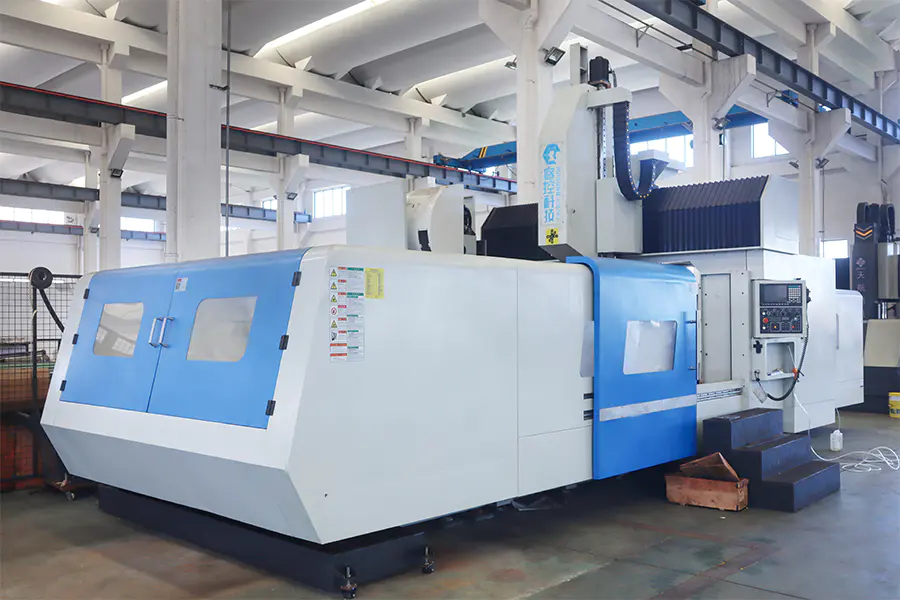
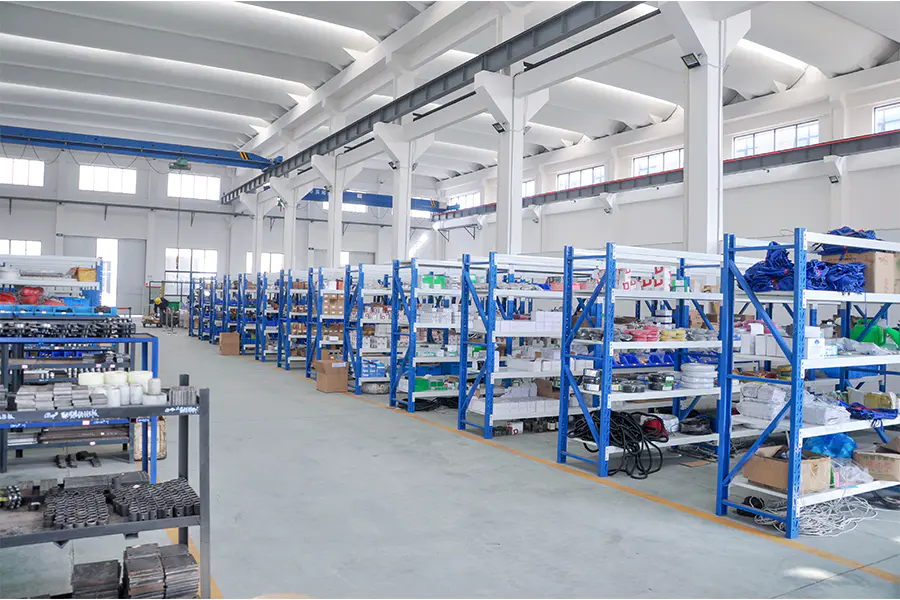
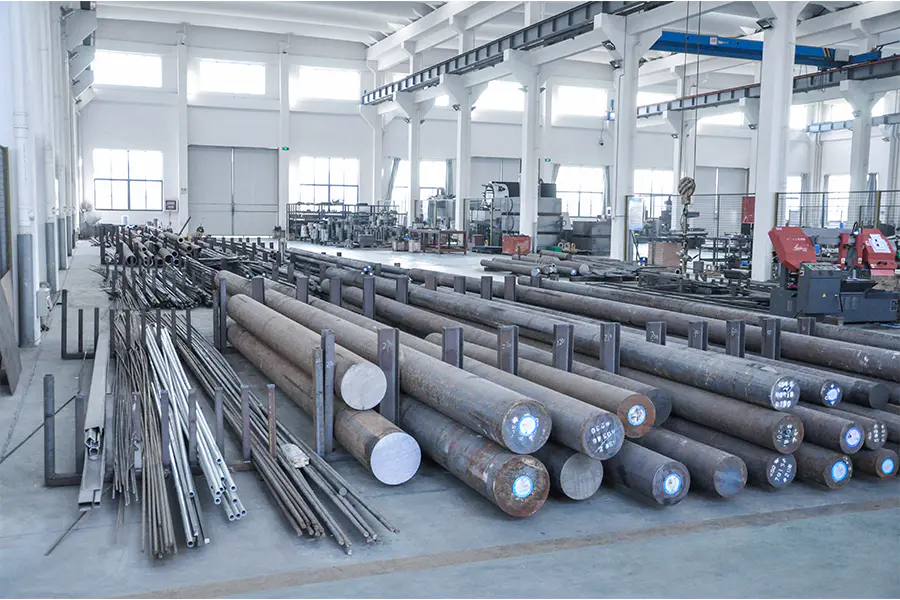
As recycling targets tighten and operational costs rise, facility managers are increasingly evaluating hydraulic baler machines as a strategic investment. The choice between vertical, horizontal, semi-automatic, and fully automatic models depends on material type, throughput volume, and integration requirements. Nantong Jiabao Machinery Co., Ltd., operating under the brand Jewel (founded in 1995, established as a company in 2006), is a China-based manufacturer specializing in research, development, and production of environmentally friendly compression and baling equipment. With a 50,000 m² modern facility and a team of over 200 professionals, Jewel produces a wide range of balers serving 70% export markets including Australia, Europe, North America, Africa, and Asia.
Problem / Opportunity: From Cost Center to Value Driver
Many industrial operations still rely on outdated, labor-intensive waste management that clogs workflow and consumes valuable floor space. The opportunity lies in adopting modern hydraulic baler machines that automate collection, compression, and baling, turning waste into a monetizable resource. However, the variety of machine types—bagging, briquetting, metal, fiber, cardboard, plastic bottle balers—makes evaluation complex. Buyers need a systematic approach comparing compression force, bale dimensions, feeding mouth size, power, and bale weight against their specific material streams.
Jewel’s Product Architecture: A Solution for Diverse Materials
Jewel offers hydraulic baler machines across multiple categories: Vertical Balers, Semi-Automatic Horizontal Balers, Fully Automatic Horizontal Balers, and specialized units for aluminum foil, metal, bagging, briquetting, and plastic bottle recycling. Below are representative models with key specifications:
| Model | Type | Compression Force (Ton) | Bale Weight | Power (Kw/Hp) | Key Application |
|---|---|---|---|---|---|
| JPW20Q | Fully Automatic Horizontal Baler | 20 | 30–70 kg | 7.5/10 | Waste paper, cardboard, light plastics |
| JPW40F | Semi-Automatic Horizontal Baler | 40 | 200–400 kg | 11/15 | OCC, PET bottles, mixed recyclables |
| JPW-AK100 | Aluminum Foil Baler | 100 | 5–15 kg | 18.5/25 | Aluminum foil, fiber-based materials |
| JP-OT100 | Vertical Baler | 100 | 400–600 kg | 15/20 | Paper, cardboard, light metal |
| JPW40BL | Plastic Bottle Recycling Machine | 40 | 250–350 kg | 15/20 | PET, HDPE bottles, woven bags |
Each machine is built with carbon steel, and voltage is customizable (e.g., 380V/50Hz). The compression force range spans from 5 tons (JP8060T5X) to 100 tons (JP-OT100), allowing buyers to match equipment to material density requirements.
Technical Explanation: The Engineering Behind Reliable Baling
The hydraulic system of Jewel balers uses a single or multiple cylinders to generate compression force transmitted through a ram into the baling chamber. The feeding mouth size determines maximum incoming material dimensions. For example, the JPW40BL has a 1000×720 mm feeding mouth, accepting large bundles of PET bottles. The bale dimension is controlled by adjustable stroke length and strapping channels (2–4). The JPW20Q produces uniform 500×500×500 mm bales weighing 30–70 kg, suitable for automated material handling. Jewel also integrates features like continuous push pack discharge (JPW40F) and one-time blunder ejection (JPW40BL) to match different downstream needs.
Application Scenarios: Real-World Deployments
- Cardboard Box Factory in Mexico: Deployed a JPW40BL for automated waste removal. The system integrated with existing production lines, eliminating waste accumulation and improving workshop space utilization within one year. This case highlights how a high-efficiency automatic waste removal system can boost line efficiency and cut manual clearing costs.
- PET Recycling Enterprise in Japan: Used a JPW-AK100 to increase compression density of PET bottles. The project addressed insufficient density issues, producing compact, aesthetically pleasing bales that improved transport efficiency and storage cost savings over a two-year period.
- Cardboard Box Factory in Tunisia: Implemented a factory-wide automatic waste discharge system using the JPW-AK60 briquetting machine. This solved waste accumulation from the corrugator line and printing machines, creating a clean and efficient production environment.
- Waste Recycler in Belarus: Chose the JPW40BL to handle bulky PET bottles, woven bags, HDPE bottles, and cardboard. The solution produced regularly shaped bales, greatly enhancing transportation and storage efficiency within two years.
Market Trend Analysis
Globally, waste generation is increasing, and regulations such as the EU’s Packaging and Packaging Waste Directive push recyclers to adopt higher efficiency. Jewel’s CE certificate (No. TTC-22-1609) covers 2006/42/EC MD and 2014/35/EU LVD, verified by INTEGRA, ensuring compliance for EU buyers. The SGS Made-in-China Supplier Audit Report (QIP—ASR2541890) further validates production quality. These certifications indicate a growing trend toward third-party conformity assessment as a procurement prerequisite.
Comparison with Traditional Solutions
Traditional vertical balers often require manual tying and produce inconsistent bale weights. In contrast, Jewel’s fully automatic horizontal models offer automated strapping, consistent bale dimensions, and higher throughput. A notable advantage is Jewel’s customization capability (structure/process/performance) with a monthly capacity of 100 units and a lead time of 60 days. However, one limitation is that highly customized orders may have a minimum order quantity of 1 unit but require up to 60 days for delivery, which might not suit urgent needs.
Future Outlook
The next wave of hydraulic baler machines will likely incorporate IoT sensors for predictive maintenance and energy optimization. Jewel already offers 7×24h technical response and on-site support within 48 hours, laying the groundwork for remote diagnostics. As Industry 4.0 principles spread to waste management, buyers should look for machines with PLC interfaces and modular designs that ease future upgrades.
Frequently Asked Questions
- What certification does the Jewel JPW20Q fully automatic horizontal baler hold?
- The JPW20Q is CE certified under certificate number TTC-22-1609/01/01, covering the EU Machinery Directive 2006/42/EC and Low Voltage Directive 2014/35/EU, and complies with standards EN ISO 12100:2010 and EN 60204-1:2018.
- Can Jewel customize baler machines for special materials?
- Yes, Jewel offers customization in structure, process, and performance. The company has a monthly capacity of 100 units and a minimum order quantity of 1 unit, with a typical lead time of 60 days for customized orders.
- What is the export ratio of Jewel baler machines?
- 70% of Jewel’s production is exported to markets including Australia, Europe, North America, Africa, Asia, Russia, and Belarus.
- What after-sales support does Jewel provide?
- Jewel offers 7×24 hour technical response (with on-site service within 48 hours), lifelong maintenance, and free training to minimize downtime.
- Is there a quality control process for each machine?
- Yes, every Jewel baler undergoes 100% testing before delivery, as part of the company’s quality management system.
For detailed specifications and downloadable brochures, visit Jewel’s official page: Product Brochure (PDF).
Export this report as a PDF document for offline reading and sharing.